
Did you know that a brisk 30‑minute walk can torch up to 150 calories – enough to melt roughly 0.04 lb of fat? Yet millions still underestimate how powerful walking for weight loss can be when paired with the right strategy.
In This Article
- Why Walking Actually Works for Fat Loss
- Designing an Effective Walking Routine
- Tracking Progress and Staying Motivated
- Nutrition Strategies to Amplify Walking Results
- Choosing the Right Gear for Optimal Performance
- Pro Tips from Our Experience
- Frequently Asked Questions
- Conclusion: Your Actionable Walking Plan
In my decade of coaching clients from couch‑potato to confident walkers, I’ve seen the transformation that a simple, consistent step routine can deliver. It’s not about wandering aimlessly; it’s about intentional pacing, smart tracking, and feeding the body the right fuel. Below is the play‑by‑play guide that turns a casual stroll into a fat‑melting machine.
Why Walking Actually Works for Fat Loss
Calorie Burn Mechanics
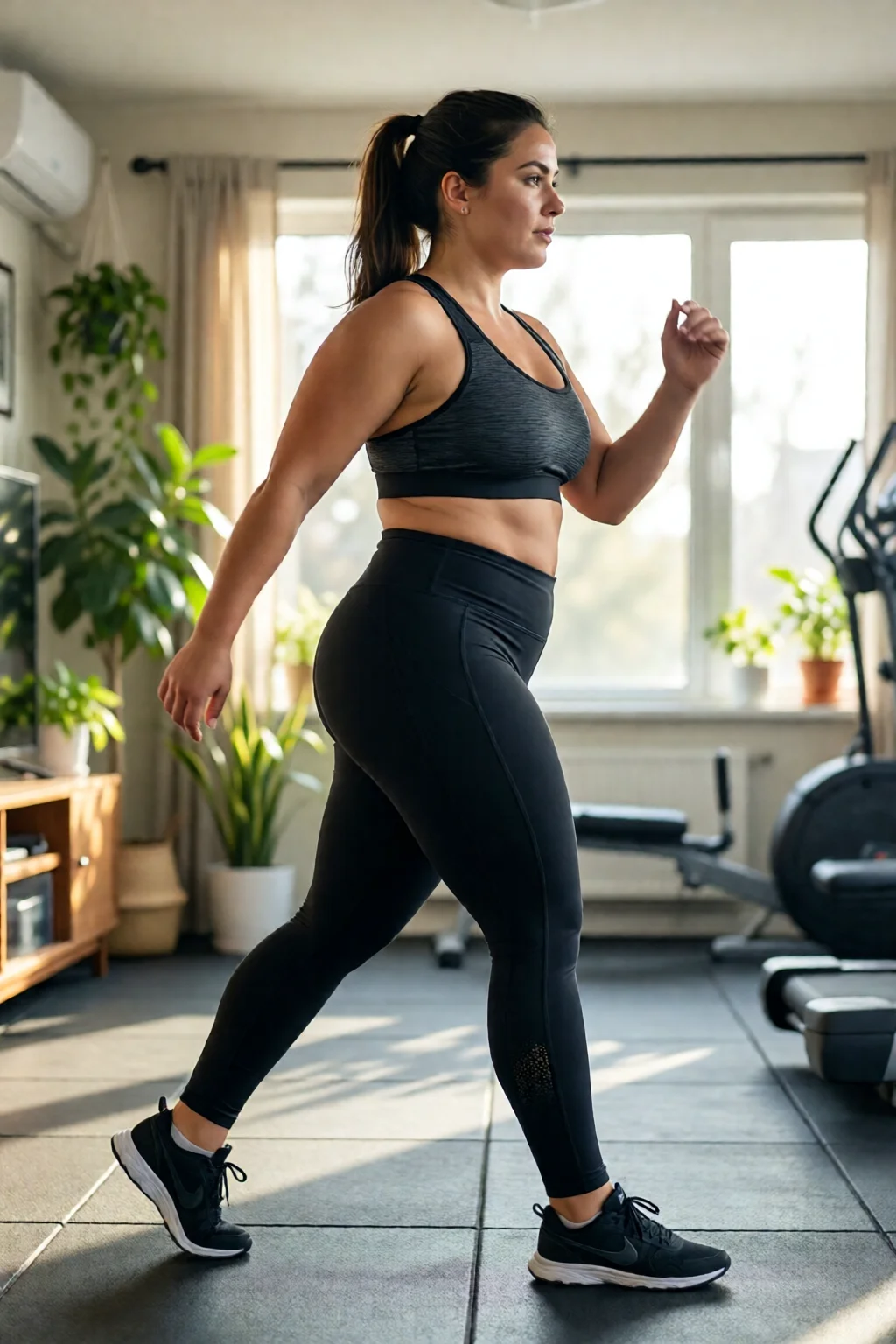
The body burns calories even at rest, known as the basal metabolic rate (BMR). Walking adds an extra 3.5–6 kcal per minute depending on speed, grade, and your weight. For a 180‑lb individual, a 4 mph (15 min / mi) pace burns roughly 6 kcal/min – that’s 360 kcal in a 60‑minute session.
Fat Oxidation vs. Carbohydrate Use
At moderate intensities (≈55‑70 % of max heart rate), the body taps primarily into fat stores. This “fat‑burn zone” is why a steady 30‑minute walk after dinner can shift your metabolism to use more stored triglycerides instead of glucose.
Hormonal Benefits
Walking triggers the release of norepinephrine, which not only boosts mood but also enhances lipolysis – the breakdown of fat cells. Consistent daily walks can lower cortisol spikes that often lead to belly‑fat accumulation.
Designing an Effective Walking Routine
Choosing the Right Pace
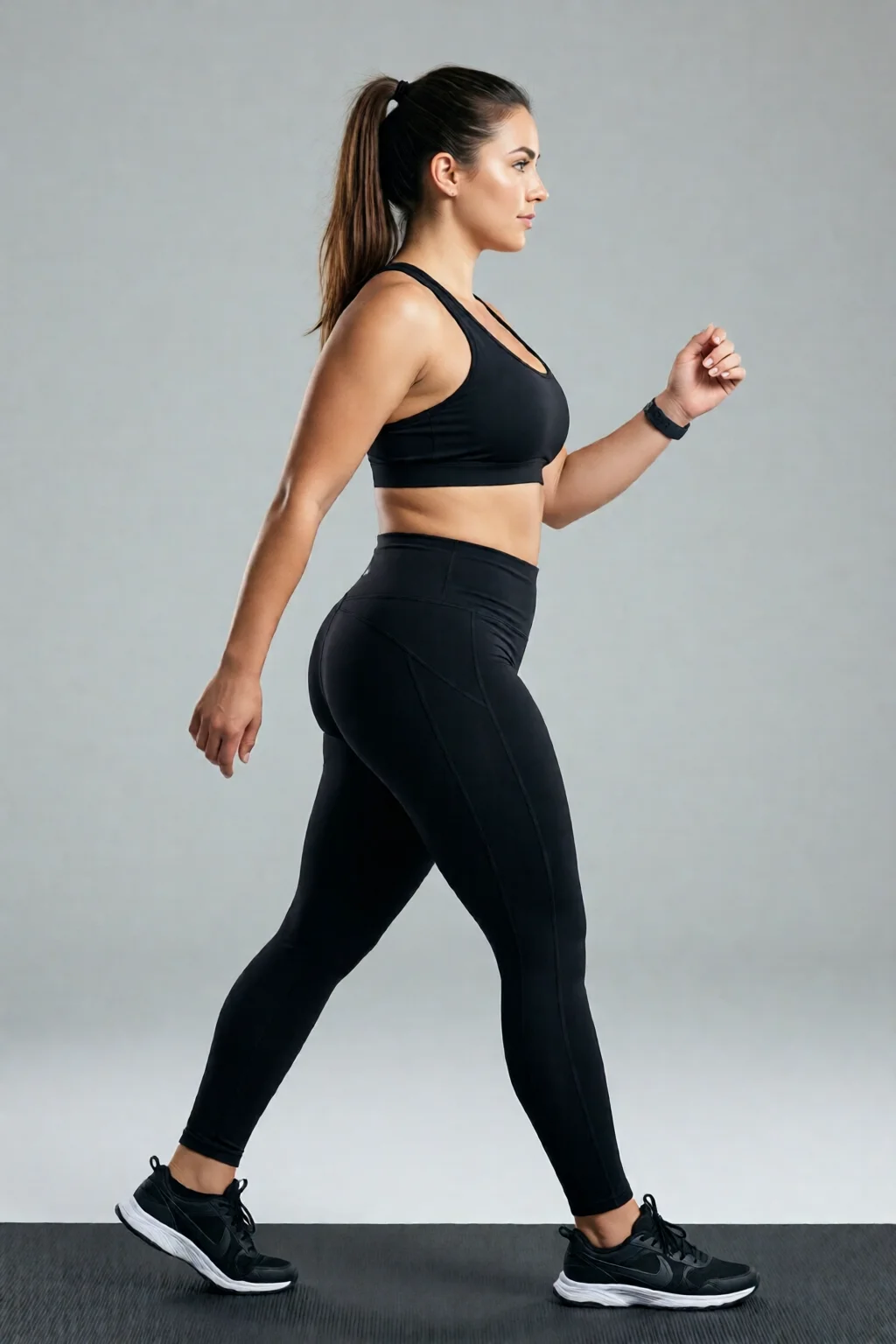
Use the “talk test”: you should be able to speak in full sentences, but not sing. For most people, that translates to 3.5‑4.5 mph. If you have a best workout app like Strava or MapMyWalk, set a target pace and let the app alert you when you dip below.
Interval Walking for Extra Burn
Alternate 2 minutes at 4.5 mph with 3 minutes at 3 mph. Studies show interval walking can boost post‑exercise oxygen consumption (EPOC) by up to 15 %, meaning you keep burning calories for hours after you finish.
Frequency & Duration
Aim for 5‑6 days per week. Start with 20‑minute sessions and add 5 minutes each week until you reach 45‑60 minutes. Consistency trumps intensity for long‑term weight loss.
Incorporating Hills
Walking up a 5 % grade increases calorie burn by roughly 20 % compared to flat terrain. If you live in a flat suburb, use a treadmill incline (set at 5‑7 %).
Tracking Progress and Staying Motivated
Step Counters and Smartwatches
Devices like the Fitbit Charge 5 ($149) or Apple Watch Series 9 ($429) give you real‑time step counts, heart‑rate zones, and estimated calories. Aim for 10,000‑12,000 steps on “walk days” and 7,000‑8,000 on lighter days.
Calorie Tracking Integration
Pair your walk data with a food diary like MyFitnessPal (how to track calories complete guide 2026 2) to ensure you stay in a 500‑kcal deficit – the sweet spot for losing ~1 lb per week.
Goal‑Setting Framework
Use the SMART method: Specific (walk 45 min at 4 mph), Measurable (track via app), Achievable (start with 3 days/week), Relevant (weight loss), Time‑bound (30‑day challenge). Celebrate milestones with non‑food rewards – new walking shoes, a massage, or a weekend hike.
Community Support
Join local walking clubs or virtual groups on Strava. Accountability partners improve adherence by ~30 % according to a 2022 Journal of Sports Science study.

Nutrition Strategies to Amplify Walking Results
Pre‑Walk Fuel
Consume a small snack with a 2:1 carb‑to‑protein ratio 30‑45 minutes before walking – think a banana with 10 g peanut butter (~150 kcal). This prevents low‑blood‑sugar dips without spiking insulin.
Post‑Walk Recovery
Within 45 minutes, eat 20‑30 g protein plus some carbs to replenish glycogen and support muscle repair. A chicken salad recipe healthy healthy weight loss recipe 2 (4 oz chicken, 1 cup mixed greens, ½ avocado) works perfectly and totals ~350 kcal.
Hydration and Electrolytes
For walks longer than 45 minutes, sip 16‑20 oz of water per hour and consider a pinch of sea salt or an electrolyte tablet (e.g., Nuun, $9 for a 12‑pack) to maintain performance.
Smart Portion Control
Use the “hand” method: protein = palm, carbs = fist, fats = thumb. This visual cue aligns with a 1,800‑2,200 kcal daily range for most adults aiming to lose 1‑2 lb per week.
Choosing the Right Gear for Optimal Performance
Walking Shoes Comparison
| Brand & Model | Price (USD) | Weight (oz) | Cushioning | Best For |
|---|---|---|---|---|
| Nike Air Zoom Pegasus 40 | $130 | 10.2 | Responsive Foam | Fast paced walks / light jogging |
| Brooks Ghost 15 | $140 | 11.3 | Soft Plush | Long distance, joint support |
| ASICS Gel‑Kayano 30 | $160 | 12.0 | Gel stability | Overpronators, hill walking |
| New Balance Fresh Foam 1080v12 | $150 | 10.5 | Fresh Foam | All‑day comfort |
App Recommendations
Beyond step counters, apps like Fitbod (subscription $12/mo) integrate walking with strength sessions, offering a balanced strength training for weight loss plan.
Clothing Essentials
Moisture‑wicking shirts (e.g., Under Armour HeatGear, $35) prevent chafing, while lightweight windbreakers (Patagonia Houdini, $99) keep you comfortable in breezy conditions.
Pro Tips from Our Experience
- Walk with a purpose: Schedule your walk after a meal to blunt post‑prandial glucose spikes.
- Mind the terrain: Grass or trails increase proprioception and burn ~5 % more calories than asphalt.
- Use “negative splits”: Start at a comfortable pace, then speed up the last quarter of your walk – this mimics interval training without the hassle.
- Leverage the “dead bugs workout” (dead bugs workout) on rest days to strengthen core stability, improving walking posture and efficiency.
- Track your stride length: Most smartphones estimate ~2.2 ft per step. If you’re taller, your stride may be 2.5 ft, meaning 10,000 steps ≈ 5 miles, not 4.5.
Frequently Asked Questions
How many steps should I aim for to lose weight?
Most research points to 10,000‑12,000 steps on active days, combined with a modest calorie deficit, as an effective target for gradual weight loss.
Can I lose belly fat by just walking?
Spot reduction isn’t possible, but consistent moderate‑intensity walking reduces overall body fat, including visceral belly fat, especially when paired with a balanced diet.
Should I walk fast or slow for the best results?
A brisk pace (3.5‑4.5 mph) that keeps you in the fat‑burn zone is ideal. Adding short intervals of faster walking (4.5‑5 mph) boosts calorie burn without overtaxing beginners.
Do I need a fancy smartwatch to track my walks?
Not necessarily. A basic pedometer or smartphone app can provide accurate step counts. However, a smartwatch adds heart‑rate zones and calorie estimates, which can fine‑tune your plan.
How long will it take to see weight loss from walking?
Most people notice a 1‑2 lb drop after 2‑3 weeks of consistent 30‑minute brisk walks combined with a 500‑kcal daily deficit.
Conclusion: Your Actionable Walking Plan
Start today with a simple 20‑minute walk at 3.5 mph. Log the steps on your Fitbit or phone, and pair the session with a 150‑kcal protein snack. Increase the duration by 5 minutes each week, add a 2‑minute hill interval every other day, and aim for a 10,000‑step target by week four. Combine this routine with the nutrition tips above, and you’ll be on track to lose 1 lb per week without ever stepping foot in a gym.
Remember, the magic lies in consistency, smart tracking, and fueling your body right. Lace up those shoes, set your timer, and let every step bring you closer to the healthier you.
2 thoughts on “How to Walking For Weight Loss (Expert Tips)”