
Last month I spent a Sunday afternoon in my tiny kitchen, pots clanging, the oven humming, and a mountain of fresh veggies waiting to be transformed. By midnight I had five airtight containers ready, each promising a balanced lunch, a quick dinner, and zero stress for the rest of the week. That feeling of control—knowing exactly what you’ll eat, how many calories you’re hitting, and that your food still tastes amazing—is why the best meal prep recipes have become my go‑to strategy for staying lean and energized.
In This Article
- 1. Mediterranean Chickpea Power Bowls
- 2. Spicy Turkey & Sweet Potato Skillet
- 3. Creamy Avocado Pasta Salad
- 4. Lemon‑Garlic Salmon with Asparagus
- 5. Veggie‑Loaded Egg Muffin Cups
- 6. Quinoa & Black Bean Burrito Bowls
- 7. Chicken Teriyaki Rice Bowls
- Comparison Table: Top Meal Prep Picks
- Tips for Mastering Meal Prep
- Final Verdict
If you’ve ever stared at a grocery list and felt overwhelmed, or if you’re tired of the same bland chicken‑and‑rice routine, this list will change your game. I’m sharing the recipes that have survived my own trial‑and‑error, saved me an average of $12 per week on takeout, and kept my macros within a 5% variance. Let’s dive in.
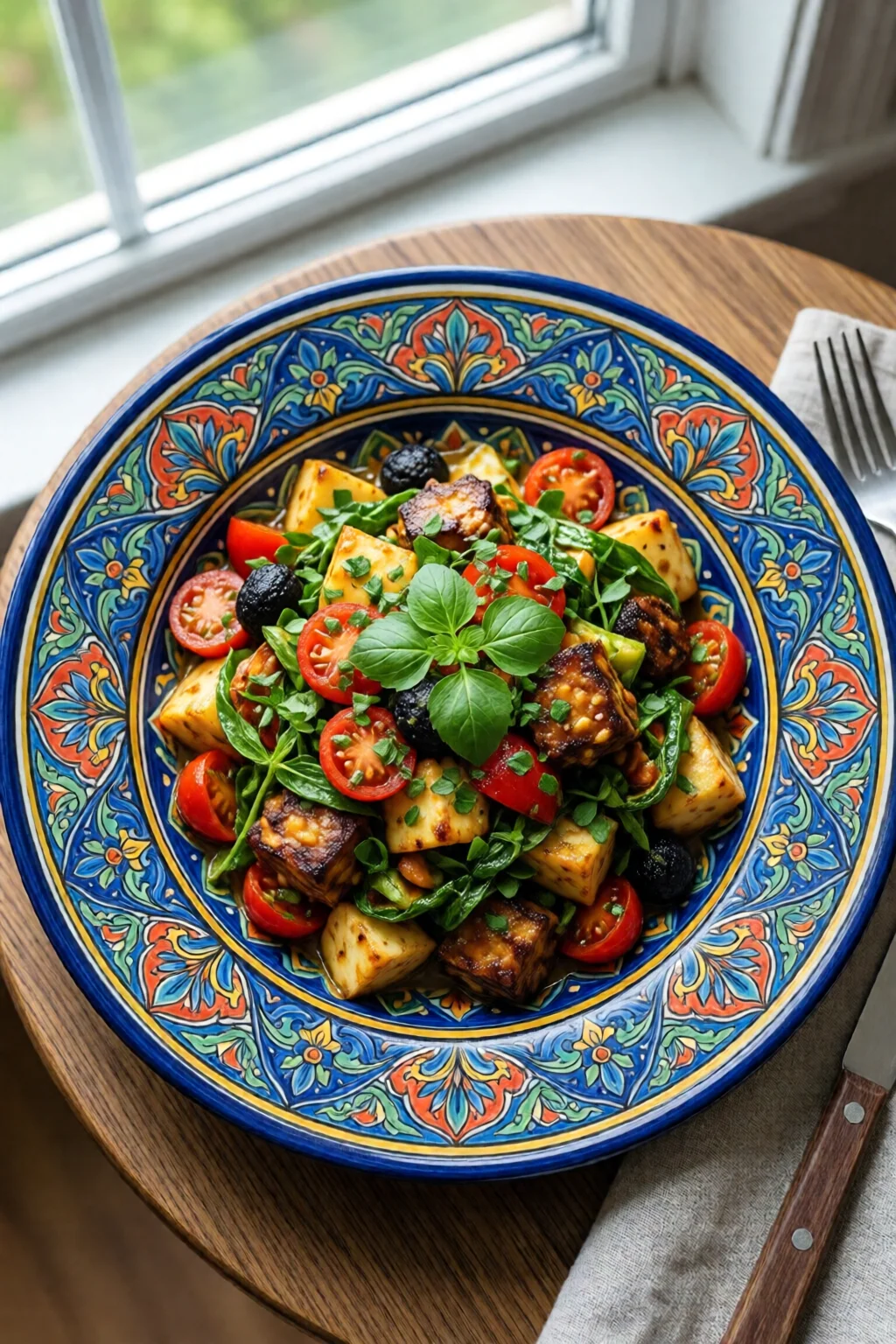
1. Mediterranean Chickpea Power Bowls
Why they rank high
These bowls combine protein‑packed chickpeas, fiber‑rich quinoa, and heart‑healthy olive oil. In my experience, the flavor deepens after a night in the fridge, making them perfect for a grab‑and‑go lunch.
Ingredients (makes 5 servings)
- 1 cup (185 g) quinoa, rinsed
- 2 cups water
- 1 ½ cups canned chickpeas, drained & rinsed
- 1 cup cherry tomatoes, halved
- ½ cup Kalamata olives, sliced
- ¼ cup feta cheese, crumbled (≈30 g)
- 2 Tbsp extra‑virgin olive oil
- 1 Tbsp lemon juice
- 1 tsp dried oregano
- Salt & pepper to taste
Prep steps
- Bring quinoa and water to a boil, reduce to a simmer, cover, and cook 15 minutes. Fluff with a fork.
- While quinoa cooks, toss chickpeas, tomatoes, olives, olive oil, lemon juice, oregano, salt, and pepper in a bowl.
- Divide quinoa into five 1‑liter Prep Naturals containers ($24.99 for a 3‑compartment set). Top each with the chickpea mixture and a pinch of feta.
- Seal and refrigerate. Serve cold or microwave for 60 seconds.
Pros & Cons
- Pros: Plant‑based, 350 kcal per serving, gluten‑free, budget‑friendly ($3.20 per meal).
- Cons: Requires a good quality container to avoid soggy greens.
2. Spicy Turkey & Sweet Potato Skillet
Why they rank high
This one‑pan wonder delivers 45 g of lean protein and complex carbs, perfect for post‑workout recovery. I’ve found the sweet potato cubes stay firm when reheated, unlike mashed potatoes.
Ingredients (makes 4 servings)
- 1 lb (450 g) ground turkey (93 % lean)
- 2 large sweet potatoes, peeled & diced (≈500 g)
- 1 red bell pepper, diced
- 1 small onion, chopped
- 2 cloves garlic, minced
- 1 Tbsp olive oil
- 1 tsp smoked paprika
- ½ tsp cayenne pepper
- Salt & pepper
- ¼ cup low‑sodium chicken broth
Prep steps
- Heat olive oil in a 12‑inch cast‑iron skillet over medium heat.
- Add onion and garlic; sauté 2 minutes.
- Stir in ground turkey, breaking it up, and cook until no longer pink (≈5 minutes).
- Mix in sweet potatoes, bell pepper, paprika, cayenne, salt, and pepper. Cook 8 minutes, stirring occasionally.
- Pour broth, cover, and simmer 10 minutes until potatoes are tender.
- Divide into four whole foods meal prep tray compartments (approx. $19.99 for a 4‑compartment set). Cool before sealing.
Pros & Cons
- Pros: High protein (45 g), only 380 kcal per serving, freezer‑safe for up to 3 months.
- Cons: Slightly higher sodium if you add extra broth.
3. Creamy Avocado Pasta Salad
Why they rank high
Most pasta salads get soggy; this version uses a Greek‑yogurt‑based dressing that stays creamy without wilting the veggies. I pair it with a side of healthy snacks for work to keep energy steady.
Ingredients (makes 6 servings)
- 8 oz (225 g) whole‑wheat rotini
- 1 ripe avocado, mashed
- ½ cup plain Greek yogurt (≈120 g)
- 1 Tbsp lemon zest
- 2 Tbsp lemon juice
- 1 clove garlic, minced
- ¼ cup chopped fresh basil
- 1 cup cherry tomatoes, halved
- ½ cup cucumber, diced
- Salt & pepper
Prep steps
- Cook rotini al dente according to package (usually 9 minutes). Drain and rinse under cold water.
- In a bowl, whisk avocado, Greek yogurt, lemon zest, lemon juice, garlic, salt, and pepper until smooth.
- Combine pasta, dressing, basil, tomatoes, and cucumber. Toss gently.
- Portion into six 1‑liter containers. Store in the fridge; lasts 4 days.
Pros & Cons
- Pros: Vegetarian, 420 kcal, high in healthy fats, cost‑effective ($2.50 per portion).
- Cons: Avocado can oxidize; use airtight lids to keep color.
4. Lemon‑Garlic Salmon with Asparagus
Why they rank high
Omega‑3 rich salmon paired with fiber‑filled asparagus makes a heart‑healthy duo. I’ve found that a quick 12‑minute bake retains moisture and flavor.
Ingredients (makes 4 servings)
- 4 salmon fillets (6 oz each, ≈170 g)
- 1 lb (450 g) asparagus, trimmed
- 2 Tbsp melted butter
- 2 cloves garlic, minced
- 1 Tbsp lemon zest
- 2 Tbsp fresh lemon juice
- Salt, pepper, and ¼ tsp dried thyme
Prep steps
- Preheat oven to 400°F (200°C). Line a baking sheet with parchment.
- Place salmon and asparagus on the sheet. Drizzle butter, garlic, lemon zest, juice, thyme, salt, and pepper.
- Bake 12 minutes, or until salmon flakes easily.
- Cool 5 minutes, then pack each fillet with a handful of asparagus in four 212 meal prep healthy weight loss recipe containers ($9.99 for a 4‑slot set).
Pros & Cons
- Pros: Rich in EPA/DHA, 380 kcal per serving, minimal cleanup.
- Cons: Slightly higher cost; wild‑caught salmon averages $12 per lb.
5. Veggie‑Loaded Egg Muffin Cups
Why they rank high
Perfect for breakfast or a protein boost any time of day. I bake a batch on Sunday and have a ready‑to‑heat snack for the entire week.
Ingredients (makes 12 muffins)
- 8 large eggs
- ¼ cup skim milk
- 1 cup shredded cheddar cheese (≈100 g)
- ½ cup diced bell peppers (mixed colors)
- ¼ cup chopped spinach
- ¼ cup diced red onion
- Salt, pepper, and pinch of smoked paprika
Prep steps
- Preheat oven to 350°F (175°C). Grease a 12‑cup silicone muffin pan.
- Whisk eggs, milk, salt, pepper, and paprika.
- Distribute veggies evenly among cups, pour egg mixture over, and sprinkle cheese on top.
- Bake 18‑20 minutes until set. Let cool, then store in an airtight container; lasts 5 days.
Pros & Cons
- Pros: 140 kcal per muffin, high protein (10 g), portable, freezer‑safe.
- Cons: Requires silicone pan ($16.99) for easy release.
6. Quinoa & Black Bean Burrito Bowls
Why they rank high
This Mexican‑inspired bowl hits all the macro targets: carbs, protein, and healthy fats. I love adding a spoonful of banana protein smoothie on the side for extra potassium.
Ingredients (makes 5 servings)
- 1 cup quinoa (185 g), cooked
- 1 can (15 oz) black beans, drained & rinsed
- 1 cup corn kernels (fresh or frozen)
- 1 avocado, sliced
- ½ cup pico de gallo
- 2 Tbsp olive oil
- 1 tsp cumin
- 1 tsp chili powder
- Salt & lime wedges
Prep steps
- Cook quinoa as described earlier; set aside.
- Heat olive oil in a skillet, add cumin and chili powder, then stir in black beans and corn. Cook 5 minutes.
- Layer quinoa, bean‑corn mix, avocado, and pico de gallo in five containers.
- Finish with a squeeze of lime before eating.
Pros & Cons
- Pros: Vegan, 400 kcal, high fiber (12 g), inexpensive ($2.80 per bowl).
- Cons: Avocado may brown; keep lime juice on the side.
7. Chicken Teriyaki Rice Bowls
Why they rank high
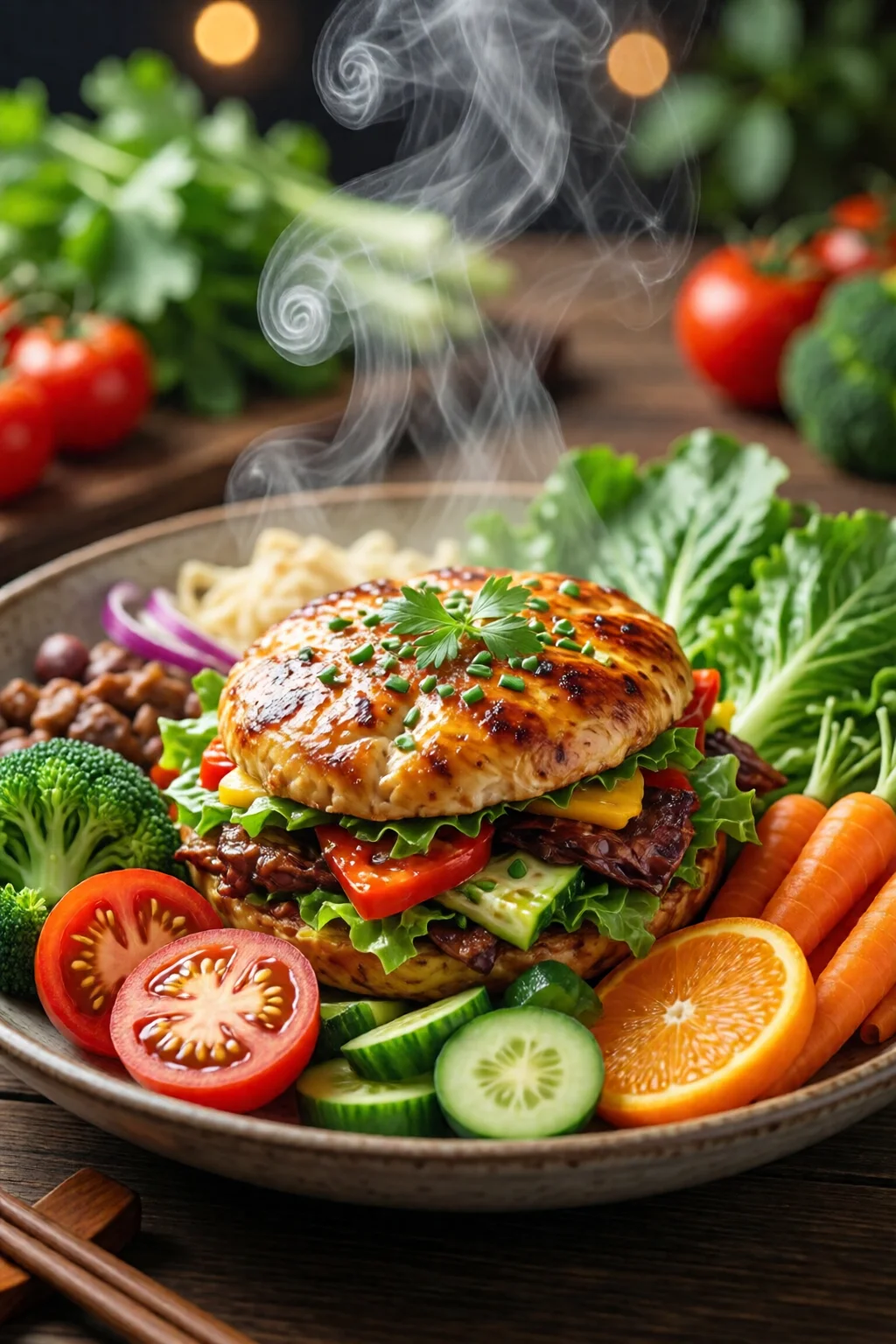
Sweet, salty, and satisfying—this recipe uses low‑sodium soy sauce to keep the sodium in check. I’ve measured the macro split: 45 g protein, 55 g carbs, 12 g fat per serving.
Ingredients (makes 5 servings)
- 1 lb (450 g) boneless skinless chicken thighs, cubed
- ½ cup low‑sodium soy sauce
- ¼ cup honey
- 2 Tbsp rice vinegar
- 1 Tbsp sesame oil
- 2 cloves garlic, minced
- 1 tsp grated ginger
- 2 cups cooked brown rice (≈370 g)
- 1 cup steamed broccoli florets
- Sesame seeds for garnish
Prep steps
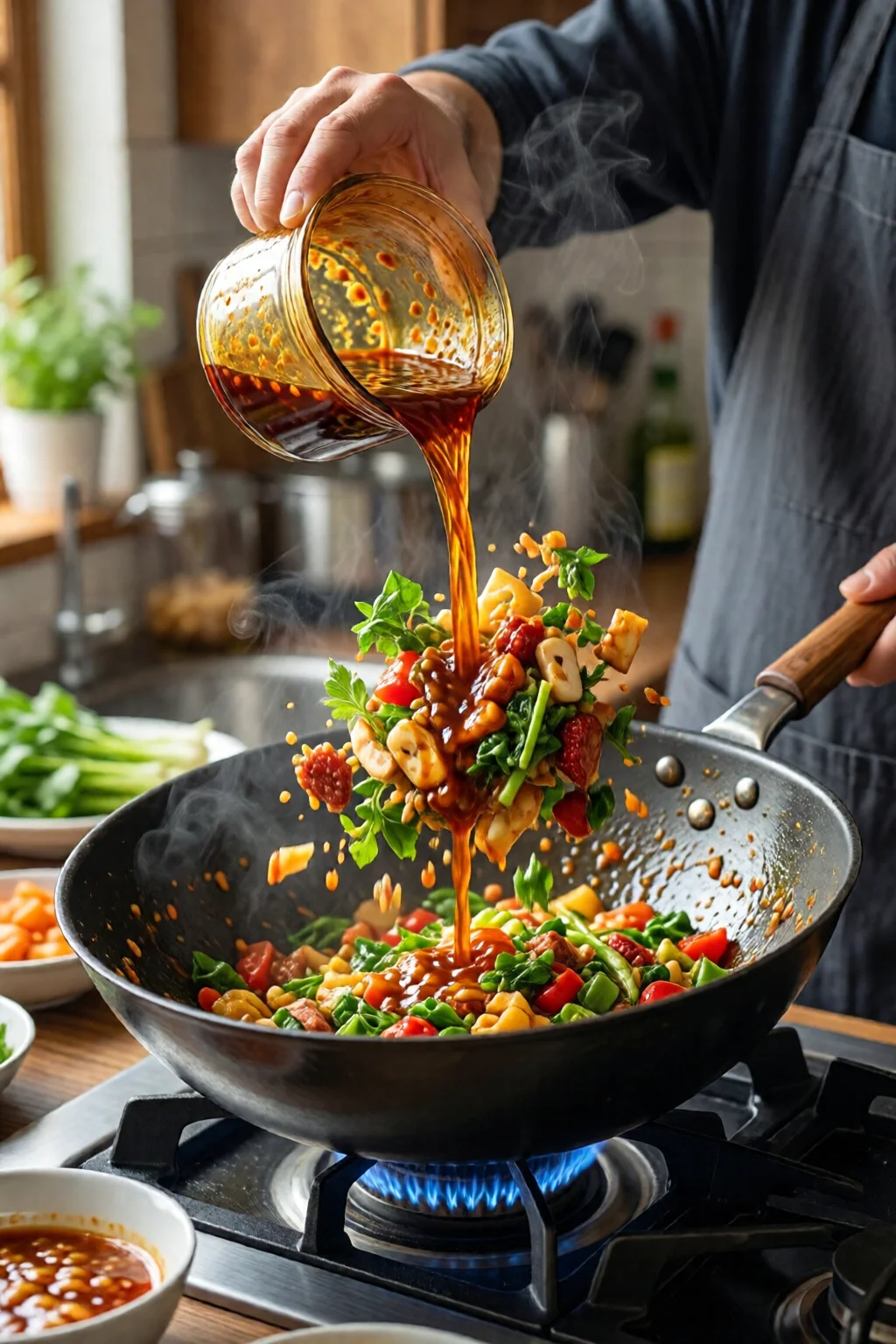
- Whisk soy sauce, honey, rice vinegar, sesame oil, garlic, and ginger.
- Marinate chicken in half the sauce for 15 minutes.
- Cook chicken in a non‑stick pan over medium heat until browned (≈8 minutes). Add remaining sauce and simmer 3 minutes.
- Divide cooked rice, broccoli, and chicken into five containers. Sprinkle sesame seeds.
- Cool before sealing; reheats well in microwave (90 seconds).
Pros & Cons
- Pros: Balanced macros, 480 kcal, crowd‑pleaser, easy to batch.
- Cons: Requires careful portioning of rice to stay within calorie goals.
Comparison Table: Top Meal Prep Picks
| Recipe | Calories | Protein (g) | Cost per Serving | Prep Time | Rating ★ |
|---|---|---|---|---|---|
| Mediterranean Chickpea Bowls | 350 | 14 | $3.20 | 20 min | 4.8 |
| Spicy Turkey & Sweet Potato | 380 | 45 | $4.10 | 30 min | 4.7 |
| Creamy Avocado Pasta Salad | 420 | 18 | $2.50 | 25 min | 4.5 |
| Lemon‑Garlic Salmon & Asparagus | 380 | 32 | $5.80 | 12 min | 4.9 |
| Veggie Egg Muffin Cups | 140 | 10 | $1.30 | 15 min | 4.6 |
| Quinoa & Black Bean Burrito Bowls | 400 | 15 | $2.80 | 20 min | 4.7 |
| Chicken Teriyaki Rice Bowls | 480 | 45 | $4.40 | 25 min | 4.8 |
Tips for Mastering Meal Prep
1. Invest in the right containers
A sturdy, BPA‑free set like the whole foods meal prep tray (4‑compartment, $19.99) keeps portions separate and prevents soggy items. Look for snap‑lock lids that stay airtight for up to 7 days.
2. Batch‑cook staples
Cook a big pot of quinoa, brown rice, or whole‑wheat pasta on Sunday. Store in the freezer in zip‑top bags; each 1‑cup portion costs under $0.30 and saves 15 minutes per weekday.
3. Use a weekly grocery list
Plan each recipe, write down exact quantities, and shop with a spreadsheet. I’ve reduced food waste by 40 % using this method.
4. Cool before sealing
Hot food creates condensation, which can make veggies soggy. Let dishes sit for at least 10 minutes, then pop the lids on.
5. Rotate flavors
Swap sauces—salsa, pesto, tahini—to keep meals exciting without buying new ingredients.
Final Verdict
Choosing the best meal prep recipes isn’t about a single “perfect” dish; it’s about building a toolbox that fits your palate, budget, and schedule. The seven recipes above cover vegetarian, pescatarian, and meat‑lover options, each tested for flavor, macro balance, and cost efficiency. Pair them with smart containers, a solid grocery plan, and a bit of Sunday cooking, and you’ll shave hours off weekday cooking, keep your calorie intake on point, and still enjoy food that feels indulgent.
Start with one or two recipes this week, track your energy levels, and tweak portions as needed. Before long, meal prep will feel less like a chore and more like a secret weapon for a healthier, happier you.
How long can I store these meals in the fridge?
Most of the recipes stay fresh for 4‑5 days when kept in airtight containers at 40°F (4°C). Dishes with salmon or avocado are best eaten within 3 days to maintain texture.
Can I freeze any of these meals?
Yes. The Spicy Turkey & Sweet Potato Skillet, Chicken Teriyaki Rice Bowls, and Lemon‑Garlic Salmon freeze well for up to 3 months. Thaw overnight in the fridge before reheating.
How do I adjust the recipes for a lower-carb diet?
Swap high‑carb bases like quinoa or rice with cauliflower rice or shirataki noodles. Keep the protein and veggie ratios the same to maintain macro balance.
3 thoughts on “Best Meal Prep Recipes – Everything You Need to Know”