Ready to transform your weekly menu with fresh, tasty, and budget‑friendly vegetarian meal prep ideas? In the next few thousand words you’ll learn exactly what tools, ingredients, and steps you need to create a fridge full of nutrient‑dense plates that keep you energized, satisfy cravings, and shave minutes off your daily cooking.
In This Article
What You Will Need (Before You Start)
- Containers: I swear by the best meal prep containers healthy weight loss recipe list – BPA‑free glass jars (32 oz, $12.99 each from Glasslock) and compartmentalized plastic trays (9‑compartment, $19.99 set from Rubbermaid).
- Kitchen gadgets: A reliable food scale (e.g., Etekcity Digital Kitchen Scale, 11 lb capacity, $14.95), a sharp chef’s knife, a mandoline slicer, and a large non‑stick sauté pan (30 cm, $34.99 from All‑Clad).
- Pantry staples: Quinoa, brown rice, lentils, canned chickpeas, olive oil, soy sauce, nutritional yeast, and a selection of spices (cumin, smoked paprika, turmeric).
- Fresh produce: A mix of color – broccoli crowns (1 lb, $2.49), bell peppers (3‑pack, $3.99), carrots (1 lb, $1.29), baby spinach (5 oz, $2.79), and seasonal fruit for snacks.
- Protein boosters: Firm tofu (14 oz, $2.79), tempeh (8 oz, $3.49), Greek yogurt (plain, 5.3 oz, $1.25), and a scoop of plant‑based protein powder (20 g protein, $1.10 per serving).
- Planning tools: A printable weekly template (downloadable from my site) and the calorie deficit calculator to nail your macro goals.
Step‑by‑Step Tutorial
Step 1 – Define Your Caloric & Macro Targets
Open the calorie deficit calculator, input your age, weight, activity level, and goal (e.g., lose 0.5 lb/week). For a 150‑lb active woman, the tool typically suggests ~1,650 kcal/day with a macro split of 45 % carbs, 30 % protein, 25 % fat. Write these numbers on your weekly template – they become the compass for every meal you assemble.
Step 2 – Choose Your Core Carbohydrate Base
Batch‑cook 2 cups of quinoa (uncooked) and 3 cups of brown rice. That yields roughly 12 servings (≈½ cup cooked each). Quinoa is a complete protein (8 g per cup cooked) and costs about $0.70 per serving. Store in airtight glass jars; label with date.
Step 3 – Prepare High‑Protein Plant Foods
While the grains simmer, press a block of tofu for 15 minutes to remove excess water. Cut into 1‑inch cubes, toss with 1 tbsp soy sauce, ½ tsp smoked paprika, and 1 tsp sesame oil. Roast at 400°F for 20 minutes – you’ll get ~10 g protein per ½ cup portion, and the cost is under $0.25 per serving.
Simultaneously, steam 1 lb of edamame (frozen, $1.99) – a protein powerhouse (17 g per cup). Portion into 4 containers for quick snack or salad topping.
Step 4 – Build Your Veggie Palette
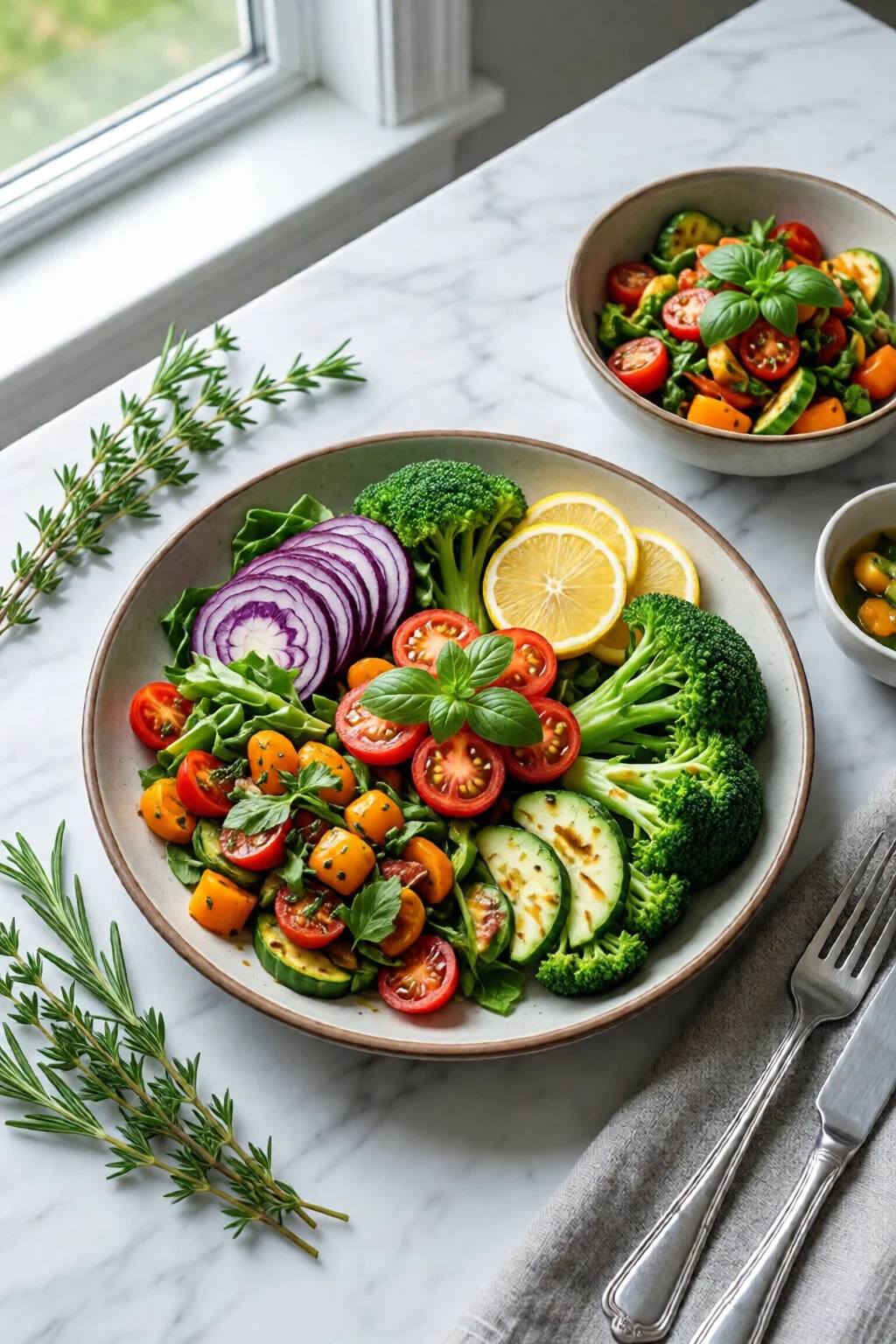
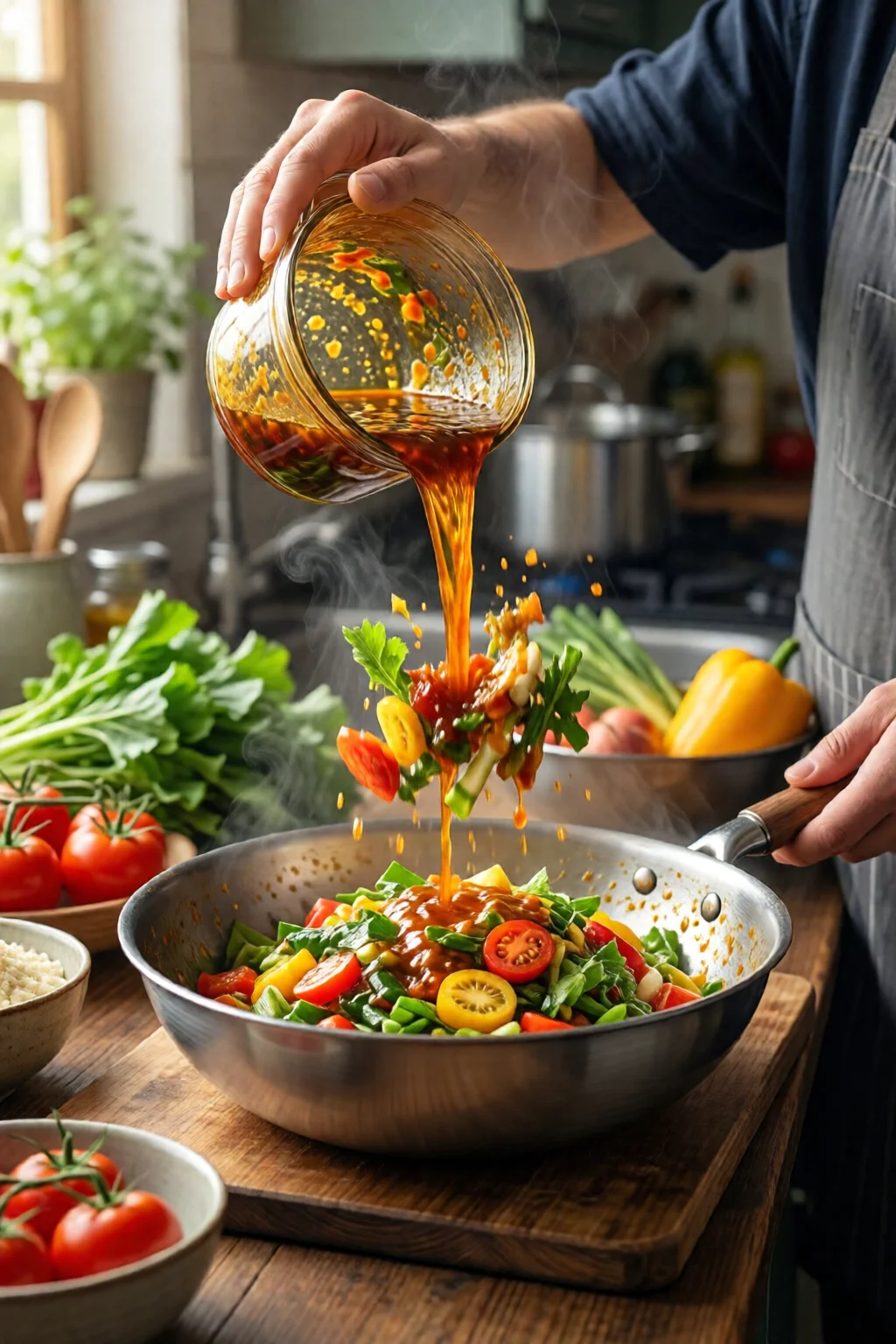
Stir‑fry a medley: 2 cups broccoli florets, 1 cup sliced bell peppers, ½ cup shredded carrots, and 2 tbsp minced garlic in 1 tbsp avocado oil. Add 1 tsp cumin and a pinch of sea salt. Cook for 5‑7 minutes until crisp‑tender. This yields about 6 servings, each delivering ~4 g fiber and a burst of color.
Step 5 – Assemble Balanced Lunch Boxes
For each of the 5 weekday lunches, use a compartment tray:
- Base: ½ cup cooked quinoa (≈110 kcal).
- Protein: ½ cup roasted tofu (≈95 kcal).
- Veggies: ½ cup stir‑fry (≈45 kcal).
- Healthy fat: 1 tsp olive oil drizzle (≈40 kcal) or a quarter avocado sliced.
- Flavor boost: 1 tbsp nutritional yeast (≈20 kcal, B‑vitamins).
Total per lunch ≈ 310 kcal, 20 g protein, 35 g carbs, 12 g fat. Adjust portions up or down to hit your daily macro budget.
Step 6 – Craft Quick Breakfast Options
Mix ¾ cup rolled oats with 1 cup almond milk, 1 tbsp chia seeds, ½ cup frozen berries, and a scoop of vanilla plant protein powder. Portion into a 32 oz glass jar; refrigerate overnight. In the morning you have a ready‑to‑eat bowl (~350 kcal, 25 g protein).
Step 7 – Snack Smart
Combine 1 cup Greek yogurt with 1 tbsp honey and a sprinkle of cinnamon for a creamy treat (~150 kcal, 12 g protein). Pair with a handful of roasted almonds (¼ cup, $0.60) for sustained energy.
Step 8 – Dinner – One‑Pan Plant‑Based Power Bowls
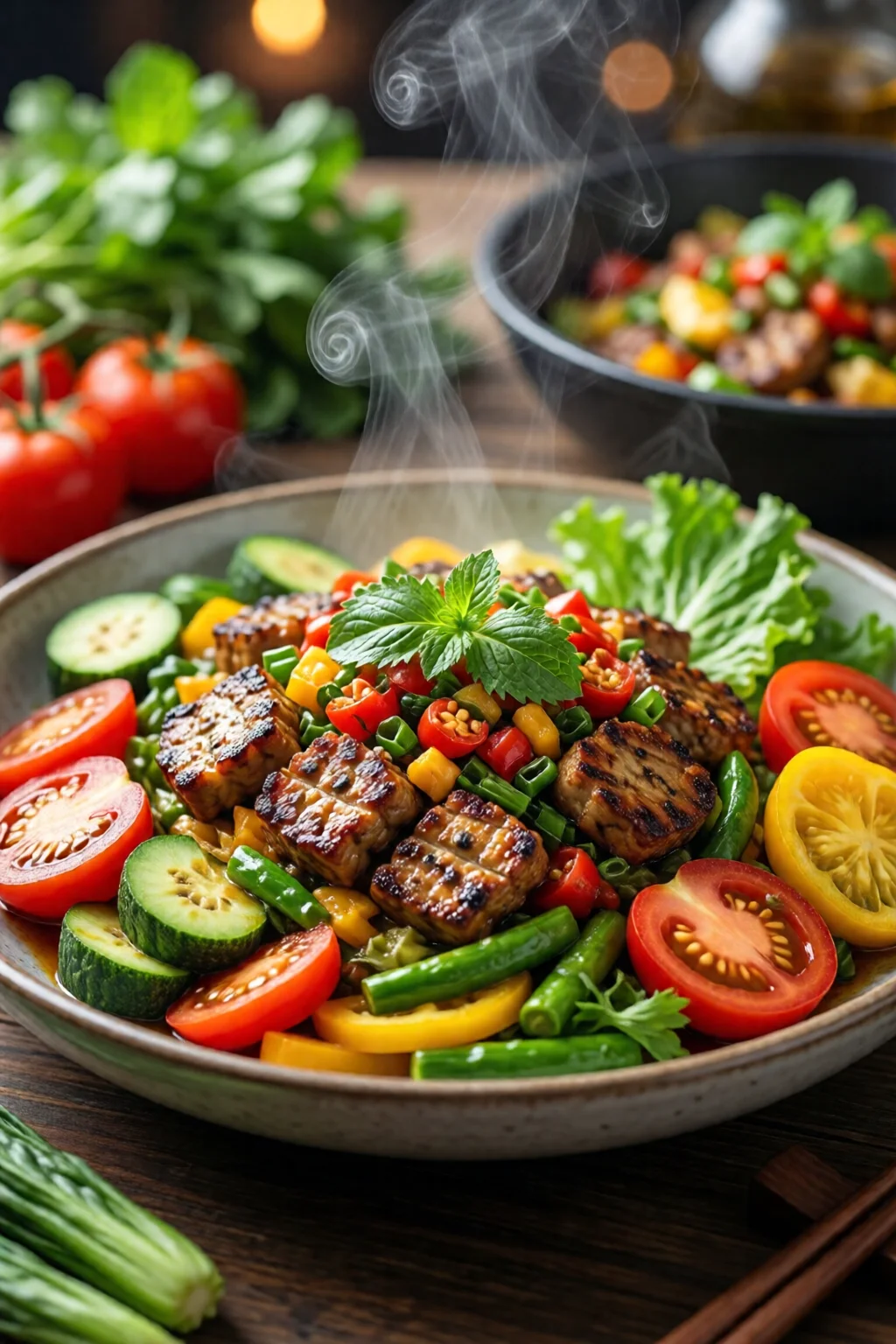
On Monday, start with a sheet pan: line 1 lb sliced sweet potatoes, 1 lb cauliflower florets, and ½ lb tempeh cubes. Toss with 2 tbsp olive oil, 1 tsp rosemary, and a dash of sea salt. Roast 25 minutes at 425°F, then finish with a drizzle of tahini‑lemon sauce (1 tbsp tahini, 1 tsp lemon juice, water to thin). Each serving provides ~450 kcal, 22 g protein, and loads of beta‑carotene.
Step 9 – Store & Reheat Efficiently
Let everything cool to room temperature before sealing containers – this prevents condensation and soggy veggies. For reheating, use the microwave (1‑minute high, stir halfway) or a skillet (add a splash of water to steam). Glass containers are microwave‑safe and won’t leach chemicals.
Common Mistakes to Avoid
- Skipping the scale: Estimating portion sizes by eye can lead to 20‑30 % calorie drift. A cheap digital scale keeps you on target.
- Over‑cooking greens: Boiling spinach for too long destroys nutrients and makes it watery. Quick sauté or steam for 2‑3 minutes preserves texture.
- Neglecting protein variety: Relying solely on tofu can cause taste fatigue. Rotate with tempeh, lentils, and Greek yogurt to keep meals interesting.
- Using low‑quality containers: Thin plastic can warp in the microwave, leaking sauce into your fridge. Invest in the glass jars I mentioned earlier.
- Forgetting seasoning: Plant‑based meals need bold flavors. A pinch of umami (nutritional yeast, miso paste) or a splash of sriracha can transform a bland bowl.
Tips for Best Results (Troubleshooting)
Meal freshness: Add fresh herbs (cilantro, basil) just before eating to avoid wilt. Store herbs in a small water jar with a plastic bag over the top.
Adjusting macros on the fly: If a day feels low on protein, sprinkle extra roasted chickpeas (½ cup = 10 g protein, $0.30) onto your lunch. If carbs are high, swap half the quinoa for cauliflower rice (≈30 kcal per cup).
Budget hacks: Buy beans and lentils in bulk ($1.20 per lb) and cook a big pot at the start of the month. Freeze portions in zip‑top bags; they last up to 6 months.
Time‑saving shortcuts: Use pre‑washed salad mixes (e.g., Dole Spring Mix, $3.49 for 5 cups) and pre‑cut veggies from the produce aisle (often $2‑$3 per bag) when you’re short on prep time.
Flavor rescue: If a dish is too bland after reheating, stir in a teaspoon of soy sauce, a squeeze of lime, or a drizzle of hot honey. The extra 5‑10 kcal are negligible compared to the taste upgrade.
Summary & Next Steps
By following this step‑by‑step system you’ll have:
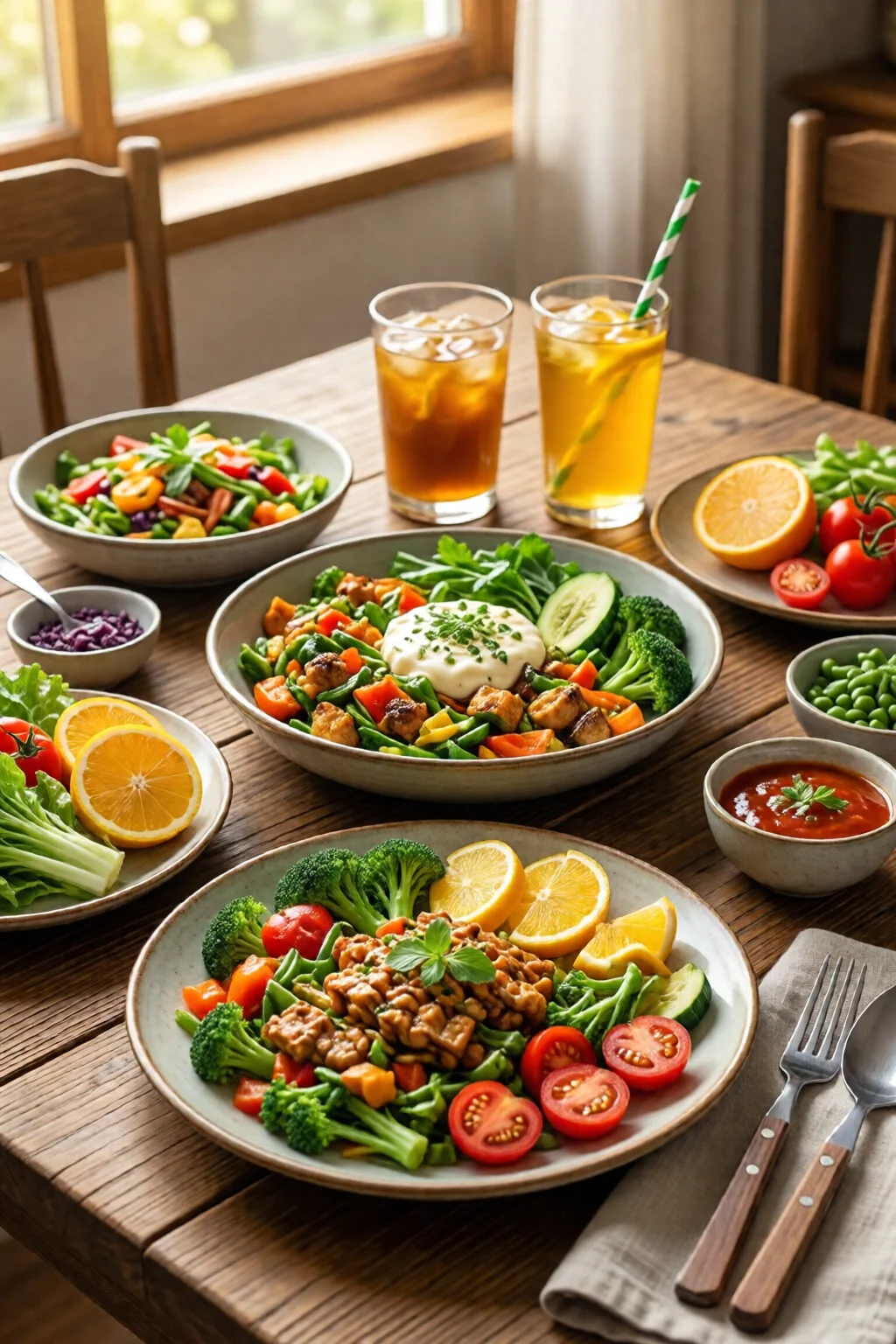
- 7 days of balanced lunches and breakfasts ready in under 2 hours of prep.
- Consistent protein intake (≥ 90 g/day) without meat.
- Cost savings of roughly $30‑$45 per week versus take‑out.
- Portion control that aligns with your calorie deficit goals.
Take the template, shop the list, and set a timer for each prep stage. In two weeks you’ll notice steadier energy, less grocery‑store stress, and a slimmer waistline. Need more inspiration? Check out our healthy dinner ideas guide or the vegetarian meal prep ideas complete guide 2026 2 for seasonal twists.
How many meals can I prepare in one batch?
A typical 2‑hour session yields 5 lunches, 5 breakfasts, and 3 dinner components, enough for a full week if you rotate the dinners.
Can I use this plan if I’m vegan?
Absolutely—swap Greek yogurt for soy or coconut yogurt, and choose a plant‑based protein powder. The macro ratios stay the same.
What’s the best way to store cooked grains?
Cool them to room temperature, then pack into 32‑oz glass jars with a tight‑fit lid. They keep fresh for up to 5 days in the fridge.
How can I keep my meals from getting soggy?
Separate sauces from veggies until you’re ready to eat. Use a small compartment or a squeeze bottle to add dressing right before the meal.
Do I need a separate container for each meal?
Not necessarily. Compartment trays work well for lunches, while larger glass jars are perfect for breakfasts and soups. Just keep portions consistent.