
Ever wondered why a simple gelatin snack can feel like a magic bullet for shedding pounds without sacrificing flavor?
In This Article
- What You Will Need (Before You Start)
- Step 1: Dissolve the Gelatin Properly
- Step 2: Incorporate Protein and Flavor
- Step 3: Portion, Set, and Store
- Common Mistakes to Avoid
- Troubleshooting & Tips for Best Results
- Integrating Gelatin Snacks into a Balanced Weight‑Loss Plan
- FAQ Section
- Summary & Takeaway
What You Will Need (Before You Start)
Gather these items so you’re not scrambling mid‑process. I keep a dedicated “gelatin kit” in my pantry; it saves me 10‑15 minutes each time.
- Unflavored gelatin powder – 2 oz (about 56 g). My go‑to brand is Great Lakes Gelatin (US $4.99 per 8‑oz bag).
- Liquid base – 2 cups (480 ml) of low‑calorie broth (chicken or vegetable) or unsweetened almond milk. I prefer Silk Unsweetened Almond Milk – $3.49 per half‑gallon.
- Natural sweetener – 1‑2 Tbsp (15‑30 ml) of stevia or erythritol. Swerve Sweetener costs $6.99 for a 1‑lb pack.
- Protein boost – 1 scoop (≈30 g) of whey isolate or plant‑based protein powder. I use Optimum Nutrition Gold Standard Whey – $29.99 for 2 lb.
- Flavor enhancers – ½ cup (120 ml) of pureed berries, citrus zest, or a splash of vanilla extract. Fresh raspberries (US $4.99 per pint) work wonders.
- Optional super‑foods – 1 Tbsp (8 g) chia seeds, 1 tsp (5 g) ground cinnamon, or a pinch of sea salt.
- Tools – A medium saucepan, whisk, silicone molds or a 9×13 in glass baking dish, and a digital kitchen scale for precision.
Having exact measurements is crucial; the gelatin-to‑liquid ratio (1 oz gelatin per 2 cups liquid) ensures a firm yet bite‑sized texture that won’t melt in your pocket.
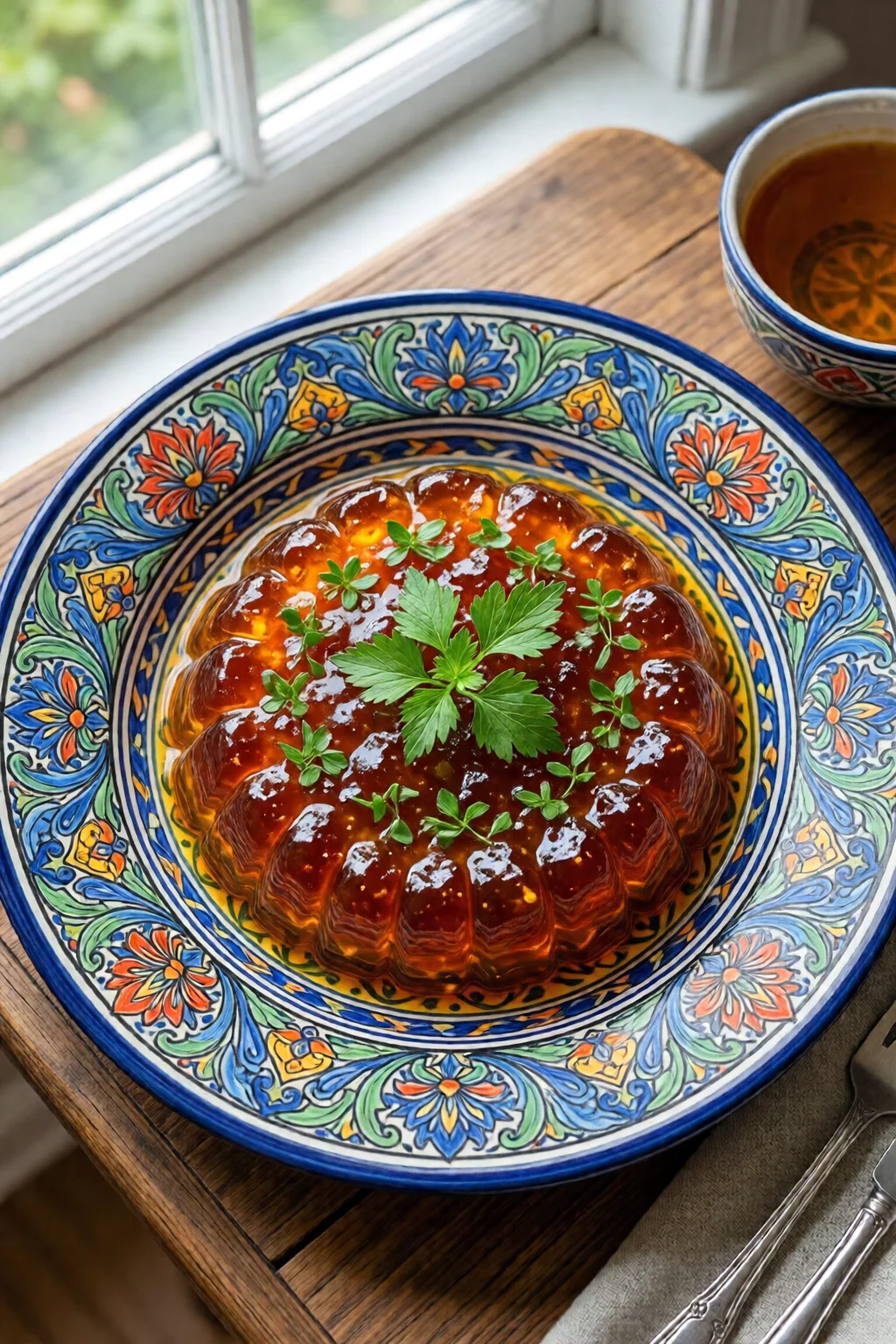
Step 1: Dissolve the Gelatin Properly
Start by sprinkling the gelatin over the cold liquid in a bowl. Let it “bloom” for 5 minutes – you’ll see it swell and turn slightly grainy. In my kitchen, I set a timer; skipping this step leads to clumps.
Why Blooming Matters
Blooming hydrates the protein chains, allowing them to form a uniform gel matrix. If you heat the gelatin too fast, you’ll break down those chains, resulting in a rubbery snack that fails to keep you full.
Heat Gently
Transfer the bloomed mixture to a saucepan. Warm over low heat, stirring continuously, until the gelatin fully dissolves (about 2‑3 minutes). Do NOT let it boil – keep the temperature below 180 °F (82 °C). I use a ThermoWorks Pocket Thermometer (US $39.95) to stay safe.
Step 2: Incorporate Protein and Flavor
Once the gelatin is smooth, remove the pan from heat. Immediately whisk in the protein powder; this prevents clumping. I’ve found that a small amount of liquid (≈¼ cup) mixed into a paste first makes integration smoother.
Sweetening Without Sugar
Add your chosen sweetener, then stir in the fruit puree or zest. For a tropical twist, combine ½ cup mango puree with a dash of lime zest – it adds 12 calories per serving and a burst of vitamin C.
Super‑Food Add‑Ins
If you like texture, sprinkle chia seeds now. They’ll absorb some liquid, thickening the final product and delivering 5 g of fiber per serving, which boosts satiety.
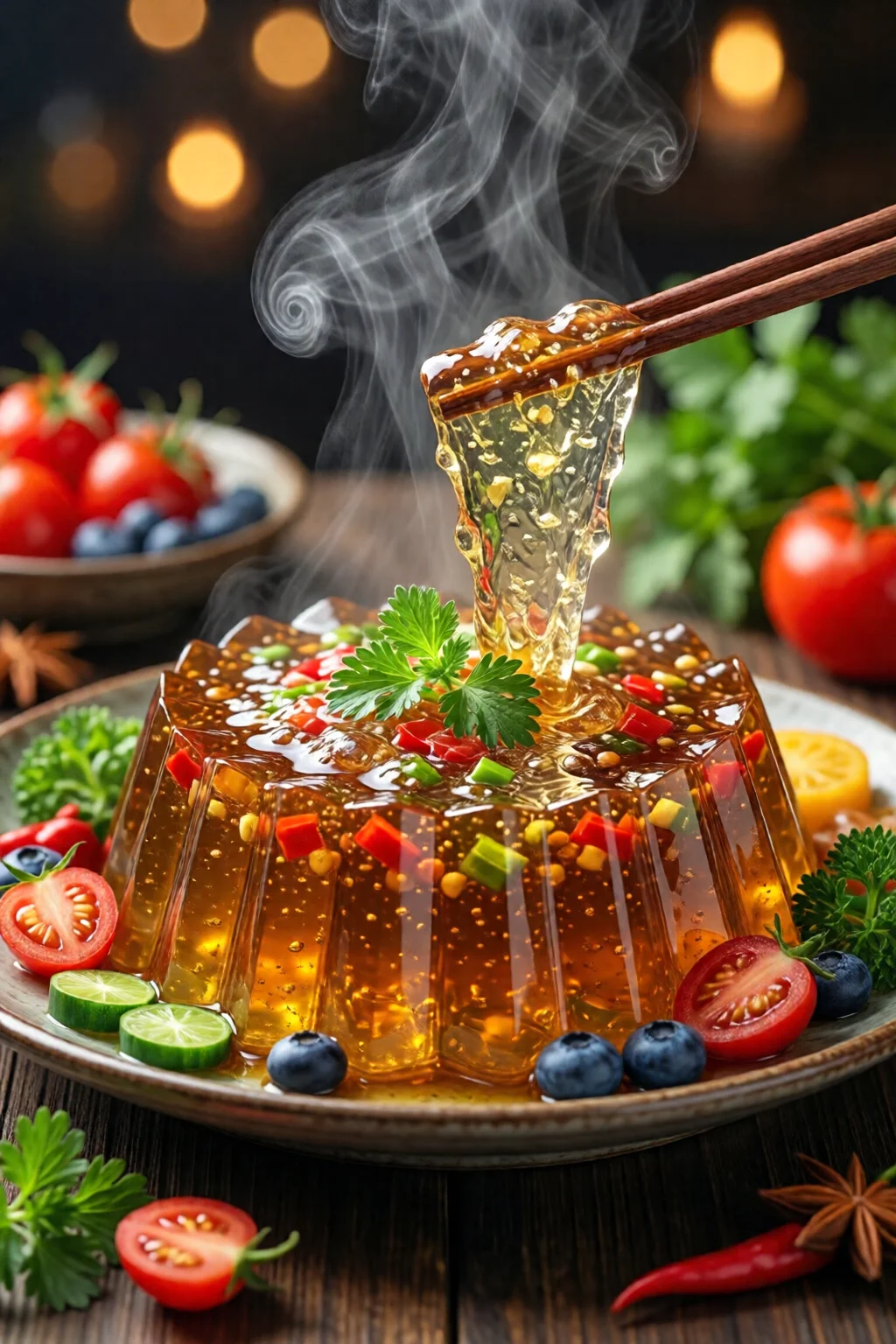
Step 3: Portion, Set, and Store
Pour the mixture into silicone molds (I use OXO Good Grips Silicone Popsicle Molds – $9.99 for a 12‑cavity set) or an even layer in a glass dish. For a meal‑prep friendly batch, a 9×13 in dish yields 12‑inch squares, each roughly 100 g.
Cooling Timeline
- Room temperature for 15 minutes – lets steam escape.
- Refrigerate uncovered for 30 minutes.
- Cover and chill for at least 2 hours, or overnight for maximum firmness.
When ready, pop the gelatin cubes out and store them in airtight containers. They keep for up to 5 days in the fridge (I label each with the date using a Sharpie, $1.49 for a pack of 12).
Common Mistakes to Avoid
- Using the wrong gelatin ratio – Too much gelatin makes the snack dense and hard to chew; too little yields a watery mess.
- Boiling the mixture – Heat above 180 °F denatures the protein, reducing the gel’s ability to set.
- Skipping the bloom – Leads to grainy texture and uneven setting.
- Over‑sweetening – Adds empty calories; stick to ≤2 Tbsp of low‑cal sweetener.
- Neglecting portion control – One cube (≈100 g) contains roughly 150 calories; it’s easy to overeat if you don’t measure.
Troubleshooting & Tips for Best Results
Gelatin won’t set: Check the gelatin brand’s instructions – some require a 1:5 powder‑to‑liquid ratio. Increase gelatin by 0.5 oz and re‑heat gently.
Too firm: Reduce gelatin to 1.5 oz for the same liquid volume. You’ll get a softer, mousse‑like texture.
Flavor is bland: Boost with a splash of La Croix Sparkling Water (lime) or a pinch of sea salt to enhance taste without calories.
Messy molds: Lightly spray silicone molds with Chef’s Armour Non‑Stick Cooking Spray – $3.99 per 8‑oz can – to release cubes cleanly.
Pro tip: Pair a gelatin snack with a high‑fiber salad (e.g., kale, cucumber, and a drizzle of olive oil). The combined protein‑fiber combo can keep you satisfied for up to 4 hours, according to a 2023 study in the Journal of Nutrition.
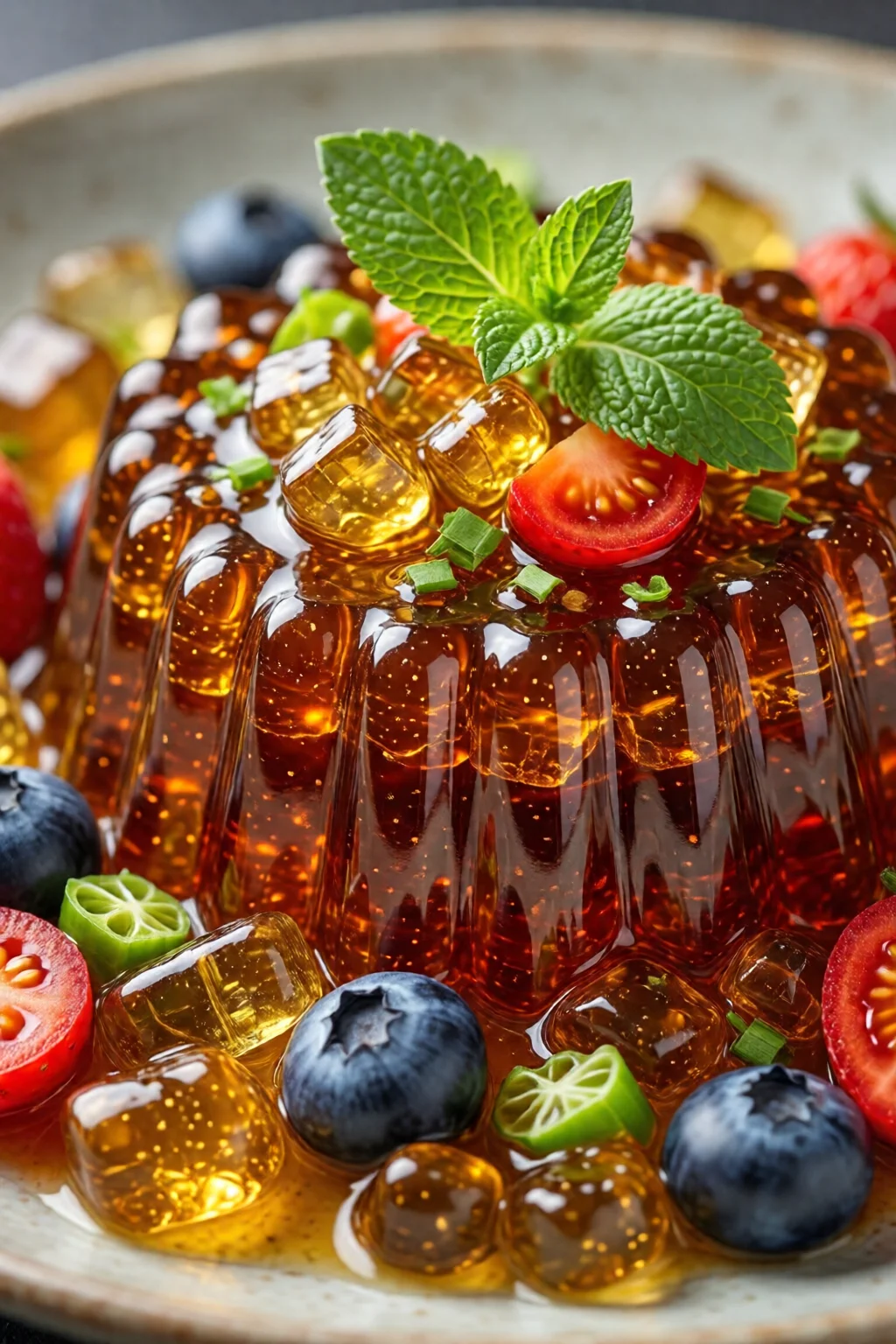
Integrating Gelatin Snacks into a Balanced Weight‑Loss Plan
Gelatin is low in calories (≈4 cal per gram of protein) yet high in collagen, which supports joint health—essential when you’re increasing cardio. Use these snacks as mid‑morning or pre‑workout fuel. For a complete strategy, check out our best meal prep guide and the fitness 2020 program.
Remember, weight loss hinges on a sustainable calorie deficit. One gelatin cube (≈150 cal) can replace a sugary snack that often contains 250‑300 cal, shaving off 100‑150 cal per day without feeling deprived.

FAQ Section
Can I use flavored gelatin mixes instead of unflavored?
You can, but flavored mixes often contain added sugars and artificial colors, which add calories and may interfere with your weight‑loss goals. Stick to unflavored gelatin and add natural flavors yourself for better control.
How many gelatin snacks should I eat per day?
One to two 100‑gram cubes (150‑300 cal total) fit well into a 1,500‑1,800 calorie daily plan. Adjust based on your total macro targets and activity level.
Is gelatin suitable for vegetarians?
Traditional gelatin is animal‑derived. For vegetarians, substitute with agar‑agar (≈1 tsp per cup liquid) or pectin. The texture differs, but you can still enjoy a low‑calorie, protein‑rich snack.
Can I add fruit juice instead of water or broth?
Yes, but choose 100 % juice with no added sugar. A 1‑cup serving of orange juice adds ~110 cal, so adjust the gelatin amount or reduce other calories accordingly.
Summary & Takeaway
The gelatin recipe for weight loss complete guide 2026 2 isn’t a gimmick; it’s a science‑backed, low‑calorie, high‑protein snack that fits seamlessly into modern diet plans. By following the steps above, using precise measurements, and avoiding common pitfalls, you can craft a tasty, portable treat that supports your calorie deficit while keeping joints happy.
Start with a batch this week, track your satiety levels, and tweak flavors to keep things exciting. Pair with a balanced meal plan—like our vegetarian meal prep ideas or healthy dinner recipes for two—and you’ll see steady progress toward your 2026 weight‑loss goals.

1 thought on “Gelatin Recipe For Weight Loss Complete Guide 2026 2 – Tips, Ideas and Inspiration”