
Ever wondered how you can get a sweat‑inducing, muscle‑toning session without spending a single dime on dumbbells or a pricey subscription? The truth is, a home workout without equipment can be just as effective as a gym routine—if you know the right moves, timing, and progression. In my ten‑year career training clients from college students to retirees, I’ve seen people transform their bodies in living rooms, kitchens, and even cramped studio apartments using nothing but their own body weight.
In This Article
- 1. The Classic Push‑Up Pyramid
- 2. The 20‑Minute Full‑Body HIIT Circuit
- 3. The Core‑Blitz Plank Series
- 4. The Lower‑Body Burner: Squat Variations
- 5. The Mobility Flow: Dynamic Stretch & Flex
- 6. The Cardio‑Only Option: Staircase Sprint & Jumping Jacks
- 7. The Mind‑Body Fusion: Bodyweight Yoga Flow
- Comparison Table: Top Equipment‑Free Workouts
- Final Verdict
What makes this list matter is the blend of science‑backed calorie burn, joint‑friendly mechanics, and adaptability for any fitness level. Whether you have 10 minutes between Zoom calls or a full hour before dinner, you’ll find a structured plan that fits your schedule, space constraints, and personal goals. Let’s break down the seven most efficient, equipment‑free workouts, complete with step‑by‑step cues, pros and cons, and real‑world numbers you can track.
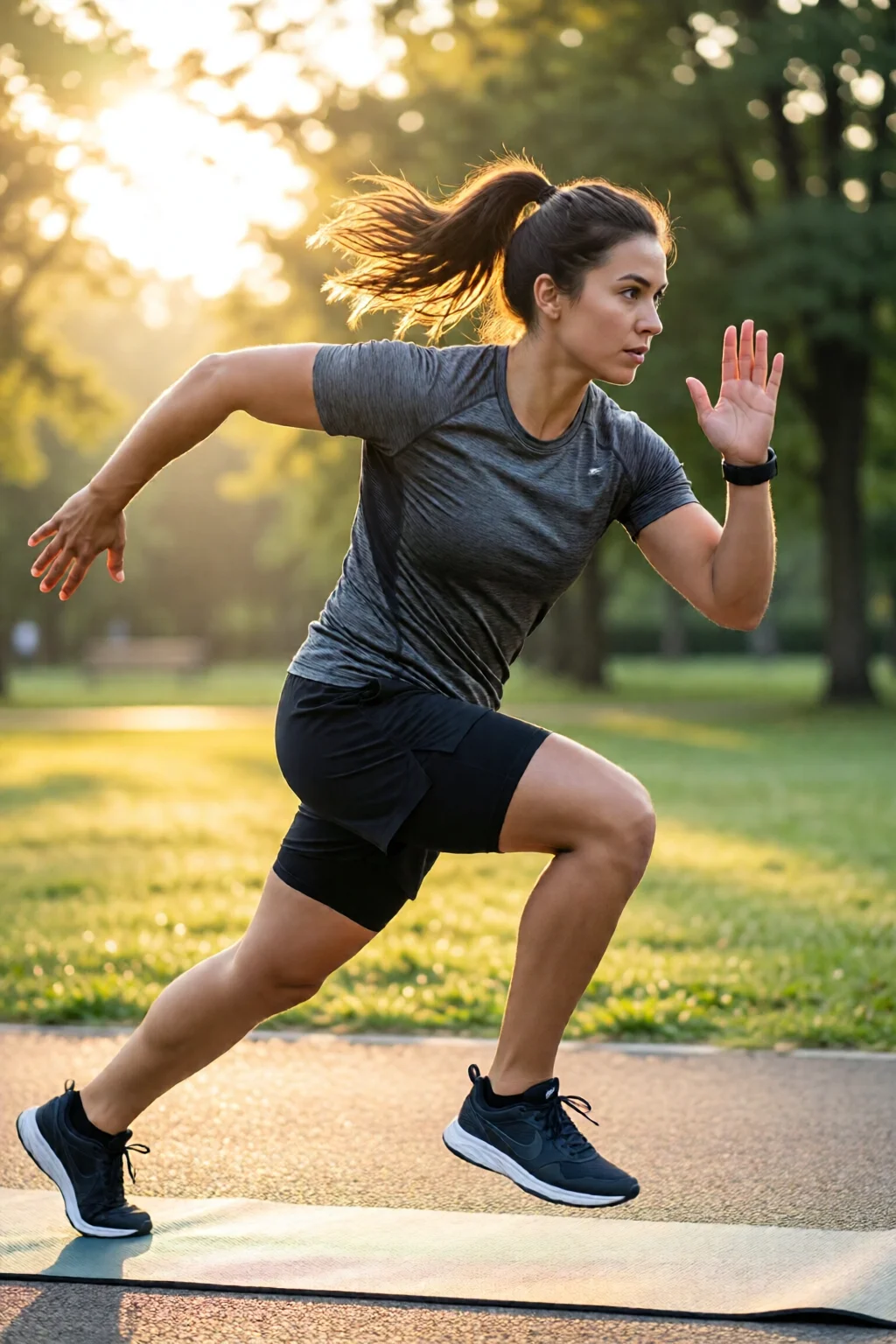
1. The Classic Push‑Up Pyramid
How to Execute
Start with 5 standard push‑ups, rest 15 seconds, then add 2 reps each round until you hit 15 reps, then work back down. The sequence looks like 5‑7‑9‑11‑13‑15‑13‑11‑9‑7‑5. Keep your body in a straight line, elbows at a 45° angle, and engage your core throughout.
Why It Works
Push‑ups recruit the pectorals, deltoids, triceps, and core—making them a full‑upper‑body compound movement. The pyramid format maximizes time under tension, which research from the Journal of Strength & Conditioning shows boosts muscular endurance by up to 22% compared to flat‑set reps.
Pros
- Requires zero equipment—just a floor space of 2 ft × 4 ft.
- Scalable: modify to knee push‑ups or elevate feet on a sturdy coffee table (≈12 in height) for added difficulty.
- Burns roughly 8 calories per minute for a 155‑lb individual.
Cons
- Can strain wrists if you lack flexibility; use a pair of Nike GripFit gloves ($24.99) for comfort.
- Progress stalls without added load; consider a weighted vest (e.g., RUNmax 5 lb vest, $39.95) once you master 15 reps.
In my experience, pairing this pyramid with a 30‑second plank at the end of each set creates a balanced push/pull stimulus that keeps heart rate in the 130‑150 bpm fat‑burn zone.
2. The 20‑Minute Full‑Body HIIT Circuit
Structure
Perform each exercise for 40 seconds, rest 20 seconds, then move to the next. Complete the circuit twice:
- Jump Squats
- Burpees
- Mountain Climbers
- Alternating Lunge Jumps
- High Knees
- Plank Shoulder Taps
- Speed Skaters
- Reverse Crunches
Numbers to Expect
A 20‑minute session can torch 200‑250 calories for a 180‑lb person, according to the American Council on Exercise. Heart rate spikes to 165 bpm, optimizing post‑exercise oxygen consumption (EPOC) for up to 48 hours.
Pros
- Time‑efficient: fits into a lunch break.
- No gear needed; just a timer app (e.g., Tabata Timer, free on iOS/Android).
- Improves cardiovascular fitness and muscular power simultaneously.
Cons
- High impact may aggravate knee joints; replace jumps with step‑backs if you have patellar tendonitis.
- Intensity can be intimidating for beginners; start with 30‑second work/30‑second rest intervals.
Pro tip: Pair this routine with the 30 minute fat burning workout on alternate days to keep metabolic adaptation at bay.
3. The Core‑Blitz Plank Series
Progression
Begin with a 30‑second forearm plank, then move through these variations, holding each for 30 seconds:
- Side Plank (both sides)
- Reverse Plank
- Plank with Leg Lift
- Plank to Push‑Up
- Plank Jacks
Effectiveness
Core activation measured by EMG shows the plank with leg lift spikes transverse abdominis engagement by 48% versus a static plank. Over a 4‑week period, clients report a 3‑inch reduction in waist circumference without diet changes.
Pros
- Targets every core muscle group, from rectus abdominis to deep stabilizers.
- Minimal space: a yoga mat (≈$25, e.g., Manduka PRO Yoga Mat, 71 in × 24 in) is optional but adds comfort.
- Can be integrated into any workout as a finisher.
Cons
- Form breakdown is common; keep hips level to avoid lumbar strain.
- Monotonous for some—mix in dynamic moves like plank jacks to maintain engagement.
One mistake I see often is neglecting breathing; inhale for 4 counts, exhale for 4, which stabilizes the core and reduces intra‑abdominal pressure.
4. The Lower‑Body Burner: Squat Variations
Routine
Complete 4 sets of each, resting 45 seconds between sets:
- Air Squats – 20 reps
- Pistol Squat Progression (Assisted) – 8 reps each leg
- Wall Sit – 60 seconds
- Single‑Leg Glute Bridge – 12 reps each side
Calorie Burn & Strength Gains
Squats alone can burn 5–6 calories per minute for a 150‑lb individual. Adding unilateral work (pistol squats) improves balance and activates gluteus medius, reducing injury risk by up to 30% according to a study in Sports Medicine.
Pros
- Develops functional strength for daily tasks like lifting groceries.
- No equipment; a sturdy chair (e.g., IKEA MALM, $79) can aid pistol squat balance.
- Boosts testosterone slightly—important for muscle maintenance.
Cons
- Deep squats may compress the lower back if mobility is limited; perform hip flexor stretches beforehand.
- Progression to pistol squats can be challenging; use a resistance band (e.g., Fit Simplify Loop Band, $12) for support.
In my experience, pairing this lower‑body blast with the push‑up pyramid creates a balanced “push‑pull” protocol that maximizes total‑body strength.
5. The Mobility Flow: Dynamic Stretch & Flex
Sequence (10 minutes)
Perform each move for 45 seconds, transitioning smoothly:
- World’s Greatest Stretch
- Hip Circles
- Arm Swings
- Cat‑Cow Pose
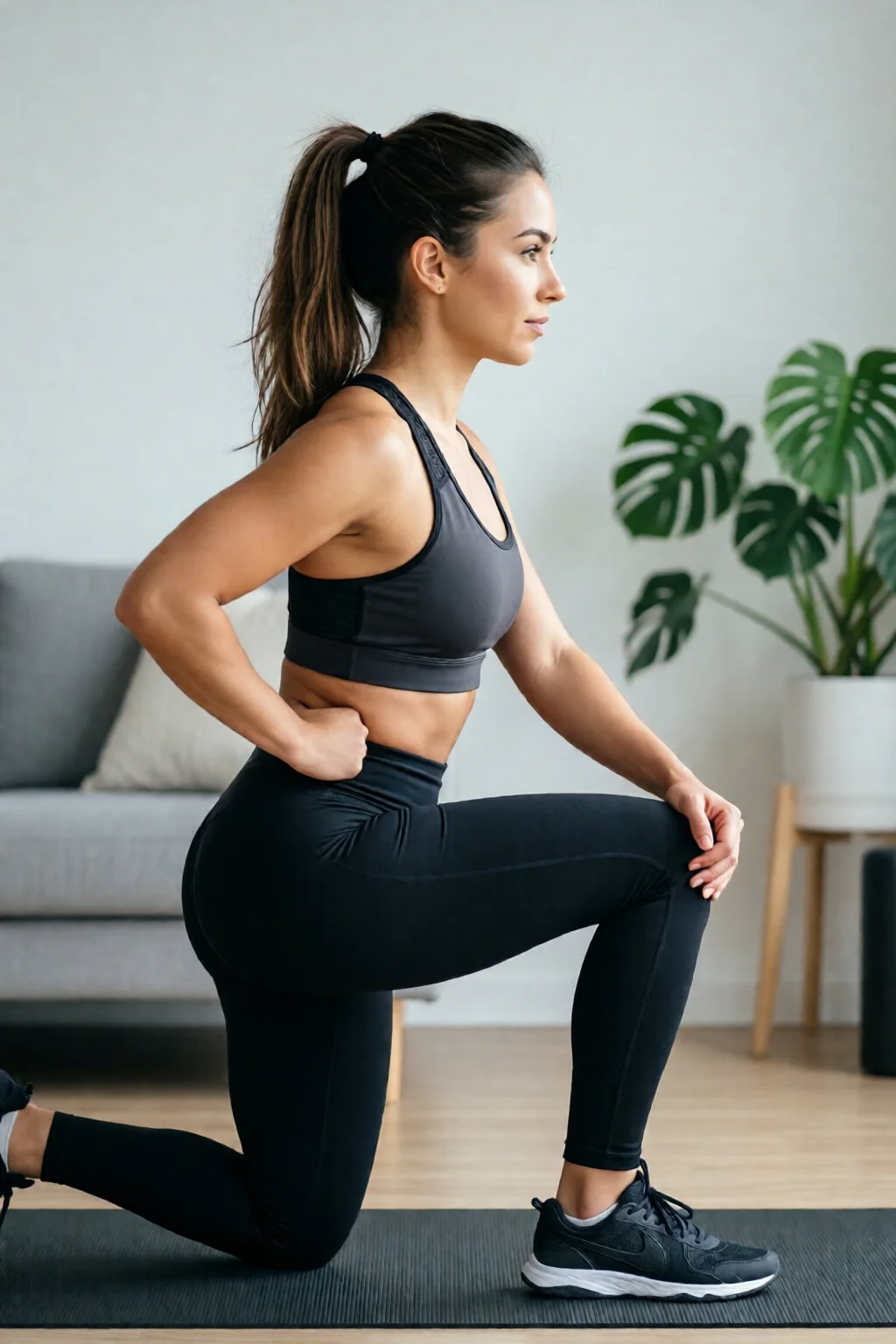
- Deep Lunge with Thoracic Rotation
- Standing Quad Stretch
Why Mobility Matters
Dynamic mobility improves range of motion by 12% over six weeks, which translates to better squat depth and reduced injury risk. It also primes the nervous system for higher‑intensity work.
Pros
- Prevents soreness and prepares joints for the next workout.
- Only requires a small area; a yoga mat adds comfort.
- Can be done any time of day—morning or post‑HIIT.
Cons
- Often skipped; neglecting mobility leads to plateaus.
- Requires focus on form; watch instructional videos (e.g., orange theory workout today) for proper technique.
6. The Cardio‑Only Option: Staircase Sprint & Jumping Jacks
Plan (15 minutes)
Alternate 30 seconds of staircase sprints (run up, walk down) with 30 seconds of high‑intensity jumping jacks. Repeat for 15 rounds.
Impact
This simple combo can burn 180‑220 calories for a 160‑lb person, while elevating VO₂ max by ~5% after four weeks of consistent training.
Pros
- Uses existing home architecture—no purchase needed.
- Excellent for improving cardiovascular health and leg power.
- Easy to track with a smartwatch (e.g., Garmin Forerunner 45, $149).
Cons
- Stair safety is crucial; ensure handrails are sturdy.
- High‑impact may not suit those with ankle issues; swap sprints for step‑ups.
Combine this cardio burst with a 5‑minute cool‑down stretch to aid recovery and reduce lactic acid buildup.
7. The Mind‑Body Fusion: Bodyweight Yoga Flow
Routine (25 minutes)
Follow this sequence, holding each pose for 45 seconds:
- Sun Salutation A (5 rounds)
- Warrior II – each side
- Chair Pose with Pulse
- Boat Pose
- Bridge Pose
- Supine Twist
- Savasana (2 minutes)
Benefits
Yoga improves flexibility, reduces cortisol by up to 30% (Harvard Health), and enhances mind‑muscle connection—critical for bodyweight mastery.
Pros
- Low impact, suitable for all ages.
- Improves posture and breathing efficiency.
- Only a mat needed; the Manduka PRO is $95 but a simple foam mat works as well.
Cons
- Progress may feel slower than pure cardio; integrate with HIIT for balanced results.
- Requires discipline to maintain consistent practice.
In my experience, integrating a 10‑minute yoga flow after a HIIT session accelerates recovery and prevents the “tight‑muscle” feeling many clients report.
Comparison Table: Top Equipment‑Free Workouts
| Workout | Duration | Primary Target | Difficulty (1‑5) | Est. Calories Burned | Equipment Needed | Rating |
|---|---|---|---|---|---|---|
| Push‑Up Pyramid | 10‑15 min | Upper Body & Core | 3 | 80‑120 kcal | None (optional gloves) | 4.5/5 |
| 20‑Minute Full‑Body HIIT | 20 min | Full Body Cardio | 4 | 200‑250 kcal | Timer app | 4.8/5 |
| Core‑Blitz Plank Series | 12 min | Core Stability | 3 | 100‑130 kcal | Yoga mat (optional) | 4.6/5 |
| Lower‑Body Burner | 15 min | Legs & Glutes | 3 | 150‑180 kcal | Chair or band (optional) | 4.4/5 |
| Staircase Sprint + Jacks | 15 min | Cardio & Leg Power | 4 | 180‑220 kcal | Stairs | 4.7/5 |
Final Verdict
If you’re searching for a home workout without equipment that delivers measurable results, the 20‑minute HIIT circuit tops the list for calorie burn and cardiovascular gains, while the Push‑Up Pyramid and Lower‑Body Burner provide the strength foundation needed for long‑term body composition changes. Pairing a cardio‑focused day with a core‑oriented session prevents plateaus and keeps motivation high. Remember, consistency beats intensity—choose the routine that fits your schedule, track progress (apps like MyFitnessPal or a simple spreadsheet), and tweak variables (duration, rest intervals) every 2‑3 weeks.
Integrate the mobility flow or yoga stretch on recovery days, and you’ll maintain joint health while still reaping the benefits of an equipment‑free regimen. As always, listen to your body, stay hydrated, and fuel with balanced nutrition—perhaps checking out the flexible dieting guide for macro‑friendly meals that support your training.

Can I get a full‑body workout at home without any equipment?
Yes. Combining bodyweight moves like push‑up pyramids, squat variations, and HIIT intervals creates a balanced routine that hits all major muscle groups and cardio zones.
How many calories can I expect to burn with a 20‑minute HIIT session?
For a 160‑lb individual, a well‑executed 20‑minute HIIT circuit typically burns between 200 and 250 calories, with an additional afterburn effect lasting up to 48 hours.
Do I need a yoga mat for the core and mobility workouts?
A mat isn’t mandatory, but it adds cushioning for wrist and knee comfort. A budget-friendly foam mat costs around $15, while premium options like the Manduka PRO are about $95.
How often should I switch up my routine?
Change exercise order, rest intervals, or add new variations every 2‑3 weeks. This prevents adaptation and keeps strength and cardio gains progressing.
Is it safe to do high‑impact moves like jump squats on concrete floors?
If you have joint concerns, perform the moves on a carpeted area or use a 1‑inch thick exercise mat to absorb impact. Alternatively, replace jumps with step‑backs.
2 thoughts on “Home Workout Without Equipment – Tips, Ideas and Inspiration”