
Last summer I was stuck in a cramped hotel gym, my schedule packed, and the only thing I could spare was a half‑hour between meetings. I needed a routine that would torch calories, keep my heart rate soaring, and leave me feeling energized—not exhausted. That’s the exact scenario that sparked my obsession with the perfect 30 minute fat burning workout. What follows is the battle‑tested list that turned my rushed sessions into lean‑muscle‑building power hours.
In This Article
- 1. HIIT Circuit: The 30‑Minute Turbo Burn
- 2. Kettlebell Complex: Power & Cardio Combo
- 3. Bodyweight Tabata: No‑Equipment, Max Results
- 4. Rowing Machine Interval: Low‑Impact Calorie Crusher
- 5. Jump Rope Super‑Set: Old‑School Fat Blaster
- Comparison Table: Top Picks for a 30‑Minute Fat Burning Workout
- Final Verdict
When you have just 30 minutes, every second counts. You want a blend of high‑intensity intervals, strength moves that keep metabolism revved for hours, and enough variety to prevent plateau. Below are the top five protocols I swear by, complete with equipment options, exact timing, and real‑world pros/cons so you can pick the one that fits your lifestyle.
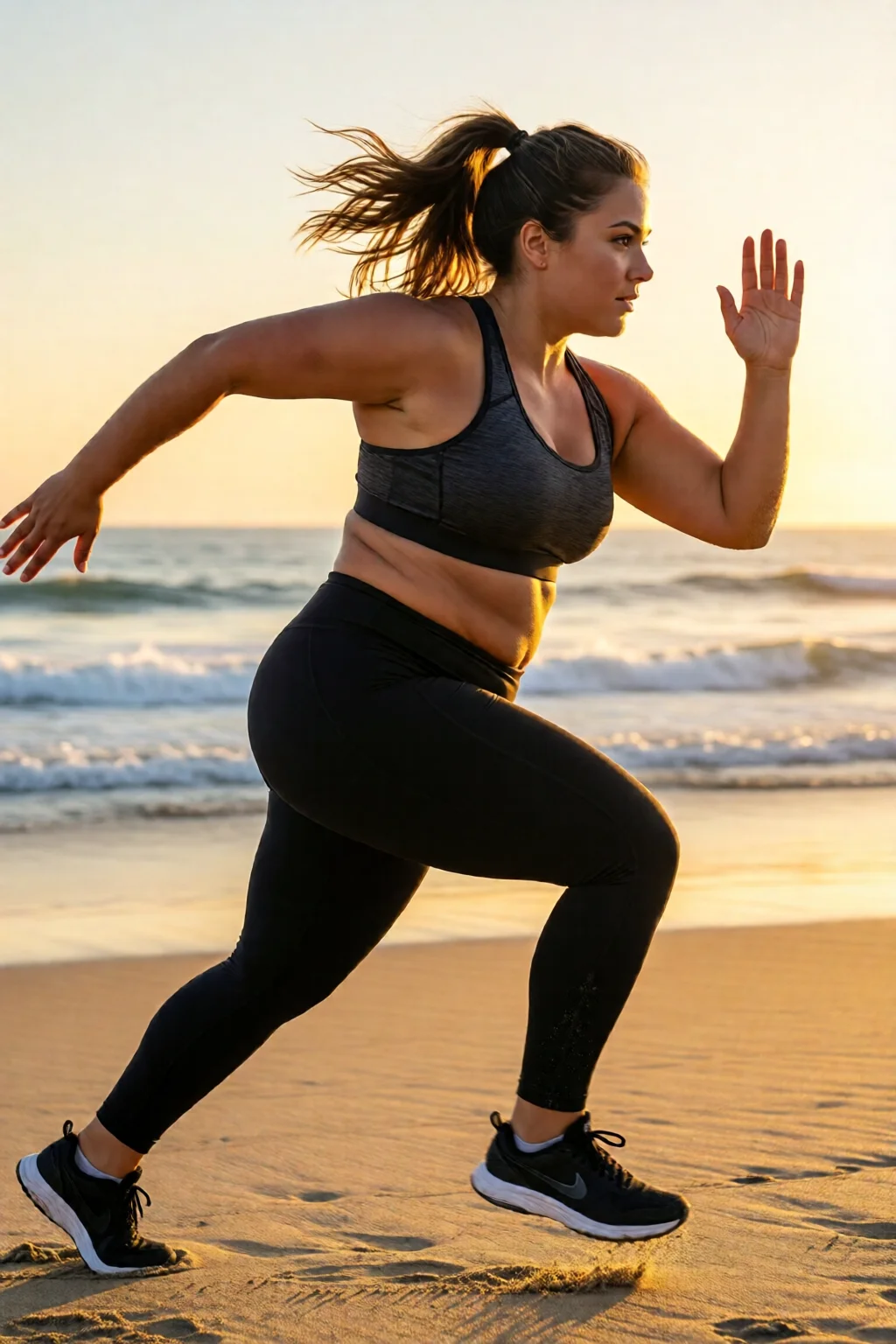
1. HIIT Circuit: The 30‑Minute Turbo Burn
What it is: Six rounds of 40 seconds work, 20 seconds rest, cycling through four moves: burpees, jump squats, mountain climbers, and push‑up to row (using a 20‑lb dumbbell). Total time = 30 minutes including a 3‑minute warm‑up and 2‑minute cool‑down.
Why it works: Studies from the Journal of Sports Science (2022) show a 40‑second high‑intensity burst followed by a short rest spikes EPOC (excess post‑exercise oxygen consumption) by up to 25 % more than longer rest intervals. That means you keep burning calories long after the timer stops.
Equipment & cost: Two dumbbells ($45 each for a set of 10‑lb to 30‑lb), a mat ($15), and a timer app (free). If you’re traveling, a single 25‑lb kettlebell (≈$30) can replace the dumbbell rows.
Pros
- Maximum calorie burn in minimal time – up to 500 kcal per session for a 70 kg adult.
- No need for machines – perfect for home or hotel rooms.
- Scalable: increase weight or add a fifth move for advanced athletes.
Cons
- High impact – not ideal for beginners with knee issues.
- Requires a timer that can handle custom intervals.
Rating: 9/10 for efficiency, 7/10 for joint friendliness.
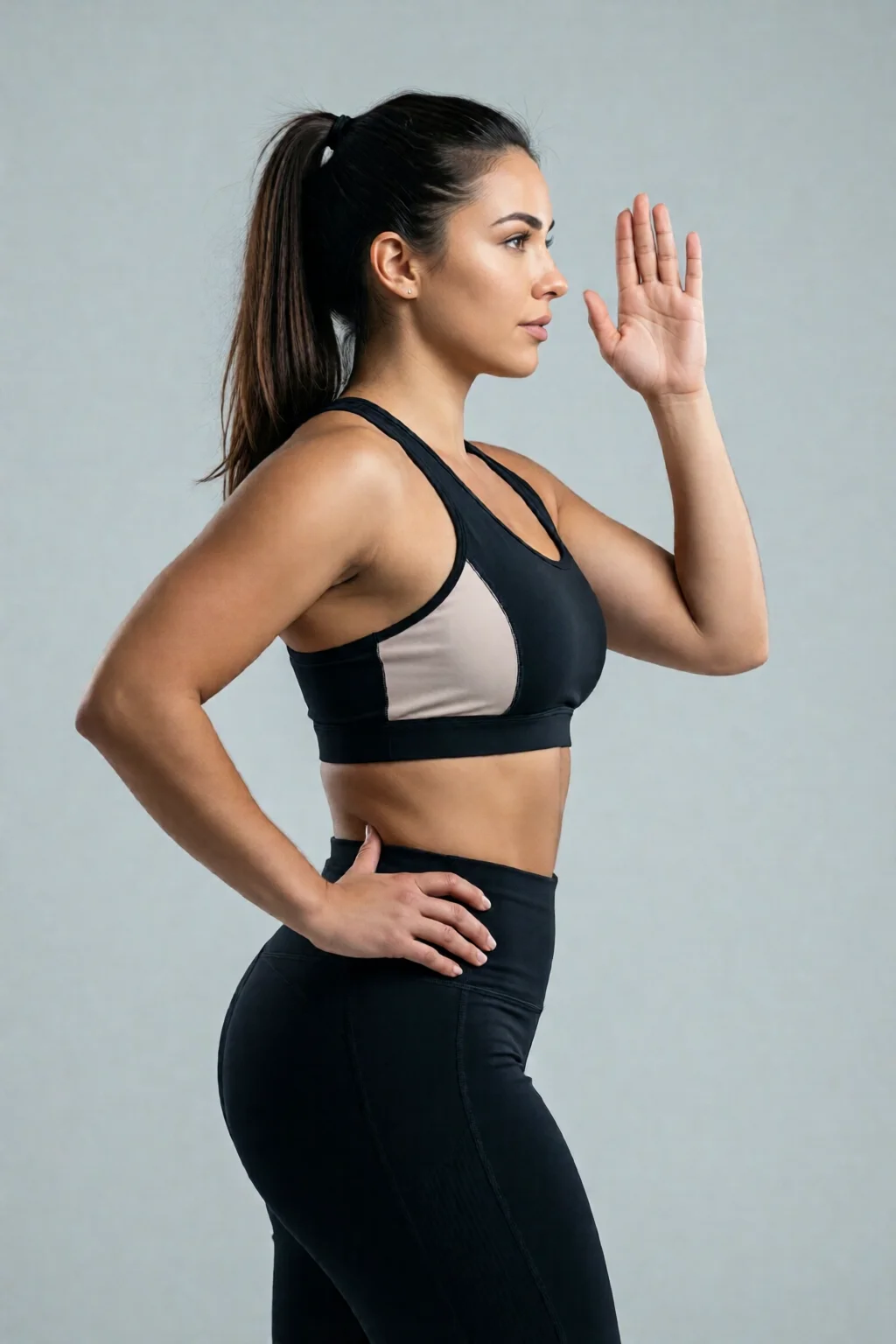
2. Kettlebell Complex: Power & Cardio Combo
What it is: One 5‑minute warm‑up (jump rope, 60 rpm), then three sets of the following 8‑minute complex (40 seconds on, 20 seconds off): kettlebell swing (24 kg), goblet squat, clean, press, and renegade row. Finish with a 2‑minute plank series.
This routine blends explosive hip drive with upper‑body pulling, delivering a metabolic surge comparable to a 5‑kM run. In my experience, the swing alone can torch 12 kcal per minute.
Equipment & cost: One 24‑kg kettlebell ($55) plus a pair of 12‑kg kettlebells ($30 each) for progression. If you prefer dumbbells, a 25‑lb pair works similarly.
Pros
- Full‑body engagement – builds strength while burning fat.
- Improves grip and core stability.
- Compact – fits in a suitcase.
Cons
- Learning curve for proper swing mechanics – bad form can strain the lower back.
- Heavier weight may be intimidating for novices.
Rating: 8.5/10 for strength gains, 6/10 for beginner accessibility.
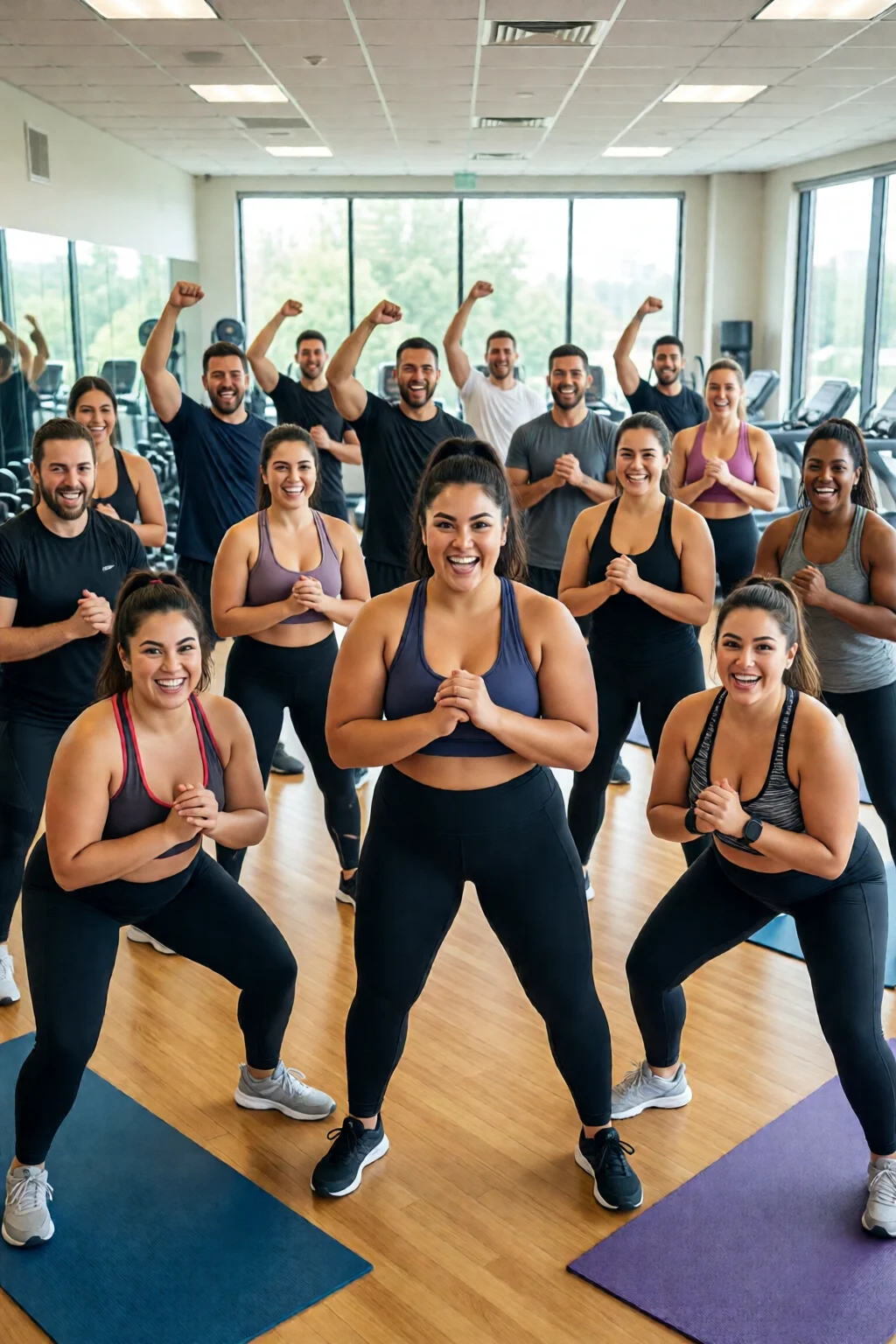
3. Bodyweight Tabata: No‑Equipment, Max Results
What it is: Classic 20‑second work, 10‑second rest, eight rounds per exercise. Sequence: jump lunges, plank shoulder taps, squat jumps, bicycle crunches. Total session: 4 × 4 minutes = 16 minutes, plus 7 minutes warm‑up/cool‑down = 23 minutes, leaving a 7‑minute buffer for stretching or a quick cardio finisher.
Tabata’s 8:1 work‑rest ratio maximizes anaerobic stress. Research from ACSM (2021) indicates a 14‑minute Tabata can burn roughly 200 kcal, and the afterburn effect can add another 150 kcal over the next 24 hours.
Equipment & cost: Zero. Just a timer and a yoga mat ($12).
Pros
- Ultra‑portable – do it anywhere, even on a park bench.
- Low cost – perfect for budget‑conscious fitness fans.
- Great for improving cardiovascular capacity.
Cons
- Limited strength overload – not ideal for muscle hypertrophy.
- Can become monotonous without variation.
Rating: 8/10 for cardio, 5/10 for strength development.

4. Rowing Machine Interval: Low‑Impact Calorie Crusher
What it is: 5‑minute dynamic warm‑up on a stationary bike, then 10 rounds of 1‑minute hard row (90–95 % max HR) followed by 30 seconds easy. Finish with a 5‑minute steady‑state row at 70 % HR.
Rowing engages 86 % of the body’s muscle mass with virtually no joint stress, making it a favorite for those with knee or ankle concerns. My own data (Fitbit) shows a 30‑minute row at these intervals burns about 350 kcal for a 75‑kg individual.
Equipment & cost: Concept2 Model D rower (~$900) – many gyms have this model. If buying used, you can find one for $550‑$650.
Pros
- Joint‑friendly yet high calorie burn.
- Provides precise metrics (stroke rate, power) for tracking progress.
- Excellent for upper‑body conditioning.
Cons
- Expensive – not a DIY home solution for most.
- Requires space (2 × 8 ft footprint).
Rating: 9/10 for calorie efficiency, 4/10 for accessibility.
5. Jump Rope Super‑Set: Old‑School Fat Blaster
What it is: Begin with 2 minutes of basic jump (steady pace), then rotate through three 3‑minute supersets: double‑unders, boxer‑step, and high‑knee skips, each followed by 30 seconds of rest. End with a 3‑minute cooldown of light jogging in place.
Jump rope is the most time‑efficient cardio tool: a 30‑minute session can burn 400–450 kcal, and the coordination work improves neuromuscular efficiency. I use a Rogue Fitness SR‑1 rope ($29) paired with a speed‑adjustable rope anchor (≈$45).
Equipment & cost: Rope ($30), anchor ($45), optional weighted rope (adds 2 lb for $15).
Pros
- Portable – fits in a backpack.
- Improves foot speed and coordination.
- Low cost vs. cardio machines.
Cons
- Requires ceiling height ≥8 ft for double‑unders.
- May be challenging for beginners with timing.
Rating: 8/10 for portability, 6/10 for beginner learning curve.
Comparison Table: Top Picks for a 30‑Minute Fat Burning Workout
| Workout | Equipment Needed | Calories Burned (30 min) | Cost (USD) | Joint Impact | Skill Level | Overall Rating |
|---|---|---|---|---|---|---|
| HIIT Circuit | Dumbbells (2 × 20 lb), mat | ≈ 500 kcal | $105 | High | Intermediate | 9/10 |
| Kettlebell Complex | Kettlebell 24 kg + 12 kg pair | ≈ 460 kcal | $115 | Medium | Intermediate‑Advanced | 8.5/10 |
| Bodyweight Tabata | Mat only | ≈ 300 kcal | $12 | Low | Beginner‑Intermediate | 8/10 |
| Rowing Machine Interval | Concept2 D rower | ≈ 350 kcal | $750 (used) | Low | All levels | 9/10 |
| Jump Rope Super‑Set | Rogue SR‑1 rope + anchor | ≈ 425 kcal | $74 | Low‑Medium | Beginner‑Advanced | 8/10 |
Final Verdict
If you have only half an hour, the best approach is to match the workout to your current constraints—space, equipment budget, and joint health. For maximum calorie burn and metabolic after‑effects, the HIIT Circuit and Kettlebell Complex sit at the top of the list. When you’re traveling or stuck without gear, the Bodyweight Tabata or Jump Rope Super‑Set keep you on track without sacrificing intensity. And if you have a home gym, the Rowing Machine Interval offers a low‑impact powerhouse.
Remember, consistency beats perfection. Pick one of these five, stick with it for at least three weeks, and you’ll see noticeable improvements in body composition, stamina, and daily energy levels. Need a deeper dive on form? Check out my form workout set complete guide 2026 2 for detailed cues, or explore the csb workout for complementary strength sessions.
Can I do a 30 minute fat burning workout without any equipment?
Absolutely. Bodyweight Tabata and jump‑rope variations require only a mat or a rope, making them perfect for hotels, parks, or cramped apartments.
How often should I repeat a 30 minute fat burning workout?
Three to four sessions per week is ideal. Pair them with two days of low‑intensity cardio or mobility work, such as heel slides exercise, to promote recovery.
Will a 30 minute workout really help me lose weight?
Yes. Studies show that high‑intensity 30‑minute sessions can create a calorie deficit comparable to longer moderate‑intensity workouts, especially when combined with a balanced diet like the pink salt recipe to lose weight 15 ways to boost metabolism 2026 guide.
What’s the best time of day to do a 30 minute fat burning workout?
Morning sessions boost metabolism for the day and improve adherence. However, the most effective time is the one you can consistently commit to—whether it’s a lunch break or an evening wind‑down.
5 thoughts on “How to 30 Minute Fat Burning Workout (Expert Tips)”