
Imagine you just moved into a new apartment and the thought of a crowded gym feels more stressful than a good sweat session. You want a space where you can crush your goals without waiting for a treadmill, and you’ve decided it’s time to build a personal “work‑out equipment” arsenal that fits your budget, your floor plan, and your ambition.
In This Article
- What You Will Need Before You Start
- Step 1 – Assess Your Space and Define Your Goals
- Step 2 – Choose Core Pieces of Workout Equipment
- Step 3 – Assemble a Balanced Set for Full‑Body Training
- Step 4 – Set Up, Test, and Optimize Your Space
- Step 5 – Create a Maintenance Routine for Longevity
- Common Mistakes to Avoid
- Troubleshooting and Tips for Best Results
- Summary Conclusion
- Frequently Asked Questions
What You Will Need Before You Start
Before you rush out to buy the flashiest gear, take a moment to map out three critical pieces of information:
- Space dimensions: Measure the length, width, and ceiling height of the area you intend to dedicate. A 10 × 10 ft room with an 8‑ft ceiling is ideal for most home gyms.
- Primary training goals: Are you chasing strength, cardio, flexibility, or a mix? Knowing this narrows the equipment list dramatically.
- Budget ceiling: Set a realistic cap. A solid starter setup can be assembled for $800‑$1,200, while a premium “all‑in” gym can exceed $5,000.
From my decade of coaching, I’ve learned that a well‑rounded home gym revolves around four categories:
- Resistance tools: Adjustable dumbbells (e.g., Bowflex SelectTech 552 – $399, 5‑52 lb), kettlebells, resistance bands (Fit Simplify – 5‑levels, $12 per set), and a barbell set with plates (Rogue Ohio Bar – $295, plates from $1.50 lb).
- Cardio machines: A compact rower (Concept2 Model D – $999, 2.13 m length) or a fold‑up treadmill (NordicTrack T 6.5 S – $999, folds to 33 in height).
- Functional platforms: A 4 × 4 ft rubber gym mat ($80) and a sturdy plyometric box (Rep Fitness 24‑inch – $120).
- Recovery accessories: Foam roller (TriggerPoint GRID – $30), yoga mat ($25), and a portable massage gun (Theragun Mini – $199).
These items give you the flexibility to perform over 150 exercises, covering strength, HIIT, mobility, and cardio without over‑cluttering your living space.
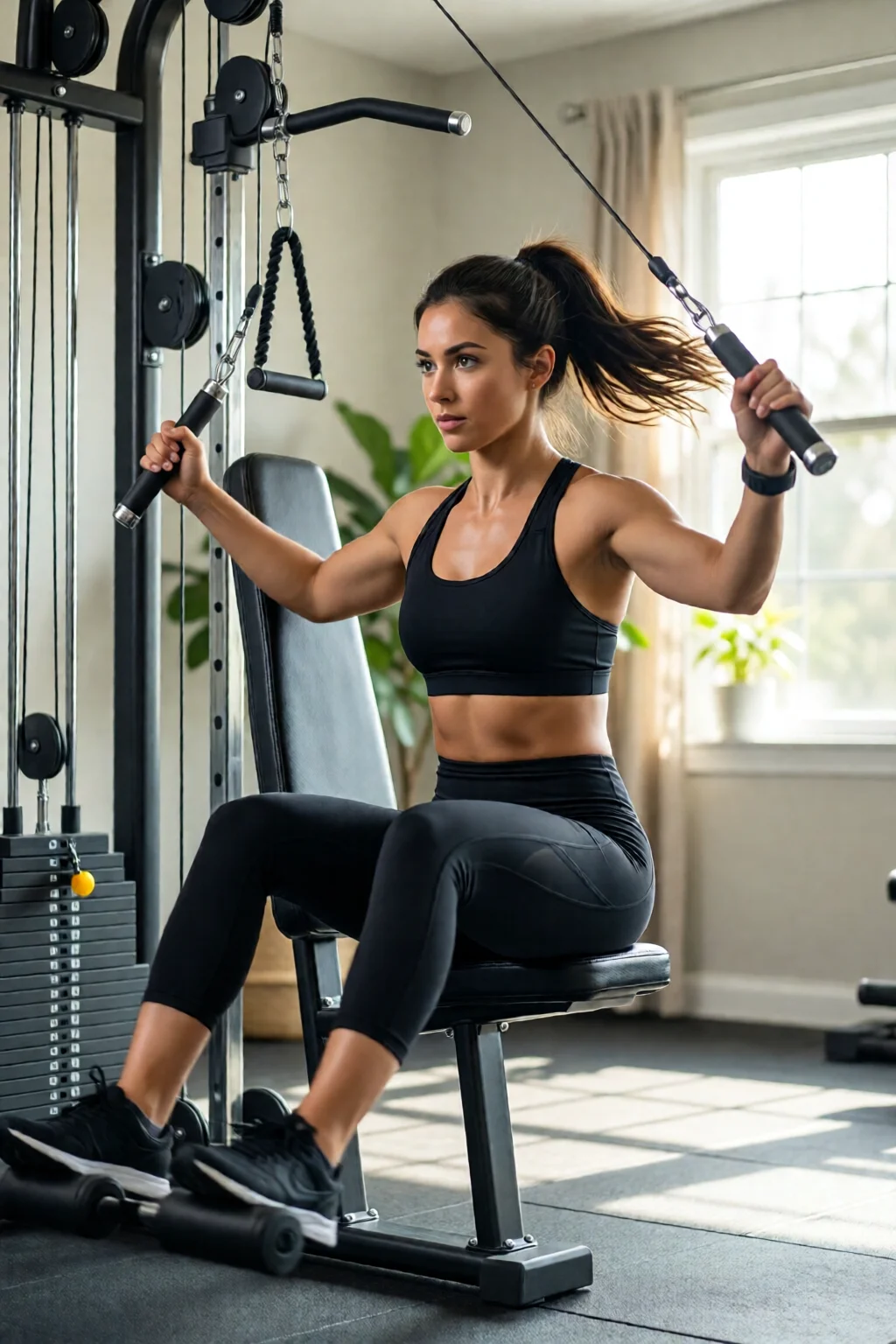
Step 1 – Assess Your Space and Define Your Goals
Measure, Sketch, and Visualize
Grab a tape measure and draw a simple floor plan on graph paper (or use a free app like Floorplanner). Mark doors, windows, and power outlets. Reserve at least 3 ft of clearance around each piece of equipment for safe movement. For example, a rowing machine needs a 2‑ft clearance behind the seat to avoid hitting the wall on the return stroke.
Set SMART Goals
Specific, Measurable, Achievable, Relevant, Time‑bound goals guide your purchase decisions. “I want to deadlift 225 lb in 12 weeks” points you toward a power rack and plates, while “I need to burn 300 kcal in 30 min” suggests a cardio machine with a built‑in calorie tracker.
Step 2 – Choose Core Pieces of Workout Equipment
Resistance: Adjustable Dumbbells vs. Fixed Sets
If floor space is at a premium, I recommend the Bowflex SelectTech 552. It replaces a whole rack of dumbbells, saving up to 60 lb of floor space. For lifters who need heavier loads (above 55 lb), supplement with a pair of Rogue 45‑lb plates and a standard barbell.
Cardio: Rowing vs. Treadmill vs. Bike
Rowers provide a full‑body workout and often have a smaller footprint than treadmills. The Concept2 Model D has a “S4” monitor that logs split times, stroke rate, and calories with 99 % accuracy. If you prefer a low‑impact option, the Peloton Bike+ ($2,495) offers live classes and a sleek 21.5‑in rotating screen.
Functional: Power Rack or Squat Stand?
A power rack (Rogue R‑3 – $1,099) gives you safety bars, pull‑up bar, and J‑hooks for squats, bench presses, and overhead presses. If you’re on a tighter budget, the Rep Fitness PR‑300 squat stand ($449) still offers safety but requires a separate plate storage solution.
Storage Solutions
Invest in a vertical plate tree ($150) and wall‑mounted dumbbell hooks ($30) to keep the floor clear. In my studio, a simple PVC pipe rack held up to 200 lb of plates and saved $80 compared to commercial options.

Step 3 – Assemble a Balanced Set for Full‑Body Training
Strength Circuit Blueprint
Combine the following exercises for a 45‑minute full‑body circuit:
- Goblet squat – 12 reps (adjustable dumbbell 30 lb)
- Bent‑over row – 10 reps (barbell 95 lb)
- Push‑up to renegade row – 8 reps each side (dumbbell 20 lb)
- Russian twist – 15 reps per side (medicine ball 10 lb)
- Rower sprint – 30 seconds at 28 spm
Repeat the circuit 4‑5 times with 60‑seconds rest between rounds. This format maximizes calorie burn (≈ 8‑10 kcal /min) while building strength.
Periodization Tips
Rotate the focus every 4‑6 weeks: hypertrophy (8‑12 rep range), strength (4‑6 rep range), power (1‑3 rep range with explosive tempo). Adjust the weight plates accordingly; a 5‑lb plate increase can shift you from a 12‑rep set to a 10‑rep set.
Step 4 – Set Up, Test, and Optimize Your Space
Floor Protection
Lay down a ½‑inch thick rubber gym mat ($80) before placing heavy equipment. This reduces impact noise and protects hardwood floors. For a larger area, interlock foam tiles (IncStores 12‑in squares – $1.20 each).
Electrical Considerations
Cardio machines often require a dedicated 120 V outlet. Use a surge protector rated for at least 15 A. I once saw a treadmill trip a breaker because it shared a circuit with a refrigerator.
Safety Checks
Inspect all bolts on the power rack after each workout; tighten with a torque wrench set to 30 Nm. Test the rower’s foot strap and the treadmill’s emergency stop lever before each session.

Step 5 – Create a Maintenance Routine for Longevity
Weekly Cleaning
Wipe down metal surfaces with a microfiber cloth and a mild degreaser. Vacuum the rubber mat to prevent dust buildup that can cause slipping.
Monthly Lubrication
Apply a silicone‑based lubricant to the rowing machine’s chain (≈ 10 ml every 30 days). For treadmills, oil the belt according to the manufacturer’s guide – typically 2 oz of treadmill oil every 100 hours of use.
Annual Inspection
Check for wear on plates, especially the knurling on the barbell. Replace any cracked plates (Rogue plates have a lifetime warranty; contact support if you spot a defect).
Common Mistakes to Avoid
- Buying without a plan: Jumping on a sale for a fancy elliptical without confirming you have the space leads to regret.
- Overloading the floor: Placing a 500‑lb power rack on carpet without a mat can damage both the floor and the rack’s legs.
- Neglecting progressive overload: Sticking to the same weight for months stalls gains. Track your lifts in a notebook or app – I use best workout apps complete guide 2026 2 to log sets and reps.
- Skipping warm‑up and mobility work: Jumping straight into heavy squats raises injury risk. A 5‑minute dynamic warm‑up (leg swings, arm circles) is non‑negotiable.
- Ignoring warranty terms: Register your equipment within 30 days to preserve the manufacturer’s warranty; many brands void it if you fail to register.
Troubleshooting and Tips for Best Results
Issue: The rower feels “sloppy” after a few weeks.
Solution: Clean the chain, re‑tension the strap, and replace the flywheel bushing if wear is evident. A fresh chain (≈ $15) restores the smooth feel.
Issue: My adjustable dumbbells won’t lock at the selected weight.
Solution: Dust the selector pin and re‑engage the locking mechanism. If the problem persists, contact Bowflex support – they typically replace faulty units within 30 days.
Tip: Pair your equipment with a structured program. The workout near me guide lists local trainers who can design a periodized plan that syncs with your home setup.
Tip: Use music or a podcast to keep motivation high. I sync my treadmill’s speed to the beat of my playlist (120 BPM = 6 mph) – it’s a simple hack that improves consistency.
Summary Conclusion
Building a functional home gym revolves around three pillars: space awareness, goal‑driven equipment selection, and disciplined maintenance. By measuring your area, prioritizing adjustable dumbbells, a compact cardio machine, and a sturdy power rack, you can cover the full spectrum of strength, cardio, and functional training without breaking the bank. Remember to protect your floor, keep a routine for cleaning and lubrication, and avoid common pitfalls like buying without a plan. With these steps, your workout equipment will serve you reliably for years, letting you crush goals from the comfort of home.
Frequently Asked Questions
What is the minimum essential workout equipment for a full‑body home gym?
A set of adjustable dumbbells (5‑50 lb), a sturdy power rack or squat stand, a barbell with plates, a resistance band set, and a compact cardio machine (rower or fold‑up treadmill) cover strength, cardio, and functional training.
How much space do I need for a power rack and a treadmill?
Allocate at least 8 × 10 ft. The rack needs a 4 ft width and 2 ft clearance each side; the treadmill requires 3 ft behind it for safe stopping.
Are adjustable dumbbells worth the investment compared to fixed dumbbells?
Yes. They replace an entire rack (up to 30 pairs) saving space and often cost less than buying each weight individually. The Bowflex SelectTech 552, for example, is $399 versus $1,200 for a comparable fixed set.
How often should I lubricate my treadmill belt?
Every 100 hours of use, or roughly once every 2‑3 months for a typical home user, using 2 oz of treadmill‑specific oil.
Can I integrate my home workout equipment with fitness apps?
Absolutely. Most cardio machines Bluetooth‑connect to apps like Strava or MyFitnessPal. For strength tracking, apps listed in the best workout apps complete guide 2026 2 sync with smart dumbbells and provide progressive overload charts.
3 thoughts on “How to Workout Equipment (Expert Tips)”