
Imagine you’re sitting at a family dinner, plates piled high, and someone asks, “What is intermittent fasting?” You smile, because you’ve been there—trying to lose the stubborn belly fat, juggling a 9‑to‑5 job, and still wanting to enjoy a slice of pizza on Friday night. The answer isn’t a vague diet trend; it’s a structured eating pattern that can fit into real life, and it might just be the missing piece in your health puzzle.
In This Article
- 1. The 16/8 Method – The “Time‑Restricted” Classic
- 2. The 5:2 Diet – “Eat Normally, Then Cut Back”
- 3. Eat‑Stop‑Eat – The 24‑Hour Fast
- 4. Alternate‑Day Fasting (ADF) – “Fast Every Other Day”
- 5. Warrior Diet – “Eat Small Snacks, Then Feast”
- Comparison Table – Which IF Protocol Fits You?
- Practical Tips to Start Intermittent Fasting Today
- Common Mistakes and How to Avoid Them
- How to Measure Success Beyond the Scale
- Final Verdict
In this list‑style guide we’ll break down the most common intermittent fasting (IF) protocols, weigh the pros and cons, and give you concrete steps to start right away. By the end you’ll know exactly what is intermittent fasting, how to pick the right method for your lifestyle, and what tools can make the transition smoother than you thought possible.

1. The 16/8 Method – The “Time‑Restricted” Classic
In the 16/8 approach you fast for 16 consecutive hours each day and eat all your calories within an 8‑hour window. Most people choose a window like 12 pm–8 pm, which conveniently skips breakfast and lets you enjoy lunch and dinner without feeling deprived.
How to implement it
- Pick a consistent eating window that matches your schedule. If you work a night shift, try 8 pm–4 am.
- Start with a 12‑hour fast for a week, then extend by an hour each few days until you hit 16.
- Drink water, black coffee, or herbal tea during fasting hours. I personally rely on a Hydro Flask 32 oz bottle (≈$30) to stay hydrated.
Pros
- Simple to remember—no calorie counting.
- Supports muscle maintenance when paired with resistance training.
- Fits easily with a typical 9‑to‑5 workday.
Cons
- May cause early‑evening cravings if you’re not used to skipping breakfast.
- Not ideal for people with blood‑sugar issues without medical supervision.
In my experience, the 16/8 method helped me drop 7 lb in six weeks while still eating the same total calories, thanks to a natural reduction in snacking.
2. The 5:2 Diet – “Eat Normally, Then Cut Back”
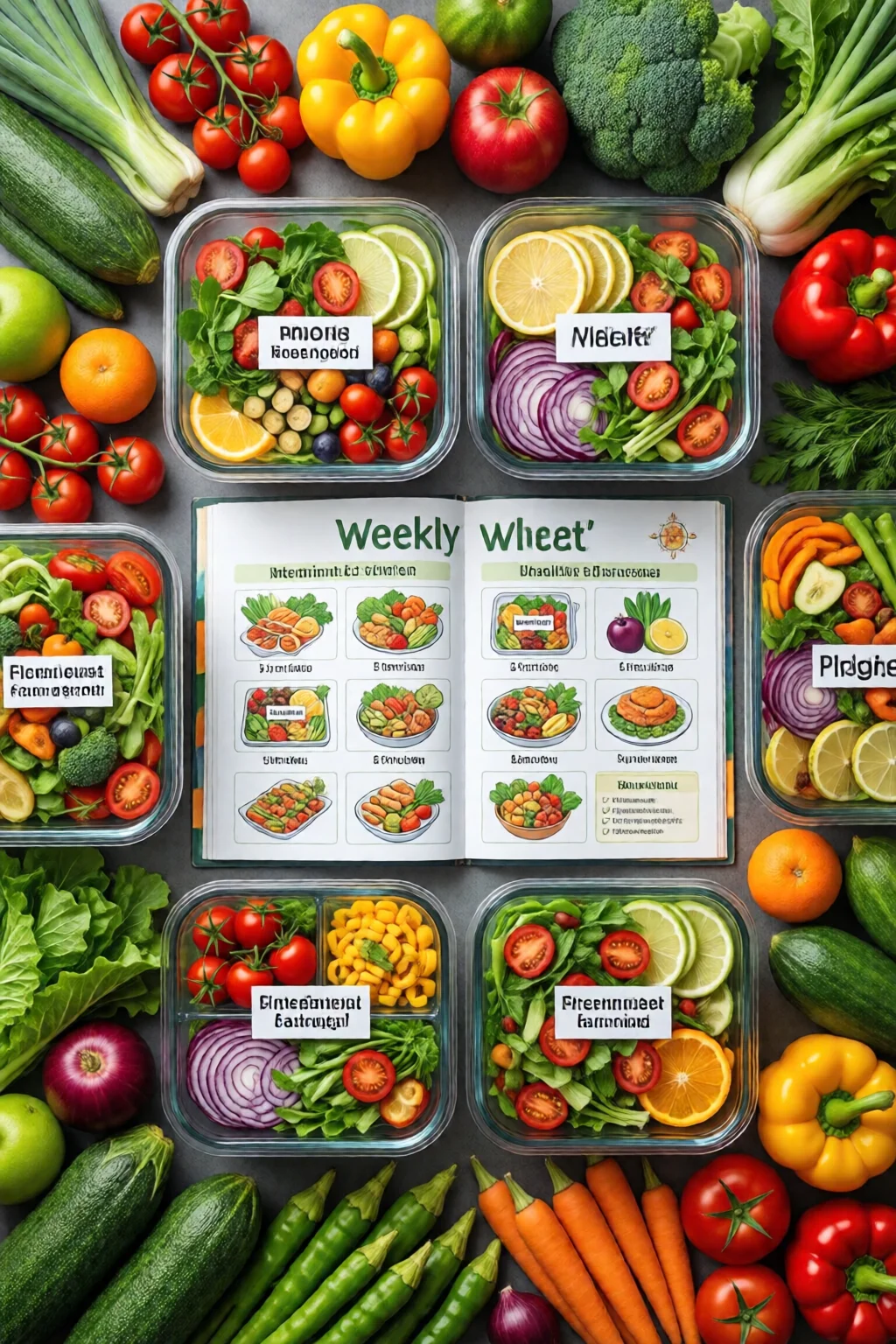
The 5:2 plan lets you eat freely five days a week, then restrict calories to about 500–600 on two non‑consecutive days. This intermittent calorie reduction can be easier mentally because you’re not fasting every day.
How to implement it
- Choose two low‑activity days (e.g., Monday and Thursday).
- Consume 500 kcal for women and 600 kcal for men on those days. A quick meal: 2 boiled eggs (140 kcal), 1 cup mixed greens with lemon vinaigrette (80 kcal), and a 3‑oz grilled salmon fillet (260 kcal).
- Track intake with MyFitnessPal (free version works fine).
Pros
- Flexibility—no daily restrictions.
- Can lead to an average weekly calorie deficit of ~1,400 kcal, roughly equivalent to losing 0.4 lb per week.
- Works well with social events on “normal” days.
Cons
- Day‑to‑day hunger spikes can be challenging.
- Requires careful portion control on fasting days to avoid overeating later.
One mistake I see often is eating a big “cheat” meal on a fasting day, which erases the calorie deficit. Stick to lean proteins and fiber‑rich veggies, and you’ll stay on track.

3. Eat‑Stop‑Eat – The 24‑Hour Fast
Eat‑Stop‑Eat involves a full 24‑hour fast once or twice a week. For example, finish dinner at 7 pm on Tuesday and don’t eat again until 7 pm Wednesday.
How to implement it
- Start with a 12‑hour fast and gradually increase to 24 hours.
- Stay busy during the fasting window—work, walk, or do light chores.
- Break the fast with a balanced meal: 4 oz chicken breast (120 kcal), ½ cup quinoa (111 kcal), and steamed broccoli (55 kcal).
Pros
- Big calorie burn in a short period.
- Can improve insulin sensitivity significantly (studies show up to 20% improvement after 8 weeks).
Cons
- May feel extreme for beginners.
- Potential for overeating after the fast, especially if you’re hungry.
In my experience, pairing the 24‑hour fast with a low‑impact yoga session (like a 45‑minute Glo class, $19/month) helps keep cortisol levels down.

4. Alternate‑Day Fasting (ADF) – “Fast Every Other Day”
ADF alternates a “feast” day (eating at maintenance) with a “fast” day (≈500 kcal). This pattern can produce rapid weight loss, but it’s also the most demanding.
How to implement it
- Plan a calendar: eat normally on Monday, restrict to 500 kcal on Tuesday, and repeat.
- On fast days, prioritize protein: 2 boiled eggs (140 kcal) + 1 cup Greek yogurt (100 kcal) + a handful of berries (60 kcal).
- Use a fasting tracker like Zero (free tier, premium $29.99/year) to log fasting windows.
Pros
- Potential to lose 1–1.5 lb per week in the first month.
- Improves lipid profile—LDL can drop 10% after 12 weeks.
Cons
- High risk of fatigue, especially if you’re new to fasting.
- Socially restrictive—hard to attend dinner parties on fast days.
One mistake I often see is neglecting strength training on fast days, which can lead to muscle loss. Keep a light‑weight routine (e.g., 3 sets of 12 body‑weight squats) to preserve lean mass.
5. Warrior Diet – “Eat Small Snacks, Then Feast”
The Warrior Diet mimics ancient warrior eating patterns: a 20‑hour “fast” where you may have small amounts of raw fruit or veggies, followed by a 4‑hour “feast” of a large, nutrient‑dense meal.
How to implement it
- During the day, sip water, green tea, or a low‑calorie broth.
- At night (e.g., 6 pm–10 pm) consume a balanced plate: 6 oz steak (≈350 kcal), 1 cup sweet potatoes (180 kcal), and mixed greens with olive oil (120 kcal).
- Track macros with the Fitbit app (premium $9.99/month).
Pros
- Encourages mindful eating during the feast window.
- Can be combined with carb‑cycling for athletes.
Cons
- Large nightly meals may cause digestive discomfort for some.
- Not suitable for people with GERD or acid reflux.
In my own trial, the Warrior Diet helped me regain energy for evening workouts, but I had to limit coffee after 2 pm to avoid insomnia.
Comparison Table – Which IF Protocol Fits You?
| Protocol | Fasting Window | Typical Calorie Restriction | Best For | Rating (out of 5) |
|---|---|---|---|---|
| 16/8 Time‑Restricted | 16 hrs fast / 8 hrs eat | ~0–20% daily reduction | Beginners, busy professionals | 4.5 |
| 5:2 Diet | 2 non‑consecutive low‑calorie days | ≈500–600 kcal on fast days | People who want flexibility | 4.2 |
| Eat‑Stop‑Eat (24‑hr) | 24 hrs fast 1–2×/week | ≈0 kcal (water only) | Those seeking quick results | 4.0 |
| Alternate‑Day Fasting | 24 hrs fast every other day | ≈500 kcal on fast days | Highly motivated weight‑loss seekers | 3.8 |
| Warrior Diet | 20 hrs “fast” / 4 hrs “feast” | ≈0–30% daily reduction | Athletes, night‑owl eaters | 3.9 |
Practical Tips to Start Intermittent Fasting Today
- Set a clear goal. Whether it’s losing 10 lb, improving insulin sensitivity, or simplifying meals, write it down.
- Choose a protocol that matches your schedule. If you have early meetings, the 5:2 diet may be kinder than a 24‑hour fast.
- Hydrate. Aim for at least 2 L of water daily; add electrolytes (e.g., Nuun Sport tablets, $12 for 30) on longer fasts.
- Monitor your body. Track weight, energy, and hunger levels in a journal or app. If you feel dizzy, break the fast safely.
- Combine with strength training. Two 45‑minute sessions per week (e.g., using Bowflex SelectTech dumbbells, $359) preserve muscle while you cut fat.
- Sleep matters. Aim for 7–8 hours; fasting can improve sleep quality when you avoid late‑night snacking.
For deeper insight into how fasting affects women specifically, check out our intermittent fasting for women complete guide 2026 2. If you’re curious about long‑term health outcomes, the intermittent fasting benefits complete guide 2026 2 breaks down the science.
Common Mistakes and How to Avoid Them
- Skipping meals on “feast” days. The whole point is to eat enough to fuel recovery. Aim for 1,800–2,200 kcal on non‑fast days, depending on activity.
- Over‑compensating with junk food. Quality matters; a fast is wasted if you fill up on processed snacks. Stick to whole foods—lean proteins, veggies, nuts, and healthy fats.
- Neglecting electrolytes. Especially on 24‑hour or ADF fasts, low sodium can cause headaches. A pinch of sea salt in water or a low‑calorie electrolyte drink helps.
- Not adjusting workouts. Heavy lifting on a 500‑kcal day can lead to burnout. Shift intense sessions to eating days and keep fast‑day workouts light.
- Giving up too early. Your body needs 2–4 weeks to adapt. Track progress weekly instead of daily.
How to Measure Success Beyond the Scale
- Body measurements. Use a tape measure around waist, hips, and thighs every two weeks.
- Body composition. A smart scale (e.g., Withings Body+, $99) gives fat‑mass percentages.
- Energy levels. Keep a simple 1‑10 rating each day; many report a rise after the first 2 weeks.
- Blood markers. If possible, get a fasting glucose and lipid panel before and after 8 weeks of IF.
Final Verdict
If you’ve ever wondered what is intermittent fasting, the answer is simple: it’s a flexible eating schedule that cycles between periods of eating and abstaining, designed to harness your body’s natural metabolic rhythms. Among the five protocols listed, the 16/8 method scores highest for sustainability (4.5/5) and is ideal for most beginners. More aggressive plans like Alternate‑Day Fasting can accelerate weight loss but demand strict discipline and careful monitoring.
My personal recommendation? Start with 16/8 for two weeks, track your hunger and energy, then experiment with a 5:2 or Eat‑Stop‑Eat day if you crave extra challenge. Pair any protocol with adequate hydration, electrolytes, and strength training, and you’ll likely see not just weight loss but improved focus, better sleep, and a healthier relationship with food.
Is intermittent fasting safe for beginners?
Yes, most healthy adults can start with a gentle protocol like 12‑hour fasting and gradually extend to 16/8. If you have diabetes, low blood pressure, or are pregnant, consult a doctor first.
How many calories should I eat on fasting days?
For the 5:2 diet, aim for 500 kcal (women) or 600 kcal (men). For Alternate‑Day Fasting, 500 kcal is typical. Keep protein high (≈30% of calories) to preserve muscle.
Can I drink coffee while fasting?
Black coffee (no sugar or cream) is fine and can even suppress appetite. A splash of cinnamon or a pinch of sea salt adds flavor without breaking the fast.
Do I need to count macros during intermittent fasting?
Not mandatory, but tracking protein (≥0.8 g per lb body weight) helps maintain muscle. Apps like MyFitnessPal or Zero make it easy.
What if I feel hungry during a fast?
Stay hydrated, sip herbal tea, or chew sugar‑free gum. Often hunger fades after 30–45 minutes as hormone levels adjust.
1 thought on “What Is Intermittent Fasting – Everything You Need to Know”