Mastering vegetarian meal prep can shave hours off your weekly cooking, lock in nutrients, and keep your waistline happy—all without sacrificing flavor.
In This Article
- What You Will Need (Before You Start)
- Step 1 – Plan Your Menu and Portion Sizes
- Step 2 – Cook Grains and Legumes in Bulk
- Step 3 – Prepare Protein Powerhouses
- Step 4 – Roast, Steam, or Sauté Your Veggies
- Step 5 – Assemble the Meals
- Common Mistakes to Avoid
- Tips for Best Results (Troubleshooting)
- Frequently Asked Questions
- Summary
What You Will Need (Before You Start)
Gathering the right tools and ingredients is half the battle. Here’s my go‑to list, based on a decade of coaching athletes and busy professionals:
- Containers: 12‑inch glass containers with airtight lids (e.g., Pyrex 10‑pc set, $29.99) are microwave‑safe and don’t stain.
- Scale: A digital kitchen scale (e.g., Etekcity 5‑kg, $12.95) for precise protein portions.
- Sharp Chef’s Knife: A 8‑inch Santoku ($45) speeds up chopping.
- Large Stockpot (6 qt) and a Sheet Pan (18×12 in): For batch cooking grains and roasting veggies.
- Spice Rack Essentials: Cumin, smoked paprika, turmeric, nutritional yeast, and a pinch of cayenne.
- Protein Sources: Firm tofu ($2.49 per 14 oz), canned chickpeas ($0.89 per 15 oz), tempeh ($3.79 per 8 oz), and Greek yogurt (plain, $1.25 per 5.3 oz).
- Complex Carbs: Brown rice ($1.10 per lb), quinoa ($3.20 per lb), sweet potatoes (see sweet potato recipes healthy weight loss recipe), and whole‑wheat pasta.
- Fresh Veggies: Broccoli crowns, bell peppers, carrots, and leafy greens—buy in bulk for $2–$4 per pound.
- Flavor Boosters: Low‑sodium soy sauce, tahini, lemon juice, and fresh herbs (cilantro, basil).
Set aside a clean countertop, a cutting board, and 90 minutes of uninterrupted time. That’s all you need to launch a week’s worth of nutritious meals.
Step 1 – Plan Your Menu and Portion Sizes
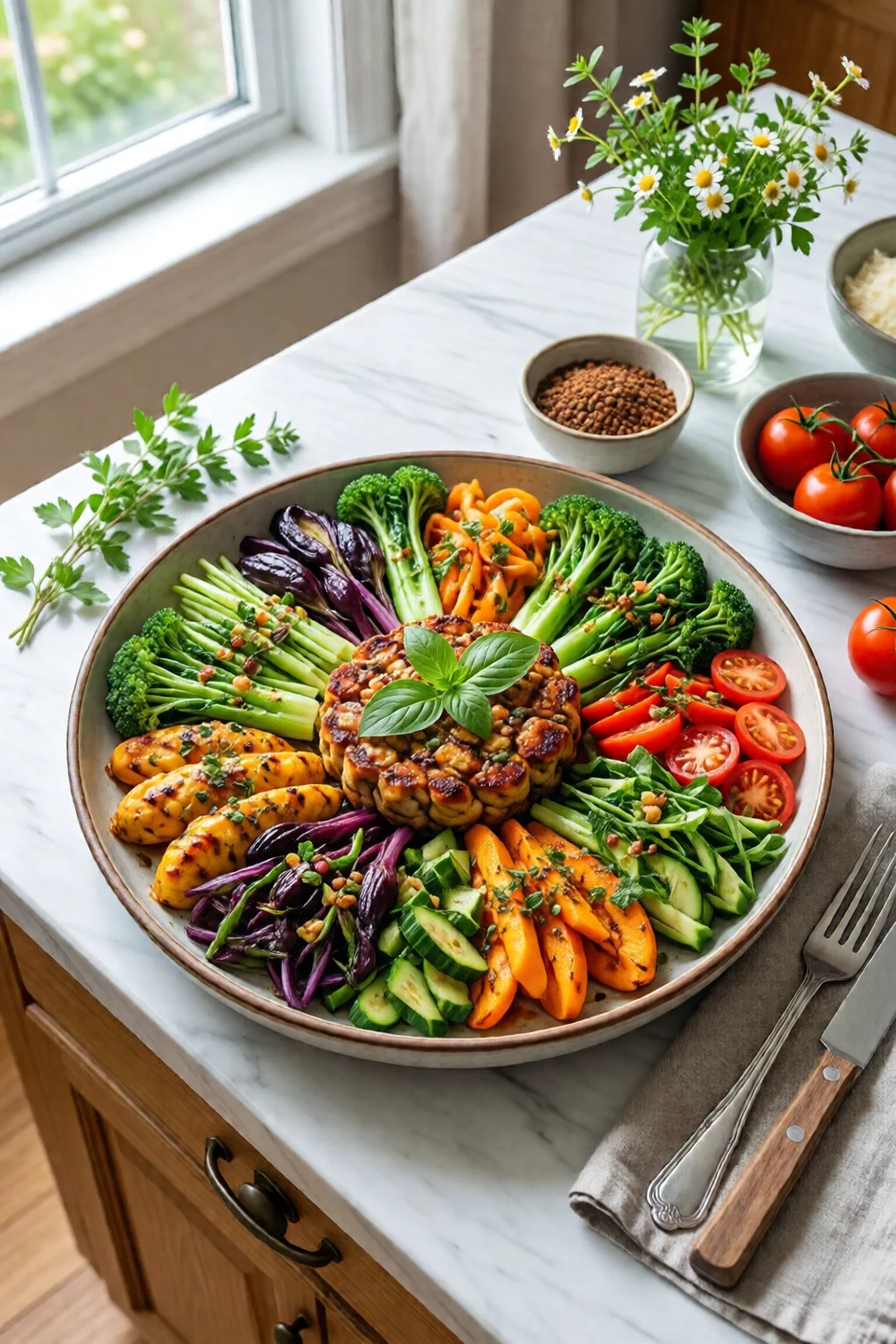
Start with a simple spreadsheet or a free app like MealPrepPro. I always allocate 40 % carbs, 30 % protein, and 30 % vegetables per serving. For a 2,000‑calorie goal, that translates to roughly 200 g carbs, 150 g protein, and 150 g veg per day.
Sample 5‑day menu (each day = 3 meals + 1 snack):
- Day 1: Quinoa‑black bean bowl, roasted sweet potato & broccoli, Greek‑yogurt dip.
- Day 2: Tofu stir‑fry with brown rice, carrot‑cucumber salad, hummus snack.
- Day 3: Lentil soup, whole‑wheat pita, mixed greens with tahini dressing.
- Day 4: Tempeh “bacon” wraps, quinoa tabbouleh, apple slices.
- Day 5: Chickpea curry, basmati rice, steamed asparagus.
Note the recurring staples—quinoa, brown rice, and a protein source. This repetition cuts prep time and grocery cost (average $45 for the week).
Step 2 – Cook Grains and Legumes in Bulk
Rinse 2 cups of brown rice, then combine with 4 cups water, a pinch of salt, and a dash of olive oil in your stockpot. Bring to a boil, reduce to a simmer, cover, and cook 45 minutes. Fluff with a fork and spread on a sheet pan to cool—this prevents clumping.
While the rice cooks, combine 1 cup dried quinoa, 2 cups water, and ½ tsp salt in the same pot. After a 2‑minute boil, cover and remove from heat; let sit 15 minutes. Fluff and set aside.
For legumes, I use a pressure cooker: 1 cup dried lentils, 2 ½ cups water, and a bay leaf. Cook on high pressure for 9 minutes—no soaking needed. Drain, discard the bay leaf, and toss with 1 tsp cumin.
These batches provide the carbohydrate and protein backbone for every meal.
Step 3 – Prepare Protein Powerhouses
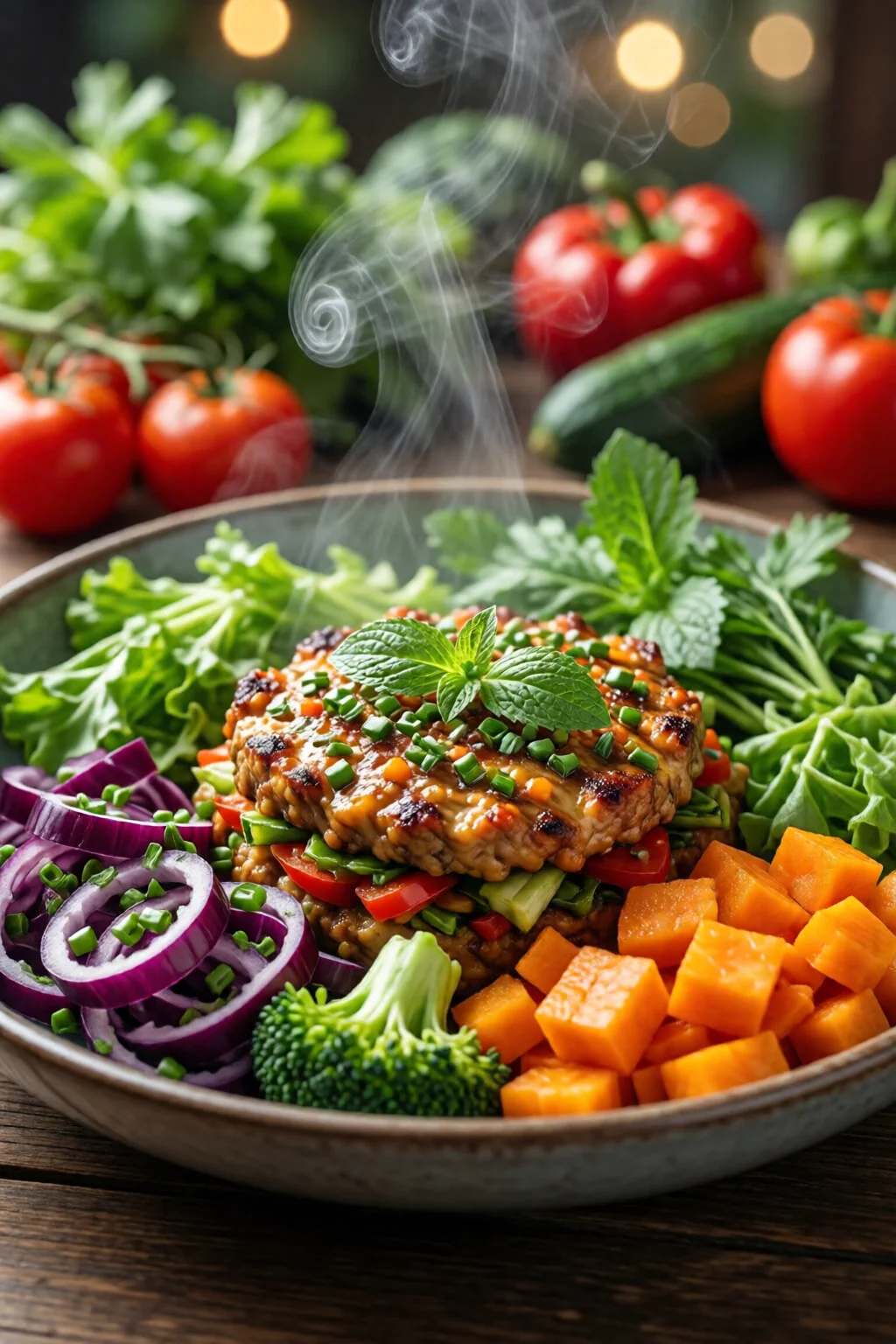
Press a 14‑oz block of firm tofu for 20 minutes (place between two plates and weight with a skillet). Cut into 1‑inch cubes, toss with 1 tbsp soy sauce, ½ tsp smoked paprika, and 1 tsp sesame oil. Roast on a sheet pan at 400°F for 25 minutes, turning halfway.
For tempeh, slice 8 oz into thin strips, marinate in 2 tbsp maple syrup, 1 tbsp tamari, and ½ tsp chili flakes for 10 minutes, then pan‑fry 3 minutes per side.
Mix 1 cup Greek yogurt with 1 tbsp lemon juice, ½ tsp garlic powder, and a pinch of salt—this becomes a high‑protein dip for veggies.
Step 4 – Roast, Steam, or Sauté Your Veggies
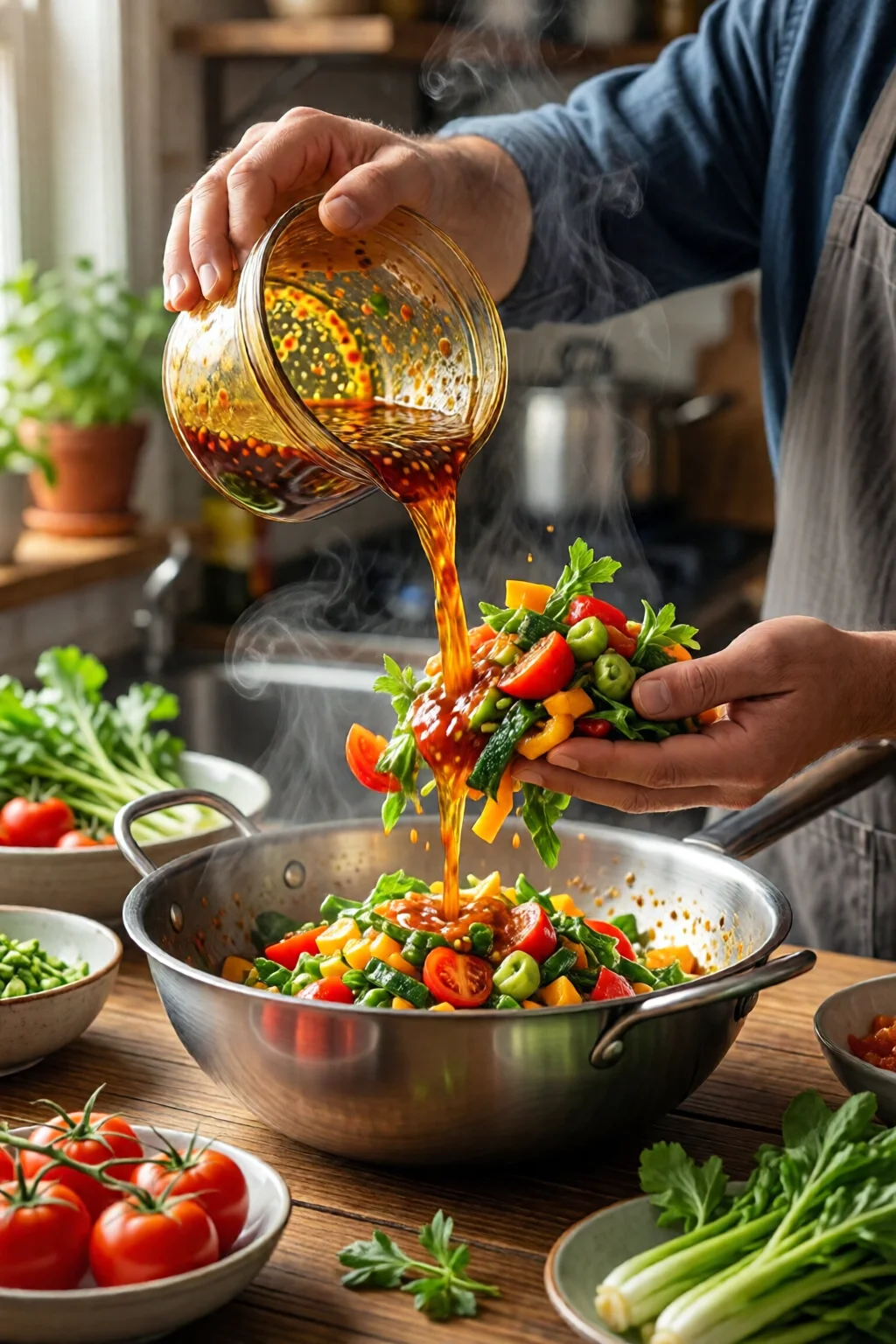
Spread chopped broccoli florets, sliced bell peppers, and carrot sticks on a sheet pan. Drizzle with 2 tbsp olive oil, sprinkle ½ tsp each of salt and pepper, and roast 20 minutes at 425°F. The edges caramelize, adding natural sweetness without extra sugar.
Steam 1 lb asparagus for 4 minutes; shock in ice water to retain vivid green color.
If you love raw greens, wash and spin 5 cups of mixed lettuce, then store in a large airtight container with a paper towel to absorb excess moisture.
Step 5 – Assemble the Meals
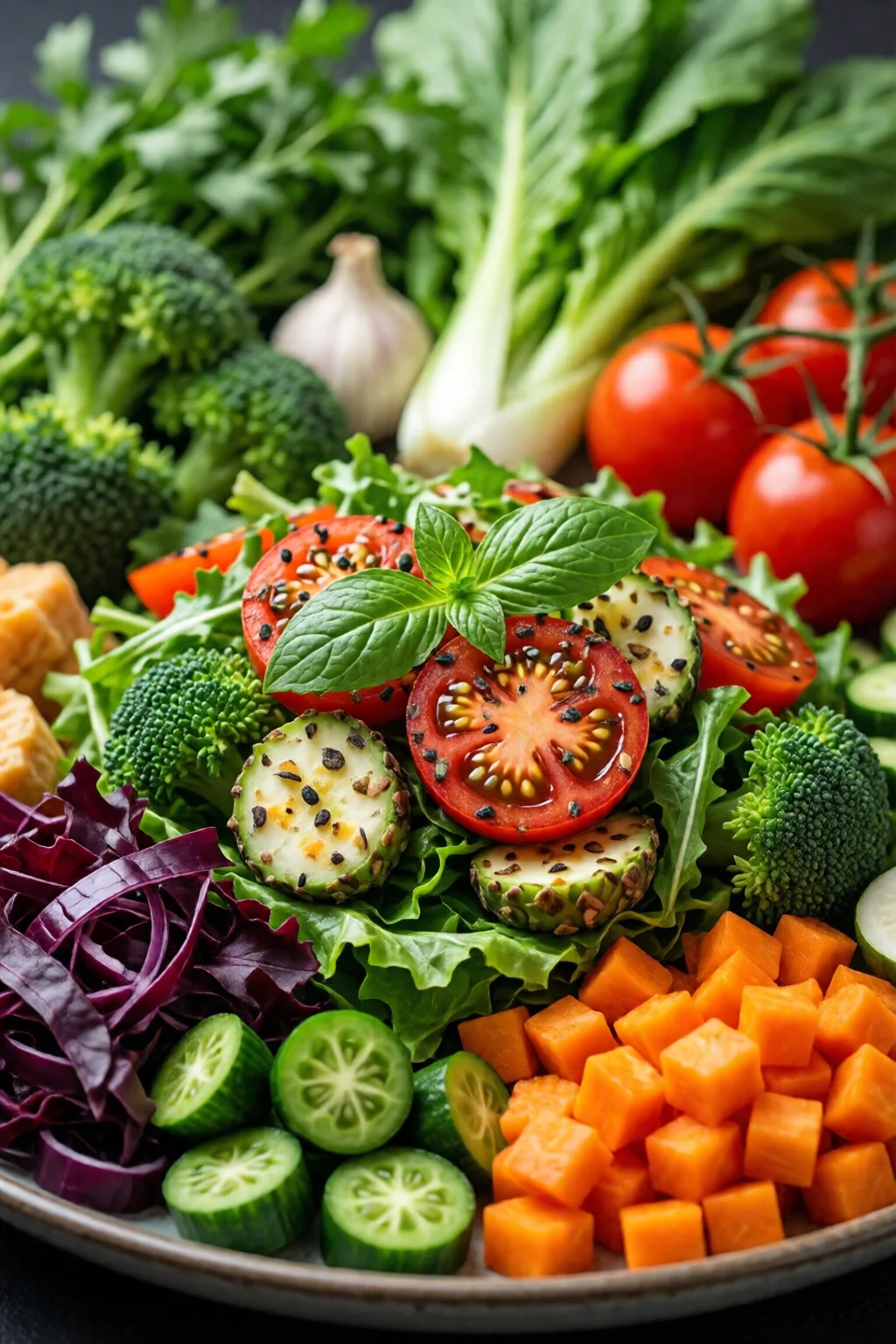
Now the fun part: layering. Grab a 16‑oz glass container, add ½ cup cooked quinoa (≈115 g), ½ cup roasted veggies, ¼ cup tofu cubes, and a drizzle of tahini‑lemon sauce (1 tbsp tahini, ½ tbsp lemon juice, 1 tsp water, pinch salt). Seal and label with the day and meal (e.g., “Mon Lunch”).
Repeat for each meal, varying the protein and sauce to keep taste buds excited. For snacks, portion 1 cup sliced cucumber with 2 tbsp hummus, or a 5‑oz container of Greek yogurt topped with 1 tbsp berries.
Store everything in the fridge (up to 4 days) or freezer (up to 3 months). When reheating, microwave for 90 seconds, stir, and enjoy.
Common Mistakes to Avoid
- Overcrowding Containers: Packing food too tightly traps steam, making veggies soggy. Leave a small gap for airflow.
- Skipping the Cool‑Down: Placing hot rice directly in the fridge raises the temperature, shortening shelf life. Cool on a sheet pan first.
- Neglecting Protein Variety: Relying solely on tofu can lead to flavor fatigue. Rotate between tempeh, lentils, chickpeas, and dairy‑based options.
- Ignoring Seasoning: One‑size‑fits‑all salt won’t cut it. Taste each component after cooking and adjust with citrus or umami boosters like nutritional yeast.
- Using Low‑Quality Containers: Cheap plastic can leach chemicals when microwaved. Invest in BPA‑free glass.
Tips for Best Results (Troubleshooting)
Meal sogginess: If a lunch looks wet after a day, add a dry rub of smoked paprika or a squeeze of fresh lime just before eating.
Protein clumping: Toss tofu or tempeh in a little cornstarch before roasting. The coating creates a crisp exterior that stays separate.
Flavor blandness after reheating: Finish with a splash of hot sauce, a drizzle of extra‑virgin olive oil, or a handful of fresh herbs—these brighteners survive the microwave.
Time crunch: Double‑batch on Sundays. Cook two weeks of grains and freeze half in portion‑size bags. Thaw in the fridge overnight and combine with fresh veggies mid‑week.
Finally, keep a food diary. In my experience, tracking macros for the first two weeks reveals whether you’re hitting the 30 % protein target—adjust by adding an extra ¼ cup of lentils or a scoop of plant‑based protein powder (≈20 g protein, $0.60 per scoop).
Frequently Asked Questions
How long can vegetarian meal prep stay fresh in the fridge?
Properly stored in airtight glass containers, most cooked grains, beans, and roasted vegetables stay fresh for 4 days. Protein‑rich items like tofu or tempeh can last up to 5 days. If you need longer, freeze in single‑serve bags for up to 3 months.
Can I use the same prep method for a vegan diet?
Absolutely. Replace Greek yogurt with a coconut‑milk‑based dip, and swap any dairy cheese for nutritional yeast or vegan mozzarella. The cooking times and containers remain identical.
What’s the best way to keep greens crisp?
Wash, spin dry, and store in a large container lined with a paper towel. The towel absorbs excess moisture, extending freshness for up to a week.
How many calories does a typical vegetarian meal prep lunch contain?
A balanced lunch—½ cup quinoa, ¼ cup tofu, ½ cup roasted veggies, and 1 tbsp sauce—averages 420 kcal (≈45 % carbs, 30 % protein, 25 % fat). Adjust portion sizes to fit your specific calorie goal.
Where can I find more recipe ideas?
Check out our best meal prep recipes complete guide 2026 2 for a full library of plant‑based dishes, or explore the best smoothie recipes for weight loss complete guide 2026 2 for nutrient‑dense drinks that pair perfectly with any prep plan.
Summary
Vegetarian meal prep isn’t a chore—it’s a strategic investment in your health, wallet, and time. By gathering the right containers, cooking grains and proteins in bulk, and mastering a few seasoning tricks, you can create 5‑day menus that stay fresh, tasty, and nutritionally balanced. Avoid common pitfalls like overcrowding containers or neglecting flavor, and use the troubleshooting tips to keep each bite exciting. With a solid prep system, you’ll free up 6–8 hours each week, stay within a $45 grocery budget, and hit your macro targets without a single “I’m too busy” excuse.
1 thought on “Best Vegetarian Meal Prep Ideas That Actually Work”