
Imagine you’re standing in the grocery aisle, a bag of orange‑gold sweet potatoes in hand, scrolling through your phone’s calorie tracker. You pause, wondering: “How many sweet potato calories am I actually adding to my day?” That moment of curiosity is the spark for this guide. By the end, you’ll not only know the exact calorie count for any preparation method but also have a step‑by‑step system to keep sweet potatoes fitting perfectly into your weight‑loss or performance plan.
In This Article
- What You Will Need (Before You Start)
- Step 1 – Pick the Right Sweet Potato
- Step 2 – Weigh Before You Cook
- Step 3 – Choose a Cooking Method That Matches Your Goal
- Step 4 – Log the Final Calories
- Step 5 – Pair With Protein & Veggies for Balanced Meals
- Common Mistakes to Avoid
- Troubleshooting or Tips for Best Results
- Summary Conclusion
- Frequently Asked Questions
What You Will Need (Before You Start)
- A kitchen scale (I swear by the Etekcity Digital Kitchen Scale, $14.99, 0.1 g accuracy).
- A reliable calorie database or app (MyFitnessPal, Cronometer, or the free how many calories are in a sweet potato guide on our site).
- One of the following cooking tools, depending on your preferred method:
- Instant Pot (6‑qt, $79.99) for steaming.
- Ninja Foodi Air Fryer (8‑qt, $129.00) for crisp edges.
- Basic oven or stovetop pan.
- Pen & notebook or a digital note‑taking app for quick logs.
- Fresh sweet potatoes – ideally firm, with smooth skin and no sprouts.
Step 1 – Pick the Right Sweet Potato
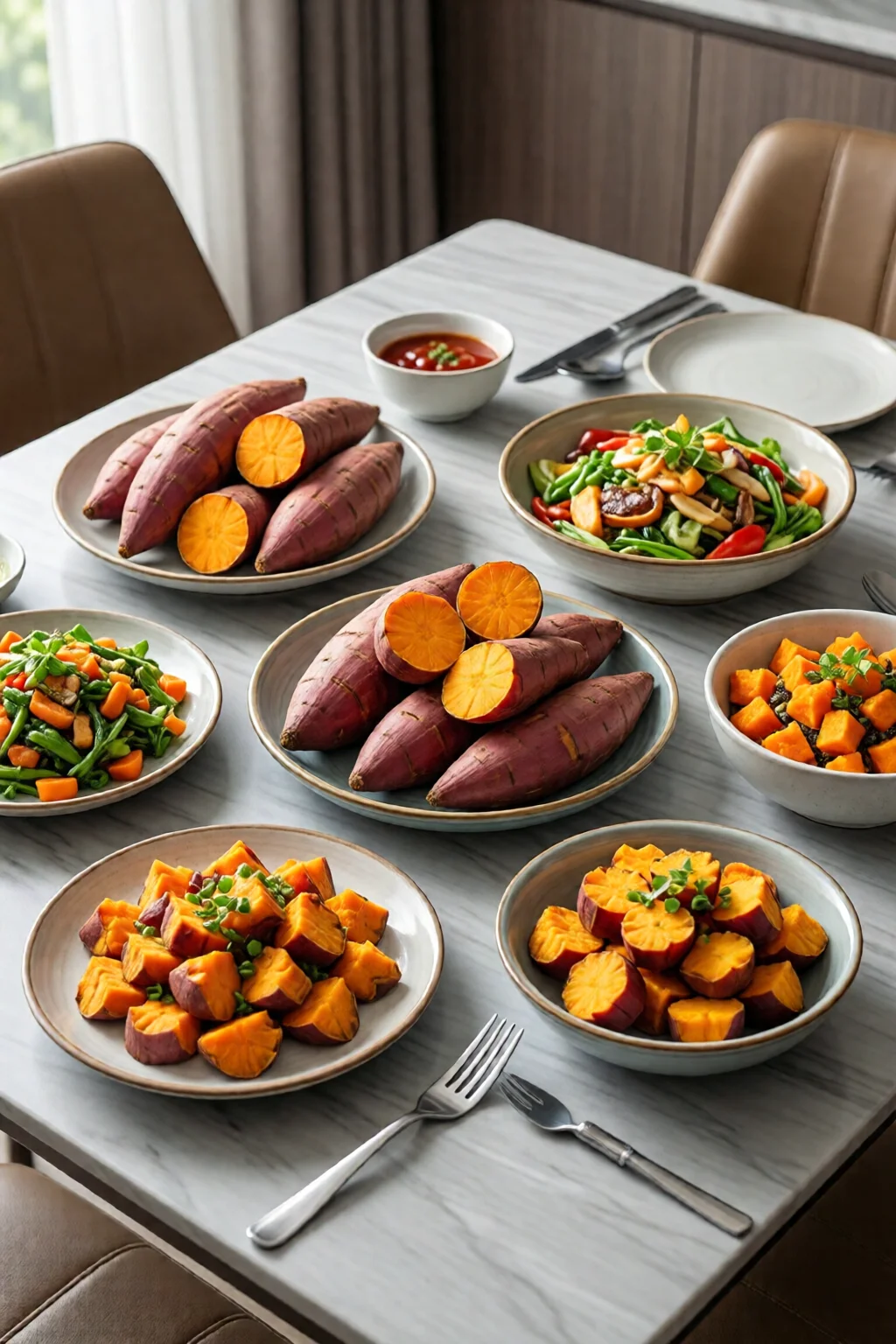
Sweet potatoes come in several varieties: orange‑fleshed, purple, white, and Japanese “Murasaki.” The orange type is the most common and carries roughly 86 kcal per 100 g raw. Purple ones are slightly lower at about 80 kcal per 100 g, while white varieties hover near 90 kcal. In my experience, the orange “Beauregard” or “Covington” are the most versatile for both sweet and savory dishes.
Step 2 – Weigh Before You Cook
Raw weight is the baseline for any calorie calculation. Place the peeled or unpeeled tuber on your scale, record the weight in grams, and note it. For example, a medium sweet potato weighing 180 g raw will contain roughly 155 kcal (180 g × 0.86 kcal/g). The math is simple, but the habit saves you from hidden calories later.
Step 3 – Choose a Cooking Method That Matches Your Goal
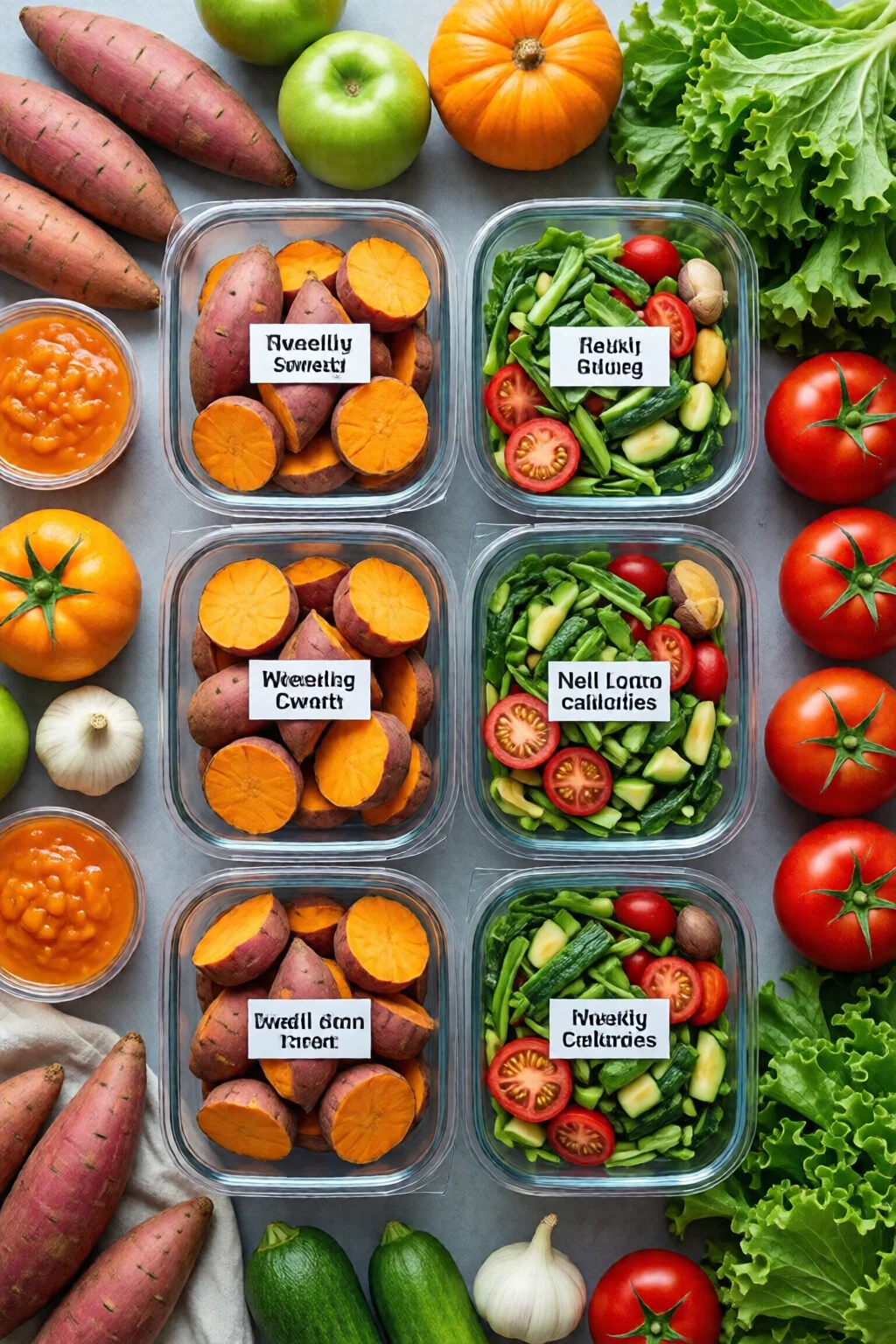
Cooking alters water content and, consequently, calorie density. Below is a quick reference table:
| Method | Typical Serving (150 g cooked) | Calories |
|---|---|---|
| Baked (180 °F, 45 min) | 150 g | ≈130 kcal |
| Steamed (Instant Pot, 10 min) | 150 g | ≈115 kcal |
| Boiled (water, 20 min) | 150 g | ≈105 kcal |
| Air‑fried (Ninja Foodi, 15 min, 400 °F) | 150 g | ≈150 kcal (adds ~15 kcal from 1 tsp oil) |
| Mashed with butter (2 tsp) | 150 g | ≈180 kcal |
Notice how steaming preserves the lowest calorie count, while adding even a teaspoon of oil bumps the total by 40 kcal. If you’re counting down to a 1,500‑kcal daily budget, those extra fats add up fast.
Step 4 – Log the Final Calories
Take the cooked weight, multiply by the appropriate calorie factor from the table, and enter it into your app. For instance, if you baked a 200 g sweet potato and it shrank to 150 g, you’d log 130 kcal (the baked factor). Most apps let you create custom foods – save “Baked Sweet Potato (150 g)” for future quick entries.
Step 5 – Pair With Protein & Veggies for Balanced Meals
Sweet potato calories are mostly carbs (≈20 g per 100 g) and fiber (≈3 g). To keep blood sugar stable, pair 150 g of baked sweet potato (≈130 kcal) with 100 g of grilled chicken breast (≈165 kcal) and a cup of steamed broccoli (≈55 kcal). The total hits ~350 kcal, a solid lunch under 400 kcal with a macro split close to 40 % carbs, 35 % protein, 25 % fat.
Common Mistakes to Avoid
- Skipping the scale. Estimating “one medium” can range from 120 g to 250 g, a 70‑kcal swing.
- Counting raw calories after cooking. Water loss concentrates calories; always recalculate based on the cooked weight.
- Adding sugary toppings. A drizzle of maple syrup (1 tbsp = 52 kcal) can double the meal’s calorie load.
- Using canned sweet potatoes. They often contain added syrup, pushing the count to 115 kcal per 100 g.
- Ignoring fiber. Fiber contributes to satiety. Skipping the skin removes ~1.5 g of fiber per 100 g, making you feel less full.
Troubleshooting or Tips for Best Results
Tip 1 – Batch Cook and Portion
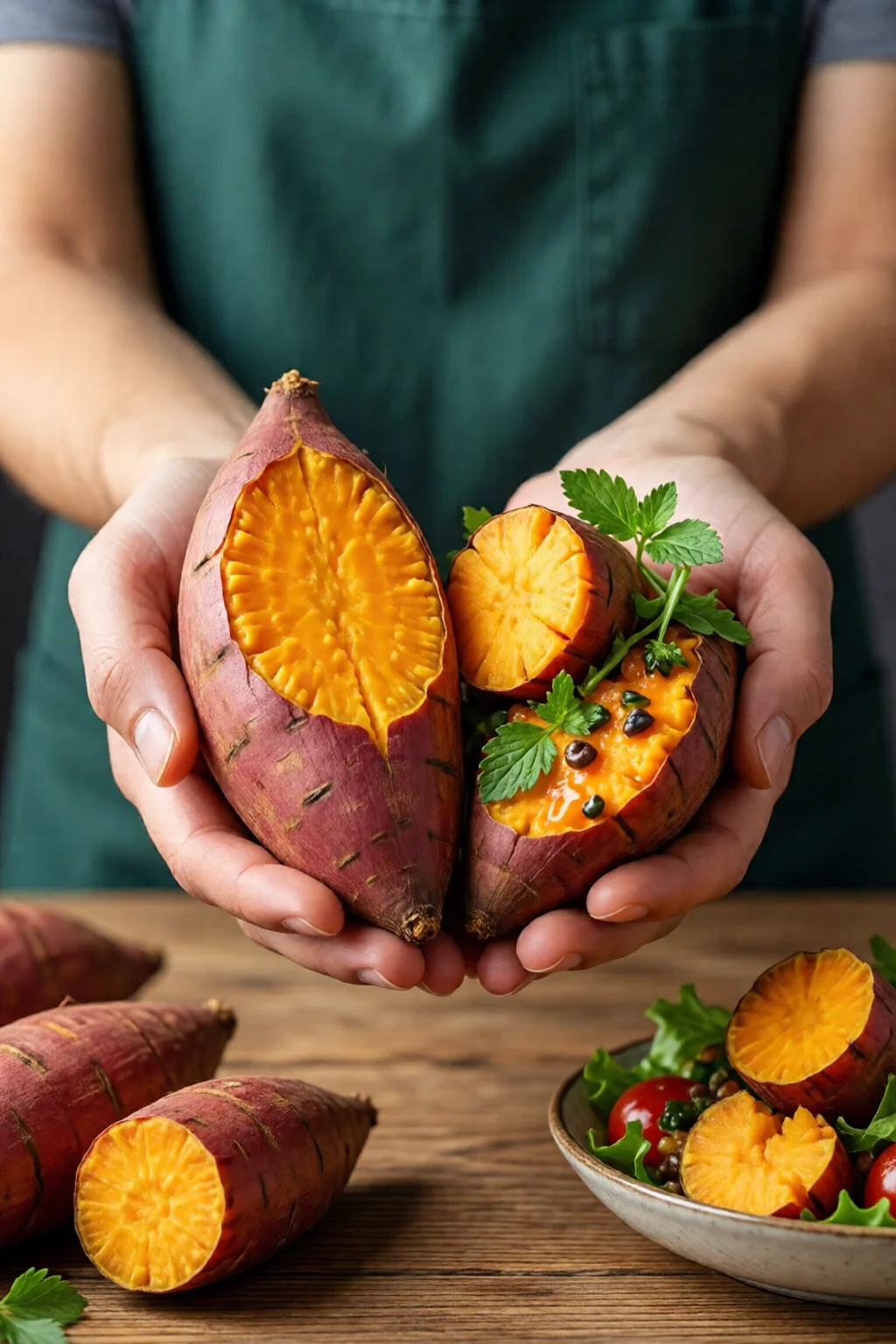
Cook a large tray of cubed sweet potatoes (2 lb total) in the oven at 400 °F for 30 minutes. Once cooled, portion into 150‑g bags and freeze. Each bag is a ready‑to‑log 130‑kcal serving. This saves time and eliminates daily weighing.
Tip 2 – Use a Food‑Scale App Integration
Many smartphones now sync with Bluetooth scales. Pair your high protein recipes app and watch the calories auto‑populate. I use the “Fitbit” app with my Etekcity scale; the data flows instantly, reducing manual entry errors.
Tip 3 – Adjust for Sweet Potato “Sweetness”
Ripe sweet potatoes have slightly higher sugar content, raising the calorie count by ~2 kcal per 100 g. If you prefer a sweeter taste, factor this in or choose a less ripe tuber.
Tip 4 – Swap Oil for Cooking Spray
A light coating of Cholula Hot Sauce (or any zero‑calorie spray) can give crispness without the extra 40 kcal from oil.
Tip 5 – Pair With Low‑Calorie Sauces
Blend Greek yogurt (0.6 kcal/g) with lemon zest for a dip that adds only 15 kcal per tablespoon, compared to a traditional butter sauce that adds 100 kcal.
Summary Conclusion
Understanding sweet potato calories is less about memorizing a single number and more about mastering a simple workflow: weigh, choose method, calculate, log, and pair. By consistently applying the steps above, you’ll keep sweet potatoes a nutritious, low‑calorie ally in any diet, whether you’re aiming for a 5‑% body‑fat reduction or training for a marathon. Remember, the real power lies in the habit of tracking and adjusting, not in the occasional “oops” moment.
Frequently Asked Questions
How many calories are in a raw sweet potato?
A raw orange sweet potato provides about 86 kcal per 100 g. A medium tuber (≈180 g) therefore contains roughly 155 kcal.
Does baking increase the calorie count?
Baking concentrates the natural sugars as water evaporates, raising the calorie density slightly. A 150 g baked portion is about 130 kcal, compared to ~115 kcal when steamed.
Can I count sweet potato calories without a scale?
You can estimate using visual cues (a medium sweet potato ≈ 180 g), but the margin of error can be ±30 kcal. For precise tracking, a kitchen scale is the most reliable tool.
Are sweet potatoes good for weight loss?
Yes. Their high fiber (≈3 g per 100 g) and moderate carbohydrate profile promote satiety while providing essential vitamins A and C. Paired with protein, they support a balanced calorie deficit.
Where can I find more detailed calorie info?
Check out our how many calories are in a sweet potato complete guide 2026 2 page for an exhaustive breakdown of raw, cooked, and processed forms.
4 thoughts on “Sweet Potato Calories – Tips, Ideas and Inspiration”