Picture this: you’re scrolling through Instagram, seeing friends flaunting six‑pack abs while you’re still wrestling with that stubborn love‑handle that refuses to budge. You’ve tried endless cardio, calorie‑counting apps, and even the occasional “detox tea,” but the scale won’t move. In my ten‑plus years coaching clients, I’ve learned that the missing piece is often a smart, structured program of strength training for weight loss. When you pair heavy lifts with a modest calorie deficit, you’ll torch fat, preserve muscle, and finally see the body changes you’ve been chasing.
In This Article
- What You’ll Need Before You Start
- Step 1: Set Your Baseline and Goals
- Step 2: Choose the Right Equipment
- Step 3: Build a Balanced Routine
- Step 4: Apply Progressive Overload
- Step 5: Integrate Cardio Wisely
- Step 6: Nutrition Synchronization
- Common Mistakes to Avoid
- Troubleshooting & Tips for Best Results
- Summary
What You’ll Need Before You Start
Before you dive in, gather these essentials. Think of them as the “ingredients” for a recipe that actually works.
- Equipment: A set of adjustable dumbbells (e.g., PowerBlock Elite, $199) or a budget-friendly pair of Bowflex SelectTech 552 ($349). If you have a home gym, a 45‑lb barbell, a 7‑ft Olympic weight plate set (total $210), and a sturdy power rack (Rogue R‑3, $1,099) are ideal.
- Footwear: Stable, low‑profile training shoes (Nike Metcon 8, $130) to give you a solid base for squats and deadlifts.
- Timing: Aim for 30‑45 minutes per session, 3‑4 times a week. Consistency beats marathon sessions.
- Nutrition basics: A simple spreadsheet or MyFitnessPal account to keep your calories ~15‑20% below maintenance (roughly a 300‑500 kcal deficit for most adults).
- Tracking tools: A tape measure, a scale that shows body fat percentage (e.g., Withings Body+ for $99), and a notebook or phone app for logging sets, reps, and RPE (Rate of Perceived Exertion).

Step 1: Set Your Baseline and Goals
First, know where you’re starting. Take a full‑body photo, record your weight, body fat %, and measurements (waist, hips, thighs). Then, write a concrete goal: “Lose 12 lb of fat and drop waist circumference by 2 inches in 12 weeks.” This specific target gives you a clear endpoint and motivates you to stick to the plan.
Step 2: Choose the Right Equipment
If you’re limited on space, the PowerBlock set can replace an entire rack. I’ve seen clients replace a 300‑lb home gym with a single 12‑kg adjustable dumbbell set for under $150 and still achieve progressive overload by increasing reps or tempo. For those who love the feel of a barbell, start with a 45‑lb Olympic bar and a few 10‑lb plates; you can always add more as you progress.
Step 3: Build a Balanced Routine
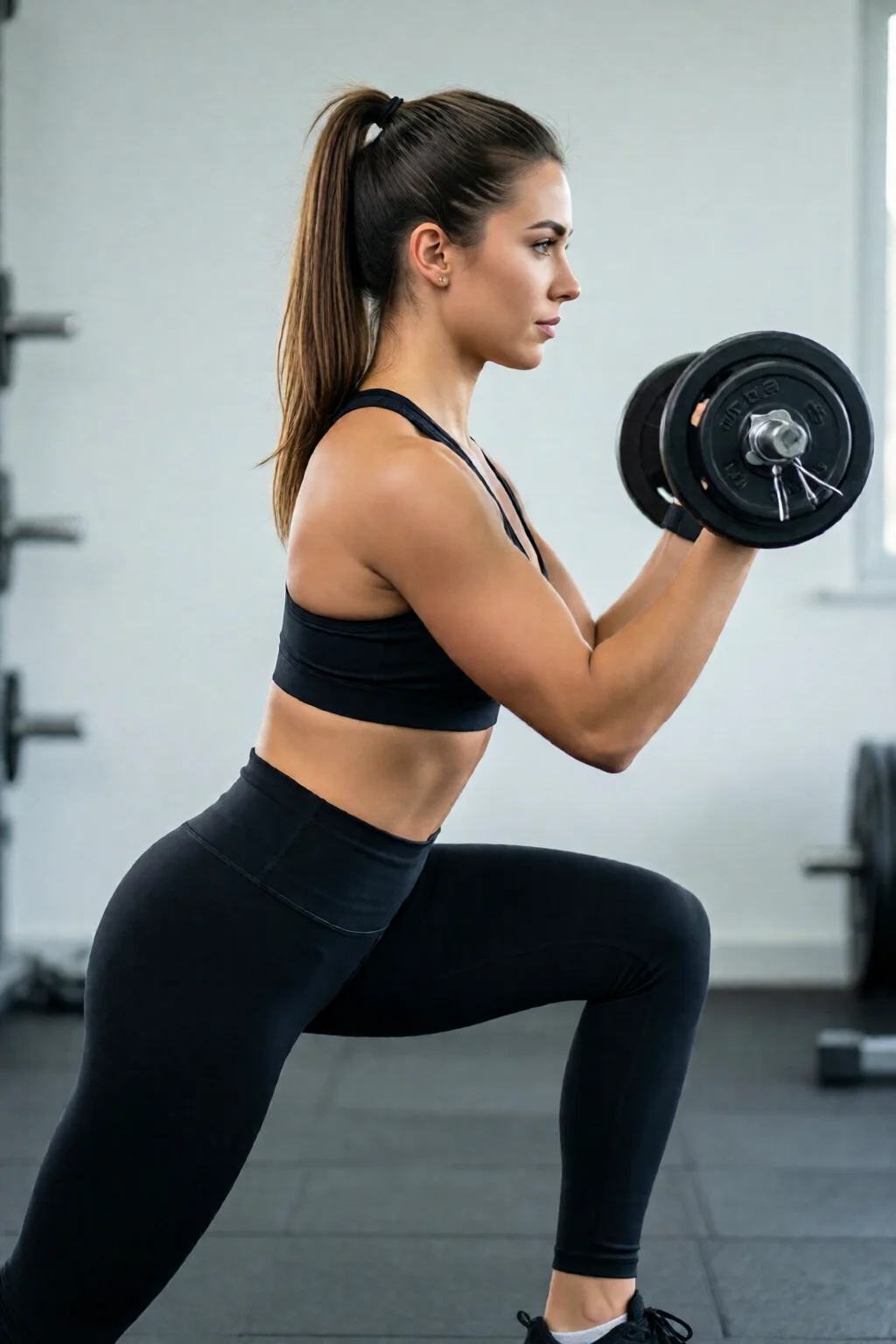
Here’s a beginner‑friendly, full‑body split that hits all major muscle groups three times a week. Each workout lasts ~40 minutes.
Day A – Push Focus
- Barbell Bench Press – 3 sets × 8‑10 reps (70 % of 1RM)
- Standing Overhead Dumbbell Press – 3 × 10 reps (25‑lb each)
- Incline Push‑Ups – 2 × 12‑15 reps (add a weight vest if needed, 10 lb)
- Triceps Rope Push‑Down (cable machine) – 3 × 12 reps (30 lb)
Day B – Pull Focus
- Deadlift – 3 × 6‑8 reps (starting at 95 lb)
- One‑Arm Dumbbell Row – 3 × 10 reps (35‑lb)
- Lat Pulldown – 3 × 12 reps (50 lb)
- Face Pulls – 2 × 15 reps (25 lb)
Day C – Lower Body & Core
- Goblet Squat – 4 × 12 reps (50‑lb kettlebell)
- Romanian Deadlift – 3 × 10 reps (45‑lb barbell)
- Walking Lunges – 2 × 20 steps (bodyweight or 20‑lb dumbbells)
- Plank – 3 × 45 seconds
Key principle: compound movements (bench press, deadlift, squat) recruit multiple muscle groups, raising your post‑exercise oxygen consumption (EPOC) and torching calories long after you finish.
Step 4: Apply Progressive Overload
Weight loss stalls when you stop challenging your muscles. Every week, aim to increase either the load by 2.5‑5 lb, add an extra rep, or shave 0.5 seconds off rest periods. Track this in your notebook. For example, if you completed 3 × 10 reps of the dumbbell press at 30 lb, next week go to 32 lb or 3 × 11 reps.
Step 5: Integrate Cardio Wisely
While strength training is the star, a little cardio can accelerate fat loss. I recommend 10‑15 minutes of HIIT (e.g., 30 seconds sprint on a treadmill at 12 mph, 90 seconds walk) right after your lifts. This preserves glycogen for your lifts and spikes growth hormone, aiding muscle retention.
Step 6: Nutrition Synchronization
Eating enough protein is non‑negotiable. Aim for 1.0‑1.2 g protein per pound of bodyweight (if you weigh 180 lb, that’s 180‑216 g protein, roughly 720‑864 cal). Good sources: organic chicken breast ($3.99/lb), wild‑caught salmon ($9.99/lb), or budget options like canned tuna ($0.85 per 5‑oz can). Pair protein with fibrous veggies and a modest carb (sweet potato, 150 g = ~130 cal). The intermittent fasting health benefits guide can help you structure meal timing if you prefer an eating window.
Common Mistakes to Avoid
- Relying solely on cardio. One mistake I see often is clients doing 60 minutes of steady‑state cardio and neglecting lifts. The result? Muscle loss, slower metabolism, and plateaus.
- Skipping warm‑up. Jumping straight into heavy squats without a 5‑minute dynamic warm‑up (leg swings, band pull‑aparts) raises injury risk.
- Using “light” weights for high reps. If you can’t feel the burn in the target muscle by the last rep, the load is too light for effective hypertrophy.
- Neglecting recovery. Overtraining (5+ sessions/week) without adequate sleep (<7 hours) spikes cortisol, which can actually store fat around the midsection.
- Not tracking progress. Without numbers, you’ll never know if you’re truly improving. Use a simple spreadsheet: date, weight, reps, load.
Troubleshooting & Tips for Best Results
Stalled weight loss? Double‑check your calorie intake. Even a 100‑calorie surplus can halt progress. Use a food scale (digital, $12) and log everything.
Feeling sore all the time? Incorporate active recovery: 20‑minute brisk walk, foam rolling (TriggerPoint GRID, $35), or a yoga session from the cute workout sets complete guide 2026 2.
Plateau after 6 weeks? Switch rep schemes. Move from 3 × 10 to 5 × 5 heavy days for a week, then back. This “wave loading” shocks the nervous system and reignites growth.
Limited equipment? Use bodyweight supersets: push‑up to squat jump, 4 × 12 each, with 30‑second rest. Add a backpack with books (~15 lb) for extra resistance.
Motivation dips? Log a weekly photo and compare. Seeing a 2‑inch waist reduction can be more motivating than the scale.
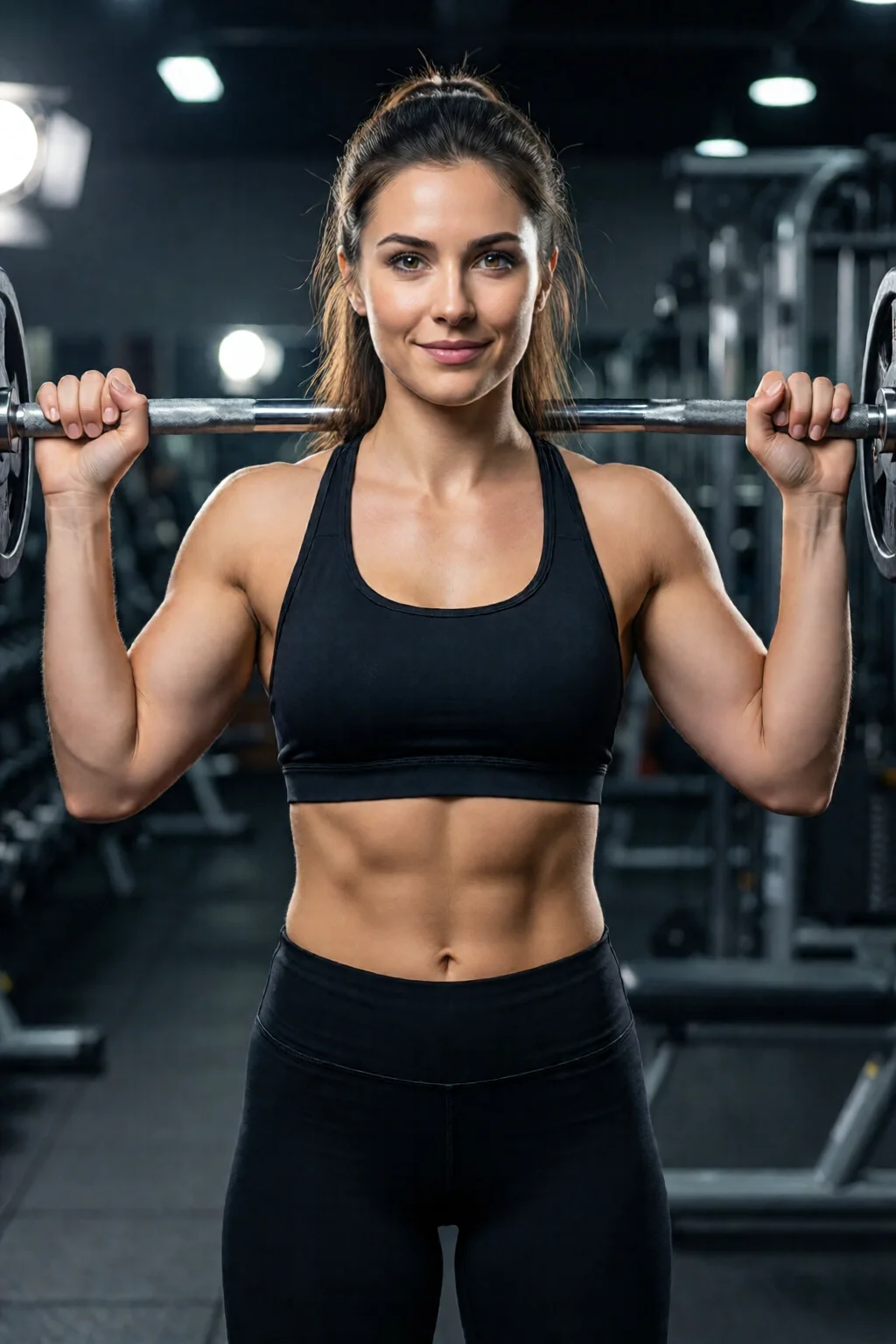
Summary
Strength training for weight loss isn’t a magic pill; it’s a systematic approach that blends muscle‑building lifts, smart nutrition, and occasional cardio. By setting clear goals, using the right equipment, following a progressive full‑body routine, and avoiding common pitfalls, you’ll boost metabolism, preserve lean mass, and finally watch the fat melt away. Remember, consistency beats perfection—show up, lift heavy, eat enough protein, and let the results speak for themselves.
How many days per week should I do strength training for weight loss?
Three to four sessions per week is optimal. This frequency allows enough stimulus for muscle growth while giving your body time to recover and keep metabolism elevated.
Do I need to count calories if I’m strength training?
Yes. A modest calorie deficit (15‑20%) ensures fat loss while protein intake preserves muscle. Tracking with an app or spreadsheet is the most reliable method.
Can I lose fat without cardio if I lift weights?
Absolutely. Strength training creates a high metabolic afterburn (EPOC). Adding a short HIIT finisher can accelerate results, but it’s not mandatory.
What’s the best protein source for a weight‑loss plan?
Lean animal proteins like chicken breast, turkey, and fish are top choices. Plant‑based options (lentils, tofu) work too, just ensure you meet your total gram goal.
How long will it take to see results?
Most people notice changes in body composition within 4‑6 weeks—weight may drop slowly, but waist measurements often shrink faster due to muscle gain and fat loss.
2 thoughts on “Strength Training For Weight Loss: Complete Guide for 2026”