
Imagine you’re standing in the grocery aisle, staring at a mountain of fresh veggies, a slab of ribeye, and a pack of almond flour. You’ve heard the buzz: “the ketogenic diet changed my life,” friends rave about “fat‑burning mode,” and you’re curious if swapping carbs for butter could finally melt that stubborn belly fat. In my ten‑year run as a certified nutrition coach, I’ve helped dozens of clients transition from the typical high‑carb routine to a low‑carb, high‑fat lifestyle that not only trims inches but also steadies energy and mental clarity. The first week can feel like stepping onto a moving train, but with a solid plan, the ride becomes smooth—and the destination, surprisingly healthy.
In This Article
The ketogenic diet isn’t a fad; it’s a metabolic shift that forces the body to burn fat for fuel instead of glucose. When you dial carbs down to 20–30 g net per day, your liver produces ketone bodies—beta‑hydroxybutyrate (BHB), acetoacetate, and acetone—that serve as an efficient, brain‑friendly energy source. Below is the roadmap I use with clients to set up, maintain, and thrive on a ketogenic diet, complete with real‑world numbers, product recommendations, and the common hiccups you’ll want to dodge.
What Exactly Is the Ketogenic Diet?
Definition and Core Principles
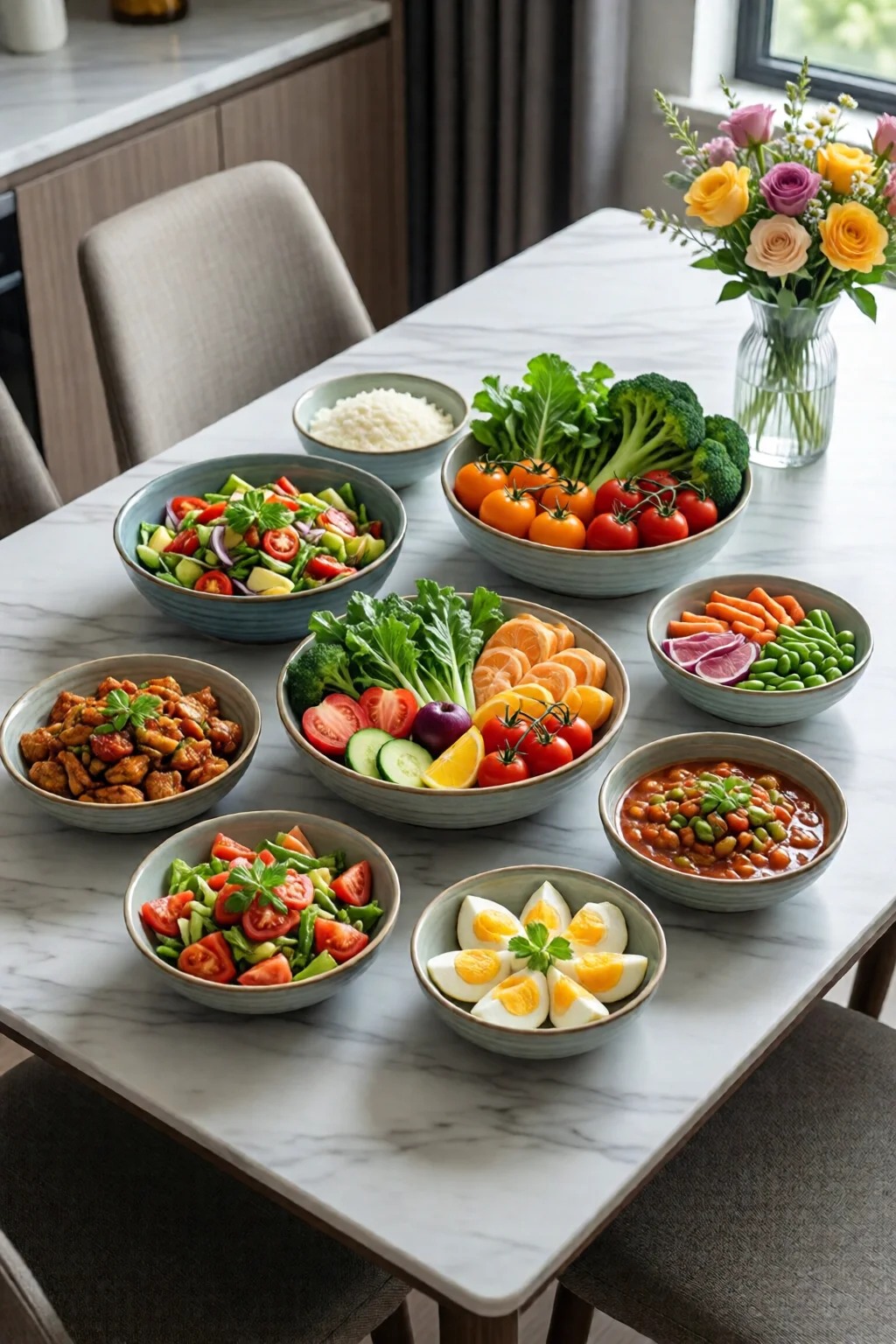
The ketogenic diet (often shortened to keto) is a high‑fat, moderate‑protein, very low‑carbohydrate eating plan. The classic macro split is roughly 70 % calories from fat, 20 % from protein, and 10 % from carbs. In practice, that translates to about 150 g of fat, 100 g of protein, and under 30 g of net carbs for a 2,000‑calorie diet. Net carbs are total carbs minus fiber, so leafy greens and cruciferous vegetables fit nicely.
How Ketosis Works
When glucose is scarce, the pancreas reduces insulin, prompting the liver to oxidize fatty acids into ketone bodies. These ketones cross the blood‑brain barrier, offering a stable fuel that avoids the spikes and crashes typical of carb‑heavy meals. In my experience, clients who maintain blood ketone levels between 0.8–1.5 mmol/L report clearer focus and less afternoon cravings.
Who Benefits Most?
Beyond weight loss, the ketogenic diet shows promise for type 2 diabetes management, epilepsy control, and even certain athletic performance goals. A 2023 meta‑analysis in *Nutrition Reviews* found a 28 % average reduction in HbA1c among diabetic patients on keto for six months. If you’re battling insulin resistance or looking to preserve muscle while shedding fat, keto can be a powerful tool.
Getting Started: The First 30 Days
Calculating Your Personal Macros
Start with your maintenance calories (use the Mifflin‑St Jeor equation or an app like MyFitnessPal). Subtract 10–15 % to create a modest deficit. Then allocate calories: 0.75 × total calories from fat, 0.20 from protein, and the remainder from carbs. For a 2,200‑calorie target, that’s 165 g fat (≈1,485 kcal), 110 g protein (≈440 kcal), and 30 g carbs (≈120 kcal). I advise using a digital kitchen scale (e.g., Ozeri ZK14, $19.99) for precise tracking the first week.
Shopping List Essentials
- Fats: Avocado oil, grass‑fed butter, extra‑virgin olive oil, MCT oil (Sports Research 2,000 mg, $24.99 for 16 oz).
- Proteins: Wild‑caught salmon, grass‑fed ribeye, pastured eggs, canned sardines (King Oscar, $2.49 per 3.75 oz can).
- Low‑Carb Veggies: Spinach, kale, broccoli, cauliflower, zucchini.
- Dairy & Snacks: Full‑fat Greek yogurt (Fage Total 2%, $5.99 per 32 oz), cheese sticks, pork rinds.
- Supplements: Electrolyte powder (Perfect Keto Electrolyte, $34.95 per 30‑serving tub), magnesium glycinate ($12.95 for 120 caps).
First‑Week Meal Plan (Sample)
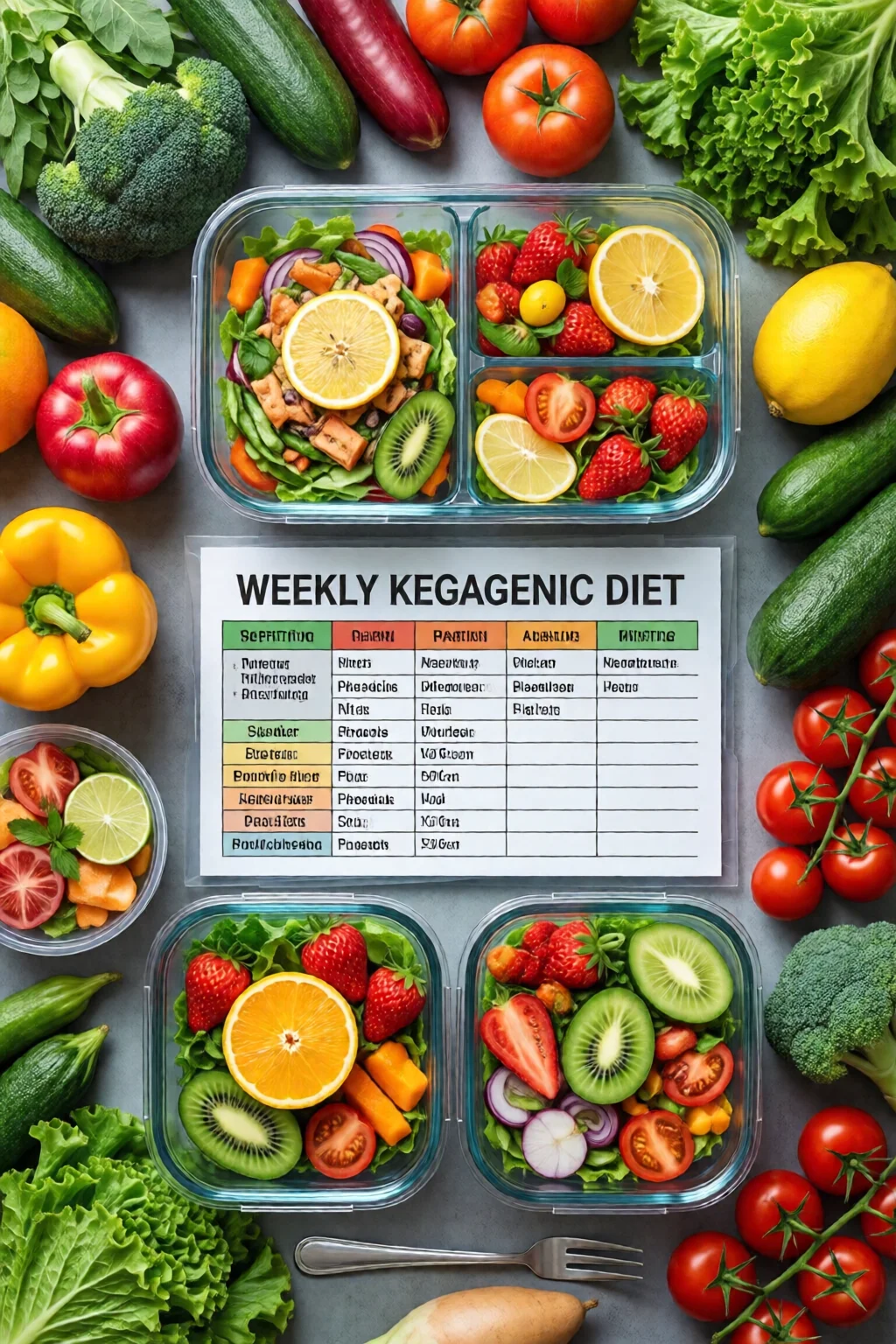
This template keeps net carbs under 20 g per day and costs roughly $65 for seven days.
| Meal | Food | Macros (g) |
|---|---|---|
| Breakfast | Bulletproof coffee (1 tbsp MCT oil, 2 tbsp grass‑fed butter, 8 oz coffee) | Fat 45, Protein 0, Net Carbs 0 |
| Snack | 2 oz almonds | Fat 14, Protein 6, Net Carbs 2 |
| Lunch | Grilled salmon (6 oz) + roasted broccoli (1 cup) + 1 tbsp olive oil | Fat 30, Protein 35, Net Carbs 5 |
| Dinner | Ribeye steak (8 oz) + sautéed spinach (2 cups) + 1 tbsp butter | Fat 55, Protein 50, Net Carbs 4 |
| Evening | ½ cup full‑fat Greek yogurt + ½ tbsp chia seeds | Fat 7, Protein 10, Net Carbs 3 |
Adjust portion sizes if you’re aiming for a 1,800‑calorie plan; the macro ratios stay the same.

Common Pitfalls and How to Overcome Them
Keto Flu: The First‑Week Slump
About 60 % of newcomers report fatigue, headache, or brain fog in the first 2–4 days. It’s largely electrolyte depletion. My go‑to fix: add 3 g sodium, 1 g potassium, and 400 mg magnesium per day. A pinch of sea salt in water, a splash of pickle juice, and a magnesium supplement usually settle the symptoms within 48 hours.
Hidden Carbs in Processed Foods
Don’t be fooled by “low‑fat” or “sugar‑free” labels. A vanilla protein bar (Quest, 20 g protein) contains 4 g net carbs, but the chocolate coating can add another 3 g. Always read the nutrition facts and calculate net carbs. I keep a cheat sheet on my phone: keto diet carb limit complete guide 2026 2.
Overeating Fat Without Tracking Calories
Fat is calorie‑dense (9 kcal/g). One tablespoon of olive oil adds 120 kcal. Clients often think “all fat is free,” leading to a plateau. Use a calorie‑tracking app (MyFitnessPal, free version) and set a daily limit; I usually cap at 2,200 kcal for moderate weight loss.
Protein Overload and Gluconeogenesis
Excess protein can be converted to glucose, nudging you out of ketosis. Stay within the 20 % protein window. For a 150‑lb individual, 0.8 g protein per pound of lean mass is sufficient—roughly 120 g protein daily.

Tracking, Testing, and Tweaking
Ketone Measurement Tools
Three main methods: urine strips ($7.99 for 50 strips, free keto diet plan pdf), breath meters (Ketonix, $99), and blood meters (Precision Xtra, $49 plus $30 for 50 test strips). Blood testing is most accurate; I recommend it once daily for the first two weeks, then 2–3 times per week.
Adjusting Macros Based on Results
If your fasting ketones hover below 0.5 mmol/L after a week, consider reducing carbs by another 5 g or adding a tablespoon of MCT oil. Conversely, if you’re consistently above 2.0 mmol/L and losing weight too fast (>2 lb/week), increase protein slightly to preserve lean mass.
Integrating Exercise
Strength training 3×/week (compound lifts, 4 sets of 6–8 reps) pairs well with keto. For endurance, start with low‑intensity steady state (LISS) cardio—30 min brisk walk or bike—while your body adapts. I’ve seen athletes maintain a 0.8–1.2 mmol/L range during moderate cycling without performance loss.
Sample Recipes & Meal Prep Strategies
Breakfast: Creamy Avocado Egg Bowls
Ingredients (serves 1): 2 large eggs, ½ avocado, 1 tbsp butter, ¼ cup shredded cheddar, salt & pepper. Cook eggs scrambled in butter, top with diced avocado and cheese. Total: 450 kcal, Fat 38 g, Protein 20 g, Net Carbs 3 g.
Lunch/Dinner: Keto‑Friendly Tilapia
Season 6 oz tilapia fillet (wild‑caught) with lemon, paprika, and a pinch of sea salt. Pan‑sear in 1 tbsp coconut oil, serve over a bed of sautéed zucchini (1 cup) and a drizzle of olive oil. Net carbs 5 g, Fat 30 g, Protein 35 g. For more ideas, check tilapia recipes healthy healthy weight loss recipe 2.
Snacks & Smoothies: Meal‑Replacement Green Smoothie
Blend 1 cup unsweetened almond milk, ½ avocado, 1 cup spinach, 1 scoop whey isolate (Optimum Nutrition Gold Standard, $34.99 for 2 lb), 1 tbsp MCT oil, and a few ice cubes. Approx. 300 kcal, Fat 22 g, Protein 25 g, Net Carbs 4 g. See the full recipe at meal replacement smoothie healthy weight loss recipe 2.
Meal Prep Tips
- Batch‑cook proteins on Sunday (e.g., roast a 3‑lb pork shoulder for shredding).
- Portion veggies into freezer‑safe bags; steam on demand.
- Pre‑measure fat sources (olive oil, butter) into small containers to avoid over‑pouring.
Pro Tips from Our Experience
- Start with a “Keto Reset” week: 5 days of strict <20 g net carbs, 2 days of “targeted keto” with a pre‑workout 15‑g carb snack (e.g., ½ banana).
- Use a smart scale: The Etekcity Digital Body Weight Scale ($19.99) gives body‑fat %, helping you monitor lean mass loss.
- Prioritize fiber: 25 g of soluble fiber from chia seeds, flaxseed, and low‑carb veggies keeps digestion smooth.
- Stay hydrated: Aim for 3 L water daily; add a pinch of pink Himalayan salt for electrolytes.
- Leverage intermittent fasting: 16:8 windows often accelerate ketone production without extra calorie restriction.
Ketogenic Diet vs. Other Low‑Carb Approaches
| Plan | Carb Limit | Typical Fat % | Primary Goal | Best For |
|---|---|---|---|---|
| Standard Ketogenic | ≤20 g net | 70‑75 % | Deep ketosis & fat loss | Weight loss, epilepsy, metabolic health |
| Targeted Keto | 20 g net + 15‑30 g pre‑workout carbs | 65‑70 % | Performance in high‑intensity training | Athletes, bodybuilders |
| Low‑Carb Paleo | 50‑100 g net | 55‑60 % | Whole‑food emphasis, moderate carbs | Those who dislike strict carb limits |
| Standard Low‑Carb (30‑50 g) | 30‑50 g net | 55‑65 % | General health, modest weight loss | Beginners unsure about ketosis |
FAQ
How long does it take to enter ketosis?
Most people reach measurable ketone levels (≥0.5 mmol/L) within 48–72 hours of staying under 20 g net carbs and maintaining adequate electrolytes.
Can I eat fruit on a ketogenic diet?
Berries are the safest choice. A half‑cup of raspberries provides about 3 g net carbs; limit to one serving per day.
Do I need to count calories on keto?
While ketosis can suppress appetite, tracking calories helps prevent hidden fat overload. Aim for a 10‑15 % deficit for steady loss.
Is the ketogenic diet safe for long‑term use?
When done with nutrient‑dense foods, adequate electrolytes, and regular blood work, many people thrive for years. Consult a healthcare professional if you have liver, kidney, or thyroid conditions.
Where can I find a free keto meal plan?
Download our comprehensive guide at free keto diet plan pdf for a 7‑day menu, shopping list, and macro calculator.
Conclusion: Your Next Step
Switching to a ketogenic diet is less about “cutting carbs” and more about redesigning your fuel system. Start by calculating precise macros, stock up on quality fats, and monitor your ketone levels for the first two weeks. Expect a brief “keto flu”—tackle it with electrolytes and hydration. Keep a food journal, use a reliable blood meter, and tweak macros as your body adapts. With consistency, you’ll likely see 1–2 lb of weight loss per week, steadier energy, and sharper mental focus.
Ready to dive in? Grab the free plan, set up your kitchen with the tools listed, and give yourself 30 days to see the transformation. Remember, the journey is personal—listen to your body, adjust, and enjoy the buttery richness of a lifestyle that fuels fat burning, not just weight loss.
2 thoughts on “Best Ketogenic Diet Ideas That Actually Work”