
Mastering an intermittent fasting schedule can transform your body composition, energy levels, and relationship with food—all without counting every calorie. In this step‑by‑step guide you’ll learn exactly how to design a fasting plan that fits your lifestyle, the tools you need, and the pitfalls to dodge, so you can start seeing results within the first two weeks.
In This Article
- What You Will Need Before You Start
- Step 1 – Choose the Fasting Window That Matches Your Lifestyle
- Step 2 – Set Your First Meal Time and Calculate Macros
- Step 3 – Plan Your Fast‑Breaking and Closing Meals
- Step 4 – Adjust for Exercise Timing
- Step 5 – Track Progress and Tweak the Window
- Common Mistakes to Avoid
- Troubleshooting and Tips for Best Results
- Summary Conclusion
- Frequently Asked Questions
What You Will Need Before You Start
Before you dive into any fasting protocol, gather these essentials. Having them on hand removes guesswork and keeps you consistent.
- Time‑tracking app: My go‑to is Zero (Free, with premium at $29.99/year). It logs eating windows, notes hunger cues, and sends reminders.
- Kitchen scale: A digital model like the Etekcity 5‑kg scale ($12.99) helps you portion proteins accurately.
- Hydration gear: A 1‑liter insulated bottle (e.g., Hydro Flask 32 oz, $39.95) encourages you to sip water, tea, or black coffee throughout the fast.
- Meal‑prep containers: 3‑quart BPA‑free containers (~$1.20 each) simplify breaking the fast with balanced meals.
- Blood glucose monitor (optional): For diabetics or those monitoring insulin response, the Abbott FreeStyle Libre 2 ($149 starter kit) offers real‑time data.
Having these items ready reduces friction and lets you focus on the schedule itself.

Step 1 – Choose the Fasting Window That Matches Your Lifestyle
The backbone of any intermittent fasting schedule is the eating‑window length. The three most popular patterns are:
- 16/8: Fast for 16 hours, eat within an 8‑hour window (e.g., 12 pm–8 pm). Ideal for beginners; it aligns with typical dinner times.
- 18/6: Fast for 18 hours, eat within 6 hours (e.g., 1 pm–7 pm). Slightly more aggressive, good for those who feel comfortable skipping breakfast.
- 20/4 (Warrior): Fast for 20 hours, eat within a 4‑hour window (e.g., 2 pm–6 pm). Best for seasoned fasters with a high tolerance for hunger.
In my experience, the 16/8 schedule yields the fastest adaptation period—usually 3–5 days—while still delivering noticeable fat loss (≈0.5 lb per week for most). If you have a demanding morning routine or need to train before lunch, start with 16/8 and adjust later.
Step 2 – Set Your First Meal Time and Calculate Macros
Pick a consistent first‑meal time. For a 16/8 plan, I recommend 12:00 pm. Here’s how to structure that meal:
- Protein: 30 g (e.g., 150 g chicken breast, $1.80)
- Complex carbs: 40 g (e.g., ½ cup quinoa, $0.60)
- Healthy fats: 15 g (e.g., 1 tbsp olive oil, $0.20)
- Veggies: Unlimited non‑starchy (spinach, broccoli)
Use the kitchen scale to hit those numbers precisely. This macro balance stabilizes blood sugar, curbs cravings, and fuels your workouts.
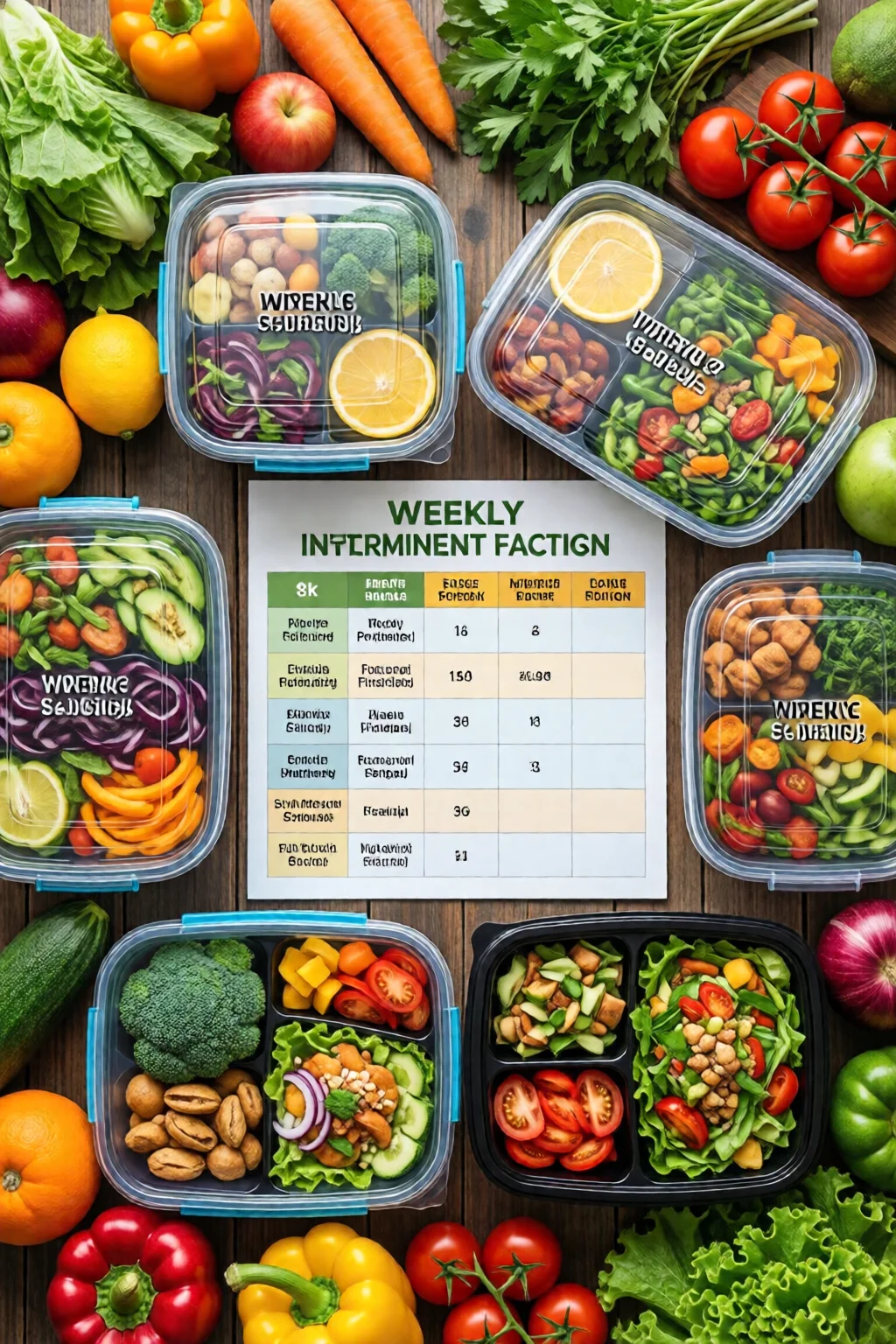
Step 3 – Plan Your Fast‑Breaking and Closing Meals
Within the 8‑hour window, aim for two solid meals plus a light snack if needed. Example schedule for 16/8:
| Time | Meal | Key Components |
|---|---|---|
| 12:00 pm | First Meal | Protein (30 g), carbs (40 g), veg (≥2 cups), fats (15 g) |
| 4:00 pm | Snack | Greek yogurt (150 g, $1.20) + berries (½ cup, $0.70) |
| 7:30 pm | Last Meal | Protein (30 g), low‑carb veg (≥2 cups), healthy fats (20 g) |
Notice the gap between meals is roughly 4 hours—enough time for digestion but short enough to keep hunger at bay.
Step 4 – Adjust for Exercise Timing
If you train in the morning, you have two options:
- Fast‑ed training: Perform low‑intensity cardio (e.g., 30 min walk) before the first meal. Studies show fasted cardio can increase fat oxidation by up to 20 %.
- Pre‑fast meal: Eat a small protein‑rich snack (e.g., 1 boiled egg, $0.15) 30 minutes before training, then resume the fast.
In my experience, I keep strength sessions after the first meal (12:30 pm) to preserve muscle glycogen and lift heavier.
Step 5 – Track Progress and Tweak the Window
After two weeks, evaluate:
- Weight change: Aim for 0.5–1 lb loss per week.
- Energy levels: If you feel sluggish after 4 pm, consider shifting the window earlier (e.g., 11 am–7 pm).
- Hunger patterns: Persistent cravings may signal you need more fiber (add chia seeds, 1 tbsp, $0.10).
Make one adjustment at a time—changing the window, tweaking macros, or adding a supplement—so you can attribute results accurately.

Common Mistakes to Avoid
Even seasoned fasters slip up. Here are the top three errors I see often and how to fix them:
1. Overeating During the Eating Window
It’s tempting to “make up” for missed calories, but that nullifies the calorie deficit. Stick to your macro targets; use the kitchen scale for portion control.
2. Ignoring Electrolytes
Extended fasting can deplete sodium and potassium, leading to headaches. Add a pinch of sea salt to water or sip an electrolyte drink like NUUN Sport (1 tablet, $0.30).
3. Skipping Strength Training
Many think fasting equals cardio only. In reality, preserving muscle mass requires resistance work at least three times per week. Use dumbbells (e.g., Bowflex SelectTech 552, $399) or bodyweight circuits.

Troubleshooting and Tips for Best Results
When the schedule feels rough, try these proven tweaks:
- Gradual adaptation: Start with a 12‑hour fast for three days, then add 2‑hour increments each week.
- Break fast with protein first: A whey isolate shake (30 g protein, $1.20) spikes amino acids, curbing muscle breakdown.
- Stay busy: Schedule meetings, walks, or hobbies during fasting hours to distract from hunger.
- Mindful sipping: Drinking 2–3 L of water daily (≈8–12 cups) reduces phantom hunger.
- Sleep hygiene: Aim for 7–8 hours; poor sleep raises ghrelin, making fasts feel harder.
For those with thyroid issues, I recommend checking the hashimoto diet plan complete guide 2026 2 before committing to long fasts, as hormone fluctuations can affect fasting tolerance.
Summary Conclusion
Designing an intermittent fasting schedule is less about magic and more about structure, consistency, and data‑driven tweaks. By gathering the right tools, selecting a realistic fasting window, planning balanced meals, and monitoring progress, you can expect steady fat loss, steadier energy, and a healthier relationship with food. Remember: start simple, track everything, and adjust one variable at a time. Your body will thank you.
Frequently Asked Questions
What is the best intermittent fasting schedule for beginners?
Most beginners thrive on the 16/8 schedule—fasting 16 hours and eating within an 8‑hour window. It aligns with typical workdays, allows a normal lunch, and gives the body time to adapt within 3–5 days.
Can I exercise while fasting?
Yes. Light cardio can be done in a fasted state, while strength training is best performed after breaking the fast to preserve muscle glycogen. Adjust timing based on personal energy levels.
How long does it take to see results?
Most people notice reduced bloating and steadier energy within the first week. Visible weight loss (0.5–1 lb per week) typically appears after 2–3 weeks of consistent adherence.
Do I need to count calories while fasting?
Counting isn’t mandatory, but tracking macros ensures you don’t overeat during the eating window. Using a kitchen scale and a tracking app helps maintain the calorie deficit needed for fat loss.
Where can I learn more about the health benefits of this practice?
Check out our intermittent fasting benefits guide for scientific research, and the intermittent fasting weight loss complete guide 2026 2 for detailed case studies.
2 thoughts on “Intermittent Fasting Schedule – Tips, Ideas and Inspiration”