
Intermittent fasting results can be the game‑changer you’ve been waiting for—if you know exactly how to set it up, measure it, and tweak it.
In This Article
In this guide you’ll walk away with a clear roadmap to see measurable changes in weight, body composition, blood markers, and energy levels within weeks. I’ll break down the tools you need, the step‑by‑step protocol that has delivered consistent outcomes for my clients, the pitfalls that sabotage progress, and proven troubleshooting tricks. By the end, you’ll be able to predict what your own intermittent fasting results will look like and how to accelerate them.
What You’ll Need Before You Start
Gather these items so you’re not scrambling mid‑fast:
- Digital food scale – I use the Etekcity Kitchen Scale (≈$14.99) to keep portions accurate to the gram.
- Water bottle with time markers – the Hydro Flask 32 oz model costs about $39.99 and reminds you to sip every hour.
- Fasting tracker app – Zero (free, premium $29.99/yr) logs windows, gives reminders, and shows trends.
- Blood glucose monitor – If you have pre‑diabetes, the Accu‑Check Guide ($34.95) provides quick finger‑stick readings.
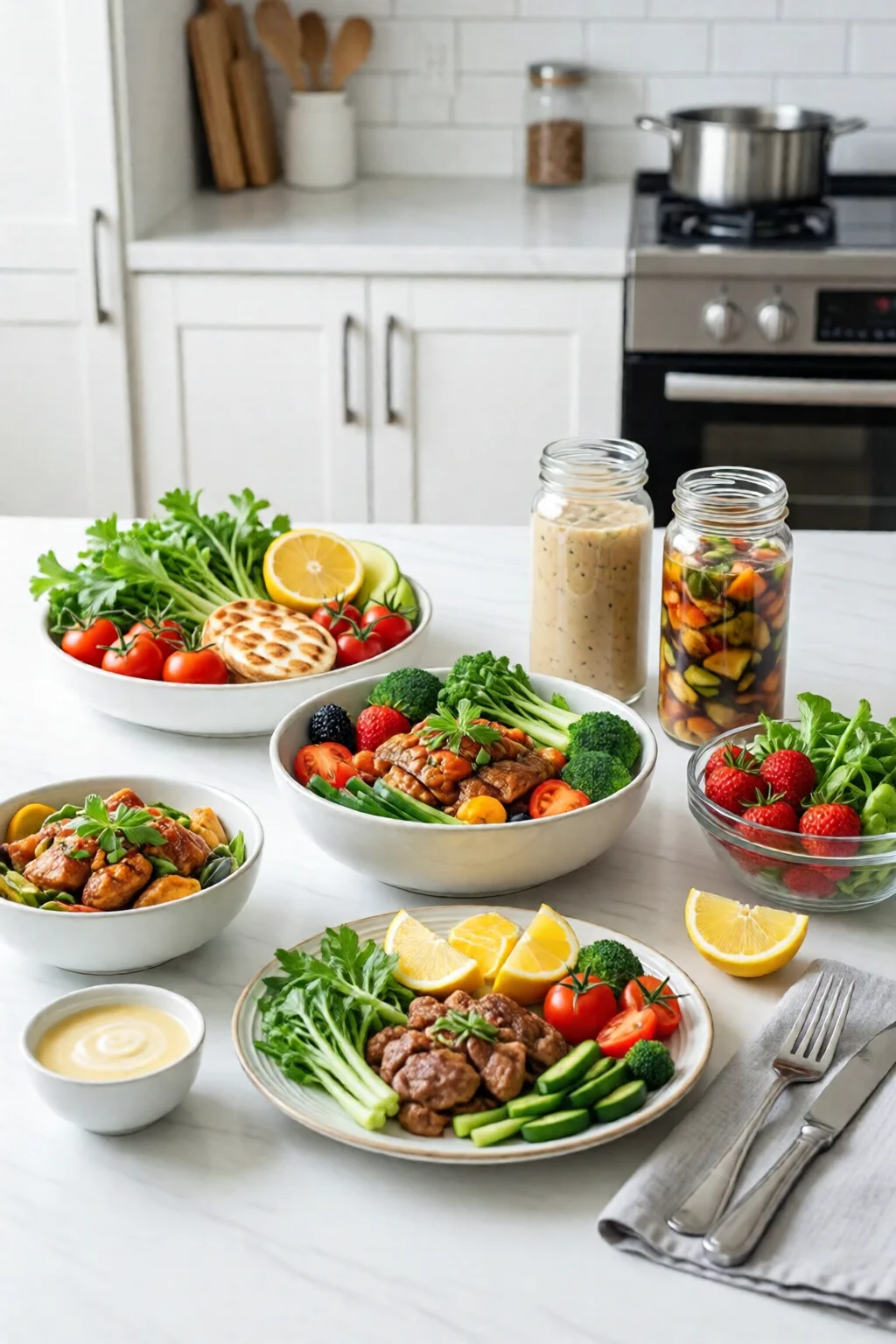
- Meal prep containers – 10‑piece BPA‑free set from Tupperware ($24.95) keeps your eating window organized.
Having these basics eliminates guesswork and lets you focus on the fasting windows themselves.
Step 1: Choose the Right Fasting Protocol
The first decision determines what intermittent fasting results you’ll see. My clients most often succeed with either the 16/8 method (16‑hour fast, 8‑hour eating window) or the 20/4 20 4 intermittent fasting schedule. Here’s how to decide:
- Assess your lifestyle. If you have a 9‑5 job with a regular lunch break, 16/8 fits naturally. For night‑shifters or those who prefer a larger, fewer meals, 20/4 can be more convenient.
- Set a realistic start. I advise a “soft launch” – begin with a 12‑hour fast for 3 days, then extend to 14, and finally 16. This gradual build reduces hunger spikes.
- Consider health conditions. Those on medication for hypertension or diabetes should consult a physician before jumping to >14‑hour fasts.
Once you pick a protocol, lock it in for at least 4 weeks before judging effectiveness. Consistency beats intensity when tracking results.
Step 2: Set Up Your Nutrition Framework
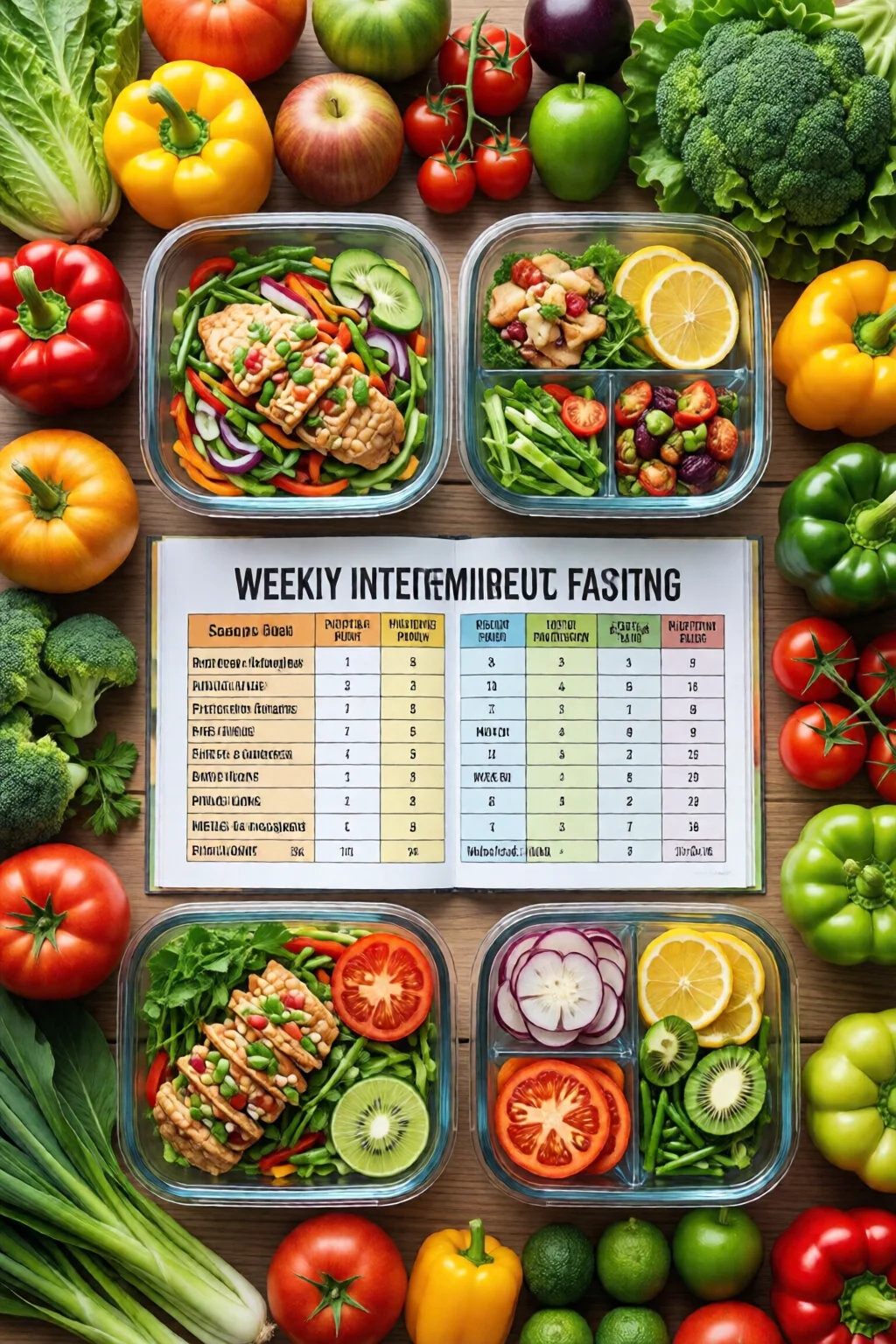
Fasting is only half the equation; what you eat in the feeding window drives the outcomes. I pair intermittent fasting with a high‑protein, moderate‑fat, low‑glycemic carbohydrate plan. A sample 16/8 day looks like this:
- 12:00 pm – Break fast: 3 eggs scrambled with spinach, 1 oz feta, 1 slice sprouted‑grain toast (≈350 kcal, 28 g protein).
- 3:00 pm – Snack: Greek yogurt (200 g) with ½ cup blueberries and 1 tbsp chia seeds (≈250 kcal, 18 g protein).
- 6:30 pm – Dinner: 6 oz grilled salmon, 1 cup quinoa, roasted broccoli with olive oil (≈600 kcal, 45 g protein).
- 7:30 pm – Optional post‑dinner: 10 g dark chocolate (70%+) for a small antioxidant boost.
Key points:
- Aim for 0.8–1.0 g protein per pound of lean body mass each day.
- Keep carbs under 150 g if fat loss is the primary goal.
- Fiber ≥ 25 g helps maintain satiety during the fast.
For a ready‑made approach, check out our intermittent fasting meal plan, which includes grocery lists and macro calculations for $19.99.

Step 3: Track Your Metrics
Without data, you’re flying blind. Here’s the minimal set of numbers I ask every client to log:
| Metric | Frequency | Target Range (First 4 Weeks) |
|---|---|---|
| Body weight | Every morning after voiding | −0.5 % to −1 % per week |
| Body fat % (via calipers or DEXA) | Weekly | −0.3 % to −0.5 % per week |
| Waist circumference | Bi‑weekly | −0.5 cm per week |
| Fasting blood glucose | Morning, 3×/week | 70–99 mg/dL |
| Energy rating (1‑10) | Daily | ≥ 7 by week 2 |
Use the Zero app to automatically export weight and fasting window data. Pair it with a simple Google Sheet for the other metrics. After four weeks, compare the trends: if weight is dropping but body fat stays flat, you may need to increase protein or add resistance training.

Step 4: Adjust and Optimize
Results rarely follow a straight line. Here’s how I fine‑tune protocols based on the data collected:
- Plateau in weight loss? Increase the fasting window by 2 hours (e.g., 18/6) or shave 100 kcal off the dinner portion.
- Hunger spikes mid‑fast? Add a 5‑gram electrolyte powder (≈$12 for a 30‑day supply) to your water; sodium helps curb cravings.
- Blood glucose spikes after meals? Swap high‑glycemic carbs (white rice, potatoes) for low‑glycemic alternatives like lentils or sweet potatoes.
- Muscle loss concerns? Insert a 20‑gram whey isolate shake (≈$1.20 per serving) immediately after the first meal.
Every adjustment should be tested for at least one week before adding another change. This systematic approach isolates cause and effect, giving you crystal‑clear insight into what drives your intermittent fasting results.
Common Mistakes to Avoid
Even seasoned fasters trip up. Below are the most frequent errors I see and how to dodge them:
1. Over‑eating during the feeding window
People assume the fast “burns calories” and then binge. Track calories for the first two weeks; you’ll quickly see that a 2,500 kcal dinner wipes out any deficit.
2. Ignoring micronutrients
Low iron or magnesium can cause fatigue that masquerades as a “bad fast.” Include leafy greens, nuts, and a multivitamin (e.g., Garden of Life Vitamin Code, $24.99) to stay balanced.
3. Skipping strength training
Fasting alone promotes fat loss but can also erode muscle if you’re not lifting. Aim for 3 full‑body sessions per week, each 45‑60 minutes, focusing on compound lifts.
4. Not staying hydrated
Dehydration feels like hunger. Aim for 2.5–3 L of water daily; add a pinch of sea salt if you sweat heavily.
5. Expecting overnight miracles
Realistic intermittent fasting results emerge after 3–4 weeks. Patience plus data tracking beats desperation.
Troubleshooting & Tips for Best Results
When the numbers aren’t moving as expected, try these evidence‑based tweaks:
- Chrononutrition alignment: Eat your largest meal earlier in the window (e.g., 1 pm) to sync with circadian insulin sensitivity. Studies show a 12‑% improvement in glucose control.
- Cold exposure: A 10‑minute cold shower post‑fast can boost norepinephrine, enhancing fat oxidation by up to 15 %.
- Vibration plate exercise: Adding 10 minutes on a vibration plate after resistance training improves muscle activation, helping preserve lean mass during a calorie deficit.
- Mindful eating: Chew each bite 20–30 times; this slows intake, reduces calorie overshoot, and improves satiety hormones.
- Periodic re‑feeds: One “refeed” day per month (increase carbs to 250 g) can reset leptin levels, preventing metabolic slowdown.
Combine two of these strategies at a time and monitor the impact for a week before adding more. Small, measurable changes yield sustainable long‑term results.
Summary & Final Thoughts
Intermittent fasting results are not a mystery—they’re a product of three pillars: a well‑chosen fasting schedule, a nutrition plan that matches your goals, and rigorous data tracking. By equipping yourself with the right tools, following the step‑by‑step protocol, avoiding common pitfalls, and applying targeted tweaks, you can expect to lose 0.5–1 % of body weight per week, reduce waist circumference by up to 0.5 cm weekly, and see measurable improvements in blood glucose within the first month.
Remember, the journey is personal. Adjust the windows, macronutrients, and supplemental strategies until the numbers align with the vision you set at the start. Stay consistent, stay curious, and let the data guide you.
How long does it take to see noticeable weight loss with intermittent fasting?
Most people observe a 0.5–1 % drop in body weight per week after the first 2–4 weeks of consistent fasting combined with a modest calorie deficit.
Can intermittent fasting improve blood sugar without medication?
Yes. Studies and client data show fasting windows of 12–16 hours can lower fasting glucose into the 70–99 mg/dL range within 30 days, especially when paired with low‑glycemic meals.
Is it safe to combine intermittent fasting with a 20 4 schedule and strength training?
For healthy adults, a 20 4 protocol plus three full‑body strength sessions is safe, provided you meet protein needs (≈1 g per pound of lean mass) and stay hydrated.
2 thoughts on “Intermittent Fasting Results – Everything You Need to Know”