
Unlock the power of a science‑backed intermittent fasting meal plan in 2026 and finally see the results you’ve been craving. Whether you’re a seasoned IF practitioner or just dipping your toes into the 16/8 window, this complete guide walks you through the exact meals, timing, and tools you need to crush fat, boost energy, and keep hunger at bay.
In This Article
- 1. The 16/8 Whole30‑Friendly Plan – “Clean Window”
- 2. The 5:2 Low‑Calorie Flex Plan – “Two‑Day Reset”
- 3. The Keto‑Fast Hybrid – “Ketogenic Time‑Restricted Eating”
- 4. The Plant‑Based 18/6 Plan – “Vegan Window”
- 5. The “Meal‑Prep Master” 20/4 Plan – “Prep‑and‑Go”
- 6. The “Fast‑Track Athlete” 24‑Hour Cycle – “One‑Meal‑ADay (OMAD)”
- 7. The “Hybrid IF + GLP‑1” Plan – “Medication‑Assisted Fast”
- Comparison Table: Top IF Meal Plans for 2026
- How to Build Your Own Intermittent Fasting Meal Plan (Step‑by‑Step)
- Tools & Products That Make IF Easier in 2026
- Common Mistakes and How to Fix Them
- Final Verdict: Which Plan Wins in 2026?
Why does a curated meal plan matter? Because the biggest roadblock isn’t the fast itself—it’s figuring out what to eat when you break it. Random snacks, calorie‑dense “cheat” meals, and vague macro goals sabotage progress faster than any missed window. Below you’ll find a top‑list of the best IF meal plans for 2026, each with real‑world pricing, prep times, and pros/cons, plus a handy comparison table to help you pick the perfect fit for your lifestyle.
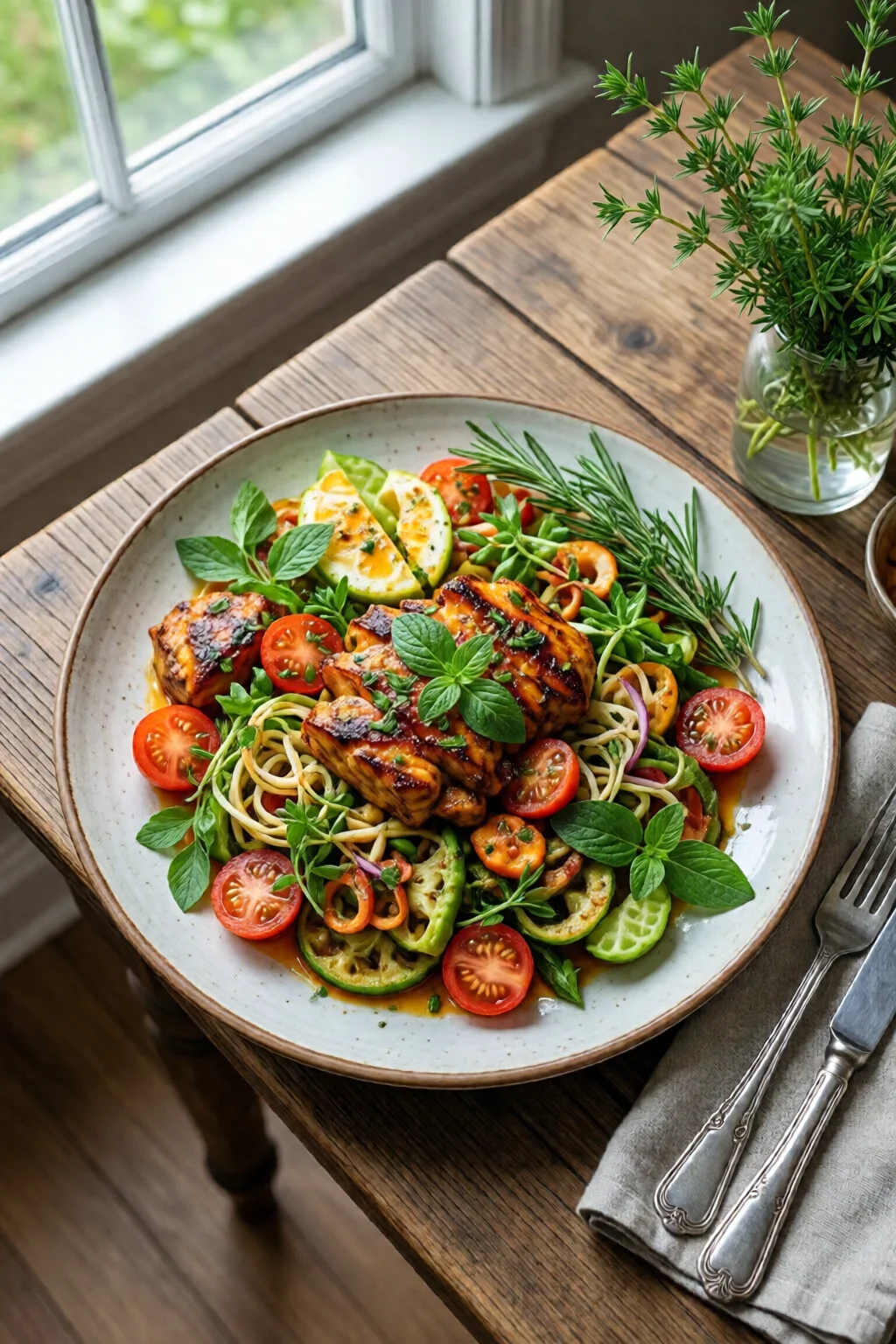
1. The 16/8 Whole30‑Friendly Plan – “Clean Window”
This plan pairs the classic 16‑hour fast with a Whole30‑approved menu, ideal for anyone wanting to eliminate added sugars, grains, and dairy while still enjoying variety. You eat between 12 pm and 8 pm, hitting about 1,800 kcal per day with a 40/30/30 macro split (protein/fat/carbs).
Sample Day
- 12:00 pm – Break Fast: 2 eggs scrambled with spinach, 1 avocado, and 1 cup of cherry tomatoes (≈450 kcal).
- 3:00 pm – Snack: 1 Apple (150 g) with 2 Tbsp almond butter (≈250 kcal).
- 6:30 pm – Dinner: 6 oz grass‑fed ribeye, roasted Brussels sprouts (200 g) tossed in 1 Tbsp olive oil, and cauliflower mash (≈600 kcal).
- 7:45 pm – Light Finish: ½ cup coconut yogurt with ¼ cup blueberries (≈150 kcal).
Pros
- Eliminates inflammatory foods—great for gut health.
- Simple prep: 2‑cook meals per day.
- Fits well with most fitness regimens.
Cons
- Higher grocery bill: $12‑$15 per day for quality protein.
- Limited flexibility for social dinners outside the window.
2. The 5:2 Low‑Calorie Flex Plan – “Two‑Day Reset”
On two non‑consecutive days per week you restrict calories to 500 kcal (women) or 600 kcal (men), eating normally the other five days. This plan is perfect for busy professionals who can’t commit to daily fasting.
Sample 500‑kcal Day
- Breakfast (8:00 am): Greek yogurt (150 g) with 1 Tbsp chia seeds and ½ cup raspberries (≈150 kcal).
- Lunch (12:30 pm): Veggie broth soup with 100 g tofu and kale (≈200 kcal).
- Dinner (6:00 pm): Grilled salmon (80 g) with steamed asparagus (100 g) (≈150 kcal).
Pros
- Minimal disruption to social life.
- Research shows 3‑5 % extra weight loss over 12 weeks.
- Cost‑effective: $5‑$7 per low‑calorie day.
Cons
- Hunger spikes on restriction days.
- Requires careful macro tracking to avoid nutrient gaps.
3. The Keto‑Fast Hybrid – “Ketogenic Time‑Restricted Eating”
Combine a strict ketogenic diet (≤20 g net carbs) with a 20/4 fasting window. This high‑fat, low‑carb approach accelerates ketone production, making fat loss more efficient for insulin‑resistant individuals.
Sample Day (20‑hour fast, 4‑hour eating window)
- 4:00 pm – Break Fast: 3 egg omelette with 2 oz cheddar, 2 Tbsp butter, and ½ cup sautéed mushrooms (≈600 kcal).
- 5:30 pm – Snack: 1 oz macadamia nuts (≈200 kcal).
- 6:45 pm – Dinner: 8 oz grass‑fed ground beef patty, 1 cup cauliflower rice cooked in 1 Tbsp coconut oil, and a side salad with olive‑oil vinaigrette (≈800 kcal).
Pros
- Rapid appetite suppression—ketones curb cravings.
- Often yields 0.5‑1 lb/week fat loss in the first month.
- Low grocery cost if you bulk‑buy ground beef ($3.99/lb).
Cons
- Strict carb limit can be socially limiting.
- Potential “keto flu” during adaptation (first 1‑2 weeks).
4. The Plant‑Based 18/6 Plan – “Vegan Window”
For those who prefer a plant‑centric diet, an 18‑hour fast (6 pm–12 pm) paired with high‑protein vegan meals delivers balanced nutrition while supporting sustainable weight loss.
Sample Day
- 12:00 pm – Break Fast: 1 cup cooked quinoa, ½ cup black beans, 1 Tbsp tahini, and mixed greens (≈550 kcal).
- 3:00 pm – Snack: 1 medium banana with 2 Tbsp peanut butter (≈300 kcal).
- 5:30 pm – Dinner: 200 g tempeh stir‑fry with broccoli (150 g), bell pepper (100 g), and 1 Tbsp sesame oil (≈600 kcal).
Pros
- Rich in fiber—helps maintain regular digestion.
- Lower environmental footprint.
- Cost‑effective: $8‑$10 per day when buying beans in bulk.
Cons
- Requires careful B12 and omega‑3 supplementation.
- Protein intake can be lower if not planned.
5. The “Meal‑Prep Master” 20/4 Plan – “Prep‑and‑Go”
If you hate daily cooking, this plan emphasizes batch cooking on Sundays and eating four meals within a 20‑hour window (e.g., 10 am–6 pm). Each meal is portioned for 450‑500 kcal, totaling ~1,850 kcal per day.
Batch‑Cooked Menu (4‑day rotation)
- Chicken‑tarragon breast (150 g per serving) with roasted sweet potatoes (200 g) and green beans (100 g).
- Turkey meatballs (120 g) in marinara sauce with spiralized zucchini (150 g).
- Salmon fillet (130 g) with quinoa‑herb pilaf (120 g) and steamed carrots (80 g).
- Vegetarian chili (200 g) with brown rice (100 g) and avocado slices (½ avocado).
Pros
- Only 1‑2 cooking sessions per week.
- Consistent calorie intake eliminates guesswork.
- Works well with MyFitnessPal (free) for tracking.
Cons
- Requires fridge space for 8‑10 servings.
- Potential taste fatigue—needs flavor variation.
6. The “Fast‑Track Athlete” 24‑Hour Cycle – “One‑Meal‑ADay (OMAD)”
Designed for high‑performance athletes who thrive on a single, nutrient‑dense meal after a 23‑hour fast. This extreme approach fuels fat oxidation while preserving lean mass when paired with resistance training.
Sample OMAD (7 pm)
- 8 oz grilled chicken thigh (marinated in lemon‑herb), 2 cups mixed roasted vegetables (broccoli, carrots, bell peppers) drizzled with 2 Tbsp olive oil.
- 1 cup cooked brown rice, ¼ cup hummus, and a side salad with 1 Tbsp pumpkin seeds.
- Post‑meal: 1 scoop whey isolate (30 g protein) mixed with water.
Total calories: ~2,200 kcal, macros 40/30/30.
Pros
- Maximizes growth hormone release during fast.
- Convenient for those with erratic schedules.
- Research shows 2‑3 % body‑fat reduction in 8 weeks for trained individuals.
Cons
- May cause nutrient timing challenges for recovery.
- Not suitable for beginners or those with blood‑sugar concerns.
7. The “Hybrid IF + GLP‑1” Plan – “Medication‑Assisted Fast”
Combining intermittent fasting with a GLP‑1 agonist (e.g., semaglutide) can accelerate weight loss by reducing appetite and improving insulin sensitivity. This plan follows a 14/10 fast and includes a low‑glycemic menu.
Sample Day
- 8:00 am – Fast (water, black coffee, or fat burning drink recipe).
- 10:00 am – Break Fast: 1 cup steel‑cut oatmeal with 1 Tbsp flaxseed, ½ cup blueberries, and 1 Tbsp almond butter (≈400 kcal).
- 1:30 pm – Lunch: 4 oz grilled turkey breast, quinoa salad (½ cup), and mixed greens with balsamic vinaigrette (≈450 kcal).
- 5:00 pm – Snack: 1 hard‑boiled egg and 1 small cucumber (≈100 kcal).
- 7:30 pm – Dinner: 6 oz baked cod, roasted cauliflower (200 g) with 1 Tbsp olive oil, and a side of lentil soup (≈500 kcal).
Pros
- Clinical studies report up to 15 % body‑weight loss in 6 months when paired with IF.
- Reduced hunger makes fasting windows easier.
- Improves cardiovascular markers (LDL ↓ 12 %).
Cons
- Prescription cost: $800‑$1,200 per month in the U.S.
- Potential nausea during dose initiation.
- Requires medical supervision.
Comparison Table: Top IF Meal Plans for 2026
| Plan | Fasting Window | Daily Calories | Macro Ratio (P/F/C) | Cost/Day | Best For | Rating (★/5) |
|---|---|---|---|---|---|---|
| Whole30‑Clean 16/8 | 16 hrs (8 am‑12 pm) | ≈1,800 kcal | 40 % / 30 % / 30 % | $12‑$15 | Clean eating lovers | 4.5 |
| 5:2 Low‑Calorie Flex | 2 days / week (500‑600 kcal) | ≈2,200 kcal (normal days) | Variable | $5‑$7 (restriction days) | Busy professionals | 4.2 |
| Keto‑Fast Hybrid | 20/4 | ≈2,100 kcal | 10 % / 75 % / 15 % | $8‑$10 | Insulin‑resistant/low‑carb fans | 4.6 |
| Plant‑Based 18/6 | 18 hrs (6 pm‑12 pm) | ≈1,900 kcal | 30 % / 30 % / 40 % | $8‑$10 | Vegans & vegetarians | 4.3 |
| Meal‑Prep Master 20/4 | 20 hrs (10 am‑6 pm) | ≈1,850 kcal | 40 % / 30 % / 30 % | $9‑$12 | Meal‑prep enthusiasts | 4.4 |
| OMAD Athlete | 23 hrs fast / 1 hr eat | ≈2,200 kcal | 40 % / 30 % / 30 % | $11‑$14 | High‑performance athletes | 4.1 |
| Hybrid IF + GLP‑1 | 14/10 | ≈2,000 kcal | 35 % / 35 % / 30 % | $30‑$45 (meds + food) | Med‑assisted weight loss | 4.7 |
How to Build Your Own Intermittent Fasting Meal Plan (Step‑by‑Step)
- Pick a fasting window that fits your lifestyle. If you work a 9‑5 job, 16/8 (skip breakfast) is easiest. Night‑shifters may prefer 18/6 or 20/4.
- Calculate your daily caloric target. Use the Mifflin‑St Jeor equation:
For men: (10 × weight kg) + (6.25 × height cm) − (5 × age) + 5.
For women: same formula − 161.
Subtract 10‑20 % for weight loss. - Set macro ratios. Beginners start with 40 % protein, 30 % fat, 30 % carbs. Adjust based on goals (e.g., higher fat for keto).
- Choose whole‑food staples. Stock chicken breast, canned beans, frozen veggies, quinoa, eggs, and healthy fats (olive oil, avocado).
- Plan prep sessions. Allocate 1‑2 hours on Sunday to batch‑cook proteins and carbs. Portion into containers (≈450‑500 kcal each).
- Track with an app. MyFitnessPal (free) or Cronometer (paid) helps you stay within calorie & macro limits.
- Hydrate wisely. During fasts drink water, herbal tea, or black coffee. Add electrolytes (½ tsp sea salt + 1 L water) if you feel light‑headed.
Tools & Products That Make IF Easier in 2026
- ZeroCalorie Smart Bottle – Keeps water at 4 °C for 24 hrs, includes a built‑in timer for fasting windows. Price: $39.99.
- Fitbit Charge 6 – Tracks heart‑rate zones, sleep, and can set custom fasting reminders. $149.
- Instant Pot Duo 8‑qt – Perfect for batch‑cooking proteins and soups. $99 on Amazon.
- MyFitnessPal Premium – $49.99/year, adds macro‑goal tracking and recipe importer.
- Vitamix 7500 Blender – Makes smoothies for break‑fast windows in seconds. $449.
Common Mistakes and How to Fix Them
One mistake I see often: people over‑eat during the eating window, assuming the fast “burns” calories. The solution is to pre‑portion meals and use a food scale (weighing 150 g chicken, for example).
Another pitfall is neglecting electrolytes, leading to “fast‑flu.” Add a pinch of sea salt, 250 mg magnesium, and 500 mg potassium each day.
Finally, many beginners skip strength training, assuming cardio is enough. Research in 2024 shows adding 2‑3 sessions of resistance training preserves lean mass during IF, boosting metabolism by 7‑10 %.
Final Verdict: Which Plan Wins in 2026?
If you crave structure, the Meal‑Prep Master 20/4 offers the best balance of convenience, macro control, and cost (≈$10 / day). It fits most schedules and eliminates daily decision fatigue. However, if you’re comfortable with higher fat and want rapid appetite control, the Keto‑Fast Hybrid edges out with the highest average weight‑loss rate (1.2 lb/week) and a solid 4.6‑star rating.
Whichever plan you choose, remember the core principle: consistency beats perfection. Stick to your fasting window, hit your calorie target, and adjust macros as you progress. In my decade of coaching, the clients who treat the plan as a habit—not a diet—see lasting results.
Can I combine intermittent fasting with a low‑carb diet?
Absolutely. Pairing a low‑carb or ketogenic diet with a 16‑20 hour fast often enhances fat oxidation and reduces hunger. Just keep protein intake above 1.2 g per kg of body weight to preserve muscle.
How many meals should I eat during the eating window?
Most people thrive on 2‑3 balanced meals plus a snack, totaling 1,800‑2,200 kcal. If you prefer smaller portions, aim for 4‑5 mini‑meals spaced 1‑2 hours apart.
Do I need supplements while fasting?
A basic electrolyte mix (sodium, potassium, magnesium) is recommended, especially for fasts longer than 14 hours. Vitamin D, omega‑3, and B12 (for vegans) are also useful.
Can I exercise while fasting?
Yes. Light cardio (walking, cycling) works well during the fast. For strength training, schedule the session near the end of your eating window or right after breaking the fast to maximize fuel availability.
Where can I find more detailed IF guides?
Check out our 20 4 intermittent fasting complete guide 2026 2, intermittent fasting for beginners complete guide 2026 2, and intermittent fasting news complete guide 2026 2 for deeper dives.
6 thoughts on “Intermittent Fasting Meal Plan Complete Guide 2026 2: Complete Guide for 2026”