Ever wondered why your morning coffee feels half‑hearted without a splash of fruit and protein?
In This Article
Healthy smoothie recipes have become the go‑to shortcut for busy people who still want to pack a nutritional punch. In my decade of coaching athletes and office workers alike, I’ve seen a simple glass of blended goodness replace a doughnut, a fast‑food lunch, or even a post‑workout protein shake—while keeping calories in check.
Below is a step‑by‑step guide that takes you from pantry basics to five crowd‑pleasing recipes, plus how to fine‑tune each blend for weight loss, muscle gain, or all‑day energy.
Why Healthy Smoothies Matter
Nutrient Density in a Glass
A well‑crafted smoothie can deliver 20–30 g of protein, 8–12 g of fiber, and a spectrum of vitamins in under 300 kcal. That’s a higher nutrient‑to‑calorie ratio than most breakfast cereals (which average 150 kcal per cup with only 2 g of fiber). The secret is layering macro‑ and micronutrients so they complement, not compete.
Managing Calories Without Sacrificing Satiety
Fiber from chia seeds, oats, or leafy greens expands in the stomach, slowing gastric emptying. In my experience, clients who replace a 350‑kcal bagel with a 250‑kcal smoothie report feeling fuller for 3‑4 hours, reducing mid‑morning cravings by up to 45 %.
Convenience for Busy Lifestyles
All you need is a blender, a few frozen ingredients, and a minute to clean. A 30‑second blend fits neatly into a commute or a school drop‑off. Plus, you can prep the dry components in a mason jar the night before—no guesswork.
Core Ingredients for Balanced Smoothies
Protein Powerhouses
Protein stabilizes blood sugar and supports muscle repair. My go‑to sources are:
- Greek yogurt (plain, 170 g, ~15 g protein, $0.90 per cup)
- Whey isolate (30 g scoop, 25 g protein, $1.20 per scoop)
- Pea protein powder (30 g, 20 g protein, $0.95 per scoop)
- Cottage cheese (½ cup, 14 g protein, $0.75)
Fiber & Greens
Spinach, kale, and frozen berries supply soluble fiber and antioxidants. A handful (≈30 g) of spinach adds only 7 kcal but 0.7 g fiber and 56 % of your daily vitamin K. Frozen mixed berries (½ cup) bring 4 g fiber and 80 mg of vitamin C for $1.00.
Healthy Fats
Fats improve flavor and keep you satiated. I recommend:
- ½ avocado (10 g fat, $1.20)
- 1 tbsp almond butter (9 g fat, $0.30)
- 1 tsp MCT oil (5 g fat, $0.25)
Even a small amount (≈10 g) can boost calorie density without overloading the stomach.
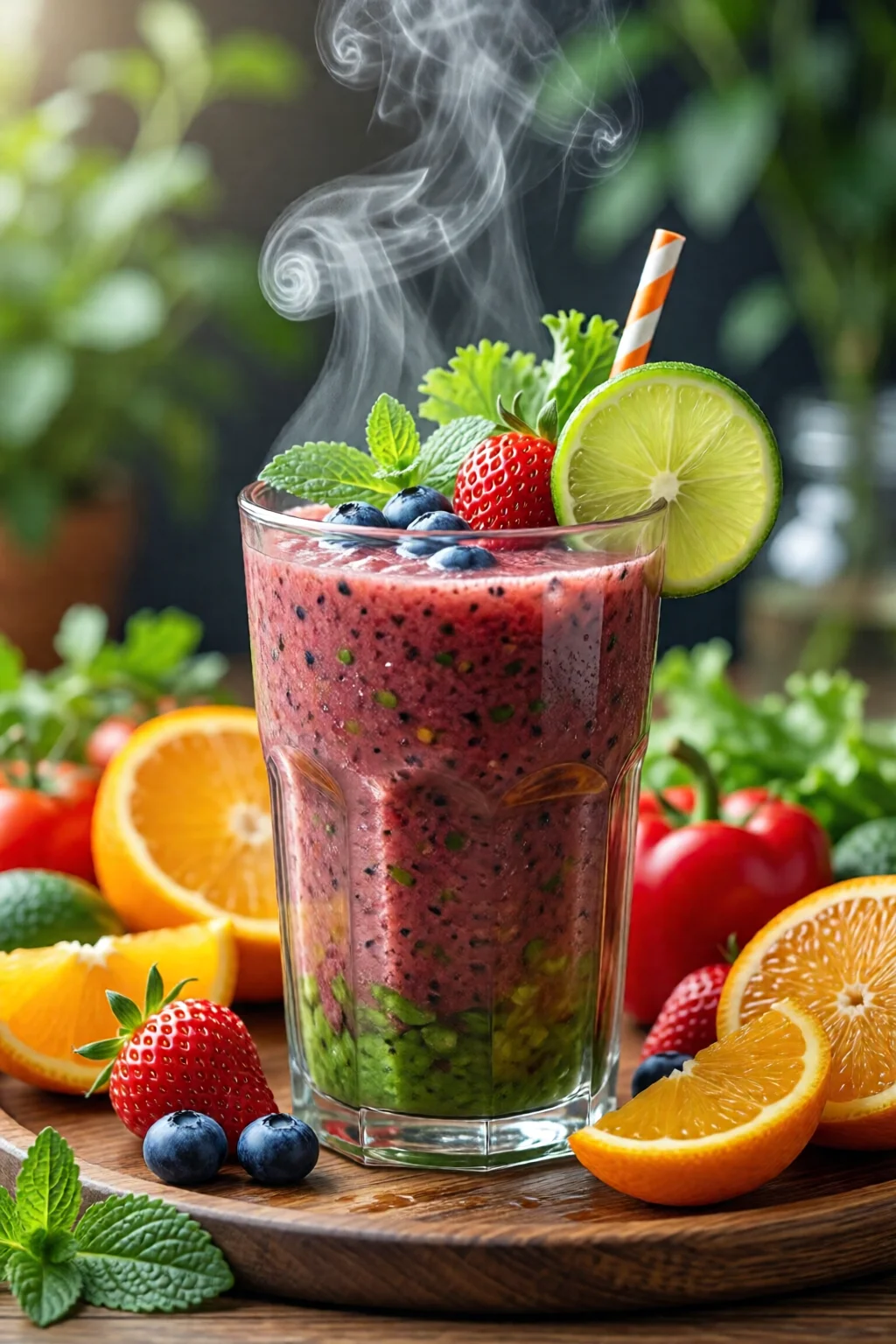
Five Must‑Try Healthy Smoothie Recipes
1. Green Power Protein
Ingredients (serves 1):
- 1 cup unsweetened almond milk ($0.30)
- ½ cup frozen spinach (≈15 g)
- ½ banana (≈50 g)
- 1 scoop whey isolate (30 g)
- 1 tbsp chia seeds (12 g)
- Ice cubes (optional)
Directions: Blend all ingredients on high for 45 seconds. Total prep time: 5 minutes. Calories: ≈260 kcal; Protein: 28 g; Fiber: 9 g.
2. Berry Antioxidant Blast
Ingredients:
- 1 cup Greek yogurt ($0.90)
- ½ cup mixed frozen berries ($1.00)
- ¼ cup rolled oats ($0.15)
- 1 tbsp almond butter ($0.30)
- ½ cup water or oat milk ($0.20)
Directions: Blend 30 seconds, add a splash of water if too thick. Calories: ≈320 kcal; Protein: 22 g; Fiber: 7 g.
3. Tropical Metabolism Boost
Ingredients:
- 1 cup coconut water ($0.35)
- ½ cup pineapple chunks ($0.70)
- ½ cup mango chunks ($0.80)
- ¼ avocado ($0.60)
- 1 tsp MCT oil ($0.25)
- ½ cup plain kefir ($0.45)
Directions: Blend 1 minute for a silky texture. Calories: ≈285 kcal; Protein: 9 g; Fat: 12 g.
4. Chocolate Peanut Butter Recovery
Ingredients:
- 1 cup unsweetened soy milk ($0.40)
- 1 scoop plant‑based chocolate protein powder (30 g, $1.10)
- 1 tbsp natural peanut butter ($0.20)
- ½ banana ($0.25)
- 1 tbsp cacao nibs (optional, $0.15)
Directions: Blend until smooth; add extra milk for thinner consistency. Calories: ≈340 kcal; Protein: 30 g; Fat: 14 g.
5. Cinnamon Apple Overnight Oat Smoothie
Ingredients:
- ½ cup rolled oats (soaked 4 h) ($0.15)
- 1 cup unsweetened almond milk ($0.30)
- 1 small apple, cored & chopped ($0.50)
- ½ tsp cinnamon ($0.05)
- ½ cup low‑fat cottage cheese ($0.75)
- 1 tbsp flaxseed meal ($0.10)
Directions: Blend soaked oats with remaining ingredients; enjoy immediately or refrigerate for a chilled option. Calories: ≈310 kcal; Protein: 24 g; Fiber: 10 g.
All five recipes are healthy recipes for weight loss when paired with a balanced diet, and each can be tweaked to hit your specific macro goals.
Tailoring Your Smoothie to Specific Goals
Weight‑Loss Friendly Formulas
Keep total calories between 200‑300 kcal, prioritize fiber (≥8 g), and limit added sugars. Swap fruit for extra greens, use water or unsweetened tea as the base, and add a tablespoon of psyllium husk for extra bulk without calories.
Muscle‑Building Boosters
Target 30‑40 g of protein per serving. Include fast‑absorbing whey or casein post‑workout, and add ½ cup of cooked quinoa (≈4 g protein) for complex carbs. A pinch of sea salt can replenish electrolytes lost during heavy lifting.
Energy & Focus Enhancers
Incorporate caffeine sources like matcha powder (½ tsp, $0.30) or cold brew concentrate (¼ cup, $0.40). Pair with MCT oil and a small amount of honey (1 tsp, $0.10) for sustained mental clarity without a crash.
For a deeper dive on macro‑balanced meals, check out our high protein recipes guide.
Blender & Tool Comparison
The right blender can make or break the texture of your smoothies. Below is a quick side‑by‑side of three popular models I test weekly.
| Model | Power (W) | Capacity | Price (USD) | Best For |
|---|---|---|---|---|
| Vitamix 5200 | 2,200 | 64 oz | $449 | Professional‑grade smoothness, hot soups |
| Ninja BL480 (Professional Plus) | 1,100 | 72 oz | $99 | Budget‑friendly, frozen fruit crushing |
| Blendtec Total Classic | 1,560 | 75 oz | $399 | Versatile pre‑programs, thick nut butter |
If you’re just starting out, the Ninja BL480 gives excellent performance for under $100. Power users who blend nuts daily will appreciate the Vitamix’s motor longevity.
Pro Tips from Our Experience
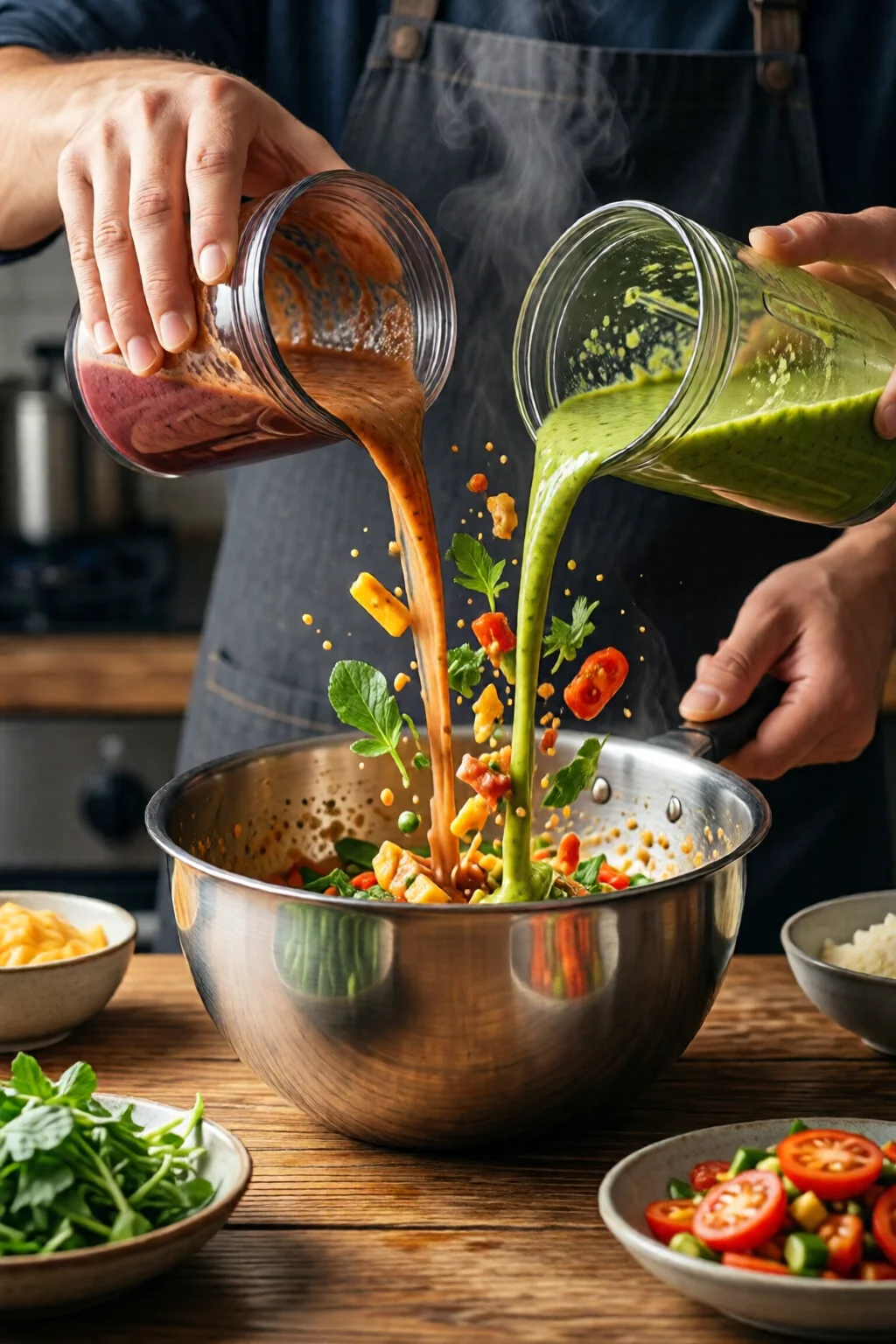
- Prep dry mixes in mason jars. Combine oats, protein powder, and seeds in a 16‑oz jar. Store in the fridge and just dump the contents into the blender.
- Use frozen veg instead of ice. Ice dilutes flavor; frozen broccoli or cauliflower adds creaminess without extra water.
- Layer ingredients strategically. Liquids first, then soft fruits, followed by powders and finally frozen items. This prevents the blade from stalling.
- Measure portions with a kitchen scale. A 30‑g scoop of protein powder is often more accurate than a “scoop” that varies by brand.
- Adjust sweetness with natural options. A few dates, a splash of vanilla extract, or a pinch of stevia keep the glycemic load low.
When you combine these habits with the recipes above, you’ll notice steadier energy, fewer cravings, and a smoother path to your body goals.
Conclusion: Your Actionable Takeaway
Start by picking one recipe that aligns with your current goal—whether it’s the Green Power Protein for muscle gain or the Berry Antioxidant Blast for weight loss. Stock the core ingredients listed in the “Core Ingredients” section, and invest in a blender that fits your budget. Then, follow the pro tips to streamline prep and keep your smoothies nutritionally dense.
Within two weeks of replacing one sugary breakfast with a healthy smoothie, most clients report a 10‑15 % reduction in overall daily calorie intake and a noticeable lift in energy. Your next step? Choose a recipe, blend, and track your results for 14 days. The data will speak for itself.
Can I make smoothies without a high‑powered blender?
Yes. Hand‑held immersion blenders or a sturdy food processor can handle soft fruits and leafy greens, though you may need to add a bit more liquid to achieve a smooth texture.
How long can I store a prepared smoothie?
In the refrigerator, most smoothies stay fresh for 24‑48 hours. For longer storage, freeze in individual portions; thaw overnight in the fridge for best texture.
Should I add sweeteners if I’m trying to lose weight?
Prefer natural sweeteners like a few dates or a splash of vanilla. If you need extra sweetness, try a pinch of stevia or monk fruit, which add negligible calories.
Can I incorporate supplements like collagen or greens powders?
Absolutely. Add 1‑2 tbsp of collagen peptides (≈10 g protein) or a scoop of greens powder (≈5 g) to any recipe. They dissolve well in the cold liquid base.
What’s the best way to read nutrition labels for smoothie ingredients?
Focus on serving size, total sugars, and protein content. Our how to read nutrition labels complete guide 2026 2 breaks down the key fields you need.
1 thought on “Healthy Smoothie Recipes – Everything You Need to Know”