
Ever wondered why a simple bowl of jiggly gelatin can feel like a cheat‑day treat while still keeping your calorie count in check?
In This Article
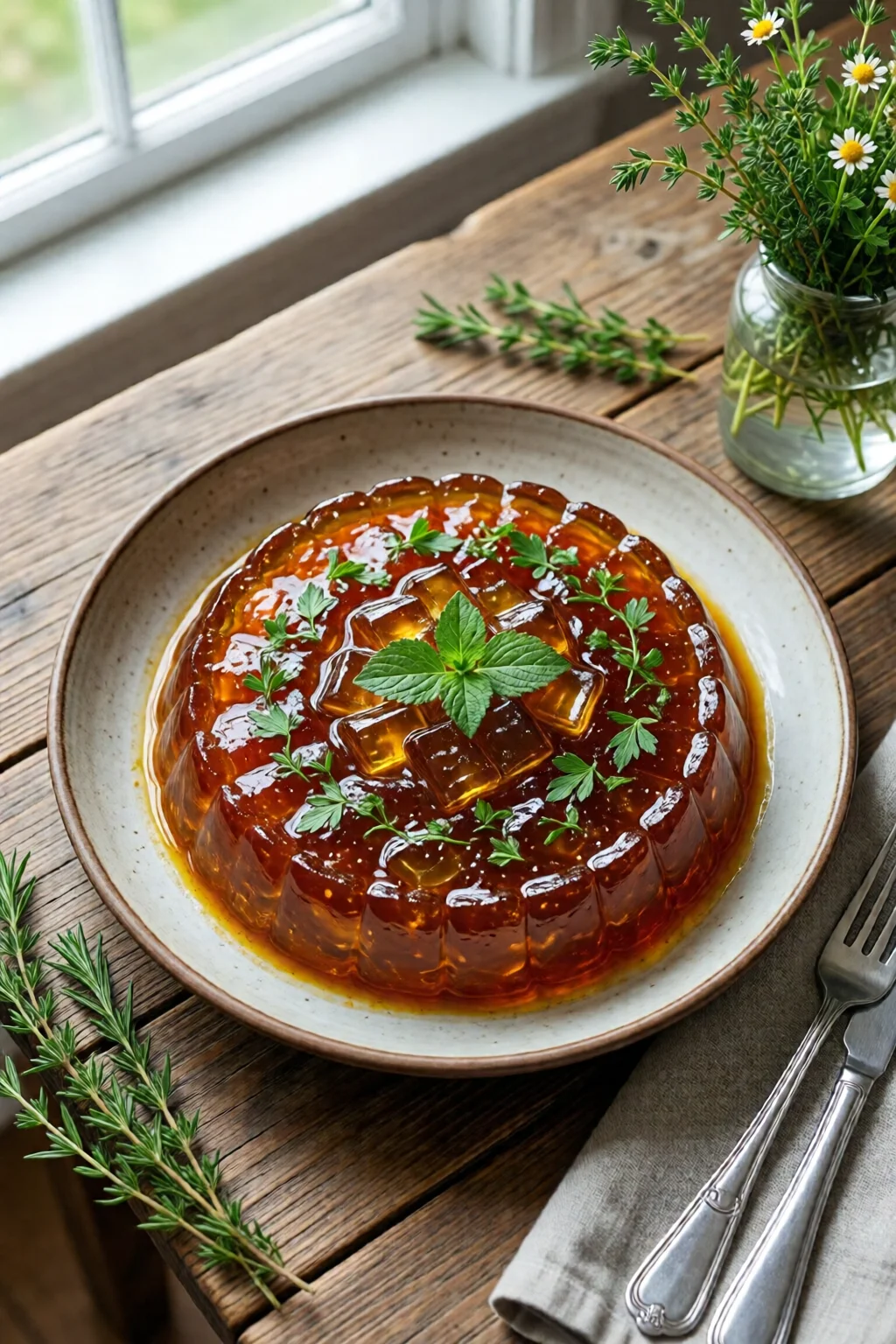
What You Will Need (or Before You Start)
Gather these items so the process flows like a well‑rehearsed workout routine. I keep this mini‑kit in a drawer next to my blender:
- Unflavored gelatin powder – 2 oz (about 56 g). I prefer Great Lakes Gelatin at $12.99 for a 16‑oz pouch; that’s roughly $0.41 per 2‑oz batch.
- Liquid base – 2 cups (480 ml) of low‑calorie beverage. Options: unsweetened almond milk ($2.49 per 64‑oz carton, ~0.04 $/cup), cold brew coffee, or plain water.
- Natural sweetener – 1–2 Tbsp (15–30 ml) of stevia or monk fruit; I use Truvia at $8.99 for a 1‑lb pack (≈$0.03 per tbsp).
- Flavor boosters – ½ cup fresh berries (≈$2.00 for a 12‑oz bag), a splash of vanilla extract (¼ tsp, $0.10), or a scoop of Vital Proteins Collagen Peptides ($25 for 8‑oz, $0.31 per scoop).
- Optional add‑ins – 1 tsp chia seeds ($0.05), 1 Tbsp Greek yogurt ($0.20), or a pinch of cinnamon.
- Small silicone mold or a 1‑qt glass bowl.
- Measuring spoons, a whisk, and a microwave‑safe pitcher.
Having everything ready mirrors a warm‑up before a cardio session – you avoid scrambling mid‑process.
Step 1: Dissolve the Gelatin Base
1. Pour 2 cups of your chosen liquid into the pitcher. Heat on medium for 30–45 seconds until just steaming; do NOT boil – gelatin loses its gelling power above 190 °F (88 °C).
2. Sprinkle the 2 oz of unflavored gelatin over the hot liquid. Let it sit for 1 minute; this “bloom” stage lets the granules absorb moisture.
3. Whisk vigorously for 20 seconds until the mixture is completely smooth. You’ll see a glossy, almost syrupy texture – that’s the sign it’s ready.
In my experience, using a microwave (800 W) for 45 seconds works just as well. Just stir in 30‑second bursts to prevent scorching.
Step 2: Add Flavor & Nutrient Boosters
Now the fun begins. This is where you tailor the gelatin to your taste buds and nutrition goals.
- Fruit infusion: Blend ½ cup of frozen berries with a splash of water, then strain. Swirl the puree into the gelatin mixture for a burst of antioxidants. One serving (½ cup) provides ~30 calories, 4 g fiber, and 1 g protein.
- Protein punch: Stir in one scoop of collagen peptides (≈10 g protein, 35 cal). This adds satiety without extra carbs.
- Sweetness & spice: Add your stevia, vanilla, and a pinch of cinnamon. Taste and adjust – remember, a little goes a long way with zero‑calorie sweeteners.
- Texture upgrades: If you love a bit of chew, sprinkle chia seeds (they’ll swell during setting) or fold in 1 Tbsp Greek yogurt for creaminess.
Tip: For a Daniel Fast‑friendly version, skip the collagen and use only fruit, honey (1 tsp, adds 21 cal), and cinnamon.
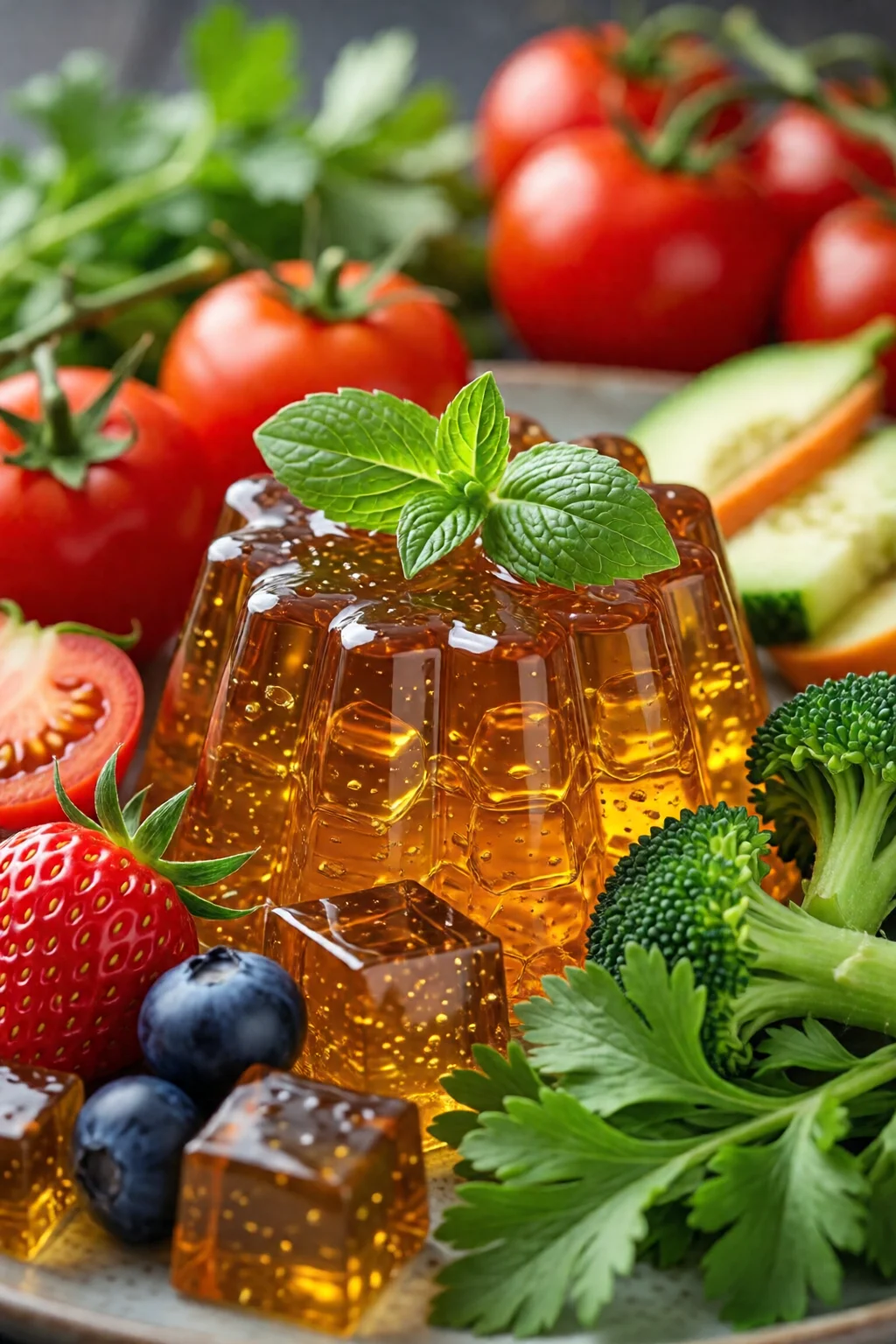
Step 3: Set & Store
1. Carefully pour the warm mixture into your mold or bowl.
2. Refrigerate for at least 3 hours, or until firm to the touch. If you’re in a hurry, a blast freezer (‑10 °F) can cut the time to 45 minutes.
Portion control matters. I cut the set gelatin into 4 equal squares, each about 100 cal. That’s roughly 0.5 g of carbs, 10 g protein, and 0 fat – perfect as a mid‑afternoon snack that curbs cravings.
Step 4: Serve & Customize
When you’re ready to eat, dip a spoon into the cold gelatin, then top with a drizzle of nut butter (1 tsp almond butter adds 30 cal and healthy fats) or a squeeze of fresh lemon for a zing.
Because gelatin is low‑calorie but high in protein, it can replace a traditional dessert or even a light breakfast. Pair it with a berry smoothie low calorie healthy weight loss recipe for a balanced meal.
Common Mistakes to Avoid
- Boiling the gelatin: Exceeding 190 °F denatures the protein, resulting in a runny texture.
- Using too much sweetener: Even zero‑calorie sweeteners can trigger insulin spikes if over‑used, sabotaging weight loss.
- Skipping the bloom: Without letting the gelatin hydrate, you’ll end up with clumps.
- Choosing flavored gelatin mixes: Commercial “Jell‑O” packets often contain 20 g of sugar per serving. Opt for unflavored powder instead.
- Neglecting portion sizes: A full 8‑oz bowl can easily exceed 200 cal, blowing your calorie budget.
One mistake I see often is adding fruit puree before the gelatin sets, which can cause the fruit’s natural pectin to interfere with the gel structure, leaving you with a watery mess.
Troubleshooting or Tips for Best Results
Gelatin won’t set? Check the temperature of your liquid – it should be hot but not boiling. Add an extra ½ tsp of gelatin and whisk again.
Too firm? Reduce gelatin to 1 ½ oz for the next batch, or increase the liquid by ¼ cup.
Flavor too bland? Double the fruit puree or add a splash of balsamic reduction (1 tsp adds ~5 cal) for depth.
Want a vegan version? Substitute gelatin with 2 Tbsp agar‑agar powder (cost $6 for 100 g). The setting time drops to 10 minutes, but the texture becomes more “jelly‑like” rather than creamy.
For bariatric patients, see the bariatric gelatin recipe for weight loss complete guide 2026 2 – it emphasizes smaller portions and added fiber.
FAQ
Can gelatin help me lose belly fat?
Gelatin is high in protein and low in calories, which supports muscle maintenance and satiety. While it won’t target belly fat specifically, incorporating a gelatin snack into a calorie‑deficit diet can reduce overall body fat, including the midsection.
How many calories are in a typical gelatin recipe for weight loss?
A standard ½‑cup serving made with water, unflavored gelatin, stevia, and a ¼‑cup fruit puree contains roughly 80–100 calories, 10 g protein, and 2 g carbs.
Is it safe to eat gelatin every day?
Yes, for most adults. Daily intake of up to 30 g of gelatin (about 3 servings) is considered safe and can improve joint health. Those with collagen allergies should avoid it.
Can I use flavored gelatin mixes instead of unflavored powder?
It’s not recommended for weight loss because most flavored mixes contain added sugars (15–20 g per serving) that increase calories and spike insulin.
How long does homemade gelatin stay fresh?
Stored in an airtight container in the fridge, it remains safe for up to 5 days. For longer storage, freeze individual portions for up to 2 months.
Summary
Creating a gelatin recipe for weight loss is as straightforward as a 10‑minute prep and a 3‑hour chill. By mastering the bloom, choosing low‑calorie liquids, and adding protein‑rich boosters, you get a snack that satisfies cravings, supports muscle, and fits a calorie‑deficit plan. Remember to avoid boiling, watch your sweetener, and keep portions modest. With the tips above, you’ll have a versatile, budget‑friendly dessert that can be tweaked for keto, bariatric, or Daniel Fast diets.
Give it a try tonight—your future self will thank you for the extra 10 g of protein and the 150‑calorie deficit you just earned.
3 thoughts on “Gelatin Recipe For Weight Loss: Complete Guide for 2026”