
Did you know that swapping a typical sugary snack for a well‑balanced fruit salad can cut your daily calorie intake by up to 150 kcal while still keeping you full for hours? That’s the power of a smart fruit salad recipe for healthy weight loss.
In This Article
- What You Will Need (Before You Start)
- Step 1 – Choose the Right Fruit Base
- Step 2 – Add a Touch of Tropical Flavor
- Step 3 – Sprinkle in Antioxidant Powerhouses
- Step 4 – Prepare the Light Dressing
- Step 5 – Mix, Portion, and Chill
- Step 6 – Serve Smartly
- Common Mistakes to Avoid
- Troubleshooting & Tips for Best Results
- Quick Variations for Different Diets
- Summary & Takeaway
- Frequently Asked Questions
What You Will Need (Before You Start)
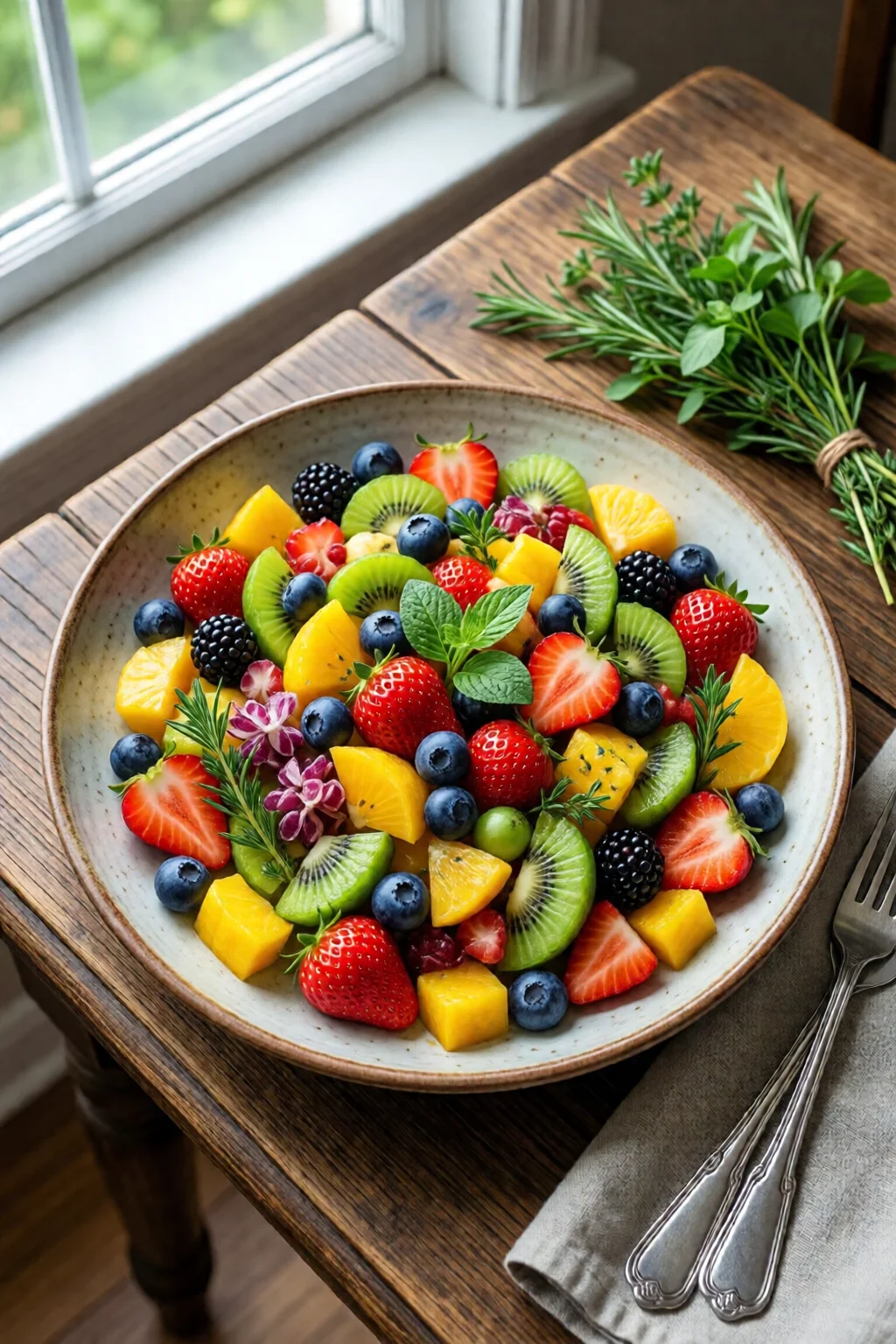
- Fresh, fiber‑rich fruits: 1 cup diced strawberries ($2.99 per 16 oz), 1 cup blueberries ($3.49 per 12 oz), 1 medium apple, sliced (Honeycrisp, $1.49 lb), 1 cup pineapple chunks ($2.79 per 12 oz), and ½ cup pomegranate seeds ($4.99 per 12 oz).
- Low‑calorie dressing: 2 Tbsp fresh lime juice, 1 Tbsp extra‑virgin olive oil (Colavita, $8.99 for 500 ml), 1 tsp honey (Manuka, $12.99 per 250 g), pinch of sea salt, and a dash of black pepper.
- Optional protein boost: ½ cup low‑fat Greek yogurt (Chobani, $1.09 per 150 g) or 2 Tbsp hemp seeds ($0.75 per 30 g).
- Tools: Sharp chef’s knife, cutting board, large mixing bowl, and a set of meal prep containers (Rubbermaid, $12.99 for 12‑piece). A kitchen scale (Etekcity, $14.99) helps you keep portions exact.
- Time: About 15 minutes of prep, plus 5 minutes to chill.
Step 1 – Choose the Right Fruit Base
In my experience, the secret to a satisfying fruit salad is balancing low‑glycemic fruits with a splash of tropical sweetness. Start with a base of berries—strawberries and blueberries are high in antioxidants and low in sugar (about 8 g carbs per cup). Add a crisp apple for crunch; its fiber (4 g per medium apple) slows digestion, keeping blood sugar steady.
Step 2 – Add a Touch of Tropical Flavor
Pineapple provides a burst of vitamin C and bromelain, an enzyme that aids protein digestion—great if you pair the salad with a lean protein later. Use fresh chunks, not canned, to avoid extra syrups. A half‑cup adds roughly 40 kcal.
Step 3 – Sprinkle in Antioxidant Powerhouses
Pomegranate seeds not only bring a jewel‑like pop of color but also supply polyphenols that support metabolism. One quarter‑cup adds just 30 kcal and 3 g fiber.
Step 4 – Prepare the Light Dressing
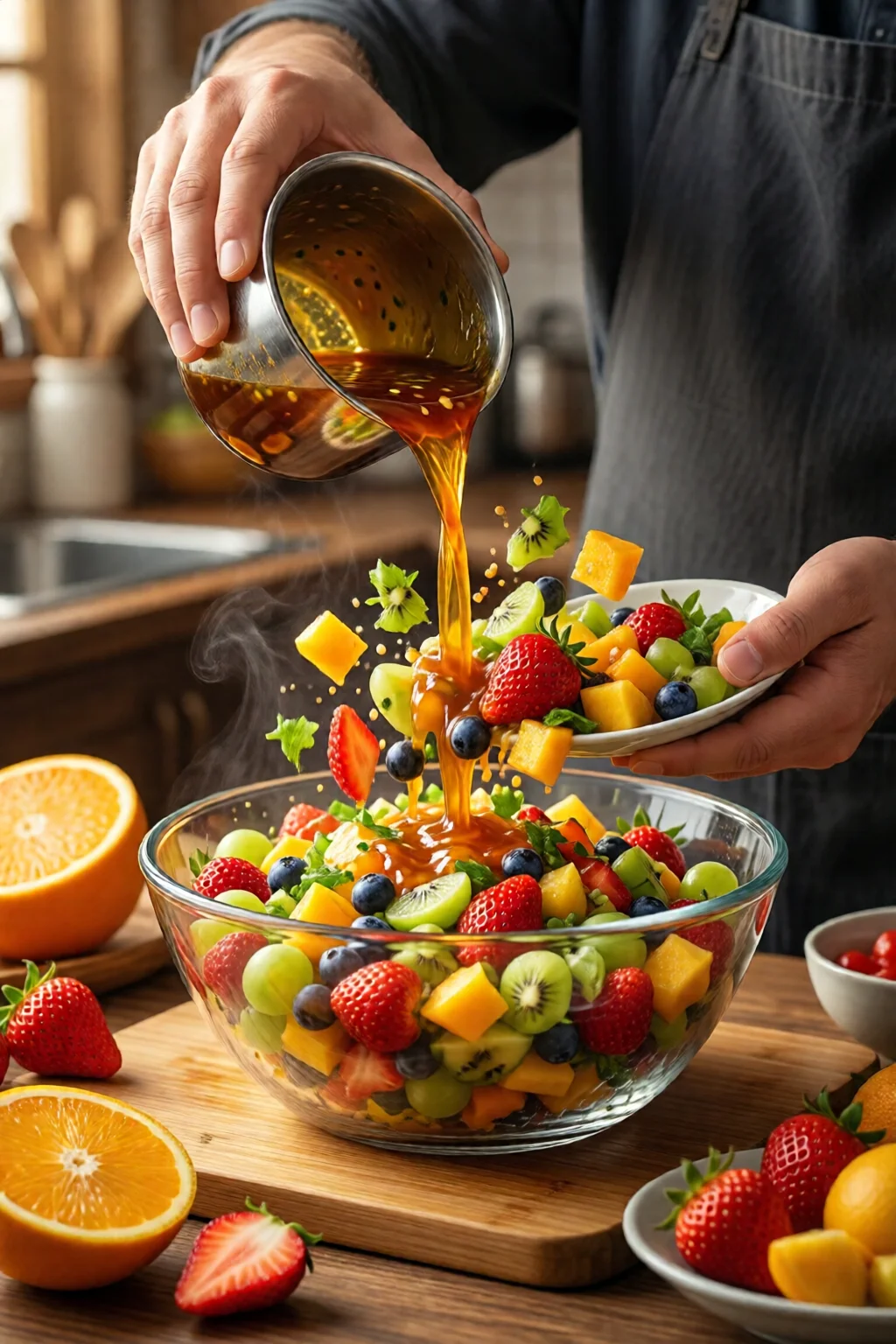
Combine lime juice, olive oil, honey, salt, and pepper in a small bowl. The lime’s citric acid brightens the fruit and encourages better nutrient absorption. Olive oil supplies healthy monounsaturated fats, which increase satiety. The entire dressing is under 60 kcal.
Step 5 – Mix, Portion, and Chill
- Gently toss the fruit with the dressing in the large bowl.
- If using Greek yogurt or hemp seeds for protein, fold them in now.
- Divide the salad into four meal prep containers. Each portion should be about 250 g, delivering roughly 200 kcal, 5 g protein, and 8 g fiber.
- Cover and refrigerate for at least 5 minutes. The chill helps the flavors meld and makes the salad more refreshing.
Step 6 – Serve Smartly
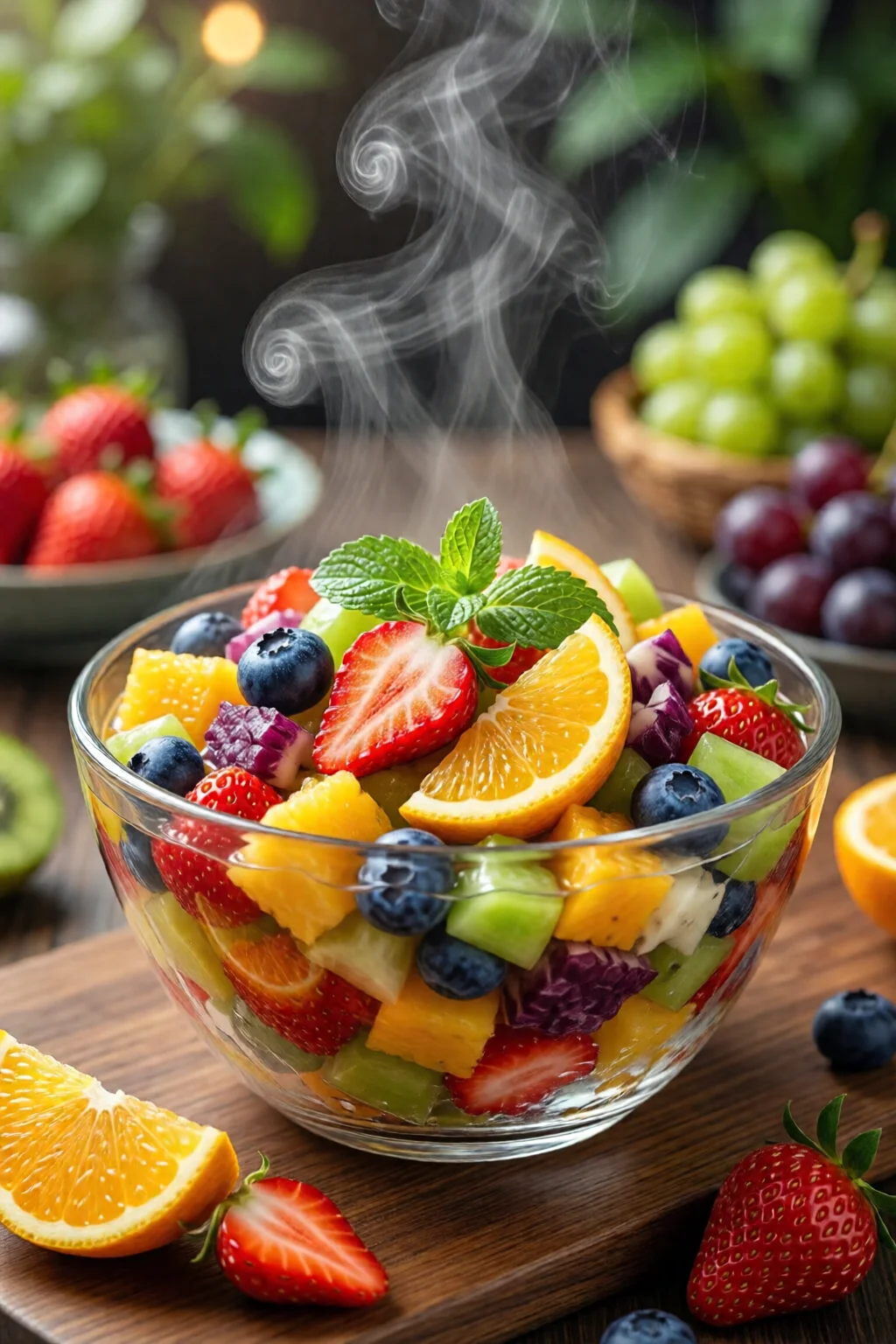
When you’re ready to eat, give the container a quick shake to redistribute any settled dressing. Pair the salad with a 3‑ounce serving of grilled chicken breast (about 100 kcal) for a complete asian chicken salad healthy weight loss recipe or enjoy it solo as a low‑calorie snack.
Common Mistakes to Avoid
- Using canned fruit: Added syrups can add 50‑100 kcal per cup. Opt for fresh or unsweetened frozen.
- Over‑dressing: A tablespoon too many can double the calorie count. Measure precisely.
- Choosing high‑sugar fruits exclusively: Bananas and grapes spike insulin. Limit them to ¼ cup each.
- Skipping portion control: Even healthy foods add up. A kitchen scale ensures you stay at the target 250 g.
- Storing at room temperature: Fruit oxidizes, losing nutrients and texture. Keep it chilled.
Troubleshooting & Tips for Best Results
My Salad Looks Soggy – What’s Wrong?
Excess moisture often comes from cutting fruit too early. Slice the apples and berries just before mixing, or toss them in a little lemon juice to slow browning and moisture release.
How Can I Keep It Fresh All Week?
Layer the dressing at the bottom of the container and add the fruit on top. When you’re ready to eat, simply shake. This method keeps fruit crisp for up to 5 days.
Can I Substitute Ingredients for Seasonal Availability?
Absolutely. Swap pineapple for mango ($1.99 per lb) or add kiwi ($0.79 each). Just keep the total fruit volume around 3 cups per batch to maintain the calorie target.
What About Adding Sweeteners?
If you crave extra sweetness, a drizzle of stevia (Truvia, $4.99 for 55 g) adds zero calories. Avoid regular sugar; it spikes insulin and undermines weight loss.
Is It OK to Add Nuts?
Yes, a tablespoon of sliced almonds ($0.99 per 30 g) contributes healthy fats and crunch, adding about 35 kcal. Just adjust the dressing accordingly.
Quick Variations for Different Diets
- Low‑Carb Version: Omit pineapple and grapes; increase berries and add avocado cubes (½ avocado adds 120 kcal but plenty of healthy fat).
- Vegan Protein Boost: Replace Greek yogurt with ¼ cup silken tofu blended with a splash of almond milk.
- High‑Fiber Boost: Add 2 Tbsp chia seeds ($0.60 per 20 g) for an extra 5 g fiber.
Summary & Takeaway
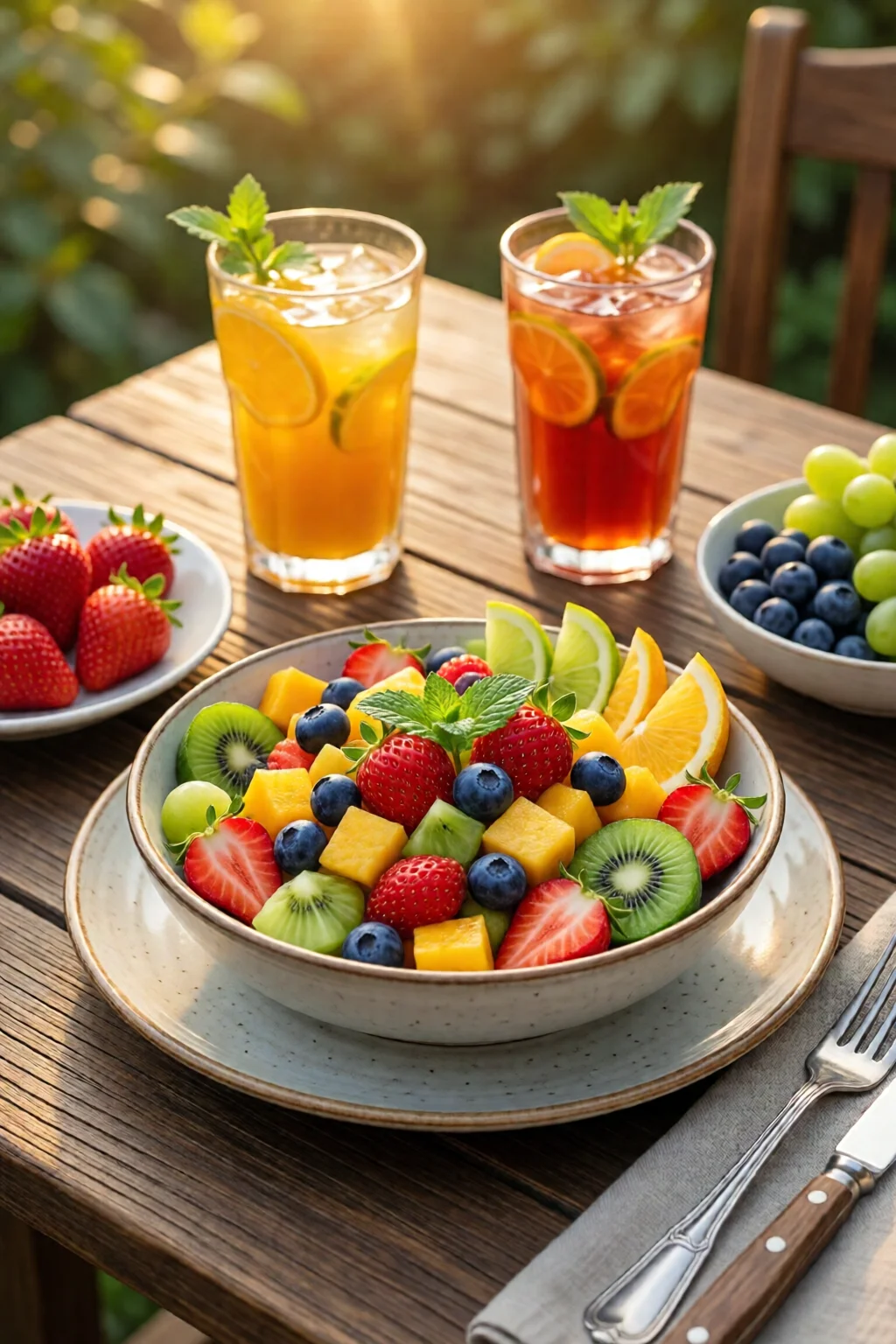
Crafting a fruit salad recipes healthy weight loss recipe is less about fancy ingredients and more about balance, portion control, and smart prep. With just a handful of fresh fruits, a light lime‑olive oil dressing, and a few practical tools, you can create a snack or side that fuels your metabolism, satisfies cravings, and keeps calories in check. Keep the salad chilled, measure your portions, and enjoy the natural sweetness without the hidden sugars. Pair it with protein, store it in quality containers, and you’ve got a portable, nutrient‑dense meal that supports steady weight loss.
Frequently Asked Questions
How many calories are in a typical serving of this fruit salad?
A 250‑gram serving contains roughly 200 kcal, depending on the exact fruit ratios and whether you add yogurt or seeds.
Can I prepare this salad ahead of time for the whole week?
Yes. Store the dressing separately at the bottom of a sealed container, add the fruit on top, and shake before eating. It stays fresh for up to five days.
Is this fruit salad suitable for a diabetic diet?
It can be, if you focus on low‑glycemic fruits (berries, apple) and limit high‑sugar options like grapes or mango. Pair with protein to further stabilize blood sugar.
What’s the best way to keep the salad crunchy?
Slice fruits just before assembling and add a splash of lemon or lime juice to prevent oxidation. Keep the salad refrigerated and avoid overwetting the fruit.
Can I incorporate this into a quinoa salad recipes healthy weight loss recipe?
Absolutely. Toss a half‑cup of cooked quinoa into the fruit mix for added protein and complex carbs, staying within a 300‑kcal per serving range.
3 thoughts on “Fruit Salad Recipes Healthy Weight Loss Recipe – Tips, Ideas and Inspiration”