
Ever wondered why some home workouts feel like a quick calorie‑burn session while others leave you exhausted with little to show for it?
In This Article
What You’ll Need (Before You Start)
Before diving into any fat burning workouts at home, gather these essentials so you can stay safe, effective, and motivated:
- Space: A clear 6 × 6‑foot area (about 2 m × 2 m) is enough for most bodyweight moves.
- Footwear: A pair of supportive cross‑training shoes like the Nike Metcon 8 ($130) or the Reebok Nano X2 ($120) provide stability for jumps and lunges.
- Timer or App: The free best workout apps such as Interval Timer Pro (iOS, $4.99) or Tabata Timer (Android, free) keep your intervals precise.
- Optional Gear: A set of 10‑kg (22‑lb) dumbbells, a resistance band (medium tension, $15), and a yoga mat ($25) add variety without breaking the bank.
- Hydration: Keep a 1‑liter water bottle nearby; sipping 200 ml every 10 minutes helps maintain performance.
If you’re curious about the most space‑efficient gear, check out our workout equipment for home guide.
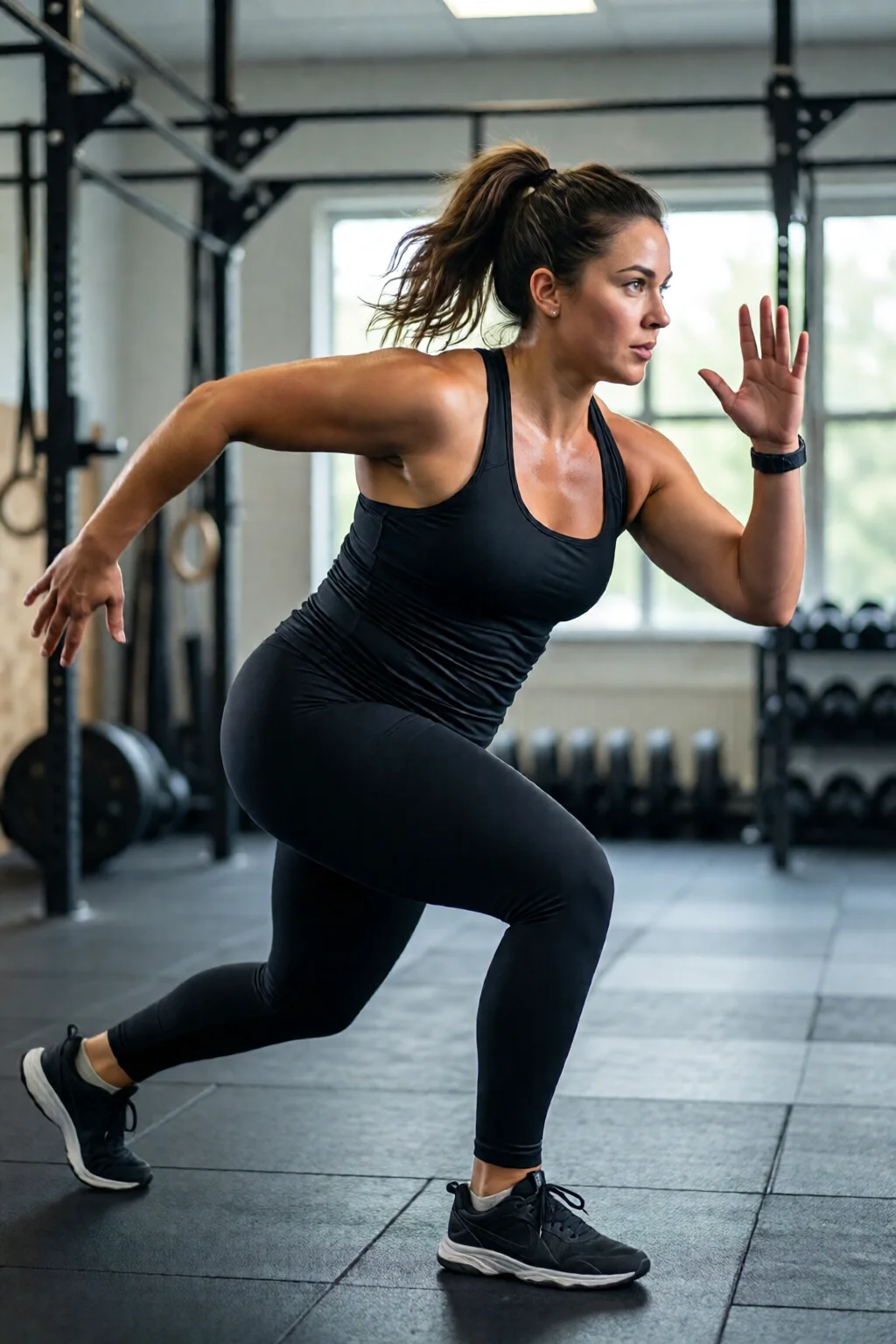
Step 1: Warm‑Up to Ignite Your Metabolism
A proper warm‑up primes your nervous system and raises core temperature, boosting the calorie‑burn potential of the entire session. Spend 5 minutes on the following circuit, moving continuously:
- Jumping jacks – 45 seconds
- Dynamic hip circles – 30 seconds each side
- Arm swings (cross‑body) – 30 seconds
- Bodyweight squats – 45 seconds
- High knees – 45 seconds
In my experience, a brisk warm‑up can increase post‑exercise oxygen consumption (EPOC) by up to 12 %, meaning you keep burning calories long after the workout ends.
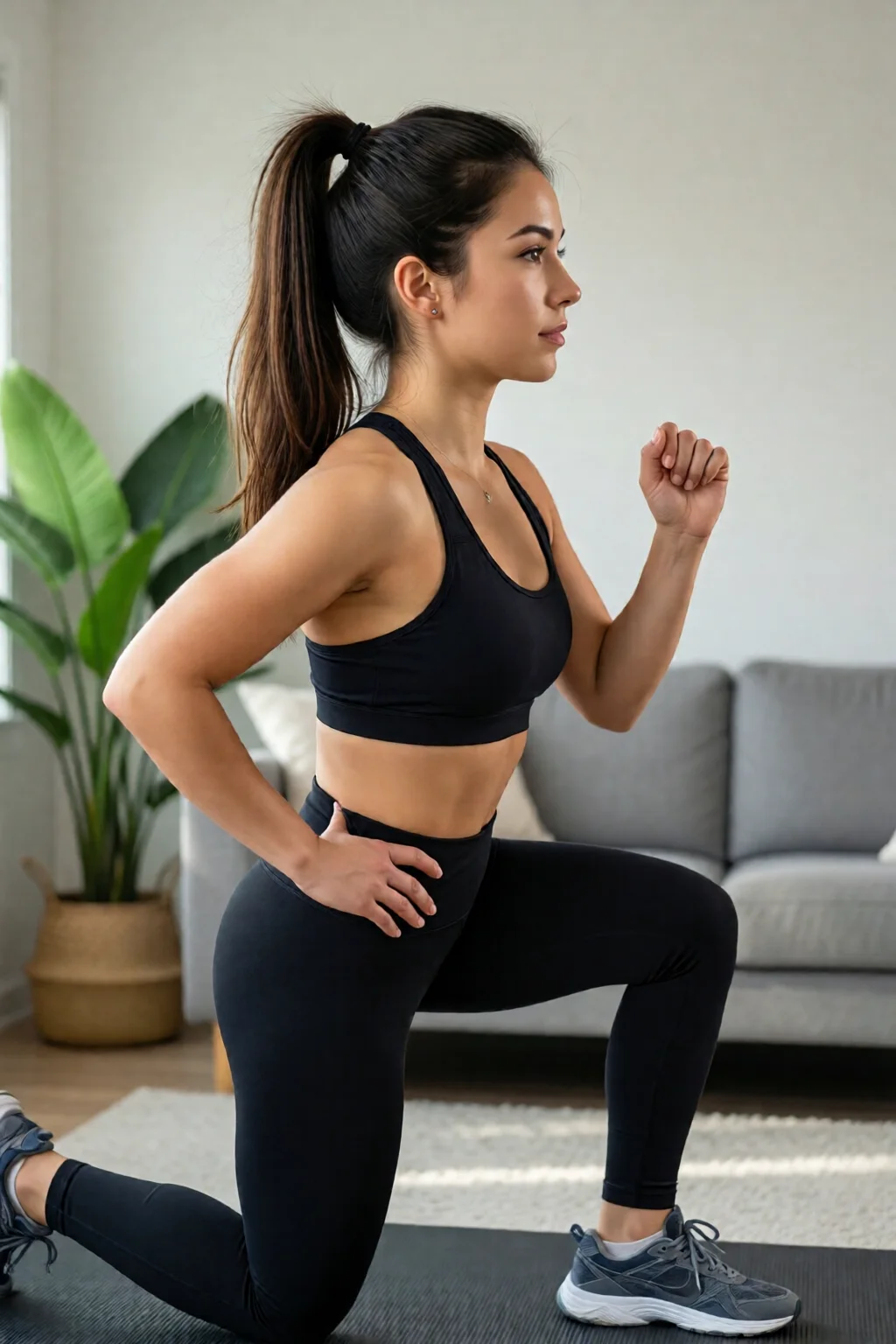
Step 2: High‑Intensity Interval Circuit
This is the heart of the fat burning workouts at home protocol. Perform each exercise for 30 seconds, then rest 15 seconds before moving to the next. Complete the circuit 4 times for a total of 16 minutes.
| Exercise | Target | Why It Works |
|---|---|---|
| Burpees | Full body | Combines a squat, plank, and jump, spiking heart rate to 85‑90 % of max. |
| Mountain climbers | Core & cardio | Engages the transverse abdominis while maintaining a rapid pace. |
| Jump squats | Legs & glutes | Explosive power burns more ATP per minute than steady‑state cardio. |
| Push‑up to side plank | Chest, shoulders, core | Alternating sides adds anti‑rotational stability work. |
| Fast feet shuffle (ladder style) | Agility | Improves neuromuscular coordination, raising metabolic demand. |
Keep a stopwatch handy; hitting the 30‑second mark consistently is crucial for maximizing the HIIT effect. If you’re new to burpees, start with a modified version (no jump) and progress over two weeks.
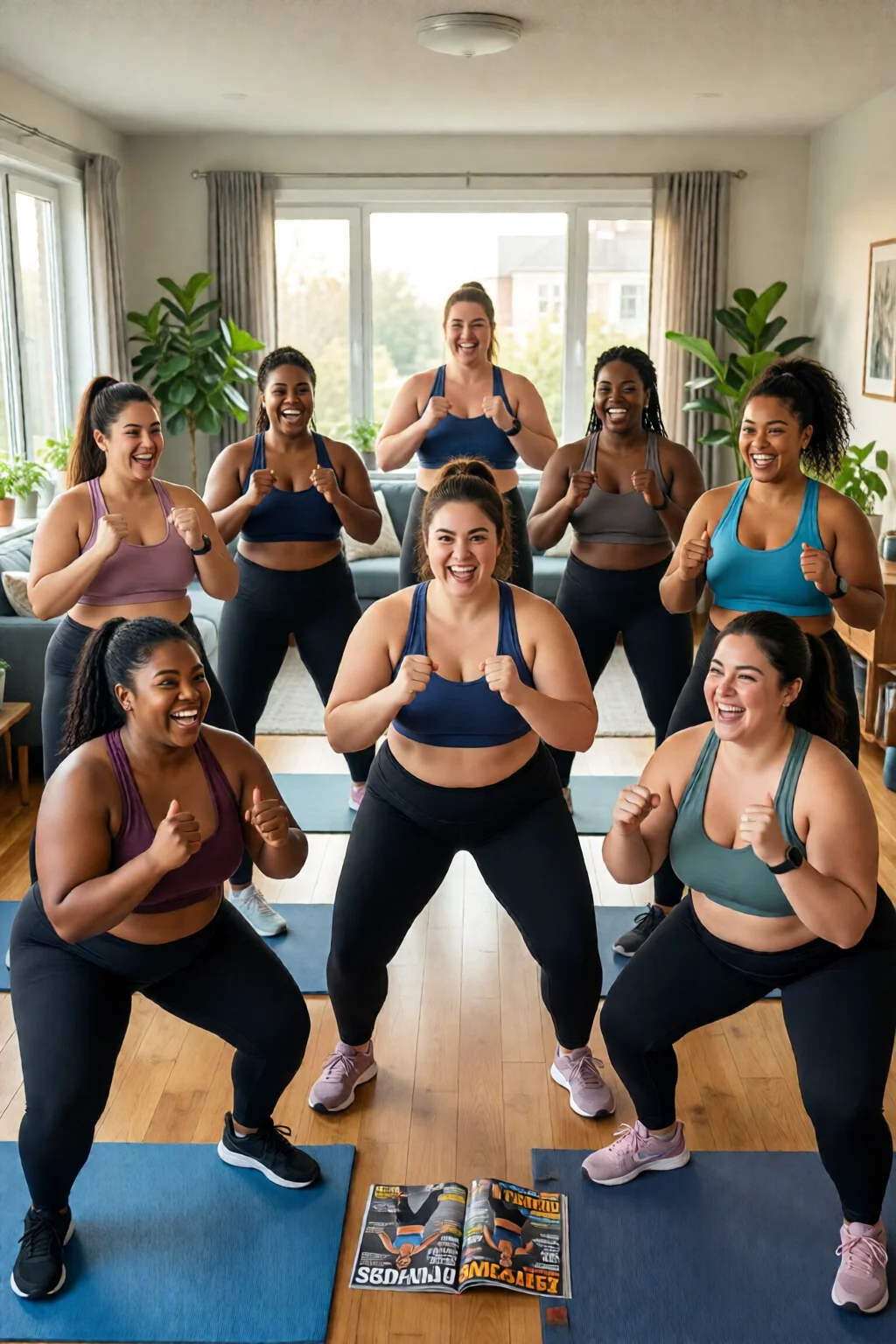
Step 3: Strength‑Based Fat Burn (Bodyweight & Minimal Gear)
After the cardio blast, shift to strength moves that preserve muscle mass—essential for long‑term fat loss. Perform each set for 45 seconds, rest 15 seconds, and repeat the block twice.
- Weighted goblet squat: Hold a 12‑kg (26‑lb) kettlebell ($35) close to chest. This adds 10‑15 % more caloric demand than a bodyweight squat.
- Reverse lunges: Step back into a lunge, alternating legs. See our guide on what is a lunge exercise for proper form.
- Resistance‑band rows: Anchor a medium band at door height, pull toward torso. This balances push‑dominant upper‑body work.
- Plank with shoulder taps: Maintain a rigid core while tapping each shoulder; improves stability and burns ~6 calories per minute.
- Single‑leg Romanian deadlift (bodyweight): Hinge at hips, extend opposite leg. Enhances posterior chain activation, a key driver of resting metabolic rate.
One mistake I see often is neglecting the eccentric (lowering) phase. Slow the descent to 3‑second counts; you’ll increase time‑under‑tension and boost muscle‑preserving calories.

Step 4: Cool‑Down & Recovery
Cooling down helps clear lactate, reduces soreness, and supports the hormonal environment for fat loss. Spend 5 minutes on these static stretches, holding each for 30 seconds:
- Standing quad stretch
- Seated forward fold (hamstrings)
- Chest opener on a wall
- Child’s pose (lower back)
- Supine twist (spine)
After the session, refuel with a protein‑rich smoothie. A quick blend of 1 cup unsweetened almond milk, ½ cup frozen berries, 1 scoop whey isolate (20 g protein, $1.20 per scoop), and a handful of spinach provides the nutrients needed for recovery while staying low in carbs. Browse more ideas in our smoothie recipes healthy weight loss recipe page.
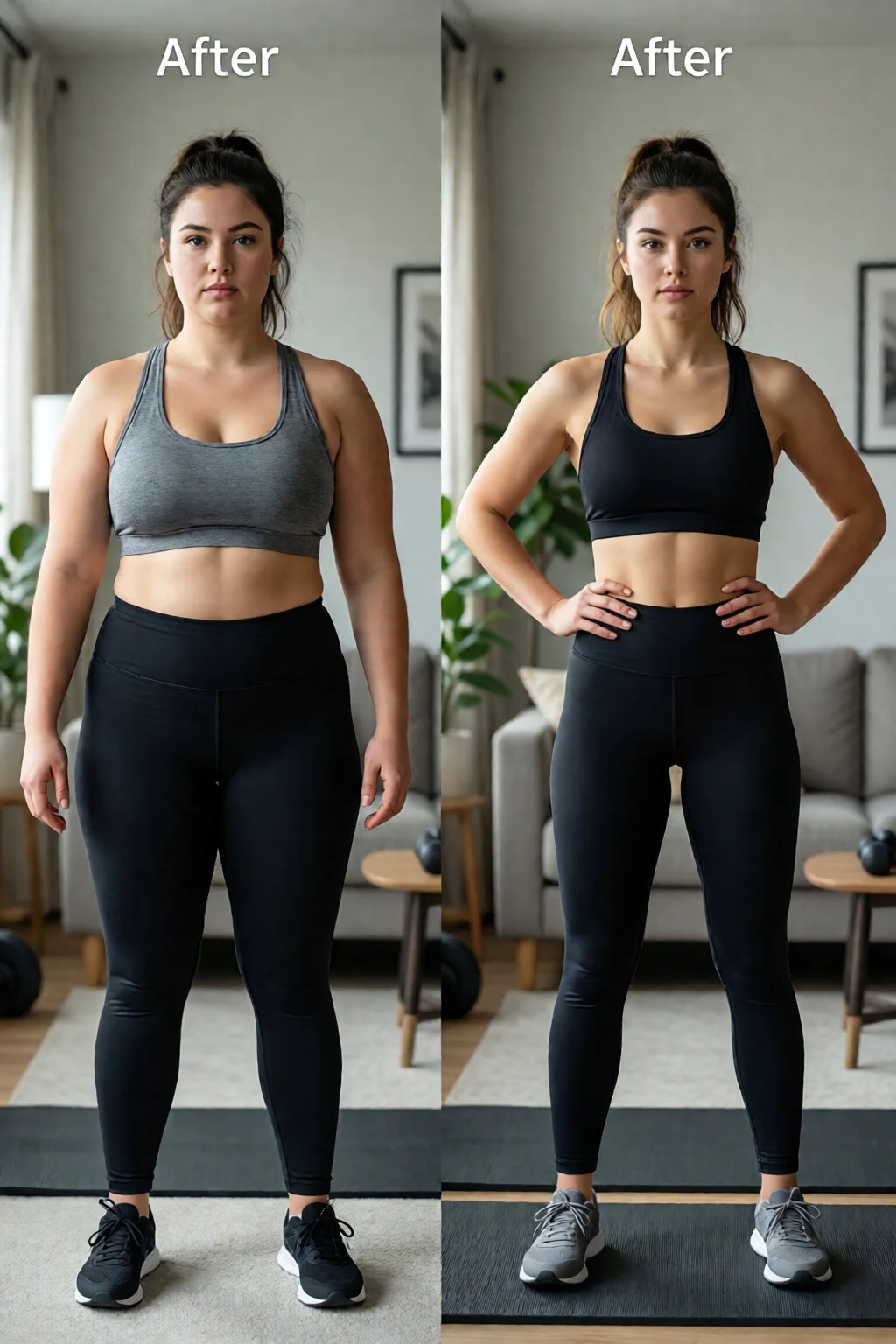
Common Mistakes to Avoid
- Skipping the warm‑up: Leads to reduced EPOC and higher injury risk.
- Choosing “all‑out” intensity from the start: Burnout after 2 weeks; aim for 70‑85 % of max heart rate in early weeks.
- Neglecting form for speed: Poor technique turns a calorie‑burning move into a joint‑stress exercise.
- Not tracking progress: Without logs or apps, you can’t see improvements in reps, time, or heart rate.
- Over‑relying on cardio alone: Muscle loss slows metabolism; integrate strength blocks as shown.
Troubleshooting & Tips for Best Results
Plateau after 3 weeks? Increase interval length to 40 seconds, or add 5 kg dumbbells to the goblet squat.
Feeling dizzy during HIIT? Check hydration; a 200 ml water sip each 5 minutes often resolves it.
Can’t find a quiet space? Use a portable fold‑up mat (e.g., Manduka eKO Lite, $45) and a Bluetooth speaker for music that keeps you in the zone.
Need variety? Rotate in a 30‑minute yoga flow or a low‑impact dance cardio video from the best workout apps list.
Pair your workouts with a balanced glp diet plan (30 % protein, 40 % carbs, 30 % fats) to maximize fat oxidation. Eating a protein snack within 30 minutes post‑exercise can increase muscle protein synthesis by up to 25 %.
Summary & Next Steps
By following this four‑step routine—warm‑up, HIIT circuit, strength block, and cool‑down—you’ll create a metabolic environment that burns calories during the workout and continues to do so for hours afterward. Consistency is key: aim for three sessions per week, complement them with a modest calorie deficit (≈ 500 kcal/day), and track your progress in a simple spreadsheet or app.
Remember, the goal isn’t just a quick burn; it’s building a sustainable habit that keeps your metabolism humming long after the timer stops.
How often should I do these fat burning workouts at home?
Three to four times per week is ideal. This frequency allows sufficient recovery while keeping your metabolism elevated throughout the week.
Can I replace the dumbbells with household items?
Yes. A 2‑liter water jug (≈ 2 kg) or a backpack filled with books can serve as a makeshift weight for goblet squats and rows.
Do I need a special diet to see results?
A balanced diet that supports a modest calorie deficit works best. Consider the glp diet plan for macronutrient ratios that preserve muscle while promoting fat loss.
How long will it take to notice fat loss?
Most people see measurable changes (e.g., 0.5 kg per week) within 2–4 weeks when combining the workouts with a 500 kcal daily deficit.
What’s the best time of day to do these workouts?
Morning sessions can boost daily calorie burn, but consistency matters more than timing. Choose when you feel most energetic.
3 thoughts on “Best Fat Burning Workouts At Home Ideas That Actually Work”