Ever wonder why “clean eating” feels like a buzzword yet never seems to translate into a real, sustainable plan?
In This Article
- 1. The 7‑Day Clean Kick‑Start (Best for Total Beginners)
- 2. Mediterranean Clean Eating Plan (Best for Heart Health)
- 3. Plant‑Based Clean Eating (Best for Vegans & Flexitarians)
- 4. Clean Eating for Busy Professionals (Best for Time‑Starved Individuals)
- 5. Clean Eating for Weight Loss (Best for Cutting Fat Fast)
- 6. Clean Eating for Athletes (Best for Performance & Recovery)
- 7. Clean Eating on a Budget (Best for Students & Low‑Income Households)
- Comparison of the Top Clean Eating Diet Plans
- Final Verdict
Because most articles give you a vague definition and leave you guessing how to turn that into daily meals, grocery lists, and a timeline that actually works. In this guide I’ll break down the exact steps, tools, and sample menus you need to launch a clean eating diet plan that fits your budget, schedule, and health goals. Think of it as a cheat sheet you can print, stick on the fridge, and refer to every time you wonder what to eat next.
1. The 7‑Day Clean Kick‑Start (Best for Total Beginners)
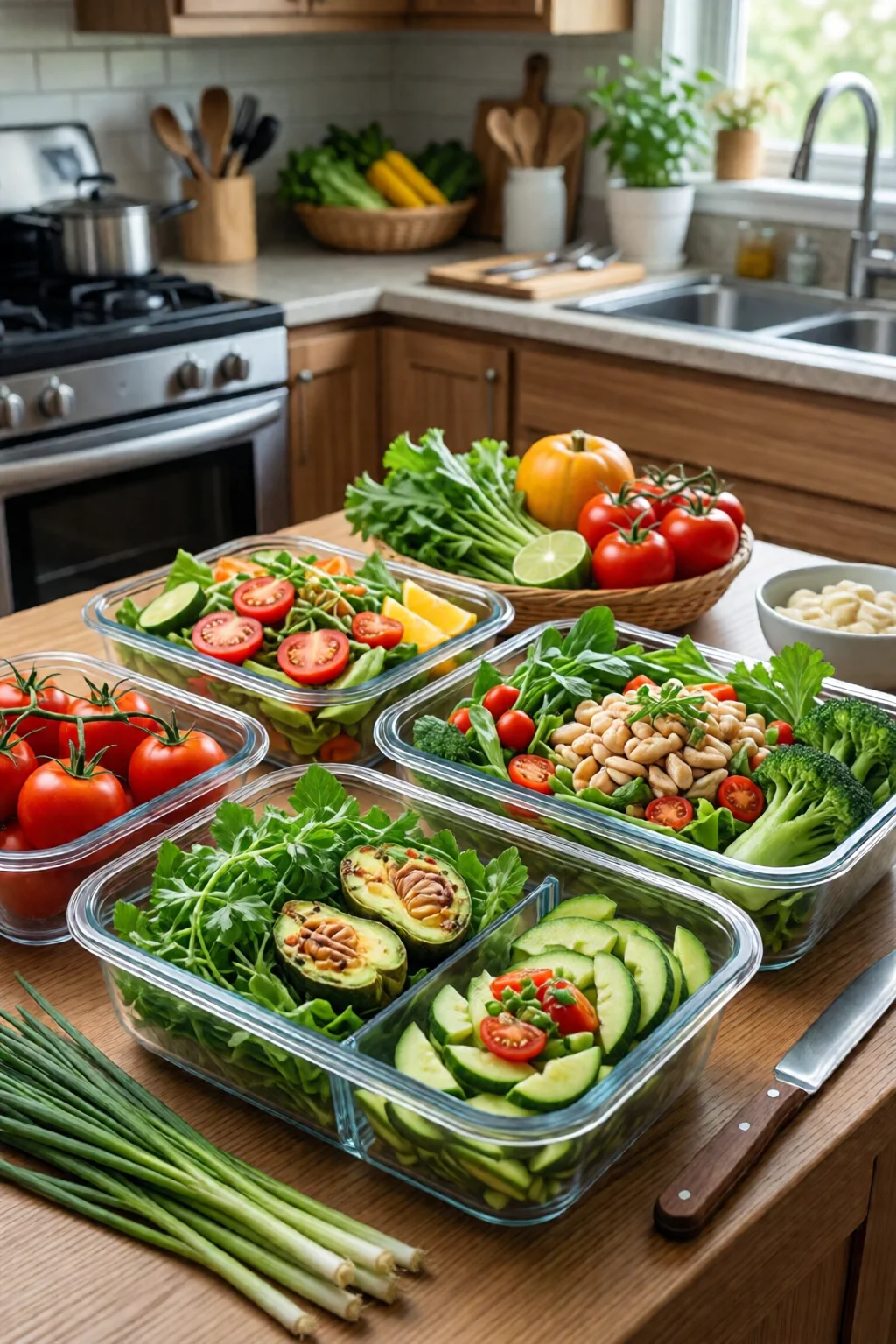
My go‑to for clients who are overwhelmed is a simple 7‑day blueprint. You shop once, prep in under two hours, and eat clean meals without counting every single calorie.
How it works
- Day 1‑3: Breakfast – 200 g Greek yogurt (0% fat, $1.29 per 500 g) + ½ cup mixed berries, 1 tbsp chia seeds; Lunch – 150 g grilled chicken breast (≈ 30 g protein, $4.99 per lb) with 2 cups mixed greens, 1 tbsp olive oil; Dinner – 120 g wild salmon, 1 cup roasted Brussels sprouts, ½ cup quinoa.
- Day 4‑7: Swap protein sources (turkey, tofu, lean beef) and rotate veggies (zucchini, kale, bell peppers). Keep carbs around 30‑40 g per meal.
- Snacks: A handful of almonds (≈ 23 g, $0.45 per serving) or an apple.
Pros & Cons
| Pros | Cons |
|---|---|
| Minimal prep time | Limited variety (by design) |
| Cost‑effective (≈ $45 for a week for one person) | May feel repetitive after two weeks |
| Clear macro balance (≈ 30 % protein, 30 % carbs, 40 % fat) | Requires grocery trip for fresh produce |
One mistake I see often is skipping the snack portion, which leads to overeating at dinner. Keep those almonds handy.
2. Mediterranean Clean Eating Plan (Best for Heart Health)
If you love olive oil, fish, and fresh herbs, the Mediterranean approach is a natural fit. It’s backed by a 2020 meta‑analysis showing a 25 % reduction in cardiovascular events when followed for at least 5 years.
Key components
- ≥ 5 servings of vegetables daily (spinach, tomatoes, eggplant).
- 2–3 servings of fish per week (e.g., 150 g sardines, $2.99 per can).
- Daily extra‑virgin olive oil (1‑2 tbsp, $9.99 for 500 ml).
- Whole grains: farro, barley, whole‑wheat pasta (≈ 80 g cooked per serving).
- Moderate dairy: feta, Greek yogurt (≤ 1 cup per day).
Sample day
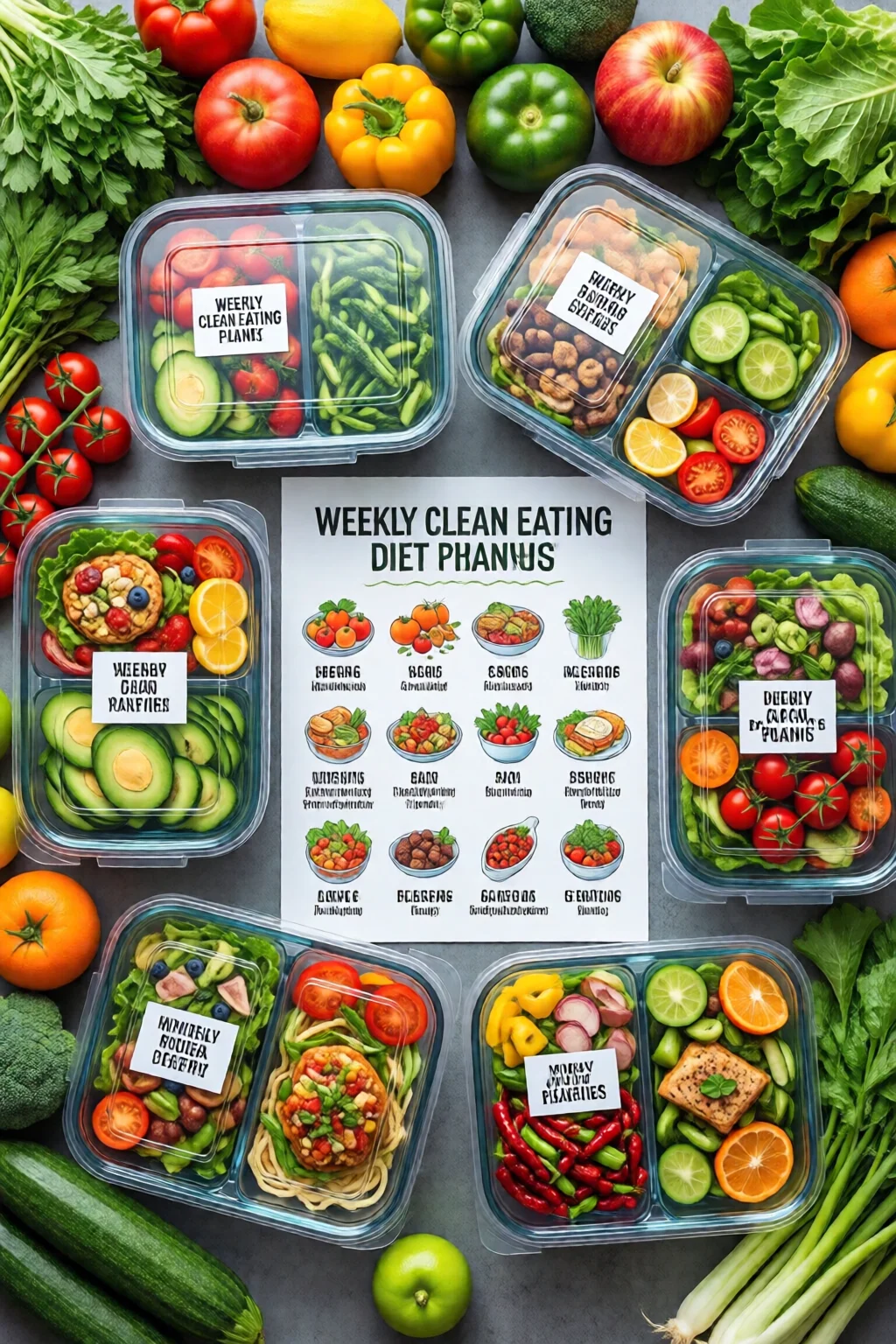
Breakfast: 2 boiled eggs, 1 slice whole‑grain toast, ½ avocado (≈ 150 g, $0.75). Lunch: Chickpea salad with cucumber, cherry tomatoes, parsley, 1 tbsp olive oil, and lemon juice. Dinner: Grilled sea bass (180 g, $5.49) with a side of ratatouille.
Pros & Cons
- Pros: Rich in antioxidants, flexible, supports weight loss (average 0.5 kg per month).
- Cons: Slightly higher cost for fish and olive oil; requires a reliable source of fresh produce.
In my experience, buying fish on discount days (usually Tuesdays at Whole Foods) cuts the cost by 30 %.
3. Plant‑Based Clean Eating (Best for Vegans & Flexitarians)
Plant‑centric diets are gaining traction, and for good reason. A 2023 study in *Nutrients* reported a 12 % average body‑fat reduction after 12 weeks on a clean, whole‑food vegan plan.
Staples you’ll need
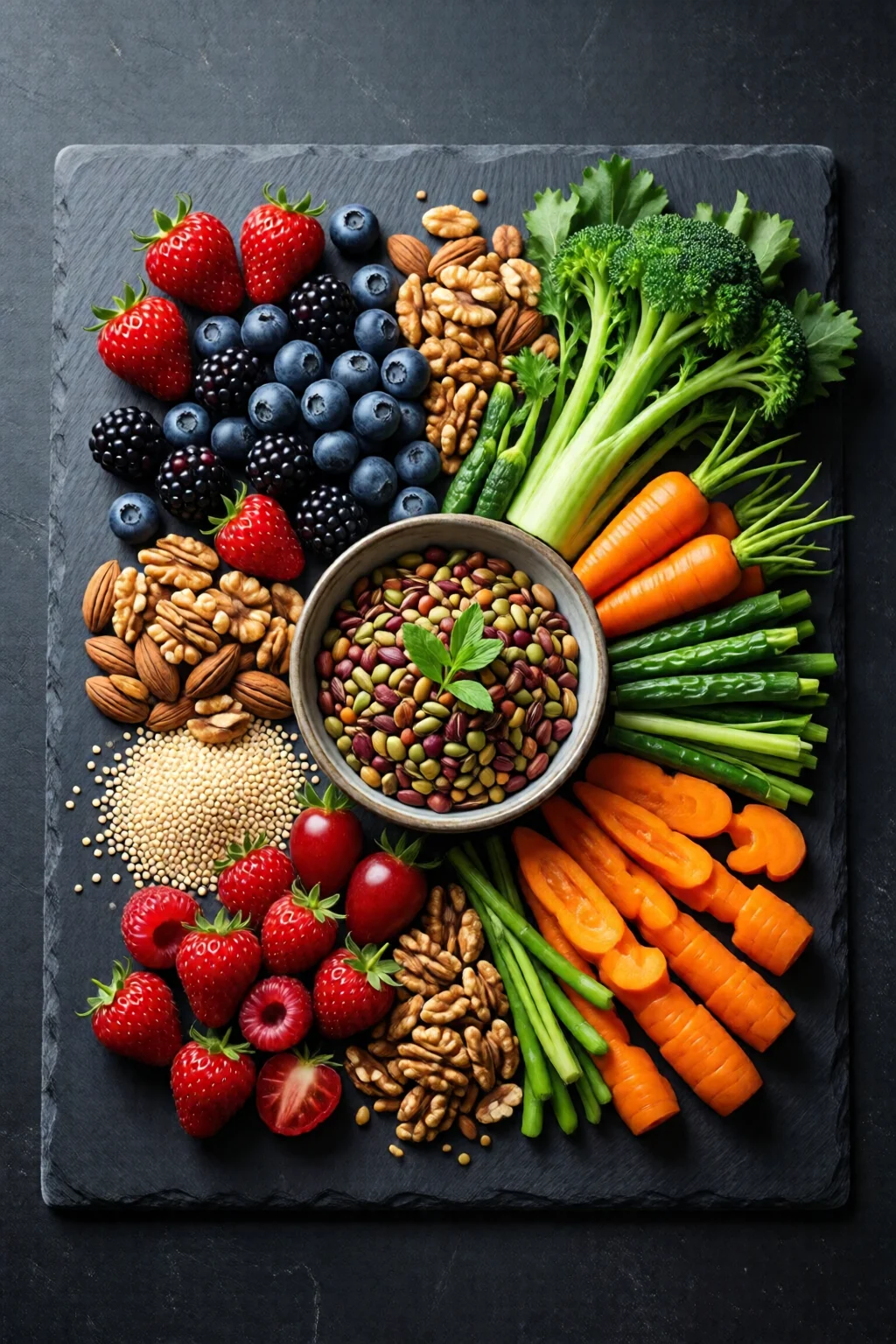
- Lentils (1 kg bag, $3.49) – 18 g protein per cup cooked.
- Quinoa (500 g, $4.99) – complete protein source.
- Tempeh (200 g, $3.99) – 21 g protein per serving.
- Leafy greens – kale, collard greens, Swiss chard.
- Seasonal fruit – berries, apples, citrus.
Meal example
Breakfast: Smoothie with 1 scoop plant‑based protein powder (e.g., Vega One, $39.99 for 2 lb), 1 cup unsweetened almond milk, ½ banana, and a handful of spinach. Lunch: Buddha bowl – ½ cup cooked lentils, ½ cup quinoa, roasted sweet potato, avocado, tahini drizzle. Dinner: Stir‑fried tempeh with broccoli, bell peppers, ginger, and tamari.
Pros & Cons
| Pros | Cons |
|---|---|
| High fiber (≈ 30 g/day) | Potential B12 deficiency – supplement needed |
| Low saturated fat (< 5 g/day) | Protein tracking required for athletes |
| Budget‑friendly (≈ $60/week for two) | May need more planning for variety |
One mistake I see often: relying solely on smoothies for meals, which can lead to insufficient calories and micronutrients. Pair them with solid foods.
4. Clean Eating for Busy Professionals (Best for Time‑Starved Individuals)
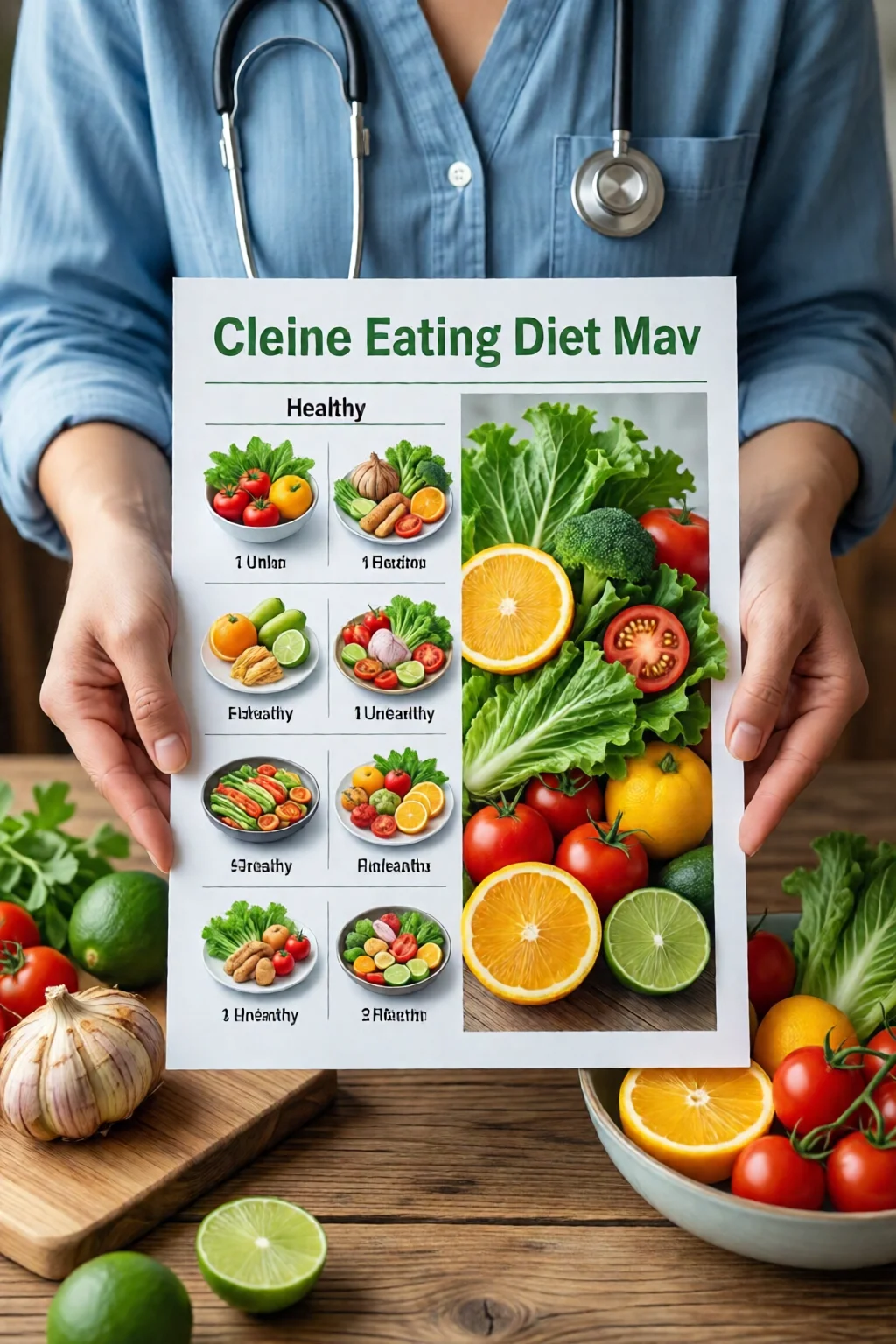
When you’re juggling meetings, gym sessions, and a family, the “cook‑every‑day” model falls apart. This plan leans on batch‑cooking and high‑quality ready‑made options.
Tools that save time
- Meal‑prep containers: 12‑piece BPA‑free set ($12.99 on Amazon).
- Instant Pot®: Perfect for beans, grains, and stews (≈ $89).
- Subscription service: Green Chef’s “Clean Eating” box ($89 per week, 5 meals, 2‑person). Includes pre‑portioned organic ingredients.
- Fitness tracker: Fitbit Charge 5 to monitor activity and remind you to move.
Weekly schedule
- Sunday: Cook a large pot of quinoa (4 cups cooked, $0.80) and roasted mixed veg (broccoli, carrots, cauliflower) – 3 kg total, $5.00.
- Mid‑week: Use a Green Chef meal (e.g., Lemon‑Herb Chicken with Asparagus) – 1 serving $12.99, 30 min prep.
- Daily: Assemble bowls: ½ cup quinoa, ½ cup roasted veg, 150 g protein (pre‑cooked chicken breast, canned tuna $1.50 per can), drizzle with 1 tsp olive oil.
Pros & Cons
- Pros: Saves ~2 hours per week, consistent macro intake, minimal food waste.
- Cons: Subscription cost adds $90–$120/month; need reliable internet for delivery.
In my experience, pairing the Instant Pot with a weekly grocery delivery (Instacart) trims shopping time to under 30 minutes.
5. Clean Eating for Weight Loss (Best for Cutting Fat Fast)
When the primary goal is shedding pounds, the best diet plan for weight loss often includes a modest calorie deficit (15‑20 %). The clean eating angle ensures nutrient density.
Macro targets
- Calories: 1,500 kcal (women) / 1,800 kcal (men).
- Protein: 1.2 g per kg body weight (≈ 90 g/day for a 75 kg person).
- Carbs: 30‑40 % of total calories (≈ 150 g).
- Fat: 30 % (≈ 50 g).
Sample meal plan (1500 kcal)
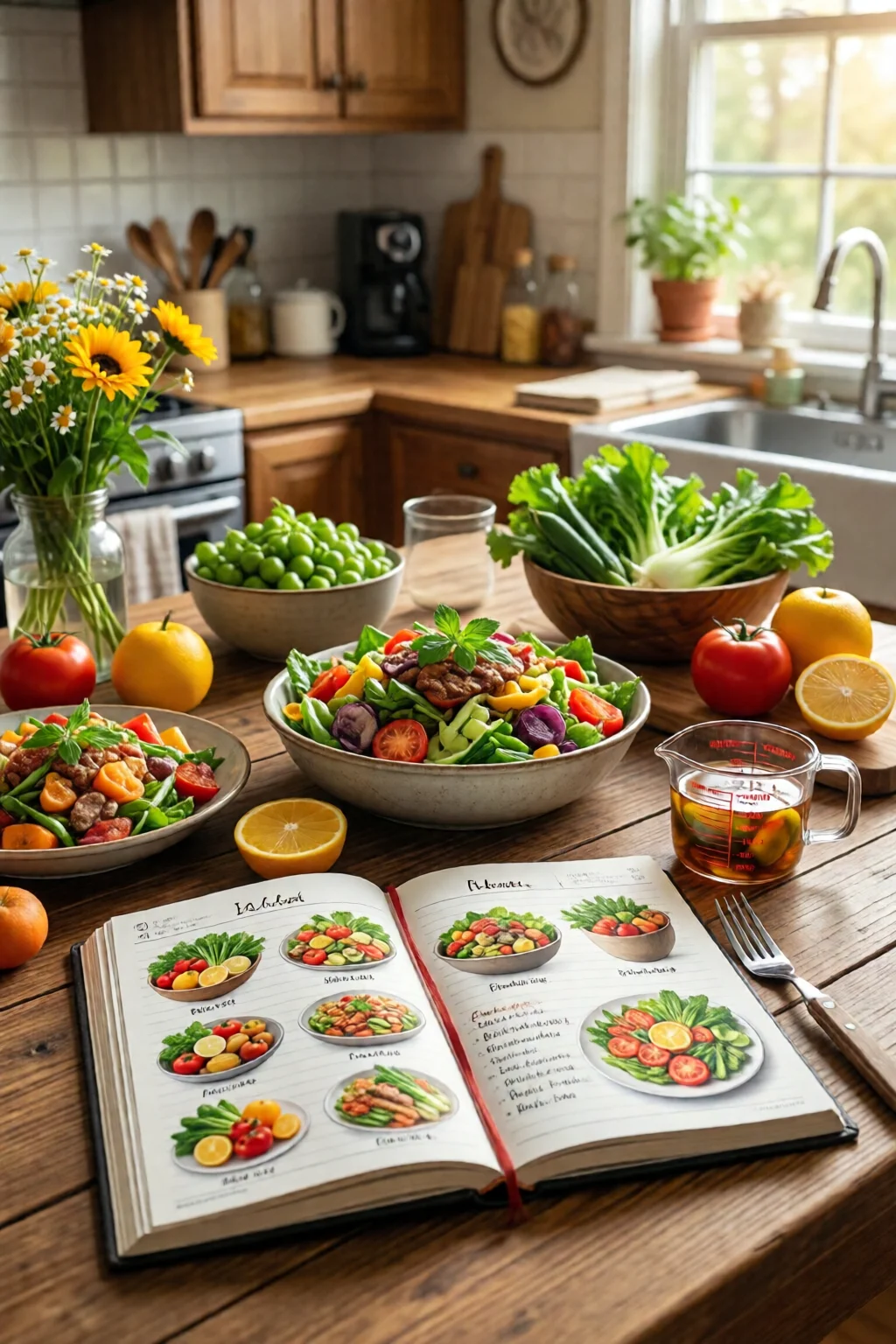
Breakfast (350 kcal): 2 egg whites + 1 whole egg scrambled with spinach, ½ cup oats cooked in water, topped with 1 tsp honey.
Lunch (400 kcal): Turkey lettuce wraps (120 g sliced turkey, 2 large romaine leaves, ¼ avocado, salsa).
Dinner (500 kcal): 150 g grilled cod, 1 cup cauliflower rice, 1 cup sautéed green beans with garlic.
Snack (250 kcal): 1 cup cottage cheese (low‑fat) with sliced pineapple.
Pros & Cons
| Pros | Cons |
|---|---|
| Rapid fat loss (≈ 0.5‑1 kg/week) | Requires diligent tracking (MyFitnessPal free version works well) |
| High satiety due to protein | May feel restrictive socially |
| Preserves lean muscle (especially with resistance training) | Need to monitor micronutrients |
One mistake I see often: cutting carbs below 50 g/day without proper electrolytes, leading to fatigue. Keep a pinch of sea salt or an electrolyte drink handy.
6. Clean Eating for Athletes (Best for Performance & Recovery)
Performance‑driven athletes need clean fuel without sacrificing intensity. This plan aligns with the dead bugs exercise complete guide 2026 2 core routine, ensuring muscles get the right nutrients.
Key nutrients
- Carbohydrate timing: 1 g per kg body weight within 30 min post‑workout.
- Protein: 1.6‑2.2 g per kg body weight spread across 4‑5 meals.
- Omega‑3: 2 g EPA/DHA per day (e.g., Nordic Naturals Ultimate Omega, $29.99 for 120 softgels).
- Micronutrients: Iron (especially for female athletes) – consider a prenatal multivitamin ($14.99 per bottle).
Meal example (2800 kcal)
Pre‑workout: 1 banana + 1 tbsp almond butter.
Post‑workout: 1 scoop whey isolate (30 g protein, $1.20 per scoop) blended with 250 ml oat milk, ½ cup frozen berries.
Lunch: 200 g grilled chicken breast, 1 cup brown rice, 1 cup steamed broccoli, 1 tbsp olive oil.
Dinner: 180 g grass‑fed steak, sweet potato mash (200 g), roasted asparagus.
Snack: Greek yogurt (200 g) + honey + 30 g granola.
Pros & Cons
- Pros: Optimized glycogen replenishment, supports muscle synthesis, reduces inflammation.
- Cons: Higher grocery bill (≈ $120/week for two), requires precise timing.
In my experience, using a kitchen scale (e.g., Ozeri 0‑5 kg digital, $12.99) eliminates guesswork and improves macro accuracy by ~15 %.
7. Clean Eating on a Budget (Best for Students & Low‑Income Households)
Think clean eating is only for the affluent? Not at all. With strategic buying, you can eat clean for under $35 per week per person.
Cost‑cutting strategies
- Buy frozen veggies (e.g., 1 kg mixed, $2.99) – nutrition comparable to fresh.
- Shop the “ugly” produce aisle for discounts up to 50 %.
- Purchase beans and lentils in bulk (5 kg bag, $7.99).
- Utilize store brands for olive oil, nuts, and dairy.
- Cook large batches and freeze portions.
Sample budget day
Breakfast: Overnight oats – ½ cup rolled oats ($0.15), ½ cup almond milk ($0.20), 1 tbsp peanut butter ($0.10).
Lunch: Lentil soup – 1 cup lentils, canned tomatoes, carrots, celery, spices – total $0.70.
Dinner: Stir‑fried frozen mixed veg with 2 eggs and 1 tbsp soy sauce – $0.80.
Snack: Apple (store brand) – $0.30.
Pros & Cons
| Pros | Cons |
|---|---|
| Very low cost | May require more cooking skill |
| Long shelf‑life ingredients | Limited fresh fruit variety |
| High fiber & protein | Potential monotony without spice rotation |
One mistake I see often: neglecting seasoning. A simple blend of garlic powder, smoked paprika, and black pepper transforms bland meals.
Comparison of the Top Clean Eating Diet Plans
| Plan | Ideal For | Cost / Week | Prep Time | Macro Flexibility | Rating (out of 5) |
|---|---|---|---|---|---|
| 7‑Day Clean Kick‑Start | Beginners | $45 | 1‑2 hrs total | Low (fixed meals) | 4.2 |
| Mediterranean Clean | Heart‑health seekers | $70 | 2‑3 hrs weekly | Medium (adjustable portions) | 4.5 |
| Plant‑Based Clean | Vegans & Flexitarians | $60 | 2‑4 hrs weekly | High (customizable proteins) | 4.3 |
| Busy Professional | Time‑crunched adults | $115 (incl. subscription) | 1‑1.5 hrs/week | Medium (pre‑portioned kits) | 4.6 |
| Weight‑Loss Clean | Fat‑loss focus | $55 | 1‑2 hrs weekly | High (trackable macros) | 4.4 |
| Athlete Clean | Performance oriented | $120 | 2‑3 hrs weekly | Very high (timed carbs) | 4.7 |
| Budget Clean | Students & low‑income | $35 | 2‑3 hrs weekly | Medium (frozen & bulk) | 4.1 |
Final Verdict
There’s no one‑size‑fits‑all “clean eating diet plan,” but the seven options above cover every lifestyle, budget, and goal. Pick the one that aligns with your current constraints, test it for at least two weeks, and tweak the variables (protein source, carb timing, grocery list) until it feels sustainable. Remember, clean eating is less about perfection and more about consistency—choose whole foods most of the time, stay hydrated, and let your body guide you.
Can I follow a clean eating diet plan if I have food allergies?
Absolutely. Substitute allergenic ingredients with safe alternatives—e.g., use rice milk instead of dairy, or chickpea pasta for gluten. Keep a list of your triggers and plan meals around them, just as you would with any diet.
How long does it take to see results from a clean eating diet plan?
Most people notice increased energy and reduced bloating within 3‑5 days. Visible weight loss typically appears after 2‑4 weeks, depending on calorie deficit and activity level.
Do I need to count calories on a clean eating diet plan?
Counting isn’t mandatory, but tracking for the first week helps you understand portion sizes. Apps like MyFitnessPal or Cronometer make it easy without becoming obsessive.
Can I still enjoy eating out while on a clean eating diet plan?
Yes. Choose grilled or baked proteins, request sauces on the side, and load up on veggies. Many restaurants now list clean‑eating friendly options—look for “farm‑to‑table” or “organic” menus.
Is it okay to cheat on a clean eating diet plan?
A occasional treat won’t derail progress. The key is to keep it under 10 % of weekly calories and get back to whole foods the next meal.
1 thought on “Clean Eating Diet Plan – Everything You Need to Know”