
Last week I was juggling a late‑night client call, a toddler’s bedtime routine, and a looming deadline for my weekly meal‑prep spreadsheet. I needed something that could hit the pantry fast, keep my macros in check, and still taste like a restaurant‑level stir fry. That’s when I pulled out a bag of frozen Green Giant cauliflower rice and built what I now call my go‑to cauliflower rice stir fry healthy weight loss recipe. In under 30 minutes I had a low‑carb, high‑protein dinner that left me full, satisfied, and still on track for my 0.5 lb/week weight‑loss goal.
In This Article
What You Will Need (Before You Start)
- 1 lb (450 g) frozen cauliflower rice – Green Giant or Trader Joe’s, $2.99 per bag.
- 8 oz (225 g) protein of choice: diced skinless chicken breast, firm tofu, or 6 oz (170 g) extra‑lean ground turkey ($3.49 per lb).
- 2 Tbsp sesame oil (for flavor) – 16 oz bottle, $5.49.
- 1 cup mixed bell peppers, sliced (red, yellow, green) – approx. $1.20 per lb.
- ½ cup sliced carrots – $0.80 per lb.
- ¼ cup sliced green onions (scallions) – $0.60 per bunch.
- 2 cloves garlic, minced.
- 1 tsp fresh ginger, grated.
- 2 Tbsp low‑sodium soy sauce (Kikkoman, 10 fl oz, $2.99).
- 1 Tbsp sambal oelek (spicy chili paste) – $3.99 for 6 oz.
- 1 tsp toasted sesame seeds – $4.49 for 8 oz.
- Optional: 1 Tbsp nutritional yeast for a cheesy note – $5.99 for 4 oz.
- Equipment: 12‑inch Lodge Cast Iron Skillet ($29.99) or a non‑stick wok, wooden spatula, kitchen scale, and a timer.
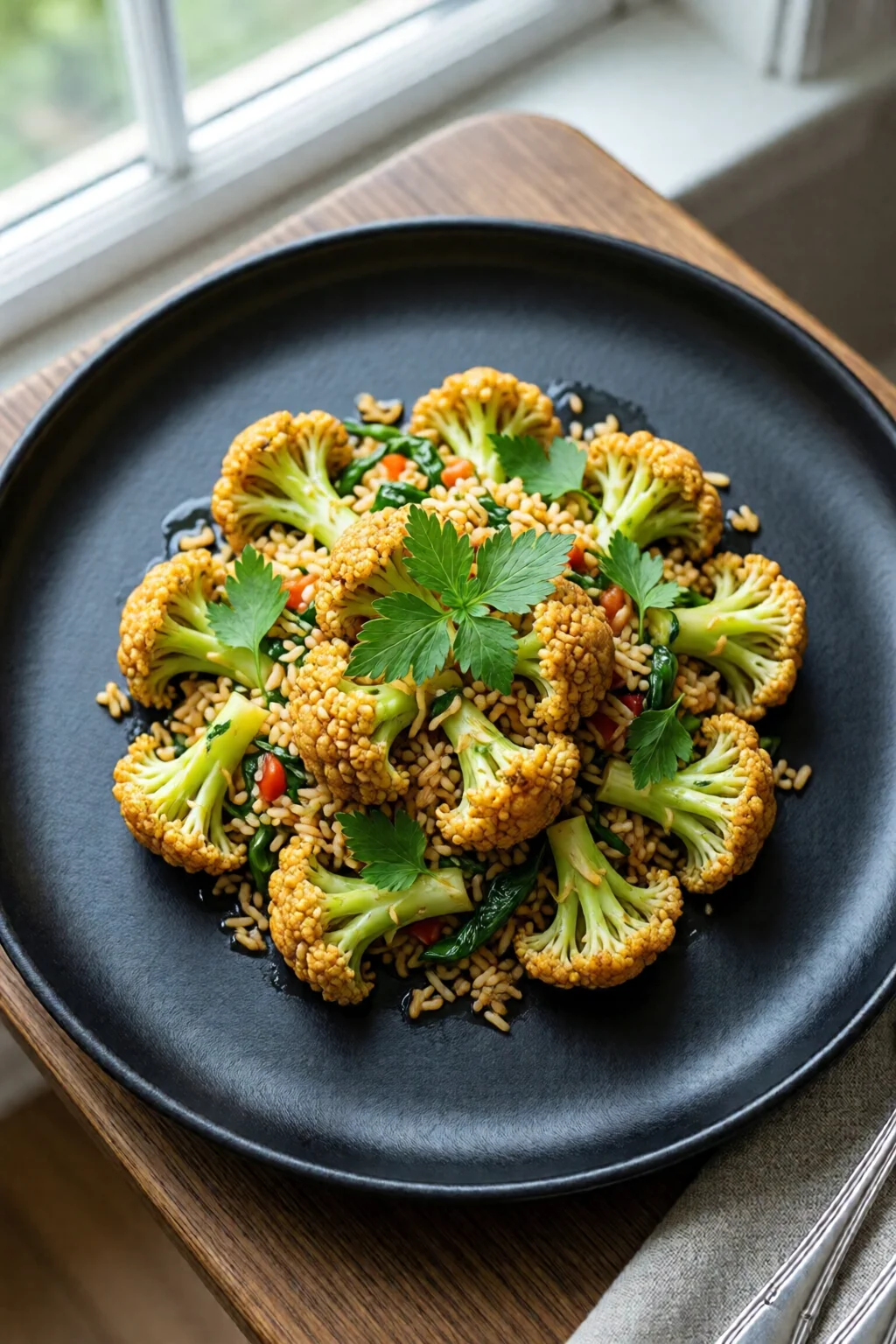
Step 1: Prep the Cauliflower
Even though the cauliflower rice comes pre‑riced, I always give it a quick rinse in a colander and pat it dry with a clean kitchen towel. Excess moisture creates steam instead of a crisp sauté, which defeats the low‑calorie goal. If you’re using fresh cauliflower, pulse florets in a food processor for 5‑7 seconds until rice‑sized, then spread on a baking sheet and microwave on high for 2 minutes – this removes 80 % of the water content.
Step 2: Choose and Cook Your Protein
My favorite is diced chicken breast because it cooks in 5 minutes and adds 30 g of protein per serving. Season the chicken with a pinch of salt, pepper, and ½ tsp garlic powder. Heat 1 Tbsp sesame oil in the skillet over medium‑high heat, add the chicken, and stir‑fry until golden brown and internal temperature reaches 165°F (about 4‑5 minutes). Transfer to a plate and set aside. If you opt for tofu, press it for 15 minutes, cube, and coat lightly with cornstarch before frying – this gives a satisfying crunch.
Step 3: Build the Flavor Base
Without a solid aromatics base, the dish feels flat. Reduce heat to medium, add the remaining 1 Tbsp sesame oil, then toss in the minced garlic and grated ginger. Sauté for 30 seconds – you’ll hear a faint sizzle, a sign the aromatics are releasing their oils. Next, stir in the sliced bell peppers and carrots. Cook for 2‑3 minutes until they’re just tender but still retain a bite; this preserves their micronutrients, especially vitamin C in the red peppers.
Step 4: Stir‑Fry the Veggies
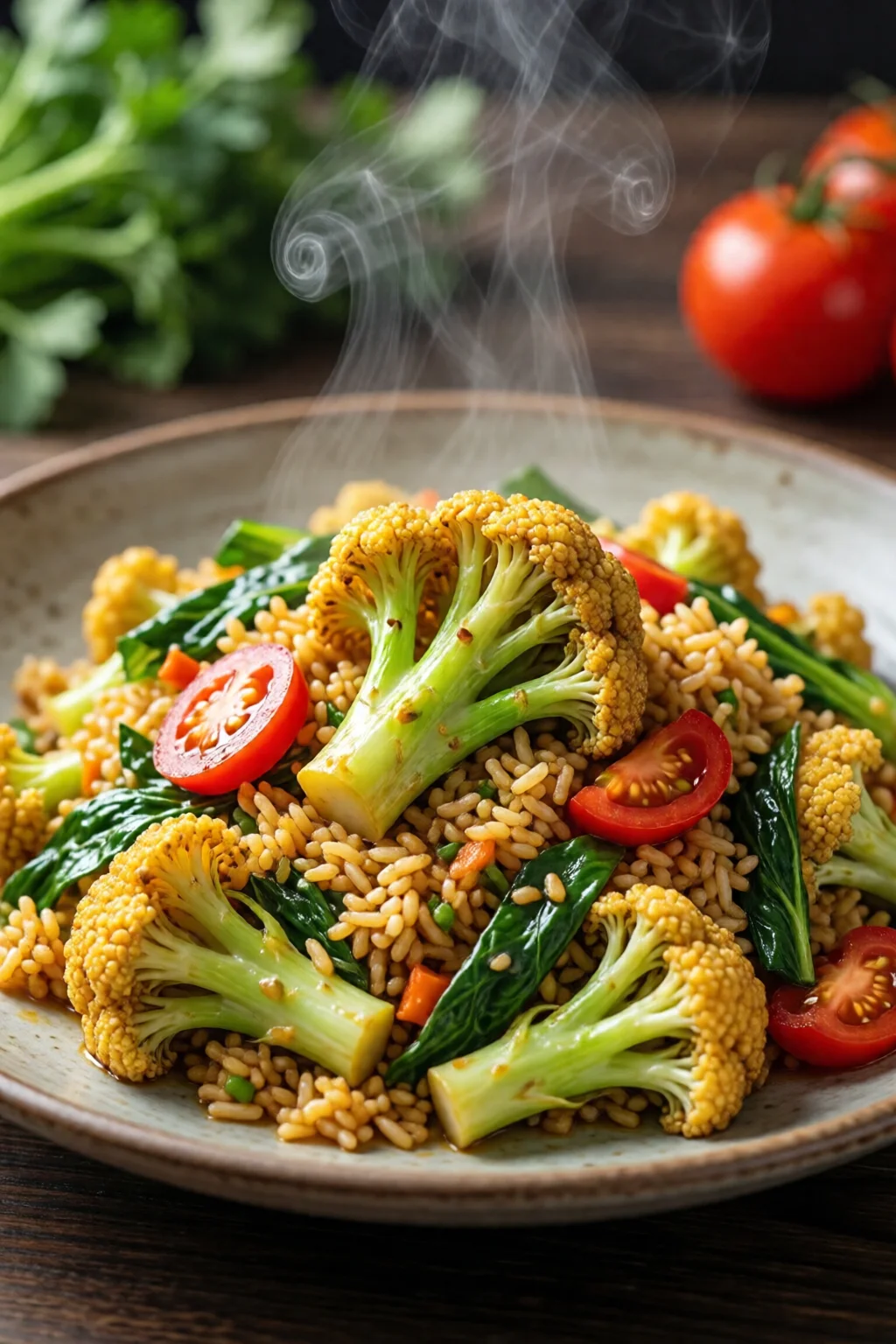
Now add the cauliflower rice directly into the skillet. Spread it out, let it sit untouched for 45 seconds to get a light browning, then flip and repeat – this “sear‑then‑stir” technique creates a nutty flavor without adding extra oil. Sprinkle a pinch of salt and a dash of black pepper; the salt helps draw out any lingering moisture, keeping the rice from turning soggy.
Step 5: Combine and Finish
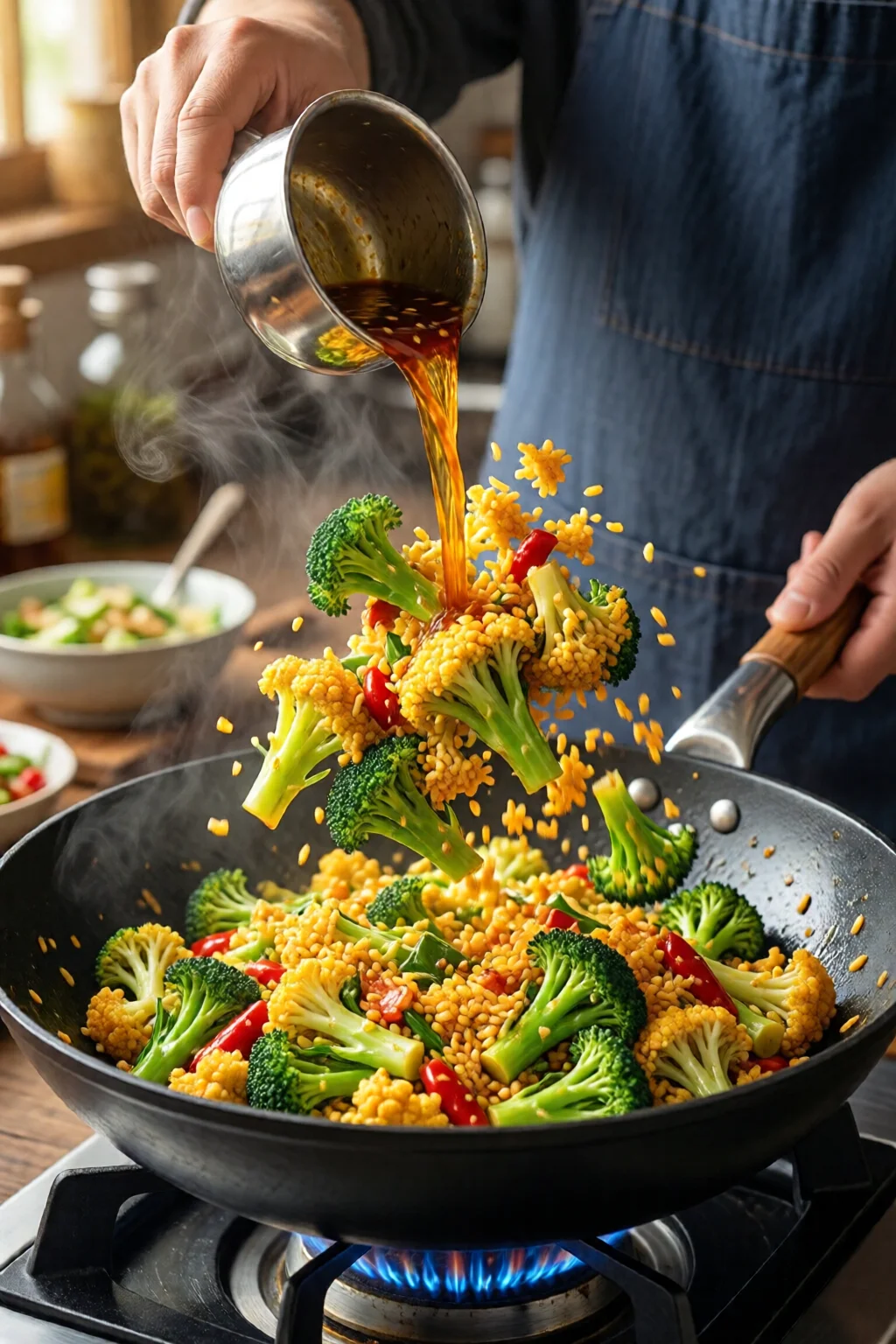
Return the cooked chicken (or tofu) to the pan. Drizzle the soy sauce and sambal oelek evenly; the soy sauce adds 0.8 g of sodium per teaspoon, so you stay under the 1500 mg daily limit if you use two teaspoons. Toss everything together for another 1 minute, allowing the sauce to coat each grain. Finish with green onions, toasted sesame seeds, and, if you like, a tablespoon of nutritional yeast for a subtle umami boost. Serve immediately – the dish stays at a safe 140°F for up to 2 hours, perfect for a family dinner.
Common Mistakes to Avoid
- Overcrowding the pan. Packing too many ingredients lowers the skillet’s temperature, resulting in steaming rather than frying. Use a 12‑inch skillet or split the batch.
- Skipping the dry‑patt – not drying the cauliflower rice leads to a soggy texture and adds hidden calories from water weight.
- Using too much sauce. A tablespoon of soy sauce adds roughly 10 calories; over‑saucing can push the dish past 200 calories per serving, derailing a 1200‑calorie meal plan.
- Neglecting protein portion. Aim for at least 30 g of protein per meal; otherwise you’ll feel hungry sooner, increasing snacking risk.
- Cooking garlic too long. Burnt garlic turns bitter and adds unwanted acrylamide. Keep it under 45 seconds.
Troubleshooting or Tips for Best Results
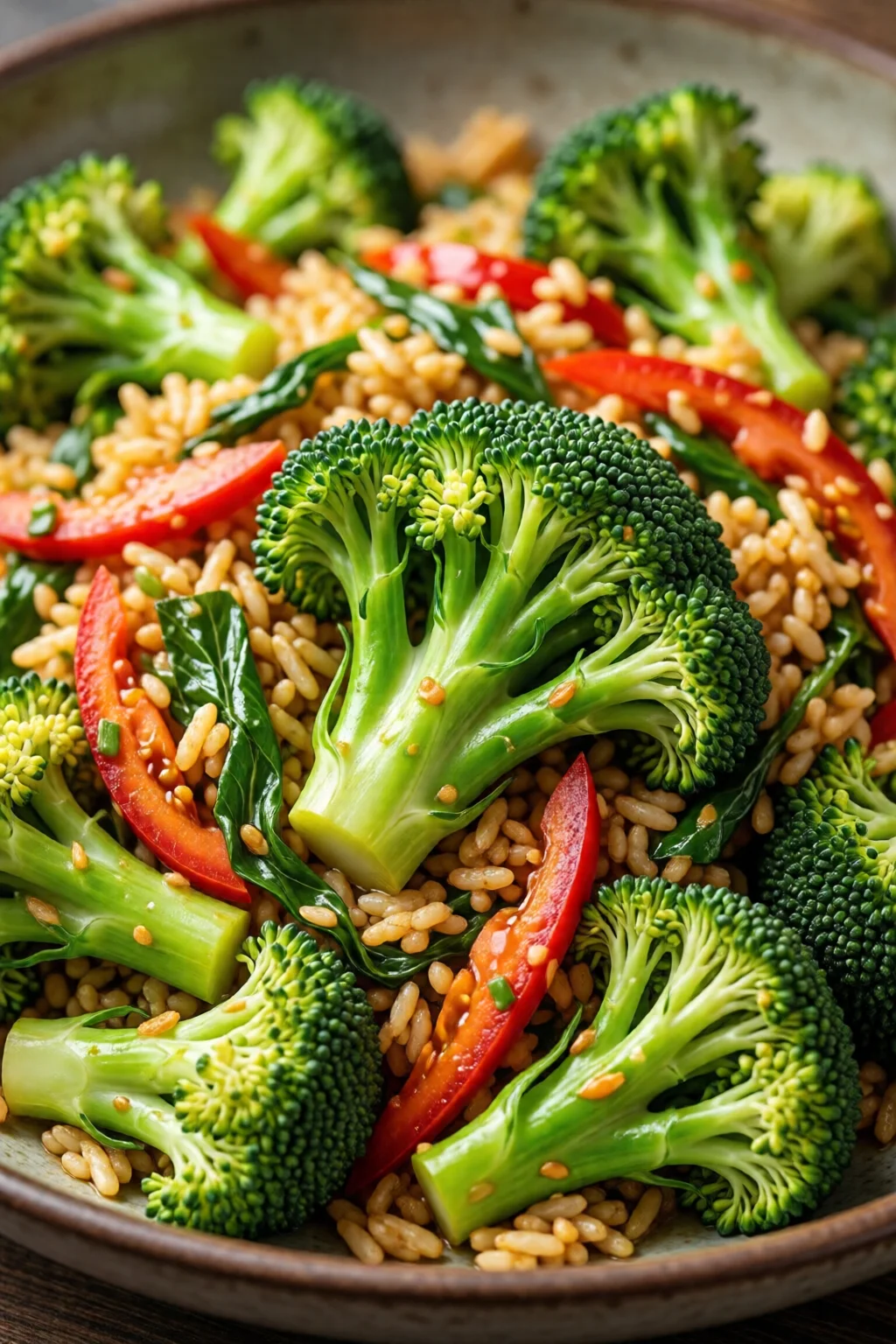
If the cauliflower rice sticks, deglaze with a splash of low‑sodium chicken broth (about ¼ cup) – this adds flavor without extra fat. For extra crunch, sprinkle a teaspoon of crushed pork rinds right before serving; they contribute only 5 calories but a satisfying texture.
When meal‑prepping, store the stir fry in airtight containers and refrigerate for up to 4 days. Reheat in a microwave on 70 % power for 90 seconds, then finish with a quick toss in a hot skillet to revive the crispness.
Want a vegetarian version? Swap the chicken for ½ cup cooked edamame (adds 11 g protein) and increase the tofu amount to 8 oz. The edamame’s natural sweetness pairs beautifully with the sambal heat.
For a sweet‑and‑savory twist, add a drizzle of 1 tsp honey (6 calories) and a squeeze of lime juice just before serving. The acidity brightens the dish and helps regulate blood sugar spikes.
Summary Conclusion
With a handful of pantry staples, a reliable skillet, and a clear step‑by‑step plan, you can whip up a cauliflower rice stir fry healthy weight loss recipe that fuels your body, satisfies your palate, and keeps your calorie count in check. The key takeaways are: dry the cauliflower, respect the pan’s heat, balance protein with veggies, and use sauces sparingly. In my experience, this dish has become the backbone of my weekly meal‑prep routine, saving me $12‑$15 per week compared to take‑out while delivering about 250 calories, 30 g protein, and under 5 g net carbs per serving. Give it a try, tweak the veggies to your taste, and enjoy the confidence that comes from a meal you truly built yourself.
Can I use fresh cauliflower instead of frozen?
Yes. Pulse fresh cauliflower florets in a food processor until rice‑sized, then microwave for 2 minutes and pat dry. Fresh cauliflower adds a slightly sweeter flavor and costs about $0.90 per pound.
How many calories does one serving contain?
A typical serving (½ recipe) provides roughly 250 calories, 30 g protein, 5 g net carbs, and 8 g fat, making it ideal for a 1200‑1500 calorie weight‑loss plan.
Can I freeze leftovers?
Absolutely. Portion the stir fry into freezer‑safe bags, label with the date, and freeze for up to 2 months. Reheat in a skillet with a splash of broth to restore texture.
What are good side dishes to pair with this stir fry?
A simple cucumber‑vinegar salad (<10 calories) or a side of steamed edamame adds extra fiber and micronutrients without pushing the calorie count.
Where can I find more low‑carb dinner ideas?
Check out our healthy dinner recipes healthy weight loss recipe 2 page for a curated list of low‑carb meals that complement this stir fry.
2 thoughts on “Cauliflower Rice Stir Fry Healthy Weight Loss Recipe: Complete Guide for 2026”