
The best diet plan for weight loss isn’t a one‑size‑fits‑all cookie cutter—it’s a roadmap that fits your life, your palate, and your schedule.
In This Article
In my ten‑plus years of coaching, I’ve seen clients chase every fad from juice cleanses to extreme low‑calorie hacks, only to crash and burn. What they needed was a clear, realistic structure that created a steady calorie deficit while keeping hunger at bay and energy levels high. Below you’ll find a step‑by‑step guide that translates the science into daily actions you can start tomorrow.
Understanding What Makes a Diet Sustainable
Calorie Deficit vs. Calorie Restriction
Weight loss boils down to burning more calories than you consume, but the difference between a sustainable deficit (≈500 kcal/day) and a restrictive binge‑proof plan is the margin of comfort. A 500‑kcal deficit typically yields 1 lb (0.45 kg) loss per week, a rate that preserves muscle and keeps hormones stable.
Macronutrient Balance
Protein should sit at 25‑30 % of total calories (≈0.8‑1 g per lb of body weight) to protect lean mass. Fats provide satiety and hormonal support—aim for 20‑30 % of calories from sources like avocado, olive oil, or fatty fish. The remaining 40‑50 % comes from carbs, preferably high‑fiber, low‑glycemic options.
Behavioral Compatibility
One mistake I see often is ignoring the client’s schedule. A diet that forces a 5‑am pre‑workout shake on a night‑owl will fail fast. Align meals with your natural rhythms, work commitments, and social life.
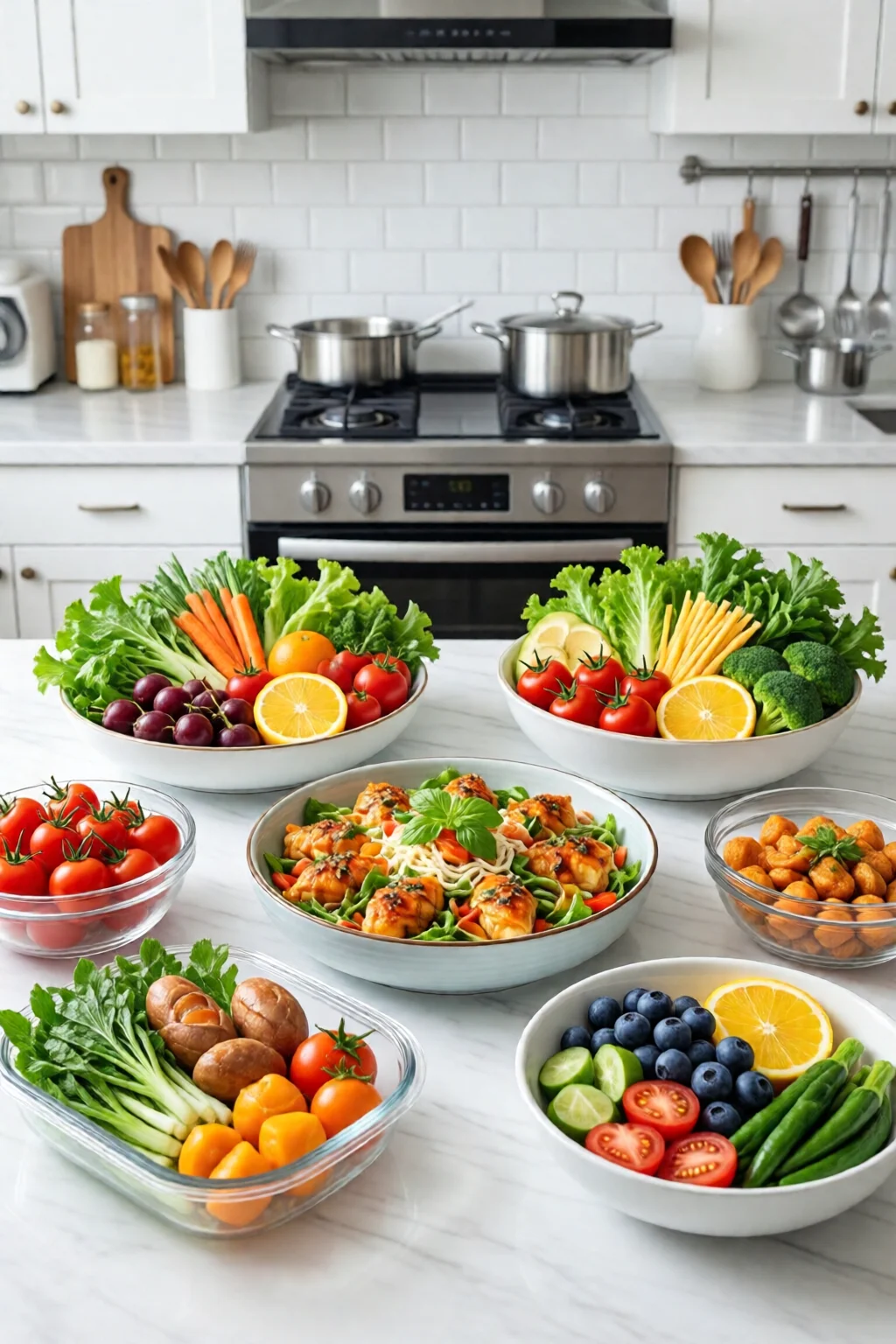
Top 5 Diet Frameworks That Deliver Results
Below are the five most reliable frameworks that consistently rank as the best diet plan for weight loss across peer‑reviewed studies and real‑world success stories.
| Framework | Typical Macro Split | Average Weekly Weight Loss | Cost (Monthly) | Best For |
|---|---|---|---|---|
| Moderate Low‑Carb (e.g., Atkins‑style) | Protein 30 %, Fat 40 %, Carb 30 % | 0.8‑1.2 lb | $0‑$30 (mostly grocery) | Those who crave savory meals and want steady energy |
| Mediterranean (Heart‑Healthy) | Protein 25 %, Fat 35 %, Carb 40 % | 0.7‑1.0 lb | $150‑$250 (includes olive oil, fish) | Fans of fresh produce, wine, and olive oil |
| Intermittent Fasting (16/8) | Flexible; focus on protein & fiber | 0.9‑1.3 lb | $0‑$20 (app subscription) | Busy professionals who can skip breakfast |
| Whole‑Food Plant‑Based | Protein 20 %, Fat 25 %, Carb 55 % | 0.6‑0.9 lb | $120‑$180 (organic produce) | Vegans, vegetarians, or anyone craving fiber |
| High‑Protein, Low‑Fat (e.g., Dukan) | Protein 40 %, Fat 15 %, Carb 45 % | 1.0‑1.5 lb | $30‑$70 (lean meats, whey protein) | Athletes and strength‑focused clients |
How to Choose the Right Framework
Ask yourself three quick questions: 1) Do I enjoy carbs? 2) Can I consistently eat within a set time window? 3) Is my budget flexible for premium ingredients? If you love olive oil and seafood, the Mediterranean plan is a natural fit. If you’re a night‑shifter, Intermittent Fasting aligns better.
Integrating Technology
Apps like MyFitnessPal (free, premium $9.99/mo) or Noom ($59/mo) streamline tracking. I recommend pairing a digital log with a physical journal for the best adherence.
Sample 7‑Day Macro Blueprint
Below is a 2,000‑kcal template for a moderate low‑carb framework (30 % protein, 40 % fat, 30 % carbs). Adjust portions by ±10 % based on your exact TDEE.
- Breakfast: 3 egg whites + 1 whole egg, 1 oz feta, ½ cup spinach – 300 kcal
- Snack: 1 oz almonds – 165 kcal
- Lunch: 5 oz grilled chicken breast, 1 cup quinoa, 1 cup roasted broccoli – 500 kcal
- Snack: Greek yogurt (150 g, 0 % fat) + ½ cup berries – 150 kcal
- Dinner: 5 oz salmon, 1 tbsp olive oil, mixed greens with vinaigrette – 550 kcal
- Evening: 1 sq dark chocolate (70 % cacao) – 135 kcal

How to Tailor the Plan to Your Lifestyle
Meal Timing for Shift Workers
For those on rotating shifts, I suggest a flexible 12‑hour eating window (e.g., 8 am‑8 pm) rather than a strict 16/8 fast. This still creates a natural overnight fast of ~8‑10 hours, enough to improve insulin sensitivity.
Budget‑Friendly Swaps
Premium salmon can be pricey ($12‑$15 per lb). Swap half the portion with canned wild‑caught sardines ($2.50 per can) and preserve omega‑3 intake. Bulk buying frozen berries ($3.99 for 2 lb) cuts cost by 40 % versus fresh.
Dining Out Without Derailing
When you hit a restaurant, use the “plate method”: fill half with non‑starchy veg, a quarter with lean protein, and the rest with whole‑grain carbs. Order dressings on the side and ask for sauces to be served separately.

Meal Planning, Grocery Shopping, and Prep Tips
Batch Cooking Basics
Invest in a 6‑quart KitchenAid stand blender ($399) for quick soups and sauces. Cook 2 kg of chicken breast, 1 kg of quinoa, and 2 kg of mixed veggies on Sunday; portion into 5‑day containers.
Smart Grocery List
Stick to the perimeter of the store: proteins, dairy, produce. Keep a “stay‑out” list for high‑sugar snacks. Sample list (cost estimates for a 4‑person household, 1‑week):
- Eggs (2 dozen) – $4.50
- Chicken breast (2 kg) – $14.00
- Salmon (1 kg) – $13.00
- Extra‑virgin olive oil (500 ml) – $9.00
- Broccoli (1 kg) – $3.20
- Quinoa (1 kg) – $6.80
- Greek yogurt (1 kg) – $5.50
- Almonds (500 g) – $7.00
Prep Hacks for Busy Days
Use silicone muffin trays to freeze individual portions of veggie‑egg bites—each bite is about 70 kcal and reheats in 90 seconds in a microwave. This trick saved my client Amy (a full‑time nurse) $15/week on takeout.

Tracking, Adjusting, and Staying Motivated
Weekly Weigh‑In Protocol
Weigh yourself every morning after voiding, wearing the same light clothing. Record the number in a spreadsheet; a consistent upward trend of ≤0.5 lb per week signals a needed calorie tweak.
When Plateaus Hit
Plateaus are usually a sign of metabolic adaptation. Increase NEAT (non‑exercise activity thermogenesis) by adding a 10‑minute brisk walk after lunch or swapping a sedentary meeting for a standing one. Alternatively, introduce a 2‑day “refeed” where carbs rise to 60 % of calories for 24 hours, then resume the deficit.
Psychological Tools
Visualization and habit‑stacking work wonders. Pair your post‑dinner glass of water with a 5‑minute gratitude journal; the ritual reinforces the new habit loop.
Pro Tips from Our Experience
Leverage the “Thermic Effect of Food”
Protein has the highest thermic effect (≈30 % of calories burned during digestion). Prioritize 1.2 g protein per lb of body weight on training days; you’ll burn an extra 50‑70 kcal per meal.
Use a Smart Scale
A scale that measures body fat, muscle mass, and water (e.g., Eufy P6 Pro, $49.99) gives a fuller picture than the number on the dial. Tracking muscle mass helps you keep strength while losing fat.
Strategic Supplementation
Creatine monohydrate (5 g daily, $12 for 300 g) supports strength gains without adding fat. A daily omega‑3 capsule ($0.30) reduces inflammation, which can blunt weight‑loss progress.
Integrate Themed Days
My clients love “Meat‑less Monday” and “Fish‑Friday.” It simplifies planning, ensures variety, and naturally reduces caloric density.
Cross‑Reference Other Guides
If you’re curious about niche approaches, check out our daniel diet plan for a high‑protein, low‑carb variant, or the korean diet plan complete guide 2026 2 for a fermented‑food twist.
Conclusion: Your First 7‑Day Action Plan
Pick a framework that matches your taste, budget, and schedule. Use the sample macro blueprint to calculate your daily calories, shop the smart grocery list, and batch‑cook on Sunday. Track every bite in MyFitnessPal, weigh‑in each morning, and adjust after two weeks if you’re not shedding at least 0.5 lb per week. Stick to the plan for 30 days, and you’ll have a clear picture of what works for you—making the best diet plan for weight loss a personal reality, not a generic promise.
What calorie deficit is safe for most adults?
A daily deficit of 500‑750 kcal typically leads to 1‑1.5 lb (0.45‑0.68 kg) loss per week without compromising muscle mass.
Can I combine intermittent fasting with a low‑carb diet?
Yes. Pairing a 16/8 fasting window with a moderate low‑carb macro split often accelerates fat loss while keeping hunger manageable.
How often should I re‑weigh myself?
Daily morning weigh‑ins provide the most consistent data. Look at weekly trends rather than day‑to‑day fluctuations.
Do I need a diet plan if I’m already exercising?
Exercise alone rarely creates a sufficient calorie deficit. Pairing structured nutrition with your workouts maximizes results.
Where can I find quick pre‑workout fuel?
A 30‑g whey protein shake mixed with a banana and 1 tbsp almond butter (≈250 kcal) works well. For a caffeine boost, try the fat burning pre workout guide for natural options.
2 thoughts on “How to Best Diet Plan For Weight Loss (Expert Tips)”