
Last summer I was stuck on the couch watching reruns while my waistline quietly expanded. One morning I realized my favorite jeans no longer fit, and I vowed to change that without spending a dime on a gym membership. What followed was a simple, science‑backed belly fat workout at home that burned calories, sculpted my core, and fit into my chaotic schedule. If you’re ready for the same transformation, keep reading—you’ll know exactly what to do, what you need, and how to avoid the pitfalls that trip up most beginners.
In This Article
- What You Will Need (or Before You Start)
- Step 1: Warm‑up and Mobilize the Core (5 minutes)
- Step 2: High‑Intensity Interval Circuit (20 minutes)
- Step 3: Targeted Core Finisher (8 minutes)
- Step 4: Cool‑down and Stretch (5 minutes)
- Common Mistakes to Avoid
- Troubleshooting & Tips for Best Results
- Summary / Conclusion
- FAQ
What You Will Need (or Before You Start)
- Floor space: A clear 4 × 4 ft area (about the size of a small coffee table) is enough for the entire routine.
- Yoga mat: I use the Manduka ProLite (72 in × 24 in, 4 mm thick) for $79. It cushions joints and prevents slipping.
- Adjustable dumbbells: Bowflex SelectTech 552 (5‑50 lb, $159) let you add resistance for the later sets.
- Resistance bands: Set of three (light, medium, heavy) from Fit Simplify, $15 total. Great for glute bridges and side‑plank leg lifts.
- Timer or smartphone app: Any interval timer works; I like the free “Tabata Timer” app.
- Water bottle: Stay hydrated—aim for 250 ml per 10 minutes of work.
Optional but helpful: a fitness tracker (Fitbit Charge 5, $149) to monitor heart rate and calories burned. Knowing you’re in the 70‑85% HRmax zone keeps the workout truly fat‑fighting.
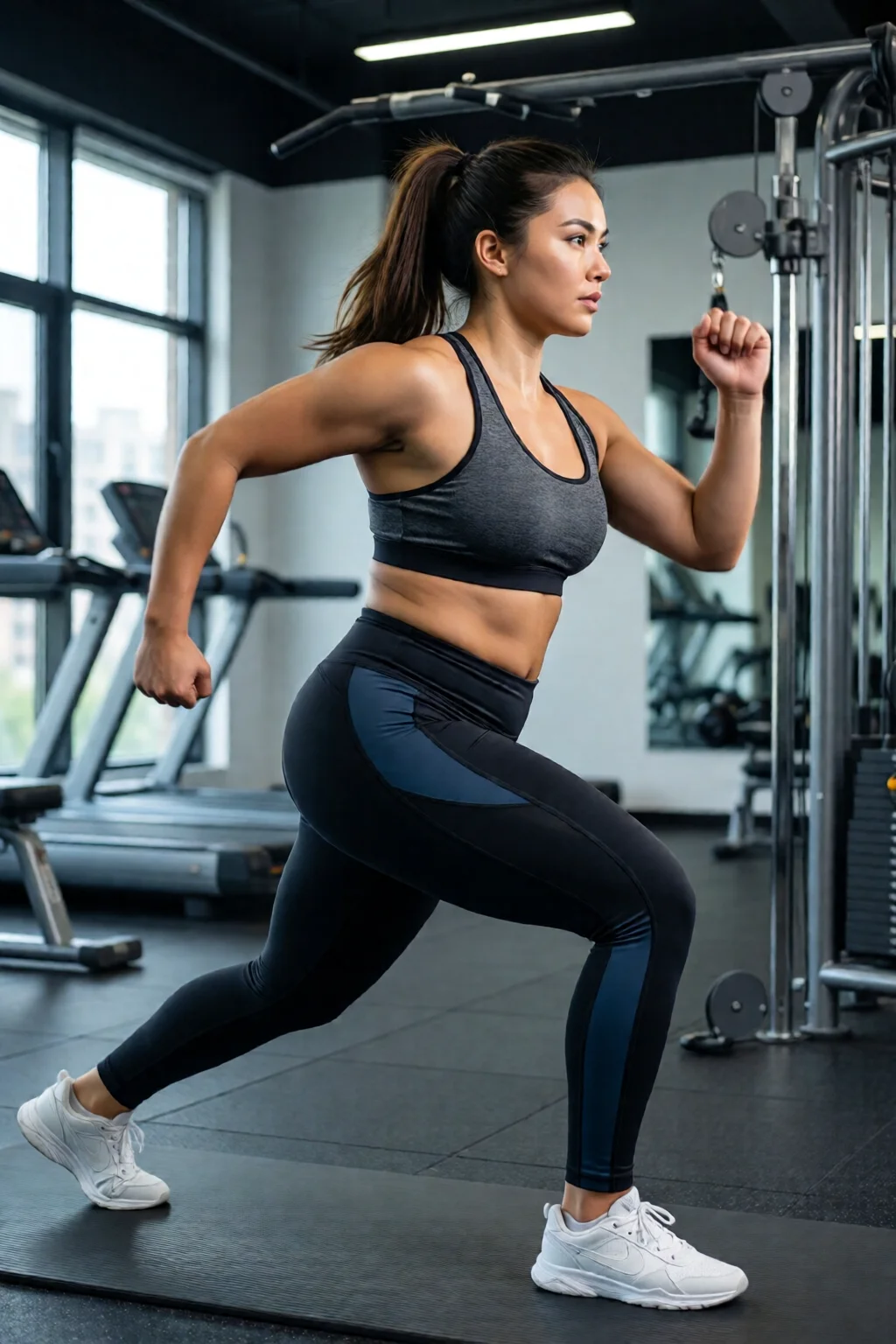
Step 1: Warm‑up and Mobilize the Core (5 minutes)
Warming up raises body temperature, primes the nervous system, and protects your lower back. Perform each move for 30 seconds, repeat the circuit twice.
- Dynamic trunk rotations: Stand with feet shoulder‑width apart, hands on hips. Rotate torso left‑right, keeping hips stable.
- Cat‑Cow stretch: On hands‑and‑knees, inhale arching the back (cow), exhale rounding (cat). Improves spinal flexibility.
- Standing side bends: Reach right arm overhead, lean left, then switch. Stretches obliques.
- Jumping jacks: Classic cardio to elevate heart rate.
- High knees: Drive knees to chest, 2‑3 inches above the mat, for 30 seconds.
By the end of this warm‑up you should be breathing a little heavier but still able to hold a conversation. If you own a metabolism booster foods guide, sip a cup of green tea now to further ignite fat oxidation.
Step 2: High‑Intensity Interval Circuit (20 minutes)
This is the heart of the belly fat workout at home. The circuit blends cardio bursts with bodyweight strength moves to torch calories and stimulate the abdominal muscles.
Set a timer for 40 seconds work, 20 seconds rest. Complete the eight exercises, then rest for 90 seconds. Repeat the full circuit three times.
- Burpees: Full‑body powerhouse. Aim for 10‑12 reps per round.
- Mountain climbers: Drive knees toward chest rapidly; keep hips low.
- Alternating reverse lunges with torso twist: Hold a 10‑lb dumbbell (or water bottle) at chest, twist toward the forward leg.
- Plank jacks: In a forearm plank, jump feet out and in like a jumping jack.
- Russian twists: Sit, lean back 30°, feet lifted, rotate a 5‑lb plate side‑to‑side.
- Squat‑to‑overhead press: Use 12‑lb dumbbells; squat then press overhead.
- Leg‑raise to hip‑bridge combo: Lie on back, raise legs, then roll onto shoulders and lift hips.
- Side‑plank hip dips (each side): Hold side plank (30‑second hold) then dip hips down and up.
During the work intervals you should feel breathless but able to maintain form. The heart rate target is roughly 75‑85% of your maximum (220 – age). For a 35‑year‑old, that’s about 140‑160 bpm.
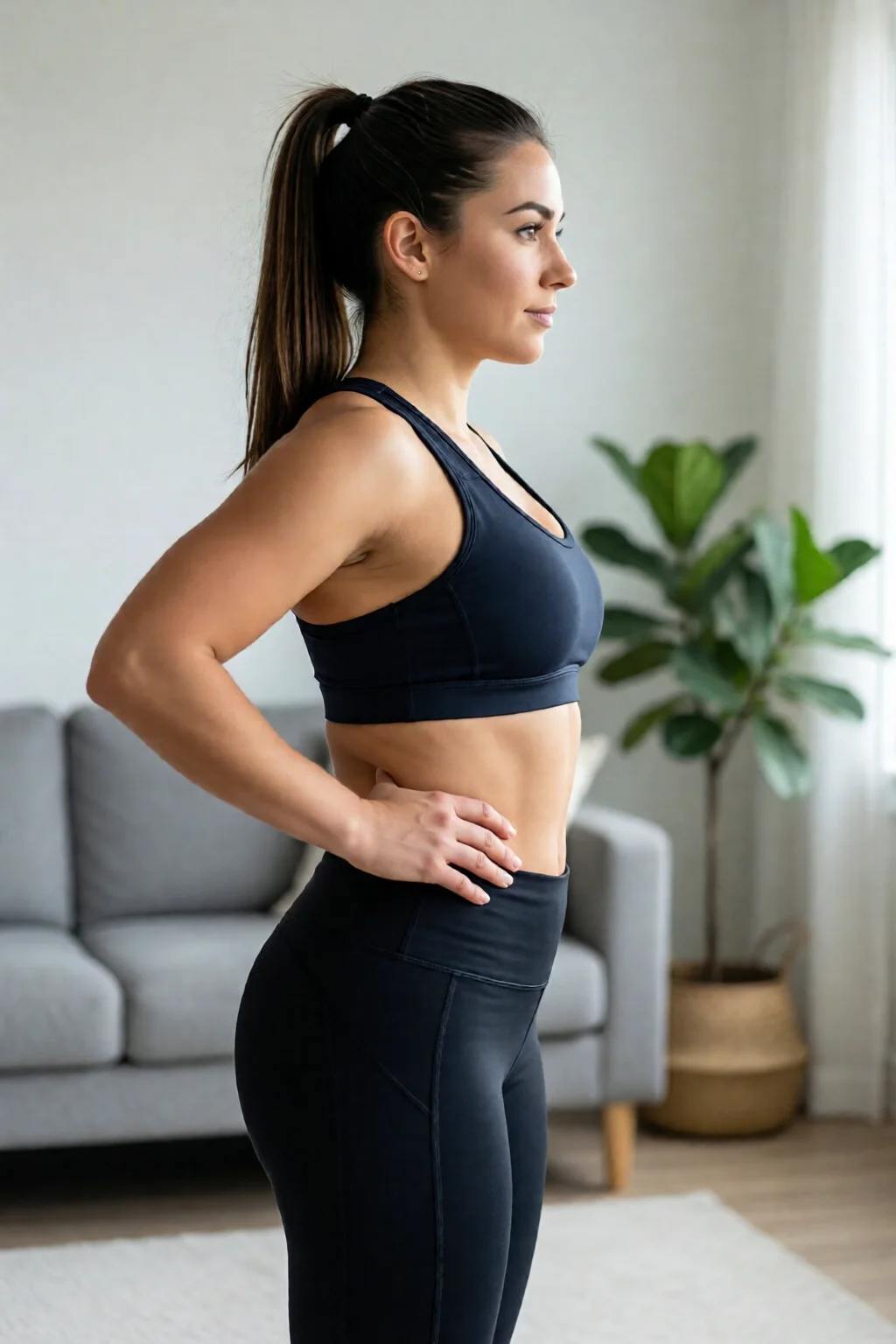
Step 3: Targeted Core Finisher (8 minutes)
Now we isolate the deep abdominal muscles that most cardio moves miss. Perform each exercise for 45 seconds, rest 15 seconds, then move on.
- Dead‑bugs: Lie on back, arms toward ceiling, knees bent 90°. Extend opposite arm and leg, return, switch sides. Keeps lower back safe.
- Hollow hold: Press lower back into mat, lift shoulders and legs a few inches, hold a tight “boat” shape.
- Standing cable wood‑chop (or band): Anchor a resistance band at waist height, pull diagonally across body, 12‑lb tension.
- Plank with shoulder tap: In high plank, tap opposite shoulder, alternating.
These moves engage the transverse abdominis—the muscle that truly flattens the midsection. If you’re consistent, expect a measurable reduction in waist circumference within 4‑6 weeks.
Step 4: Cool‑down and Stretch (5 minutes)
Cooling down helps return your heart rate to baseline and reduces soreness.
- Child’s pose: Hold 60 seconds, breathing deeply.
- Seated forward fold: Reach for toes, stretch hamstrings and lower back.
- Supine twist: Lie on back, drop knees to each side, hold 30 seconds per side.
- Standing quad stretch: Pull foot toward glutes, keep knees together.
Finish with a glass of water and, if you like, a protein‑rich snack—Greek yogurt with a drizzle of honey (see my Greek yogurt breakfast healthy weight loss recipe 2) to aid recovery.
Common Mistakes to Avoid
Even the best‑designed routine can flop if you trip over these pitfalls.
- Skipping the warm‑up: I’ve seen beginners jump straight into burpees and end up with strained shoulders. Warm‑up protects joints.
- Holding breath: Breath should be steady—inhale on the easier phase, exhale on exertion. This keeps oxygen flowing to muscles.
- Rushing form for reps: Quality over quantity. Ten perfect Russian twists beat twenty sloppy ones.
- Neglecting core engagement: During mountain climbers, think about pulling the belly button toward the spine. This activates the deep core.
- Over‑relying on cardio alone: Cardio burns calories, but without resistance you won’t preserve muscle. The dumbbell presses in the circuit keep muscle mass intact.
- Inconsistent schedule: One 45‑minute session per week won’t move the needle. Aim for 3‑4 sessions weekly, each 30‑45 minutes.
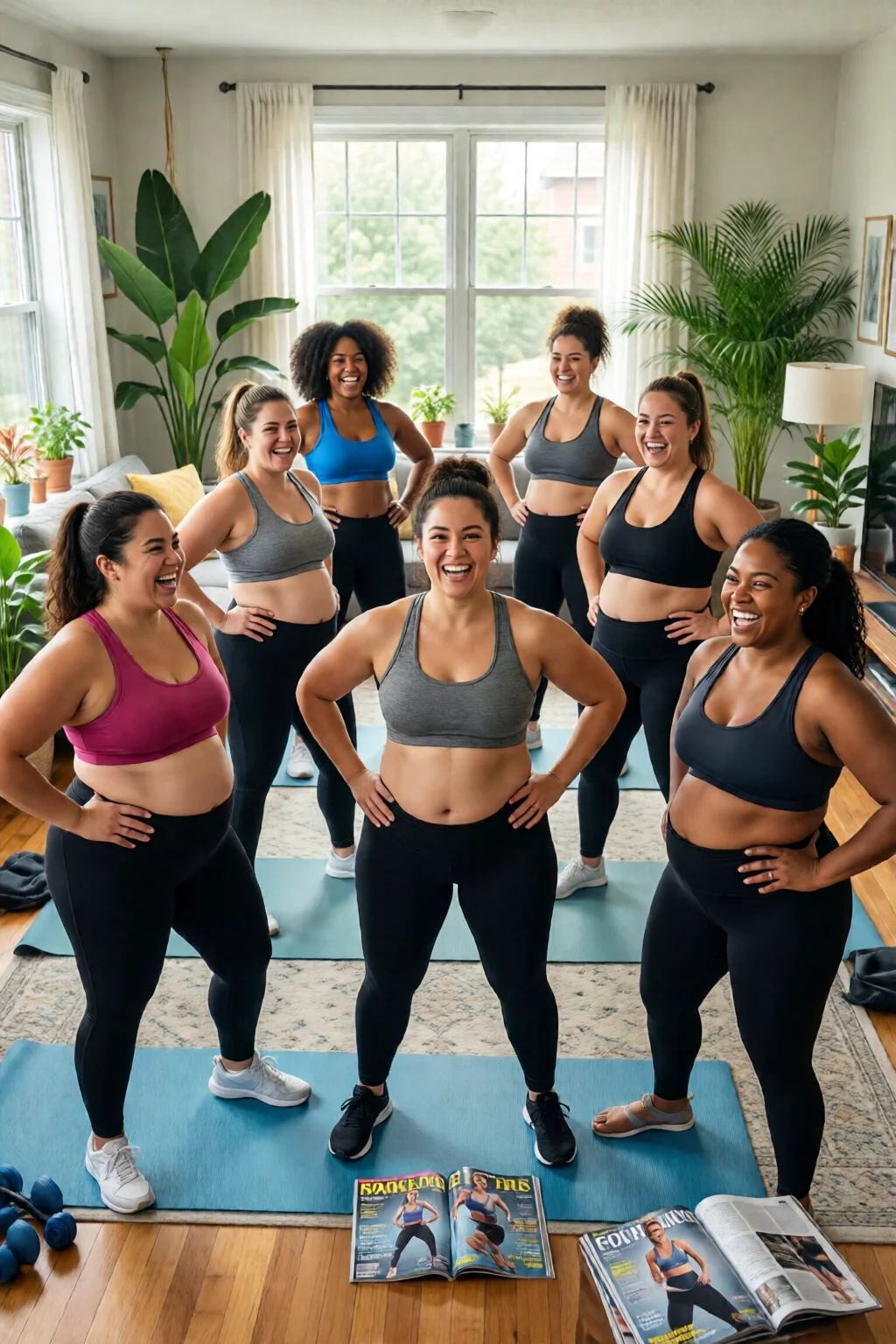
Troubleshooting & Tips for Best Results
If you hit a plateau or feel the routine is too easy/hard, try these adjustments.
- Increase intensity: Reduce rest intervals to 10 seconds, or add a 5‑lb weight vest ($49) for extra load.
- Scale down: Shorten work intervals to 30 seconds and extend rest to 30 seconds until you build endurance.
- Track progress: Measure waist circumference every two weeks. A 1‑2 cm drop signals fat loss.
- Nutrition synergy: Pair workouts with a reduce belly fat in 7 days meal plan. Cutting 250 kcal daily while keeping protein at 1.2 g per kg bodyweight accelerates results.
- Sleep and stress: Aim for 7‑8 hours of sleep; high cortisol can stall belly fat loss.
- Use a heart‑rate monitor: If you’re consistently below 70% HRmax, lengthen the cardio bursts.
One mistake I see often is treating the core finisher as optional. Those four minutes are the secret sauce that turns a “fat‑burn” workout into a “core‑shaping” one.

Summary / Conclusion
This belly fat workout at home blends a dynamic warm‑up, a high‑intensity interval circuit, a focused core finisher, and a proper cool‑down—all doable in a 30‑minute session with minimal equipment. Consistency, proper form, and supportive nutrition are the three pillars that will shrink your waist, boost metabolism, and keep you feeling strong.
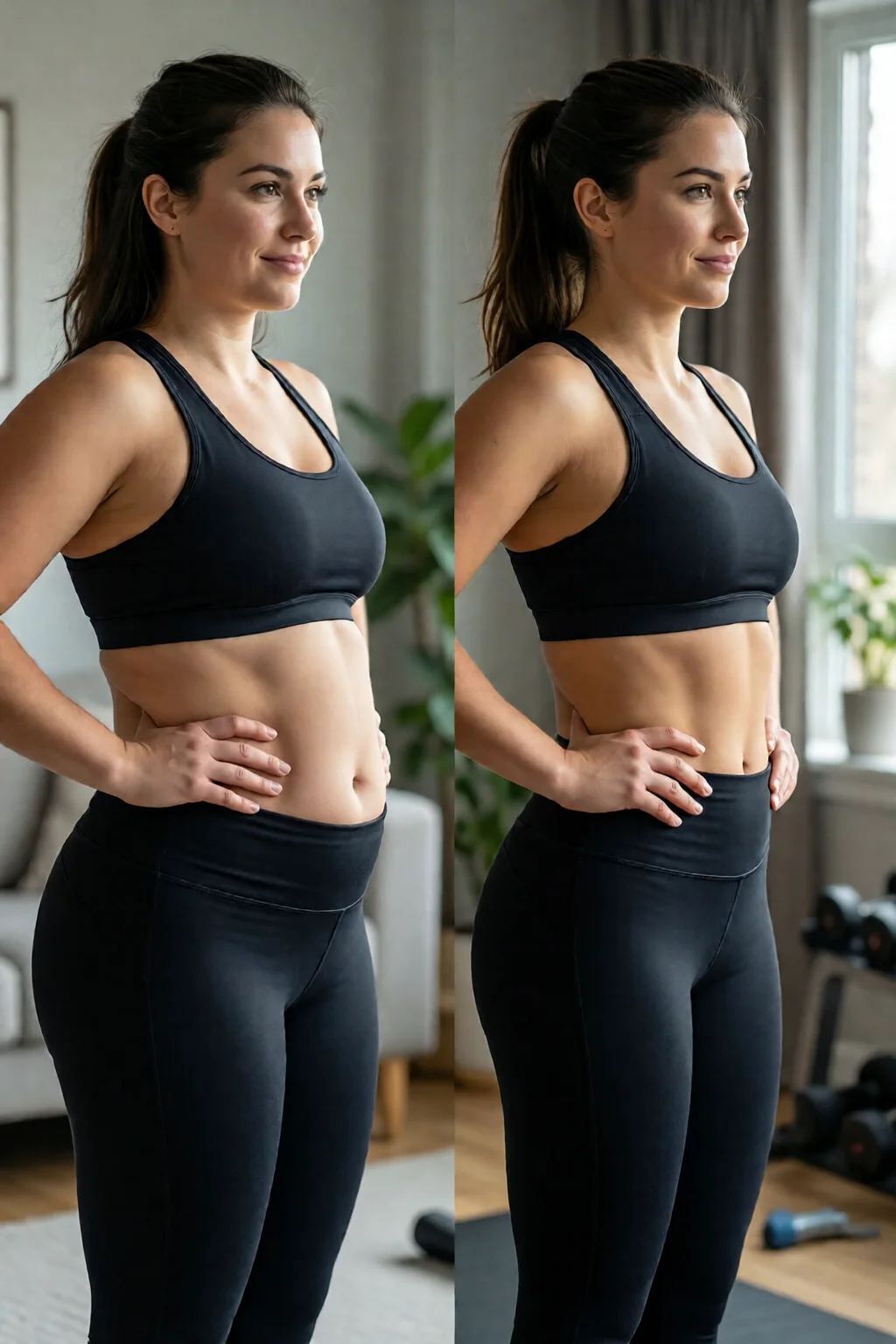
Remember: the goal isn’t a one‑off miracle; it’s building a habit that fits your life. Grab your Manduka mat, set the timer, and hit the floor. In a few weeks you’ll notice the jeans loosening, the mirror reflecting a tighter midsection, and most importantly, a surge of confidence that only comes from taking control of your body.
FAQ
How often should I do this belly fat workout at home?
Aim for 3‑4 sessions per week, allowing at least one rest day between intense circuits. This frequency balances calorie burn with recovery, which is essential for sustainable fat loss.
Do planks really burn belly fat?
Planks alone won’t melt fat, but they strengthen the transverse abdominis, improve posture, and increase overall calorie expenditure when combined with cardio. For a deeper dive, read our guide on do planks burn belly fat.
Can I replace the dumbbells with household items?
Yes. A pair of 1‑gallon water jugs (each ~8 lb) or a backpack filled with books works well for the squat‑to‑press and lunges. Just ensure the weight is secure and the grip is comfortable.
What’s the best diet to complement this workout?
A moderate‑calorie deficit (250‑500 kcal below maintenance), high protein (1.2‑1.6 g per kg bodyweight), plenty of fiber, and healthy fats. Incorporate metabolism booster foods like green tea, chili peppers, and lean turkey.
2 thoughts on “Best Belly Fat Workout At Home Ideas That Actually Work”