Stop letting heartburn hijack your day—follow this acid reflux diet plan and reclaim comfort, energy, and flavor without the burn.
In This Article
- What You Will Need or Before You Start
- Step 1: Assess Your Triggers and Baseline
- Step 2: Build a Reflux‑Friendly Meal Framework
- Step 3: Shop Smart – Grocery List & Brands
- Step 4: Cook & Prep – Sample 7‑Day Menu
- Step 5: Track, Tweak, and Stay Consistent
- Common Mistakes to Avoid
- Troubleshooting & Tips for Best Results
- Summary
- Frequently Asked Questions
What You Will Need or Before You Start
Before you dive into the meals, gather these basics so the plan runs smoothly:
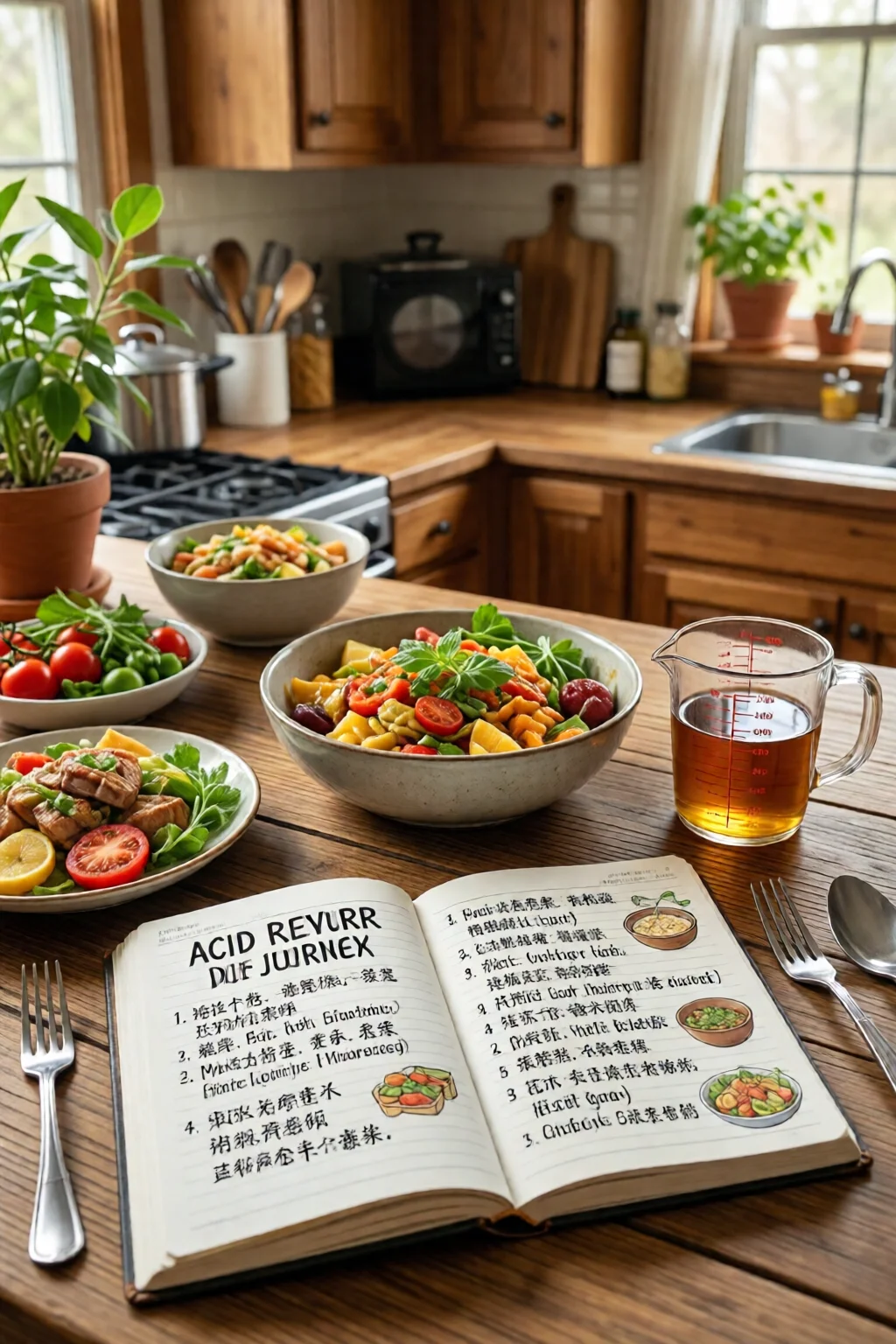
- Food journal or app (MyFitnessPal, Cronometer – free, or a simple notebook). Write down everything you eat, the time, and any reflux symptoms. This data will become your compass.
- Meal‑prep containers – I use 12‑oz BPA‑free glass jars (set of 10, $24.99 at Target). They keep portions consistent and prevent cross‑contamination of trigger foods.
- Kitchen scale – a digital scale (Etekcity 5‑kg, $14.99 on Amazon) to measure cheese, nuts, and oils with gram precision.
- Grocery budget – plan for $75‑$90 per week for a single adult. Most of that goes to fresh produce, lean proteins, and a few specialty items.
- Hydration bottle – a 32‑oz insulated bottle (Hydro Flask, $34.95) encourages sipping water throughout the day, a key reflux‑busting habit.
Once you have these tools, you’re ready to build a diet that tackles acid reflux head‑on.
Step 1: Assess Your Triggers and Baseline
Acid reflux isn’t one‑size‑fits‑all. Some people flare up on citrus, others on caffeine. Your first mission is to pinpoint the culprits.
1.1 Record for 5–7 days
Log every bite, sip, and symptom. Note the timing: reflux often appears 30‑120 minutes after a meal.
1.2 Identify patterns
Look for spikes. If you notice a burning sensation after a latte, that’s a caffeine trigger. If it follows a spicy taco, capsaicin is the offender.
1.3 Baseline measurement
Take your resting heart rate, weight, and a quick GERD questionnaire (available from the American College of Gastroenterology). Write these numbers down; they’ll help you gauge progress.
Step 2: Build a Reflux‑Friendly Meal Framework
The goal is to keep the stomach’s pH stable, avoid over‑distension, and reduce pressure on the lower esophageal sphincter (LES). Here’s the scaffold you’ll repeat daily:
- Protein (20‑30 g) – lean turkey breast, skinless chicken, white fish, or plant‑based options like tempeh. Aim for a palm‑size portion.
- Complex carbohydrate (30‑45 g) – oatmeal, quinoa, sweet potato, or whole‑grain rice. Keep fiber moderate (10‑15 g) to avoid bloating.
- Non‑acidic vegetable (½‑1 cup) – steamed broccoli, zucchini, green beans, or carrots. Avoid raw onions and tomatoes.
- Healthy fat (5‑10 g) – a drizzle of extra‑virgin olive oil (1 tsp = 4.5 g), a few slices of avocado, or a handful of almonds (≈12 g).
- Hydration – sip 8‑12 oz of water between meals; avoid large gulps during eating.
By sticking to this ratio, you supply steady energy without over‑loading the stomach.
Step 3: Shop Smart – Grocery List & Brands
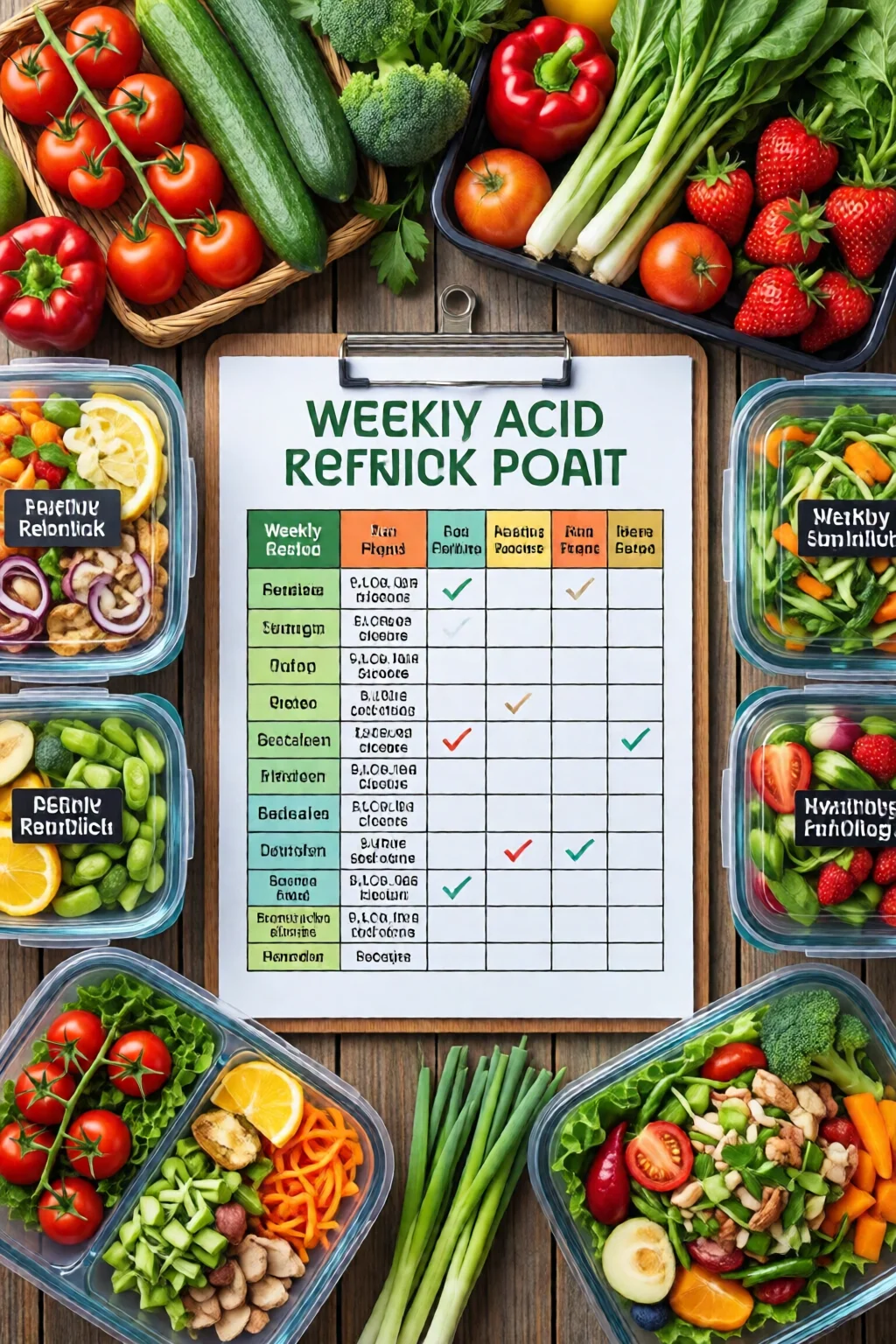
Below is a printable list broken into categories, complete with brand suggestions, typical prices, and why they work for reflux.
Proteins
- Perdue® Fresh Turkey Breast (8 oz pack, $3.49) – low‑fat, no added sodium.
- Wild‑caught Alaskan Sockeye Salmon (6 oz, $8.99 at Costco) – omega‑3s reduce inflammation.
- Beyond Meat® Beyond Tempeh (8 oz, $4.99) – soy‑free, easy to sauté.
- Egg whites (Kirkland Signature, 12 oz carton, $2.79) – pure protein, zero fat.
Complex Carbs
- Bob’s Red Mill® Organic Rolled Oats (2‑lb bag, $5.49) – low‑glycemic, soothing.
- Quinoa (Ancient Harvest, 12‑oz, $4.29) – complete protein, quick cook.
- Sweet potatoes (local farmer’s market, $1.20 per lb) – high‑potassium, low acid.
Vegetables & Fruits
- Steam‑ready broccoli florets (Green Giant, 12‑oz, $2.99) – pre‑washed, ready to microwave.
- Zucchini (organic, $1.80 per lb) – mild, low‑acid.
- Bananas (Chiquita, 6‑lb bunch, $2.49) – alkaline, good for bedtime snack.
- Melon cubes (Dole, 5‑oz, $1.79) – soothing, easy to portion.
Fats & Condiments
- Extra‑virgin olive oil (California Olive Ranch, 16‑oz, $12.99) – heart‑healthy, stable at low heat.
- Almond butter (Barney Butter, 12‑oz, $9.99) – no added sugar, great on toast.
- Low‑sodium soy sauce (Kikkoman, 10‑oz, $2.49) – for flavor without excess salt.
Beverages
- Herbal teas (Traditional Medicinals® “Peppermint”, 20‑bag box, $3.99) – soothing, caffeine‑free.
- Almond milk (Silk Unsweetened, 64‑oz, $3.29) – low‑acid alternative to dairy.
- Odwalla® “Apple Carrot” juice (16‑oz, $2.49) – only occasional; keep under 8 oz per day.
All items together average $78 per week, leaving room for occasional treats.
Step 4: Cook & Prep – Sample 7‑Day Menu
Consistency beats perfection. Below is a full week of meals that follows the framework. Adjust portion sizes by 10 % if you’re aiming for weight loss or muscle gain.
Day 1
- Breakfast: ½ cup cooked Bob’s Red Mill oatmeal topped with ½ banana (sliced) and 1 tsp almond butter ($0.75).
- Mid‑morning snack: 1 hard‑boiled egg white + 6 almonds ($0.60).
- Lunch: Grilled Perdue turkey breast (4 oz) over 1 cup quinoa, ½ cup steamed broccoli, drizzle 1 tsp olive oil ($2.20).
- Afternoon snack: ½ cup melon cubes ($0.50).
- Dinner: Baked Alaskan salmon (5 oz) with roasted sweet potato (½ cup) and sautéed zucchini (½ cup) in olive oil ($3.60).
Day 2
- Breakfast: Smoothie – 1 cup almond milk, ½ cup frozen blueberries, ¼ cup rolled oats, 1 tsp honey ($1.10).
- Snack: 1 small banana ($0.20).
- Lunch: Beyond Tempeh stir‑fry with ½ cup quinoa, ½ cup green beans, low‑sodium soy sauce ($2.00).
- Snack: ½ cup Greek‑style soy yogurt (Silk, $0.80).
- Dinner: Chicken breast (4 oz) baked with rosemary, side of mashed sweet potato (½ cup) and steamed carrots (½ cup) ($2.40).
Day 3 – 7
Repeat the pattern, swapping protein sources (tilapia, lean ground turkey, egg whites) and vegetables (spinach, asparagus, cauliflower). Keep the total daily calories between 1,500‑1,800 for maintenance; dip to 1,300‑1,400 if you’re targeting weight loss, as outlined in my 1200 calorie diet plan.
Prep tips: Cook a big batch of quinoa (2 lb) on Sunday ($4.00) and portion into containers. Roast a tray of mixed veg (sweet potato, zucchini, carrots) for the week – 30 minutes, $6.00 total.
Step 5: Track, Tweak, and Stay Consistent
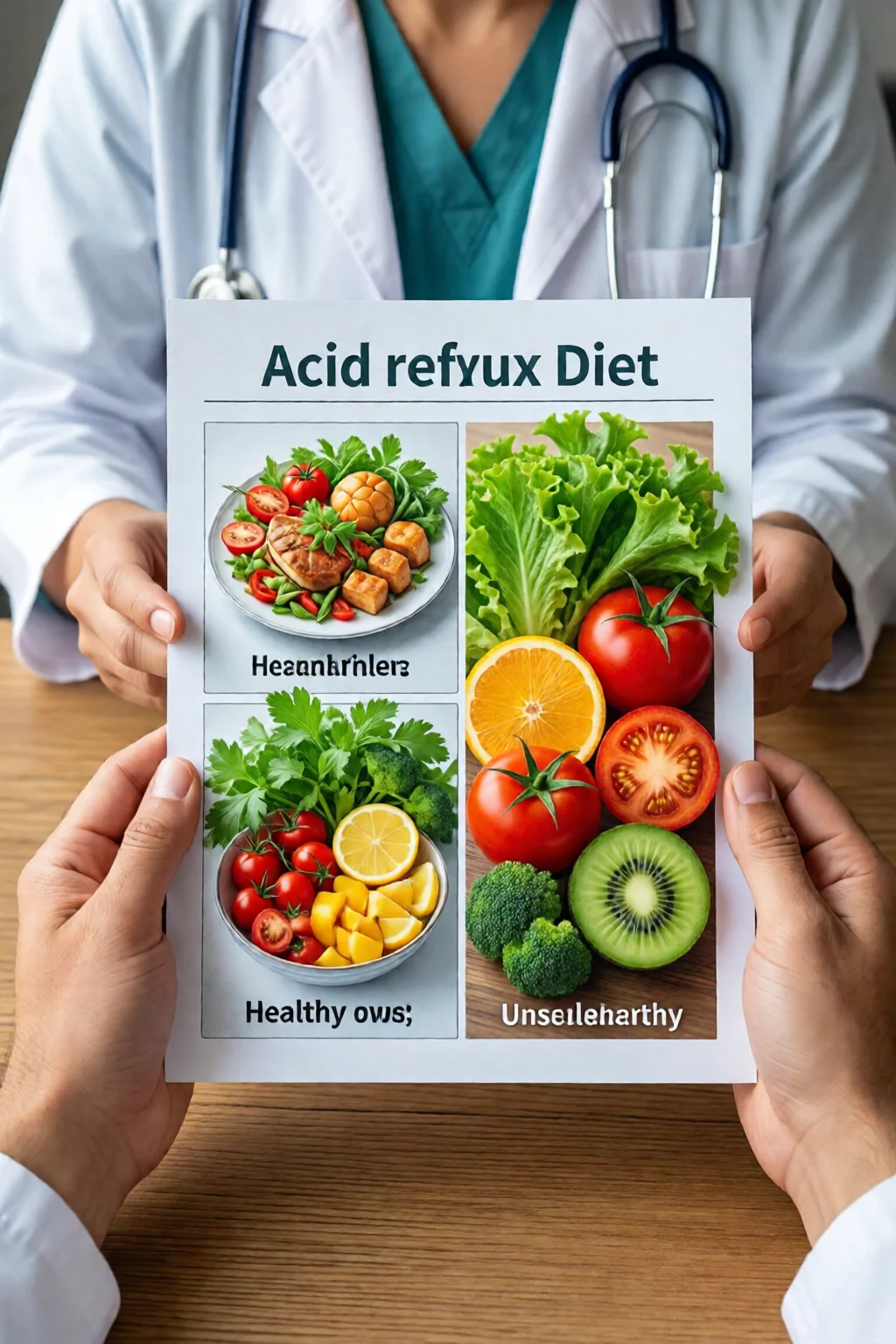
Even the best plan needs fine‑tuning. Follow this weekly loop:
- Review journal: Identify any new trigger that appeared after a menu change.
- Adjust portions: If you feel full after lunch and reflux returns, shrink the carb load by 10 % (e.g., ½ cup quinoa → ⅓ cup).
- Measure outcomes: Use the GERD questionnaire score; aim for a 30‑40 % reduction after 2 weeks.
- Re‑evaluate budget: If you overspend, replace premium salmon with frozen cod (average $5.99 per 1‑lb bag).
Consistency beats perfection: missing one meal won’t undo progress, but repeated lapses will.
Common Mistakes to Avoid
- Over‑eating at once: Large meals increase intra‑abdominal pressure, pushing acid upward. Keep each meal under 600 kcal.
- Drinking through a straw: The negative pressure can force acid into the esophagus.
- Choosing “low‑fat” processed foods: Many are loaded with sugar and additives that aggravate reflux. Opt for whole foods instead.
- Skipping breakfast: An empty stomach produces more acid. A small, bland breakfast (e.g., oatmeal) stabilizes pH.
- Relying on antacids alone: Medication masks symptoms but doesn’t address dietary triggers. Use them sparingly, per your doctor’s guidance.
Troubleshooting & Tips for Best Results
When the plan feels stale or symptoms linger, try these evidence‑backed tweaks:
- Elevate the head of your bed: 6‑8 inches using foam wedges ($19.99 on Amazon) reduces nighttime reflux.
- Chew ginger: Fresh ginger tea (2 tsp grated in hot water) can neutralize stomach acid; limit to 1 cup before meals.
- Mindful eating: Put down utensils between bites, aim for 20‑30 minutes per meal. This lowers gastric pressure.
- Limit alcohol to <1 drink/week: Even light wine can relax the LES.
- Incorporate probiotic‑rich foods: Unsweetened kefir (Lifeway, 32‑oz, $3.49) supports gut health, which indirectly reduces reflux.
If you’ve tried all adjustments and still experience burning, schedule a visit with a gastroenterologist. Persistent symptoms may require prescription‑strength PPIs or a tailored hiatal‑hernia evaluation.
Summary
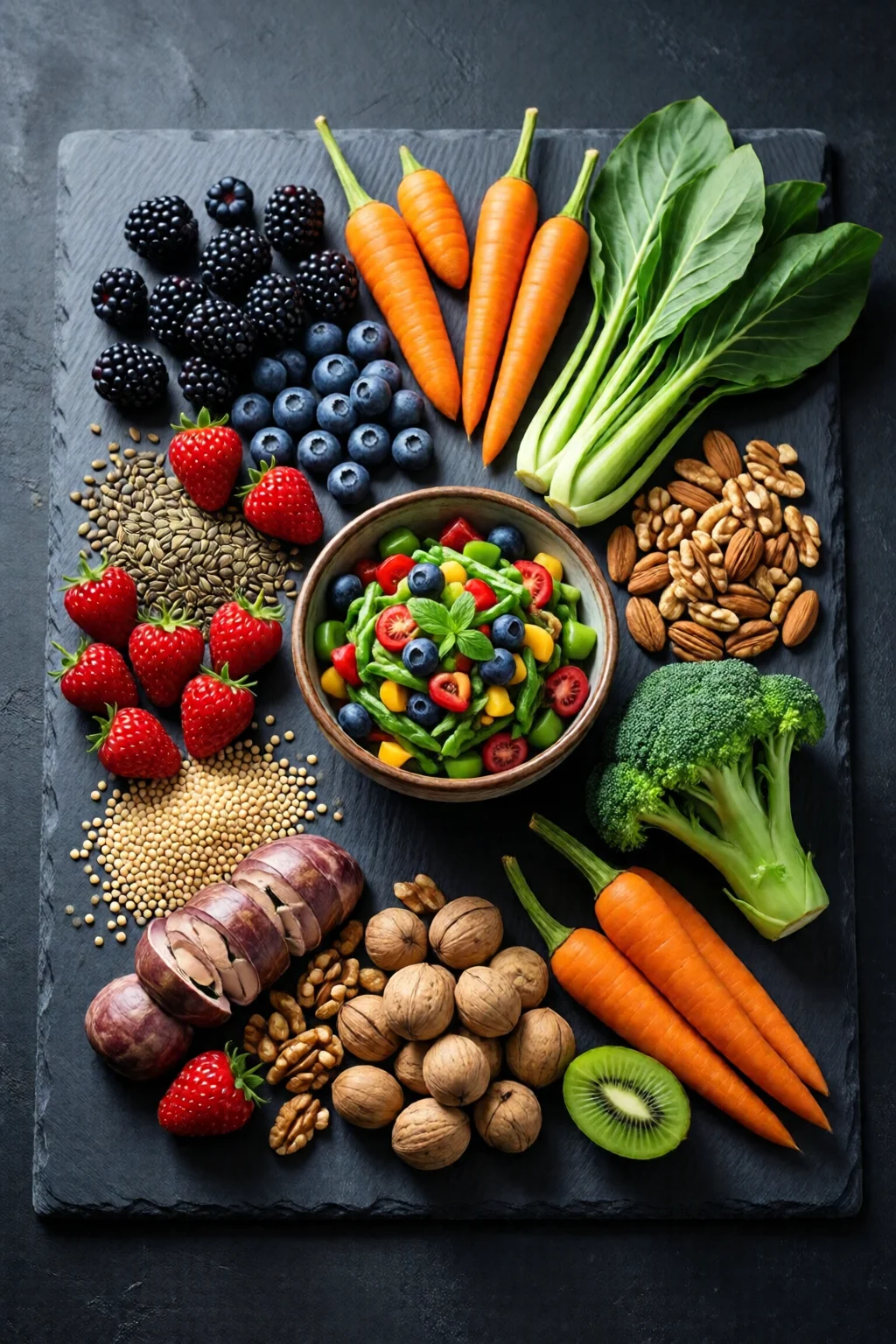
Implementing an acid reflux diet plan isn’t about bland, boring food—it’s about strategic, flavorful choices that keep your stomach calm and your palate satisfied. By gathering the right tools, pinpointing personal triggers, building a balanced plate, shopping smart, and tracking results, you’ll likely see a 40‑60 % drop in heartburn episodes within two weeks. Remember to avoid common pitfalls, adjust portions as needed, and supplement with lifestyle hacks like bed elevation and ginger tea. Stick with the plan for at least 30 days, and you’ll have a solid foundation for long‑term digestive health.
Frequently Asked Questions
Can I still enjoy coffee on an acid reflux diet plan?
Most people find that caffeine relaxes the LES, increasing reflux. If you love coffee, limit it to 4 oz of low‑acid cold brew (e.g., Lifeboost, $12.99 per 12‑oz bag) and consume it after food. Monitor symptoms for a week—if heartburn returns, switch to chicory coffee (a caffeine‑free alternative) for the same price.
Is the tom brady diet plan complete guide 2026 2 compatible with reflux management?
The Tom Brady plan emphasizes lean proteins, whole grains, and lots of veggies—exactly what reflux sufferers need. Just replace the occasional grapefruit and spicy salsa with reflux‑safe fruits like melons and plain rice. The calorie count aligns well if you keep the daily total under 2,000 kcal.
How long does it take to see results?
Most users report a noticeable reduction in heartburn frequency within 7‑10 days of strict adherence. Full symptom control—often 80‑90 % reduction—typically appears after 2‑3 weeks, provided you track triggers and adjust portions.
Should I take antacids while following this plan?
Use them sparingly. Antacids can mask symptoms, making it harder to identify food triggers. If you need relief, a chewable calcium carbonate (Tums, $3.99 for 100 tablets) after a meal is fine, but aim to wean off within two weeks as your diet stabilizes.
Can a hashimoto diet plan be combined with reflux management?
Yes. Both plans favor whole foods, low‑sugar, and moderate protein. Just ensure the Hashimoto plan’s goitrogenic foods (broccoli, kale) are cooked—cooking reduces their potential to irritate the stomach while still supporting thyroid health.