
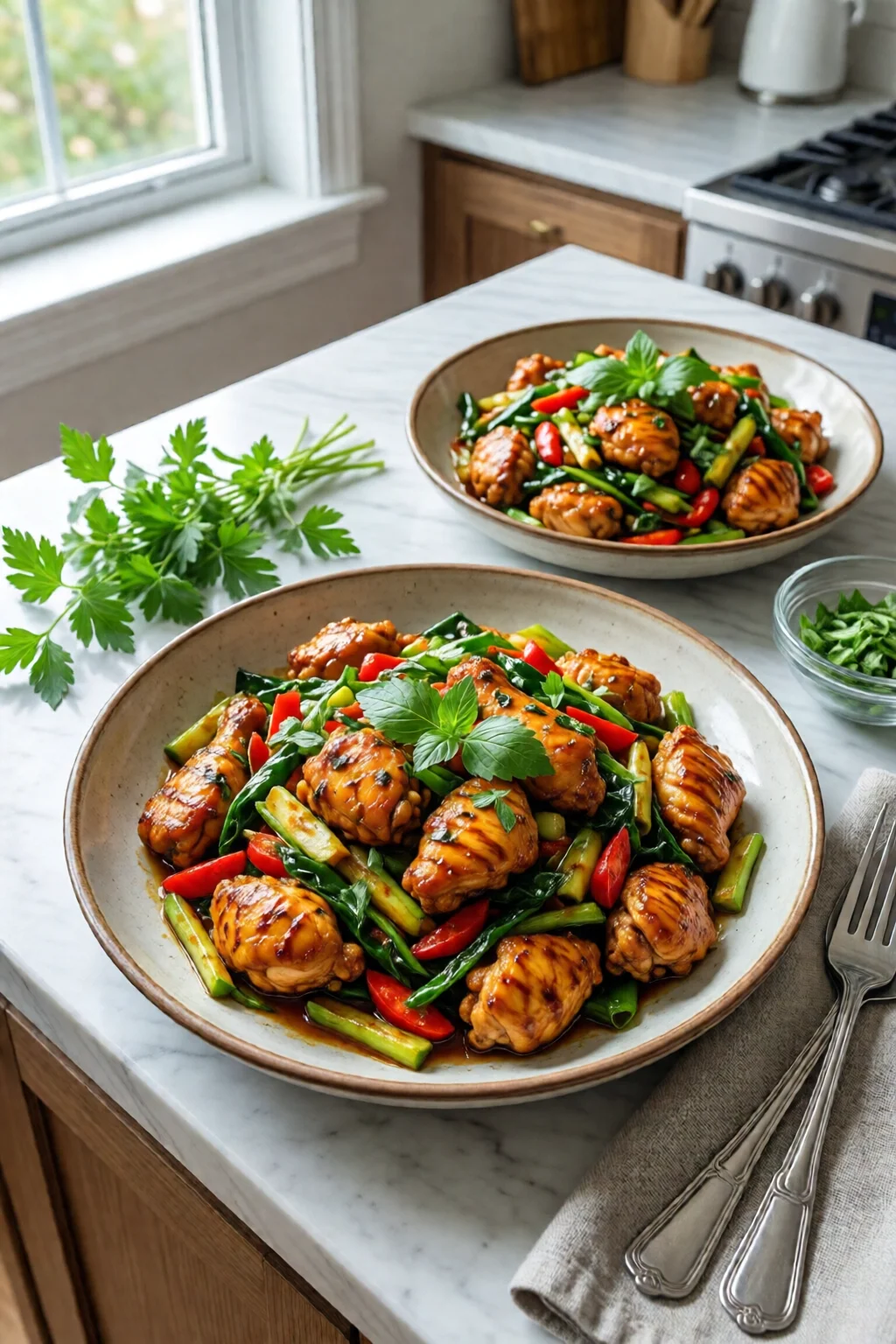
Imagine you’ve just gotten home after a long day, the kids are already tucked in, and the only thing on your mind is a quick, tasty dinner that won’t sabotage your weight‑loss goals. That’s where my chicken stir fry low calorie healthy weight loss recipe 2 comes in. In under 30 minutes you’ll have a colorful, protein‑packed pan‑meal that’s under 350 calories per serving, perfect for keeping your macros in check while still satisfying those cravings for something savory and crisp.
In This Article
What You Will Need (Before You Start)
Gathering the right tools and ingredients ahead of time is the secret sauce to any successful stir‑fry. Here’s a concrete checklist:
- Protein: 2 lb (≈ 900 g) boneless, skinless chicken breast, diced ½‑inch cubes. I prefer the Great Value Organic Chicken Breast from Walmart – about $5.99 per pack.
- Vegetables: 1 cup broccoli florets, 1 cup sliced bell peppers (red, yellow, green), ½ cup sliced carrots, ½ cup snap peas, and ¼ cup sliced green onions. Fresh is best; frozen mixes like Trader Joe’s Stir‑Fry Veggie Blend work in a pinch (≈ $2.49 per bag).
- Flavor Base: 2 tbsp low‑sodium soy sauce, 1 tbsp rice vinegar, 1 tbsp oyster sauce (optional), 1 tsp sesame oil, 1 tsp grated ginger, 2 cloves garlic minced.
- Thickener: 1 tsp cornstarch mixed with 2 tbsp cold water.
- Cooking Oil: 1 tbsp avocado oil (high smoke point, ~$7.99 for a 16‑oz bottle at Target).
- Equipment: a large non‑stick wok or 12‑inch skillet, a silicone spatula, a kitchen scale (for precise portions), and a timer.
Step‑by‑Step Tutorial
Step 1 – Prep All Ingredients (5 minutes)
Start by patting the chicken dry with paper towels – moisture is the enemy of browning. Toss the cubes with a pinch of sea salt and pepper. While the chicken rests, slice the veggies into uniform pieces; this ensures they finish cooking at the same rate. In a small bowl, whisk together soy sauce, rice vinegar, oyster sauce, sesame oil, ginger, and garlic. Set the cornstarch slurry aside.
Step 2 – Marinate the Chicken (10 minutes)
Pour half of the sauce mixture over the chicken, stir to coat, and let it sit while you heat the wok. The brief marination infuses flavor without making the meat soggy. In my kitchen I use a glass bowl with a tight‑fitting lid – about $4.99 from IKEA.
Step 3 – Heat the Wok and Sear the Chicken (4 minutes)
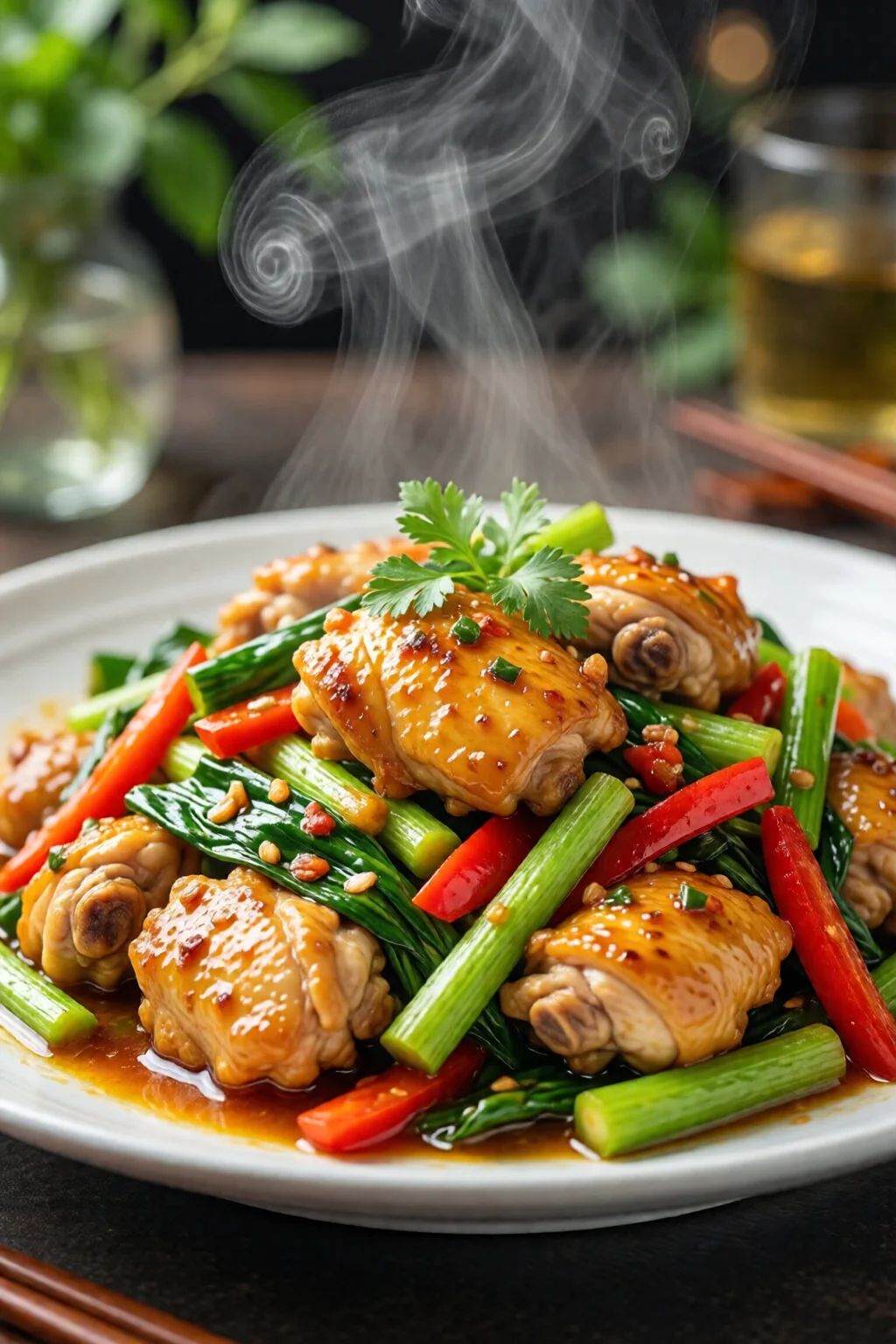
Place the wok over medium‑high heat and add avocado oil. When the oil shimmers (≈ 180 °C), add the chicken in a single layer. Let it sear without moving for 1‑2 minutes to develop a golden crust, then flip and cook another 2‑3 minutes until the interior reaches 165 °F (74 °C). Transfer the chicken to a plate and keep warm.
Step 4 – Stir‑Fry the Vegetables (3 minutes)
Without cleaning the wok, add a splash more oil if needed. Toss in the carrots first – they take the longest – for 30 seconds. Follow with broccoli, snap peas, and bell peppers. Stir constantly; you want them crisp‑tender, not mushy. After 2‑3 minutes, sprinkle the green onions and give everything a quick mix.
Step 5 – Combine and Finish the Sauce (2 minutes)
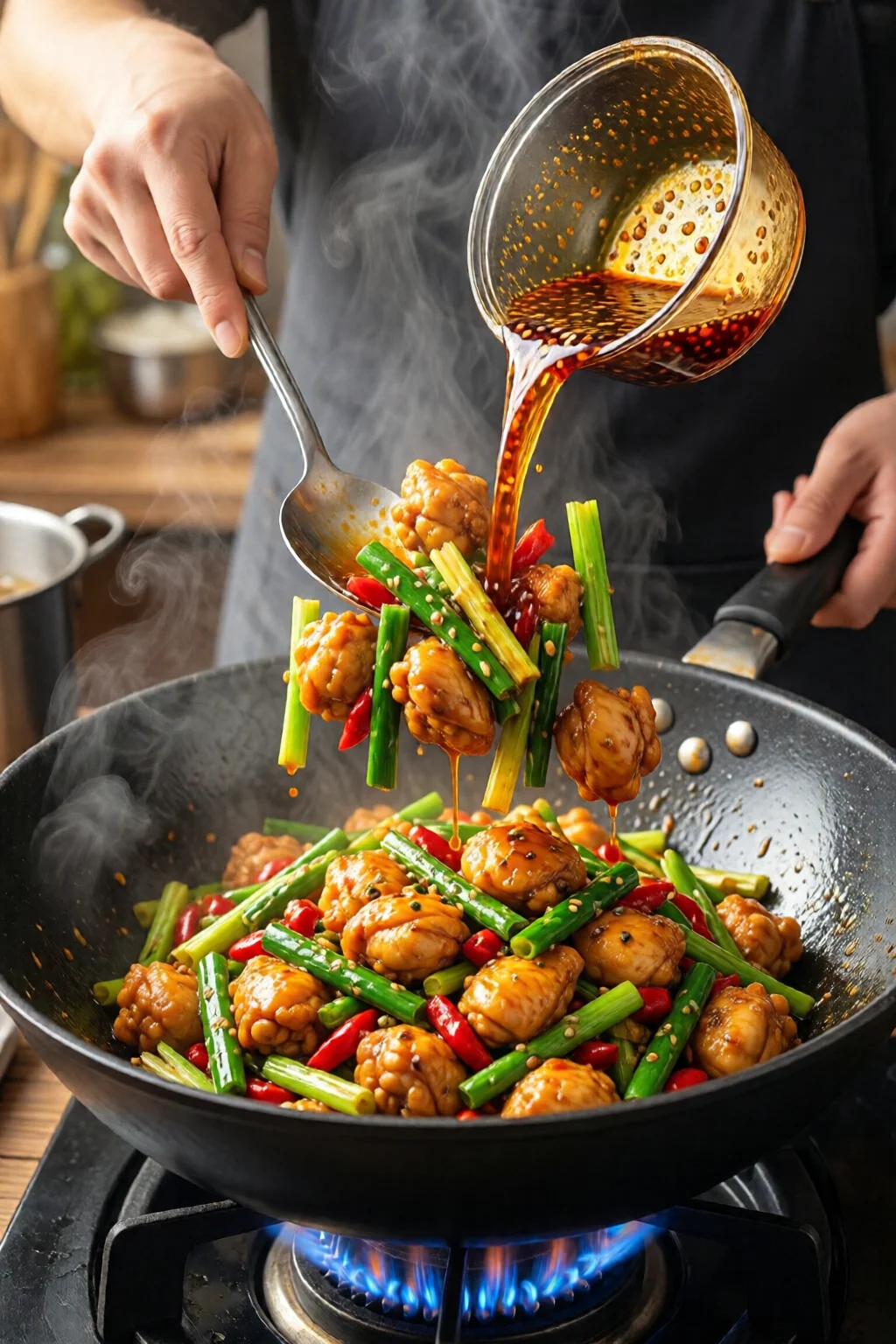
Return the chicken to the wok. Pour the remaining sauce over the mixture, stir, then drizzle the cornstarch slurry. Cook for another minute, allowing the sauce to thicken and coat every bite. Taste and adjust with a pinch more soy sauce or a dash of hot sauce if you like heat.
Step 6 – Plate and Serve (1 minute)
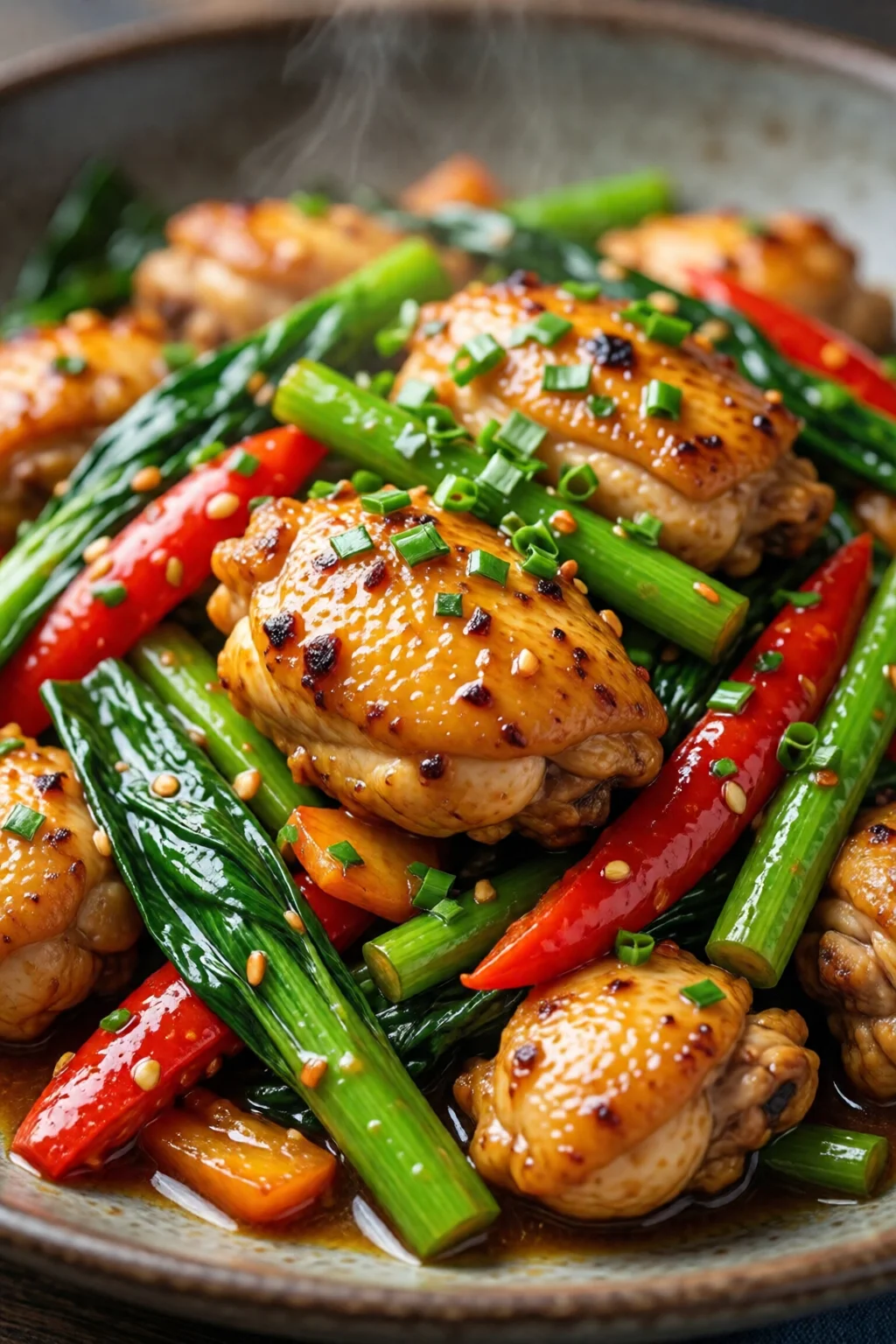
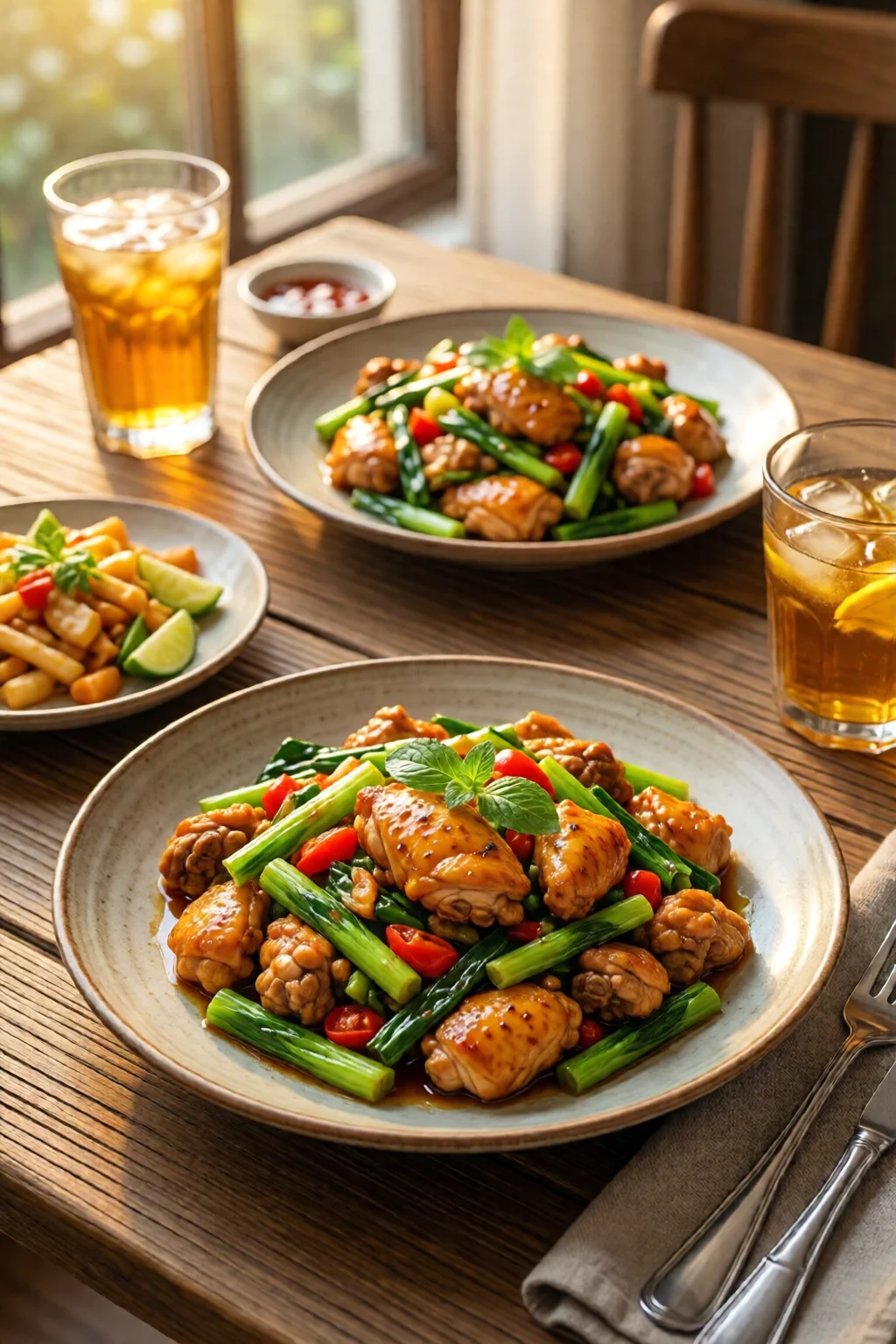
Divide the stir‑fry into four equal portions. Each serving is roughly 340 calories, 30 g protein, 12 g fat, and 30 g carbs, making it an ideal post‑workout meal or a light dinner. Garnish with a sprinkle of sesame seeds (optional, ~5 cal per serving) and a wedge of lime for brightness.
Common Mistakes to Avoid
- Overcrowding the pan: Adding too much chicken or veg at once drops the temperature, resulting in steaming instead of searing. Cook in batches if necessary.
- Using too much oil: A tablespoon is sufficient for a non‑stick wok. Extra oil adds unnecessary calories – each extra teaspoon is ~40 cal.
- Skipping the cornstarch slurry: Without it, the sauce stays watery and the dish feels flat. The slurry adds body without adding sugar or fat.
- Cooking vegetables too long: Overcooked veg loses fiber and nutrients. Aim for a bright, crunchy texture – this also keeps the glycemic impact lower.
- Not seasoning the chicken: Salt enhances flavor; a light dusting before searing makes a big difference.
Troubleshooting & Tips for Best Results
Issue: The sauce is too salty.
Solution: Dilute with a splash of low‑sodium chicken broth (≈ 10 ml) or add a pinch of sugar to balance.
Issue: Chicken turns dry.
Solution: Ensure the wok is hot before adding chicken; sear quickly and don’t over‑cook. Rest the meat for a minute after cooking.
Tip: For extra crunch, add 1 tbsp toasted sliced almonds right before serving – adds 45 cal and a satisfying bite.
Tip: Swap chicken for shrimp (8 oz) for a lower‑calorie version; shrimp cooks in 2 minutes and brings the total calories down to ~280 cal per serving.
Tip: Use a Ninja Foodi 9‑in‑1 Pressure Cooker as a wok substitute – the “Sear/Sauté” function gives the same high heat without the need for a separate stove burner.
FAQ
Can I freeze this chicken stir fry?
Absolutely. Portion the cooled stir‑fry into airtight containers, label with the date, and freeze for up to 3 months. Reheat in a skillet over medium heat, adding a splash of water to revive the sauce.
What if I’m vegetarian?
Swap the chicken for firm tofu (14 oz) or tempeh. Press the tofu to remove excess moisture, cube, and follow the same marinating steps. The calorie count drops to about 280 cal per serving.
How can I make this recipe even lower in carbs?
Replace the carrots and bell peppers with extra broccoli, cauliflower rice, or shirataki noodles. You’ll shave off roughly 8‑10 g of carbs per serving while keeping volume high.
Is this recipe suitable for the chicken and vegetables healthy weight loss recipe 2 plan?
Yes. It aligns perfectly with the macro targets of that plan – high protein, moderate carbs, low fat – and the total calorie load fits within a 1200‑1500 cal daily framework.
Summary & Final Thoughts
With just a handful of pantry staples, a sharp knife, and a hot wok, you can whip up a chicken stir fry low calorie healthy weight loss recipe 2 that’s both delicious and nutritionally balanced. The key takeaways are: keep the heat high, don’t overcrowd the pan, and finish with a quick cornstarch thickener for that glossy, restaurant‑style finish. This dish slots neatly into any weight‑loss regimen, whether you’re following the air fryer chicken healthy weight loss recipe, the grilled chicken recipes healthy weight loss recipe, or the broader healthy recipes for dinner guide. Give it a try tonight – your taste buds and waistline will thank you.
1 thought on “Chicken Stir Fry Low Calorie Healthy Weight Loss Recipe 2 – Tips, Ideas and Inspiration”