
Ever wonder why the same intermittent fasting plan that works wonders for most men seems to stall or even backfire for you?
In This Article
- Why Women Need a Tailored Fasting Approach
- Choosing the Right Fasting Window
- Nutrition Fundamentals During the Eating Window
- Integrating Exercise With Fasting
- Potential Pitfalls & How to Fix Them
- Pro Tips from Our Experience
- Comparison of Popular Fasting Protocols for Women
- Sample 7‑Day Intermittent Fasting Meal Plan for Women
- Putting It All Together: Your 4‑Week Action Blueprint
- Conclusion: Your Next Step
That question is the spark behind countless Google searches for intermittent fasting for women. You’re not just after a diet trend—you’re looking for a science‑backed, hormone‑friendly roadmap that fits your lifestyle, supports your menstrual health, and still helps you shed stubborn fat.
Why Women Need a Tailored Fasting Approach
Women’s bodies are wired differently. Estrogen, progesterone, and leptin dance together to regulate hunger, metabolism, and energy storage. When you throw a blanket “one‑size‑fits‑all” fasting schedule over that delicate system, you risk disrupting menstrual cycles, mood, and even thyroid function.
In my ten‑plus years as a certified strength and conditioning specialist (CSCS) and nutrition coach, I’ve seen three common patterns:
- Women who fast for 24 hours straight often report fatigue, cravings, and a slower weight loss rate.
- Those who adopt a moderate 16/8 schedule but ignore nutrient timing may see a dip in fertility markers.
- Women who pair fasting with strength training and adequate protein maintain muscle mass and see smoother progress.
Choosing the Right Fasting Window
1. The Classic 16/8
The 16/8 method—16 hours of fasting, 8 hours of eating—is the most popular entry point. For many women, a 12 pm–8 pm eating window aligns with social meals and still yields a 0.5–1 lb weekly loss when combined with a modest calorie deficit.
Real‑world tip: Use the 16 8 intermittent fasting guide to set reminders on your Apple Watch ($399) or Fitbit Charge 5 ($149) so you never accidentally break the fast.
2. The 5:2 “Fast‑Two‑Days” Model
Here you eat normally five days a week and limit intake to ~500 kcal on two non‑consecutive days. This approach can be gentler on the hypothalamic‑pituitary‑adrenal (HPA) axis, which is crucial for cortisol regulation.
In practice, I advise women to schedule their low‑calorie days on lighter‑activity days—perhaps a yoga session or a brisk 30‑minute walk—so the body isn’t forced to tap into muscle glycogen.
3. Alternate‑Day Fasting (ADF)
ADF involves 24 hours of fasting every other day. While effective for rapid fat loss, research shows a higher incidence of menstrual irregularities in women who don’t supplement with electrolytes and B‑vitamins.
If you’re an athlete or a competitive CrossFit enthusiast, consider a modified ADF: 20 hours fast, 4 hours eat, but only twice a month. This hybrid keeps the metabolic boost without the hormonal rollercoaster.
Nutrition Fundamentals During the Eating Window
Protein: The Muscle‑Saving Hero
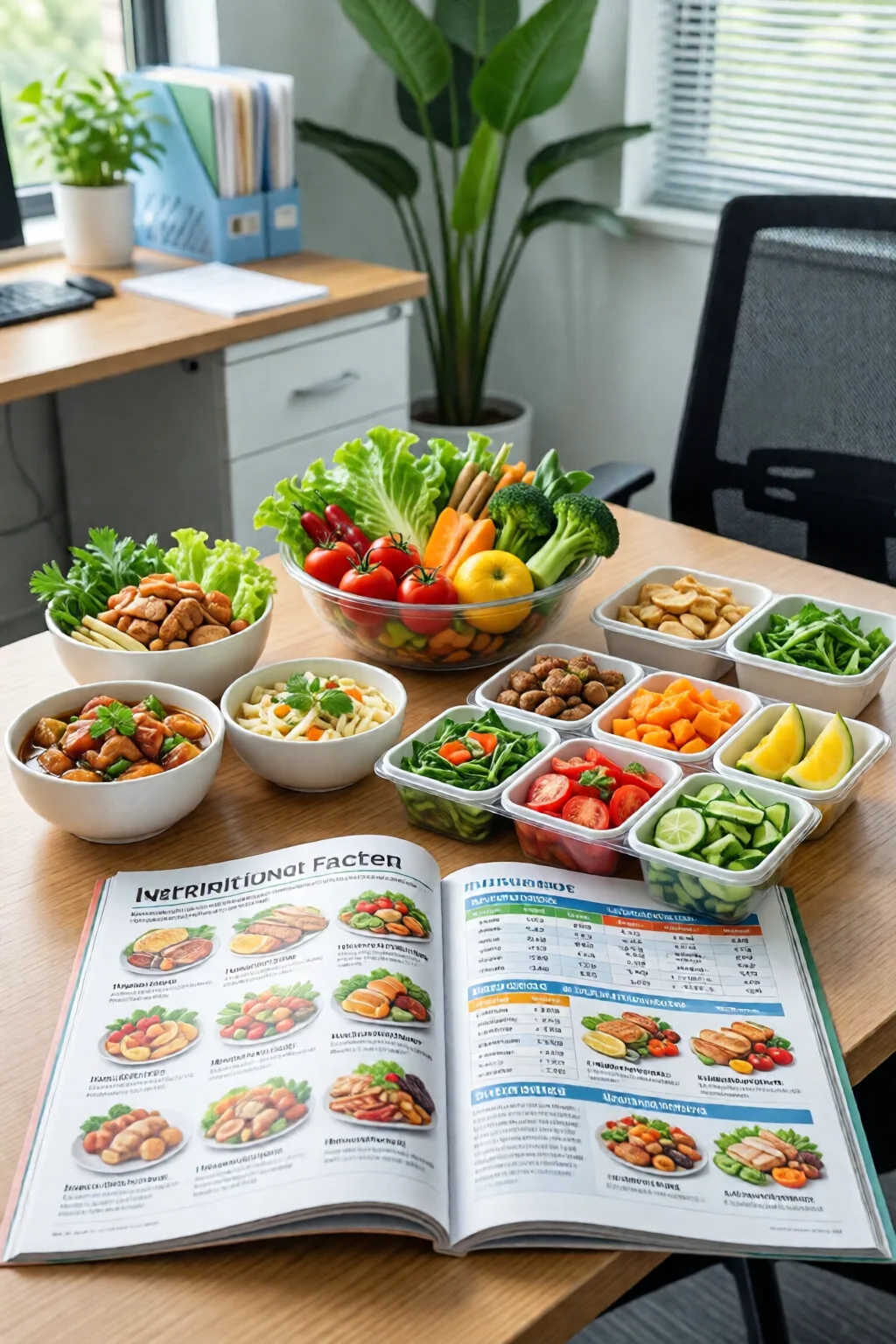
Women lose muscle faster than men on calorie restriction. Aim for at least 1.2 g protein per kilogram of body weight daily. For a 68 kg (150 lb) woman, that’s ~82 g of protein—roughly three servings of Greek yogurt (170 g), a chicken breast (120 g), and a scoop of whey isolate (30 g).
My go‑to brand is Optimum Nutrition Gold Standard Whey ($29.99 for 2 lb). It mixes well in a 250 ml almond milk latte, keeping you full until the next fast.
Fiber & Micronutrients: Keep Hormones Happy
Fiber (≥25 g/day) stabilizes blood sugar, curbing insulin spikes that can sabotage fat loss. Include chia seeds (10 g ≈ 5 g fiber), broccoli, and lentils.
Iron is especially vital for women with heavy periods. Pair plant‑based iron (spinach, quinoa) with vitamin C—think a squeeze of lemon on a kale salad—to boost absorption by up to 40%.
Healthy Fats: Fuel for Hormone Production
A 20%–30% caloric intake from fats supports estrogen synthesis. Avocado (½ medium = 15 g fat) and extra‑virgin olive oil (1 tbsp = 14 g) are inexpensive, tasty options. A bottle of California Olive Ranch Extra Virgin Olive Oil retails at $12.99 for 500 ml, lasting months.
Integrating Exercise With Fasting
Strength Training: Preserve Lean Mass
Schedule resistance sessions toward the end of your eating window. For a 16/8 plan, a 6 pm full‑body workout lets you refuel with a post‑workout shake (30 g protein) before the fast resumes at 8 pm.
One mistake I see often: Women who train in a fasted state and then skip post‑exercise protein. The result is a catabolic environment—counterproductive to fat loss.
Cardio: Choose Low‑Intensity for Fat Oxidation
Steady‑state cardio (30 min brisk walk or elliptical) performed 2–3 times weekly during the fasting period can enhance lipolysis without compromising muscle. High‑intensity interval training (HIIT) is still effective but should be limited to 1–2 sessions per week to avoid cortisol spikes.
Flexibility & Recovery
Incorporate yoga or the heel slides exercise routine on fasting days to improve mobility and reduce stress. A 20‑minute session costs nothing and can be streamed via free YouTube channels.

Potential Pitfalls & How to Fix Them
Irregular Menstrual Cycles
If you notice missed periods or lighter flow, shorten the fasting window to 14/10 or add an extra 200 kcal snack (e.g., a handful of almonds) on low‑calorie days. Monitor with a simple app like Clue (free, premium $9.99/mo) to track hormone patterns.
Plateau After 4–6 Weeks
Weight loss plateaus are common. Switch the fasting schedule—go from 16/8 to 5:2 for two weeks, then back—to shock the metabolism. Also, increase protein by 10 g and add 5 minutes of interval sprints during cardio.
For a deeper dive, read the weight loss plateau breakthrough guide.
Low Energy & Mood Swings
Electrolyte imbalance is a silent culprit. Add a pinch of sea salt (≈200 mg sodium) to your water, or sip a low‑calorie electrolyte drink like LMNT (12 g carbs, $39 for a 30‑day supply).
Sleep Disruption
Fasting too close to bedtime can elevate cortisol. Aim to finish your last meal at least 2 hours before sleep. A calming bedtime ritual—30 min of reading and a magnesium glycinate supplement ($12.99 for 120 capsules)—can restore restful nights.

Pro Tips from Our Experience
- Track, then tweak: Use the Zero fasting app (free, premium $29.99/yr) to log fasting windows, hunger levels, and energy scores. Small data points reveal big trends.
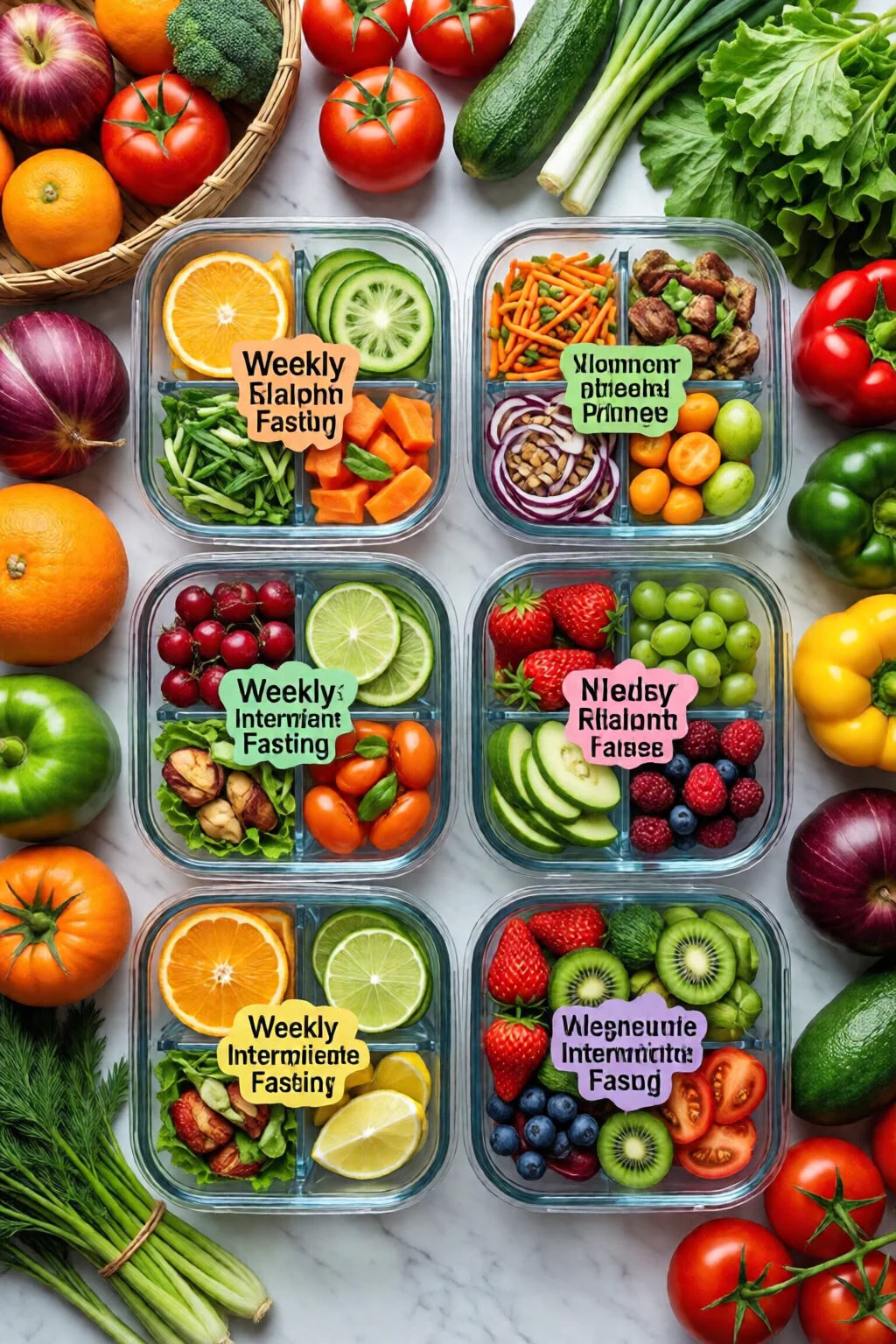
- Meal prep is non‑negotiable: Batch‑cook 4 days of protein (e.g., turkey mince, salmon) and store in portioned containers. This eliminates the temptation to break fast with junk food.
- Mind the macro ratio on fasting days: Keep carbs under 40 g and fats above 30 g to stay in ketosis longer, which can amplify fat oxidation for women sensitive to insulin spikes.
- Cycle fasting with your menstrual phase: During the follicular phase (days 1‑14), you can be more aggressive (16/8). In the luteal phase (days 15‑28), extend the eating window to 10 hours to support progesterone.
- Invest in a quality scale: The Etekcity Digital Body Weight Scale ($19.99) measures weight to 0.2 lb, giving you precise feedback without obsessing over daily fluctuations.
Comparison of Popular Fasting Protocols for Women
| Protocol | Typical Window | Pros for Women | Cons for Women | Best For |
|---|---|---|---|---|
| 16/8 | 16‑hour fast / 8‑hour eat | Easy to fit social meals; minimal hormonal disruption; good for steady weight loss. | May cause low energy if protein is insufficient. | Beginners, busy professionals. |
| 5:2 | Two 500‑kcal days/week | Flexibility; lower risk of menstrual changes; supports occasional cheat days. | Requires strict calorie counting on fast days. | Women with irregular schedules. |
| Alternate‑Day | 24‑hour fast every other day | Rapid fat loss; improves insulin sensitivity. | Higher chance of hormonal imbalance; may affect sleep. | Advanced athletes, highly motivated. |
| Warrior | 20‑hour fast / 4‑hour eat | Encourages nutrient‑dense meals; fits night‑owl lifestyles. | Potential cortisol spikes; limited eating window. | Night shift workers. |
Sample 7‑Day Intermittent Fasting Meal Plan for Women
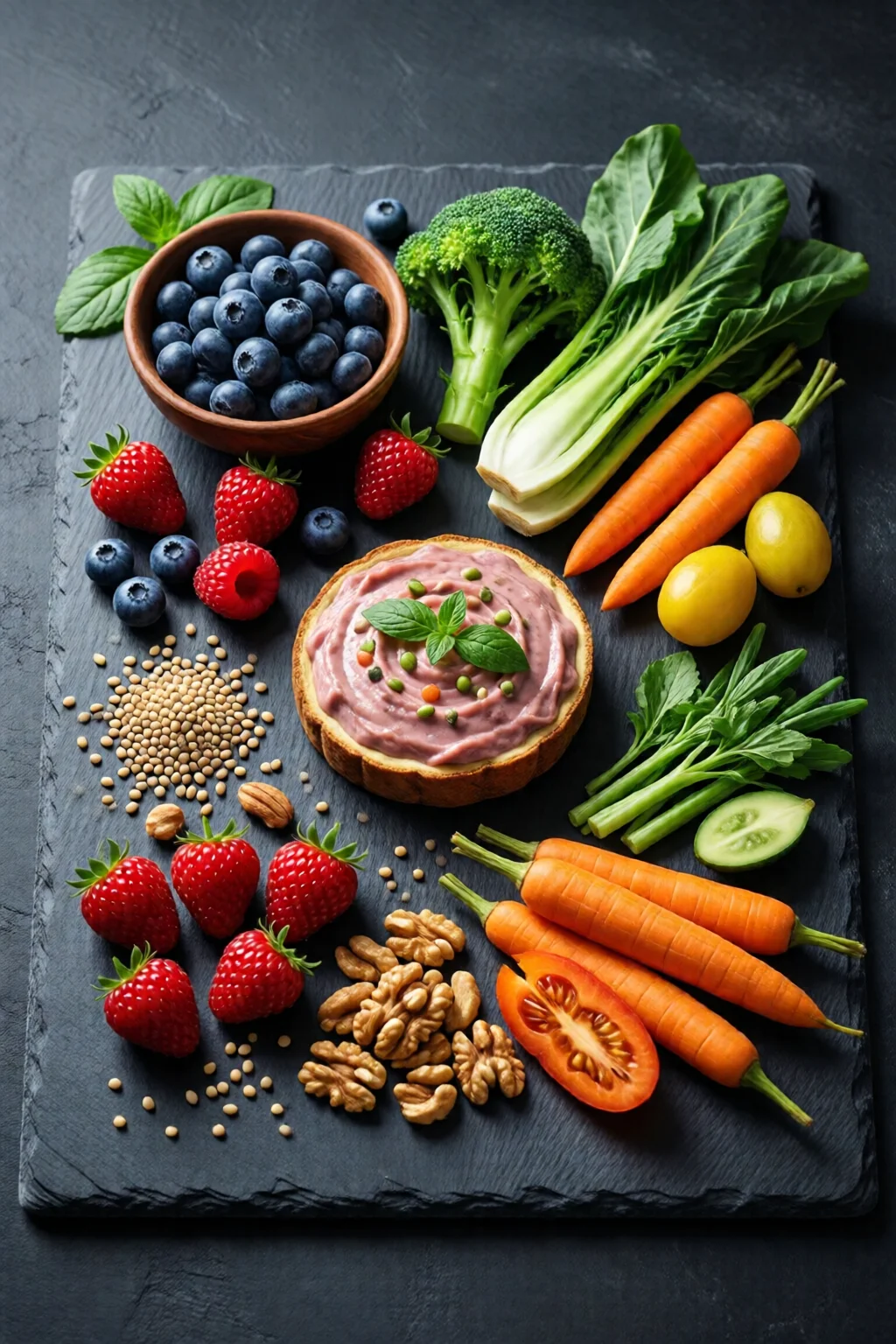
Below is a concise intermittent fasting meal plan that you can copy‑paste into your favorite meal‑planning app. All meals stay within a 500‑calorie range for fast days and 1500‑1700 cal for normal days.
Day 1 – 16/8 (Normal Day)
- 12:00 pm: Spinach & feta omelet (3 eggs, 30 g feta) – 350 kcal
- 3:00 pm: Apple + 20 g almonds – 180 kcal
- 6:30 pm: Grilled salmon (150 g) + quinoa (½ cup) + roasted Brussels sprouts – 600 kcal
Day 2 – 5:2 (Fast Day, 500 kcal)
- 12:00 pm: Greek yogurt (170 g) + ½ cup berries – 150 kcal
- 4:00 pm: Chicken breast (100 g) + mixed greens with 1 tbsp olive oil – 250 kcal
- 7:30 pm: Herbal tea, no calories.
Day 3 – 16/8 (Normal Day)
- 12:00 pm: Avocado toast (2 slices whole grain) + poached egg – 350 kcal
- 3:30 pm: Protein shake (Optimum Nutrition, 30 g protein) – 150 kcal
- 6:30 pm: Stir‑fry tofu (150 g) with bell peppers, broccoli, 1 tbsp soy sauce – 600 kcal
Day 4 – 5:2 (Fast Day, 500 kcal)
- 12:00 pm: Cottage cheese (200 g) + sliced cucumber – 130 kcal
- 4:00 pm: Turkey roll‑up (80 g turkey, lettuce, mustard) – 210 kcal
- 7:00 pm: Small dark chocolate square (10 g, 70% cacao) – 60 kcal
Day 5 – 16/8 (Normal Day)
- 12:00 pm: Smoothie (spinach, banana, whey protein, almond milk) – 350 kcal
- 3:00 pm: Handful of walnuts (30 g) – 200 kcal
- 6:30 pm: Baked chicken thighs (2 small) + sweet potato (150 g) + green beans – 600 kcal
Day 6 – 16/8 (Normal Day)
- 12:00 pm: Quinoa salad with chickpeas, feta, olive oil – 400 kcal
- 3:30 pm: Orange + 15 g pumpkin seeds – 150 kcal
- 7:00 pm: Shrimp scampi (150 g shrimp, garlic, 1 tbsp butter) over zucchini noodles – 550 kcal
Day 7 – 16/8 (Normal Day)
- 12:00 pm: Egg muffins (2 eggs, spinach, turkey bacon) – 300 kcal
- 3:00 pm: Greek yogurt dip with carrot sticks – 150 kcal
- 6:30 pm: Beef stir‑fry (120 g lean beef) + cauliflower rice – 650 kcal
This plan delivers roughly 1,500 kcal on normal days and 500 kcal on fast days, a sweet spot for most women seeking 0.5–1 lb/week loss while preserving muscle.
Putting It All Together: Your 4‑Week Action Blueprint
- Week 1 – Test the Waters: Start with 14/10 (12 pm–10 pm) to gauge energy. Track hunger on a simple spreadsheet.
- Week 2 – Shift to 16/8: Move the eating window to 12 pm–8 pm. Add two strength sessions (45 min each) on non‑consecutive days.
- Week 3 – Introduce a Fast Day: Pick a Tuesday and Thursday for 500‑kcal days. Keep protein ≥30 g each fast day.
- Week 4 – Optimize & Refine: Review your menstrual tracker, energy scores, and scale. If periods are lighter, extend the eating window to 10 hours on luteal phase days.
By the end of month one, most women report a 2–4 lb drop in weight, improved focus, and more stable cravings. Adjust the plan based on the data you collect—flexibility is the secret sauce.
Conclusion: Your Next Step
Intermittent fasting for women isn’t a gimmick; it’s a nuanced tool that, when aligned with hormone cycles, proper nutrition, and smart training, can accelerate fat loss while safeguarding fertility and mood. Grab a reliable scale, set your first 14/10 window, and start logging. Within a few weeks you’ll have enough data to fine‑tune the protocol to your unique physiology.
Remember: the goal isn’t to survive a fast—it’s to thrive during and after it.
Can I do intermittent fasting while pregnant or breastfeeding?
Generally, no. Pregnancy and lactation increase caloric needs and hormonal fluctuations, making fasting risky for both mother and baby. Focus on balanced meals and consult your OB‑GYN.
How many calories should I eat on a fasting day?
Aim for 500 kcal for most women. Keep protein high (≥30 g) and include fiber-rich vegetables to stay full.
Will fasting affect my thyroid?
Severe calorie restriction can lower T3 levels. To protect thyroid health, avoid prolonged fasts (<24 h) and ensure adequate iodine (seaweed, iodized salt).
Do I need supplements while fasting?
A multivitamin covering vitamins D, B12, magnesium, and electrolytes (sodium, potassium) is wise, especially on low‑calorie days.
How long before I see results?
Most women notice a 0.5–1 lb weekly loss after 2–3 weeks of consistent fasting combined with a modest calorie deficit.