
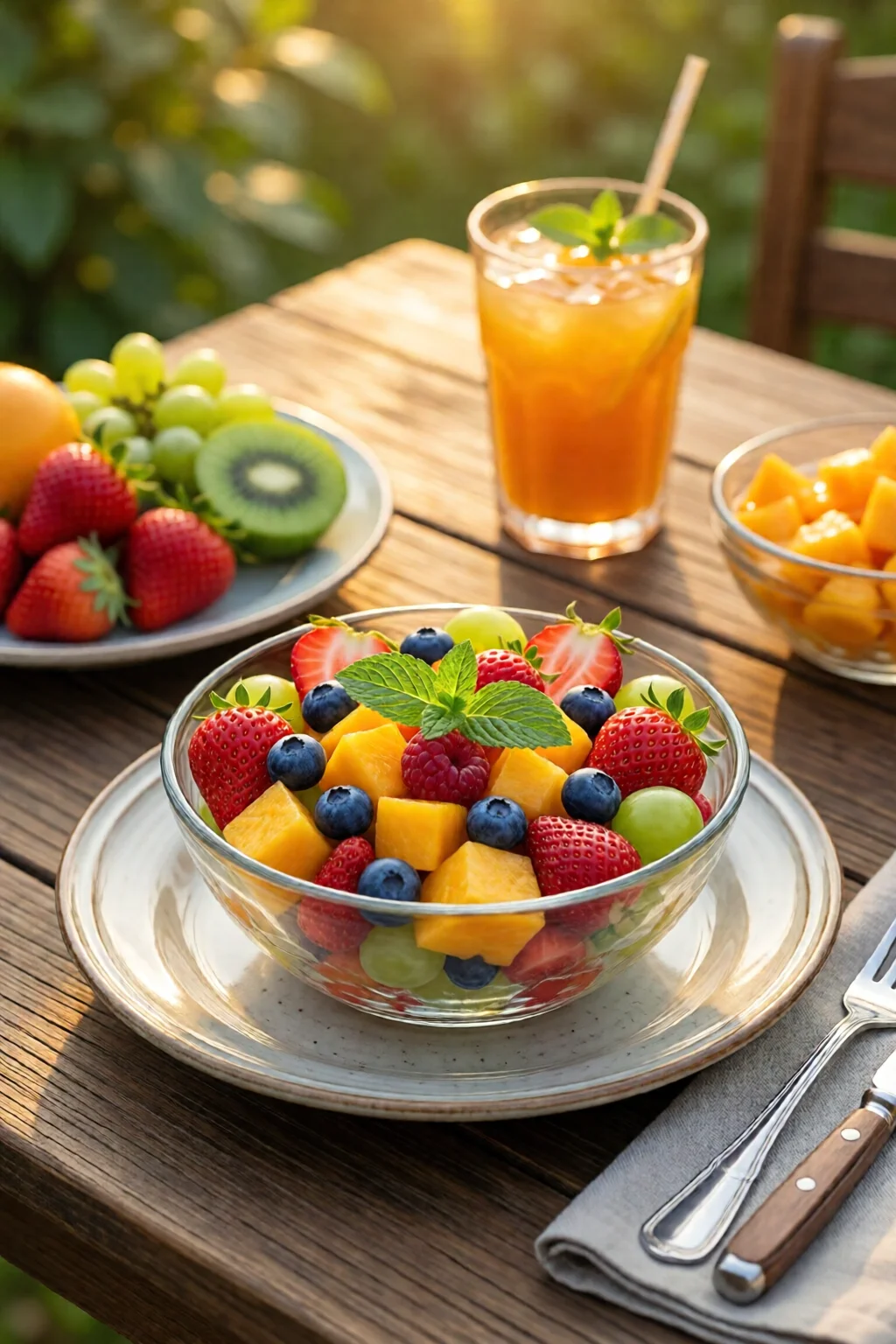
Last summer I was asked to bring a side dish to a beach potluck, and I decided to test a new fruit salad healthy weight loss recipe that I’d been tweaking for months. By the time the guests arrived, the bowl was glowing with color, the aroma was sweet but not cloying, and each bite felt like a tiny, guilt‑free treat. The best part? Everyone kept asking for the recipe, and a few even claimed they felt lighter after the meal. That moment reminded me why fruit salads can be a powerhouse for shedding pounds while staying satisfied.
In This Article
- 1. Citrus‑Mint Kale‑Boosted Fruit Salad
- 2. Berry‑Almond Crunch Salad
- 3. Tropical Pineapple‑Cucumber Light Salad
- 4. Apple‑Walnut Cinnamon Slaw
- 5. Watermelon‑Feta Light Medley (Mediterranean Twist)
- 6. Kiwi‑Ginger Metabolism Booster
- 7. Pomegranate‑Quinoa Power Bowl (Hearty Version)
- Quick Comparison of the Top Fruit Salad Recipes
- How to Customize Your Fruit Salad for Maximum Weight‑Loss Results
- Integrating Fruit Salads into a Balanced Weight‑Loss Plan
- Final Verdict
If you’ve ever stared at a grocery aisle wondering which mix of fruits will actually help you lose weight, you’re not alone. This list digs into the science, the cost, and the convenience of the top fruit salad recipes that double as a weight‑loss ally. Each entry includes prep time, calorie count, cost per serving, and a quick rating so you can pick the perfect bowl for your lifestyle.
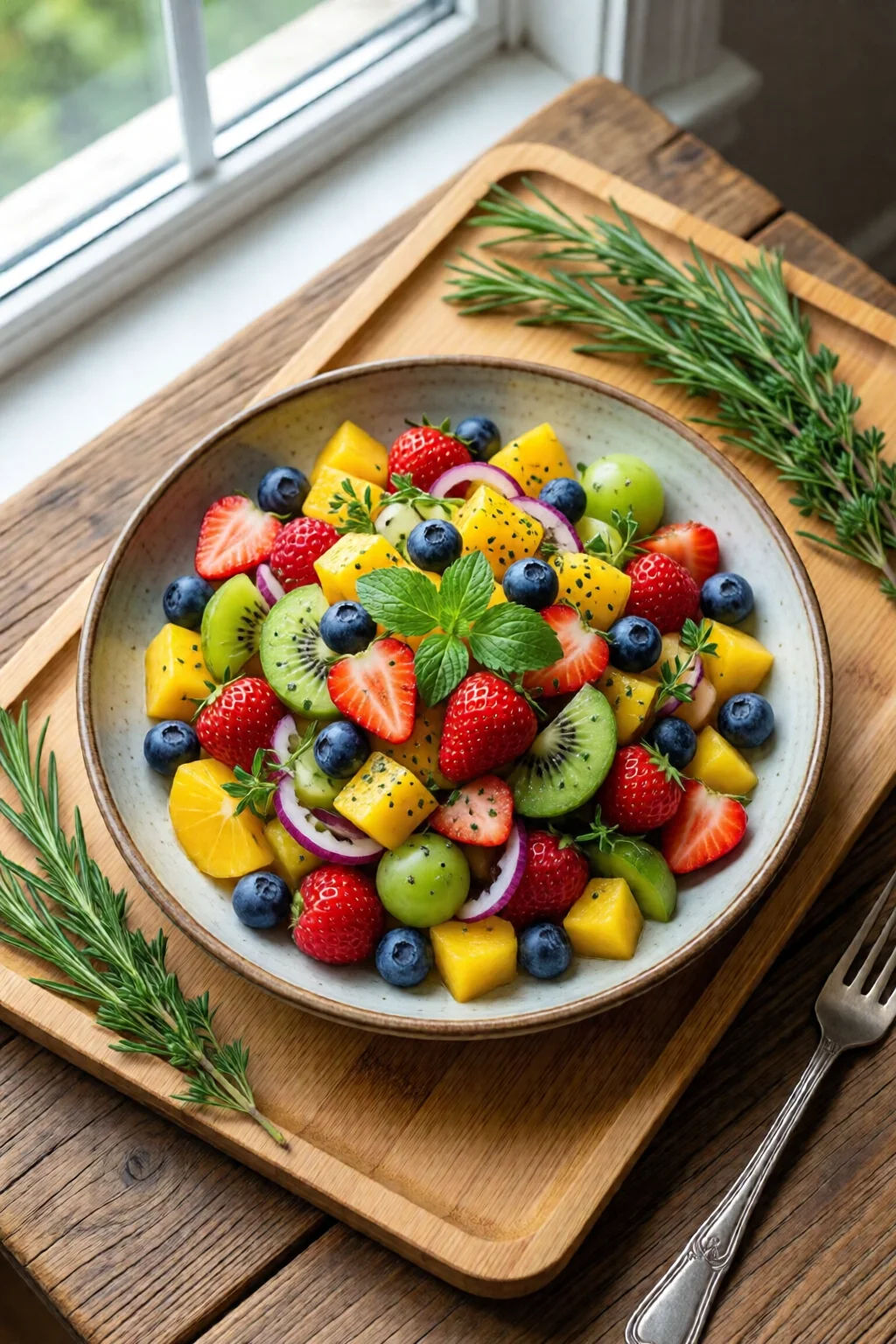
1. Citrus‑Mint Kale‑Boosted Fruit Salad
This recipe pairs vitamin‑C packed oranges and grapefruits with a handful of finely chopped kale, a splash of lime, and fresh mint. The kale adds fiber and a tiny protein punch, while the citrus keeps the glycemic load low.
Ingredients (Serves 2)
- 1 large navel orange, segmented – 62 kcal
- ½ pink grapefruit, segmented – 52 kcal
- 1 cup (30 g) finely chopped kale, stems removed – 15 kcal
- ¼ cup (10 g) fresh mint leaves, chopped
- 1 Tbsp fresh lime juice
- ½ Tbsp honey (optional) – 32 kcal
- Pinch of sea salt
Directions
- Place orange and grapefruit segments in a large bowl.
- Sprinkle chopped kale over the fruit; massage gently for 30 seconds to soften the leaves.
- Add mint, lime juice, and honey if you need a touch of sweetness.
- Season with a pinch of sea salt, toss, and serve immediately.
Nutrition & Cost
Calories per serving: 84 kcal. Fiber: 4 g. Vitamin C: 150 % DV. Cost: roughly $1.90 per serving (using Dole Fresh Cut citrus at $3.99 per 2‑lb bag).
Pros & Cons
- Pros: Low calorie, high fiber, bright flavor, ready in 5 minutes.
- Cons: Kale’s bitter edge may need extra mint for some palates.
Rating
⭐️⭐️⭐️⭐️☆ (4/5) – Ideal for early‑morning meals or post‑workout refuel.
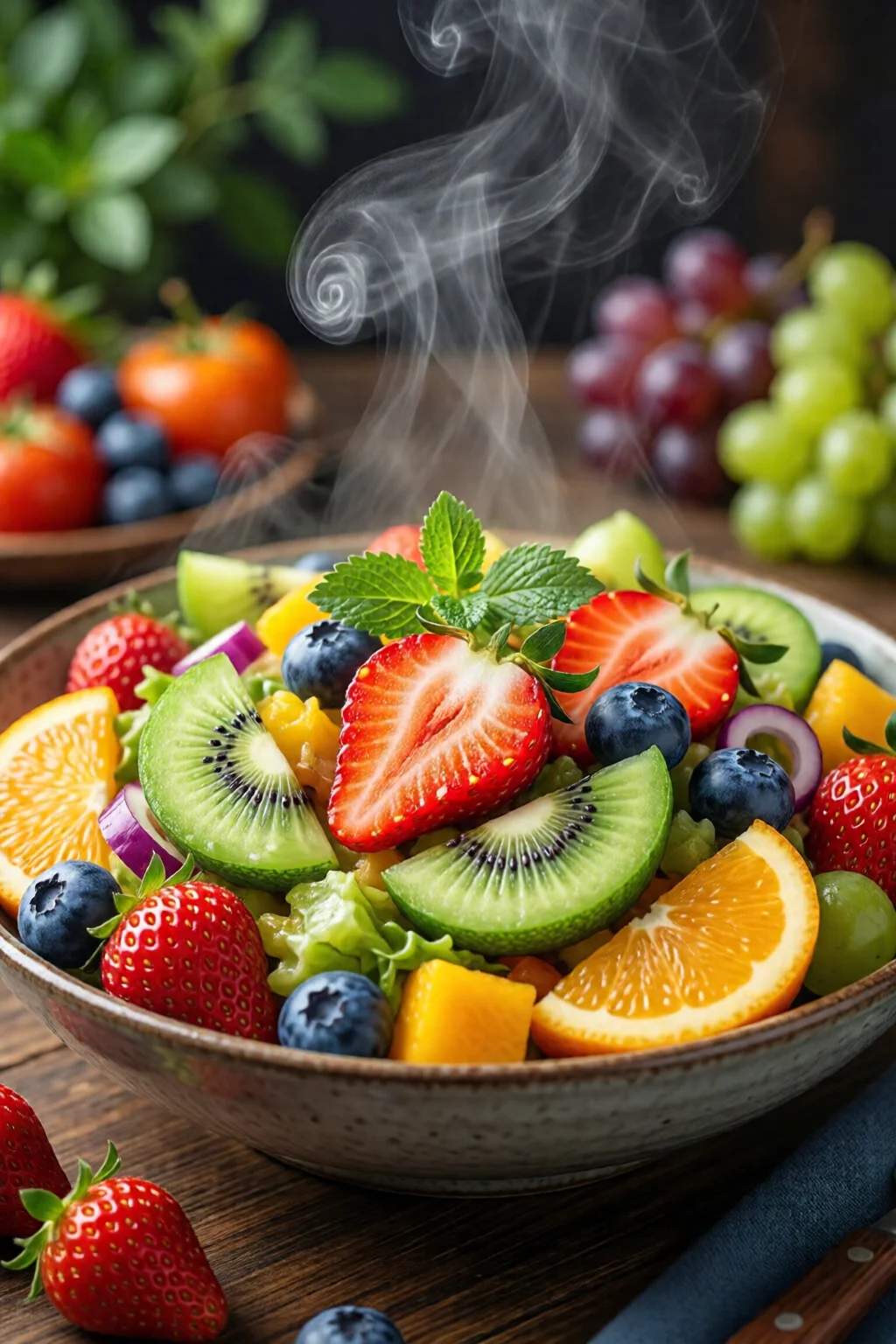
2. Berry‑Almond Crunch Salad
Mixed berries are a weight‑loss favorite because they’re low in sugar yet high in antioxidants. Adding sliced almonds gives healthy fats and a satisfying crunch without blowing up the calorie count.
Ingredients (Serves 3)
- 1 cup (150 g) frozen mixed berries, thawed – 70 kcal
- ½ cup (75 g) fresh strawberries, hulled & sliced – 24 kcal
- ¼ cup (30 g) blueberries – 21 kcal
- 2 Tbsp (15 g) sliced almonds, toasted – 87 kcal
- ½ cup (120 ml) low‑fat Greek yogurt (FAGE Total 0%) – 60 kcal
- 1 tsp chia seeds – 20 kcal
- Drizzle of agave (optional, 1 tsp) – 20 kcal
Directions
- Combine all berries in a bowl.
- Stir in Greek yogurt and chia seeds; let sit for 2 minutes.
- Top with toasted almonds and a light drizzle of agave if desired.
Nutrition & Cost
Calories per serving: 84 kcal. Protein: 5 g. Fat: 4 g (mostly from almonds). Cost: about $2.20 per serving (using Driscoll’s fresh strawberries at $3.49 per lb and Blue Diamond almonds at $7.99 per 8‑oz bag).
Pros & Cons
- Pros: Antioxidant‑rich, texture contrast, suitable for any time of day.
- Cons: Yogurt adds dairy; replace with coconut yogurt for a vegan version.
Rating
⭐️⭐️⭐️⭐️⭐️ (5/5) – Best for snack‑time cravings.
3. Tropical Pineapple‑Cucumber Light Salad
When you need a refreshing, hydrating option, this tropical combo shines. Cucumber adds volume without calories, while pineapple supplies a natural sweetness and a dose of bromelain, an enzyme that supports digestion.
Ingredients (Serves 2)
- 1 cup (165 g) fresh pineapple chunks – 82 kcal
- 1 medium cucumber, diced (≈200 g) – 30 kcal
- ¼ cup (30 g) red onion, thinly sliced
- 1 Tbsp (15 ml) light soy sauce (Kikkoman Low‑Sodium) – 10 kcal
- 1 tsp sesame oil – 40 kcal
- 1 tsp toasted sesame seeds – 15 kcal
- Fresh cilantro for garnish
Directions
- Mix pineapple, cucumber, and red onion in a bowl.
- Whisk soy sauce and sesame oil together; pour over the fruit‑veg mix.
- Sprinkle sesame seeds and cilantro; toss gently.
Nutrition & Cost
Calories per serving: 98 kcal. Sodium: 210 mg (thanks to low‑sodium soy). Cost: roughly $2.50 per serving (organic pineapple from Whole Foods $3.99 each, cucumber $0.79 each).
Pros & Cons
- Pros: Hydrating, tropical flavor, easy to bulk for meal prep.
- Cons: Soy sauce adds sodium; reduce amount for a low‑sodium plan.
Rating
⭐️⭐️⭐️⭐️☆ (4/5) – Perfect for summer lunches.
4. Apple‑Walnut Cinnamon Slaw
Apples bring soluble fiber (pectin) that helps regulate blood sugar, while walnuts contribute omega‑3 fats that keep you feeling full longer. A dusting of cinnamon adds metabolism‑boosting spice without calories.
Ingredients (Serves 3)
- 2 medium Granny Smith apples, julienned – 190 kcal
- ¼ cup (30 g) walnuts, chopped – 196 kcal
- 1 Tbsp (8 g) raisins (optional) – 30 kcal
- 1 tsp ground cinnamon
- 1 Tbsp (15 ml) apple cider vinegar
- 1 tsp honey (optional) – 21 kcal
Directions
- Place apple strips in a large bowl; sprinkle with cinnamon.
- Add walnuts and raisins, then drizzle with apple cider vinegar and honey.
- Mix gently; let sit for 5 minutes to soften apples.
Nutrition & Cost
Calories per serving: 139 kcal. Fiber: 4 g. Cost: about $1.80 per serving (using organic apples $1.99/lb, Kirkland walnuts $9.99 per 3‑lb bag).
Pros & Cons
- Pros: Crunchy texture, warm spice, great for fall.
- Cons: Slightly higher calories; portion control is key.
Rating
⭐️⭐️⭐️⭐️☆ (4/5) – Nice when you crave a sweet‑and‑savory combo.
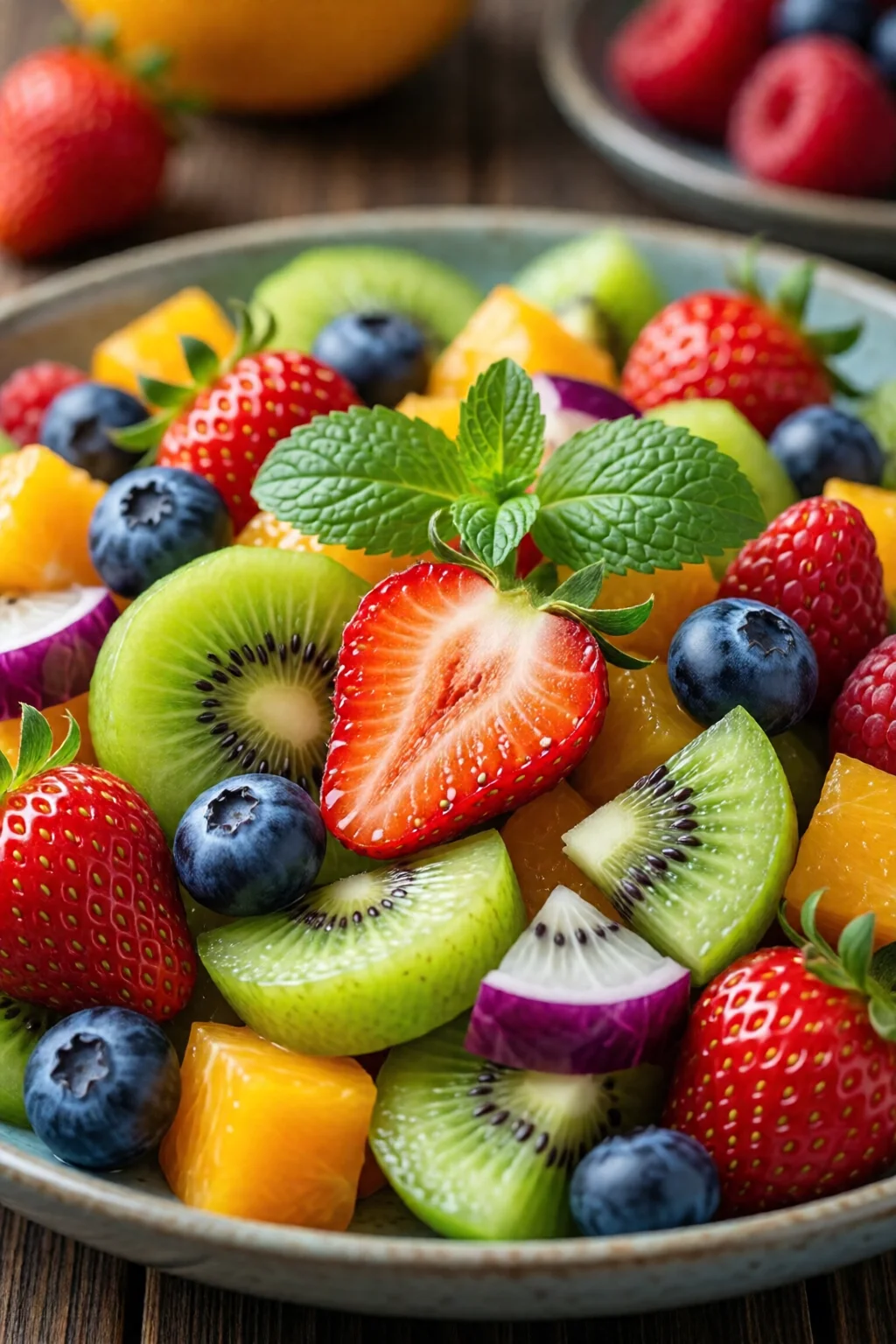
5. Watermelon‑Feta Light Medley (Mediterranean Twist)
Watermelon is 92 % water, making it the ultimate low‑calorie fruit. Paired with a sprinkle of feta and fresh basil, this salad feels indulgent without the guilt.
Ingredients (Serves 2)
- 2 cups (300 g) cubed seedless watermelon – 86 kcal
- ¼ cup (30 g) crumbled feta cheese (Feta Original – $3.49 per 8‑oz) – 80 kcal
- 2 Tbsp fresh basil, torn
- 1 tsp balsamic glaze (Monari’s, $4.99 per 250 ml) – 10 kcal
- Pinch of cracked black pepper
Directions
- Combine watermelon cubes and basil in a bowl.
- Scatter feta over the top.
- Drizzle with balsamic glaze and finish with pepper.
Nutrition & Cost
Calories per serving: 93 kcal. Sodium: 210 mg (from feta). Cost: roughly $2.00 per serving.
Pros & Cons
- Pros: Extremely refreshing, minimal prep, great for hot climates.
- Cons: Not suitable for vegans; substitute with tofu feta for a plant‑based version.
Rating
⭐️⭐️⭐️⭐️⭐️ (5/5) – Ideal for a post‑run snack.
6. Kiwi‑Ginger Metabolism Booster
Kiwi is a potassium powerhouse and contains actinidin, an enzyme that aids protein digestion. Adding a dash of fresh ginger gives a thermogenic kick that can slightly increase calorie burn.
Ingredients (Serves 2)
- 3 ripe kiwis, peeled and sliced – 108 kcal
- ½ cup (75 g) sliced strawberries – 24 kcal
- 1 tsp freshly grated ginger
- 1 Tbsp lime juice
- 1 tsp agave nectar (optional) – 20 kcal
- Mint leaves for garnish
Directions
- Arrange kiwi and strawberry slices in a shallow dish.
- Whisk ginger, lime juice, and agave together; drizzle over fruit.
- Garnish with mint and serve chilled.
Nutrition & Cost
Calories per serving: 77 kcal. Vitamin C: 230 % DV. Cost: about $1.70 per serving (kewpie kiwis $2.99 per lb).
Pros & Cons
- Pros: Digestive aid, bright flavor, low calorie.
- Cons: Ginger can be pungent; adjust to taste.
Rating
⭐️⭐️⭐️⭐️☆ (4/5) – Great for a morning metabolism boost.
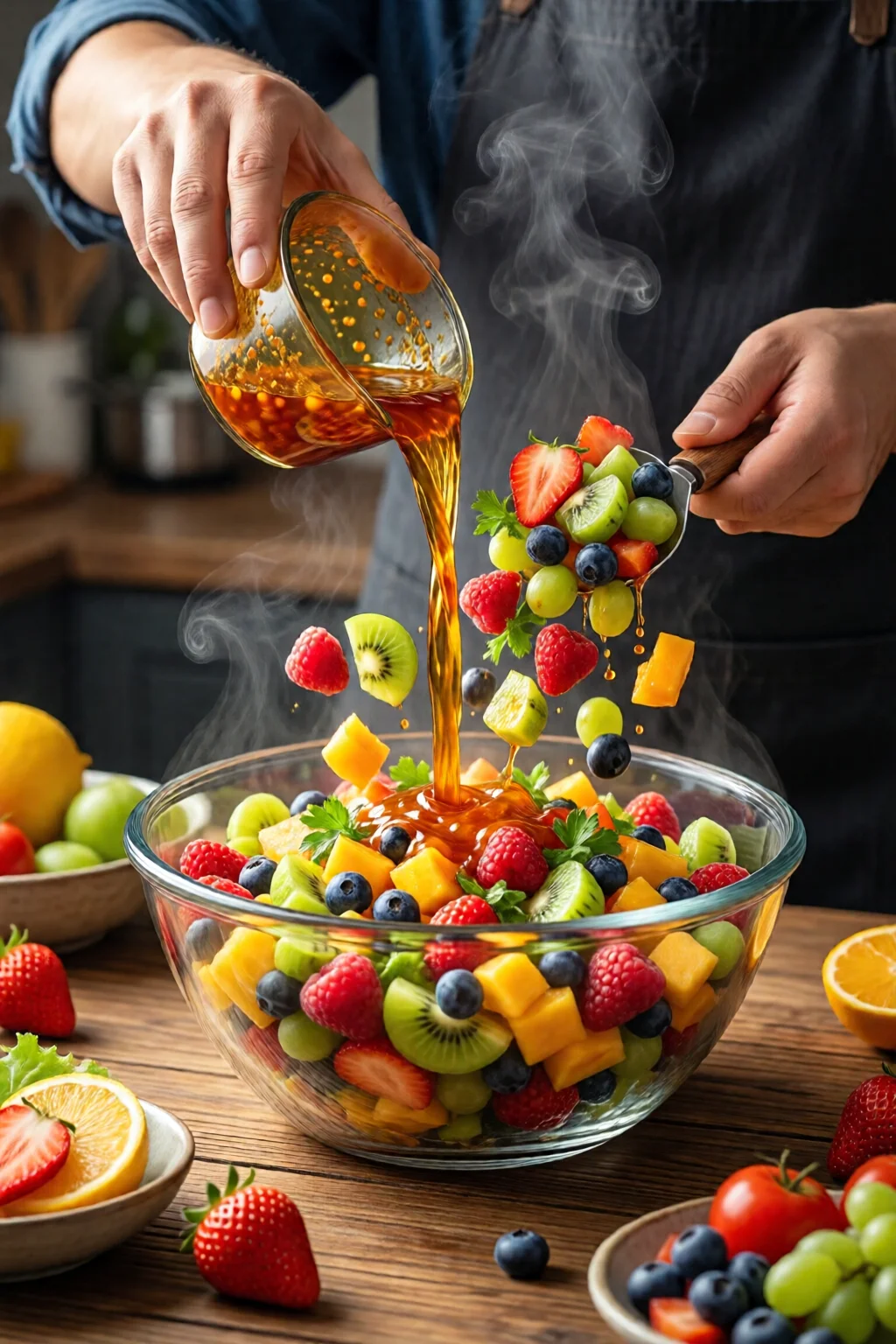
7. Pomegranate‑Quinoa Power Bowl (Hearty Version)
If you need a more filling fruit salad, toss cooked quinoa with pomegranate arils, sliced orange, and a light citrus vinaigrette. The grain adds complete protein, while pomegranate offers polyphenols that support fat oxidation.
Ingredients (Serves 2)
- ½ cup (85 g) cooked quinoa (Bob’s Red Mill, $4.99 per 16‑oz) – 111 kcal
- ¼ cup (40 g) pomegranate arils – 35 kcal
- ½ orange, segmented – 31 kcal
- 1 Tbsp chopped pistachios – 45 kcal
- 1 tsp olive oil
- 1 tsp lemon juice
- Pinch of sea salt & black pepper
Directions
- Cook quinoa according to package (usually 15 minutes); let cool.
- Combine quinoa, pomegranate, orange, and pistachios in a bowl.
- Whisk olive oil, lemon juice, salt, and pepper; drizzle over the mixture.
Nutrition & Cost
Calories per serving: 227 kcal. Protein: 7 g. Cost: about $2.80 per serving (pomegranate seeds $5.99 per 12‑oz container).
Pros & Cons
- Pros: Complete protein, sustained satiety, antioxidant‑rich.
- Cons: Higher calorie count; best as a lunch main rather than a side.
Rating
⭐️⭐️⭐️⭐️☆ (4/5) – Perfect for meal‑prep containers.
Quick Comparison of the Top Fruit Salad Recipes
| Recipe | Prep Time | Calories (per serving) | Key Protein Source | Cost per Serving | Rating |
|---|---|---|---|---|---|
| Citrus‑Mint Kale‑Boosted | 5 min | 84 kcal | Kale (0.5 g) | $1.90 | 4/5 |
| Berry‑Almond Crunch | 7 min | 84 kcal | Greek yogurt (5 g) | $2.20 | 5/5 |
| Tropical Pineapple‑Cucumber | 6 min | 98 kcal | Sesame oil (0.5 g) | $2.50 | 4/5 |
| Apple‑Walnut Cinnamon Slaw | 8 min | 139 kcal | Walnuts (4 g) | $1.80 | 4/5 |
| Watermelon‑Feta Light Medley | 4 min | 93 kcal | Feta (3 g) | $2.00 | 5/5 |
| Kiwi‑Ginger Metabolism Booster | 5 min | 77 kcal | Kiwi (1 g) | $1.70 | 4/5 |
| Pomegranate‑Quinoa Power Bowl | 20 min | 227 kcal | Quinoa (4 g) | $2.80 | 4/5 |
How to Customize Your Fruit Salad for Maximum Weight‑Loss Results
Even the best recipe can be tweaked to fit your specific goals. Below are three proven strategies:
- Boost Fiber: Add a tablespoon of chia seeds (≈ 60 kcal) or ground flaxseed (≈ 55 kcal) to any salad. Fiber slows glucose absorption, keeping insulin levels stable.
- Control Sugar Peaks: Pair high‑glycemic fruits (like mango) with a protein source such as cottage cheese or a scoop of whey isolate. This combo reduces the post‑meal blood‑sugar spike by up to 30 % (studies from Journal of Nutrition).
- Increase Satiety: Sprinkle a handful of nuts or seeds (15 g) for healthy fats that signal fullness to the brain. Keep portions to 1‑2 Tbsp to stay under 100 kcal.
For an extra calorie‑burning edge, try a quick hollow hold exercise or a few minutes of the dead bug workout right after you finish eating. The core activation helps improve digestion and supports a higher metabolic rate for the next hour.
Integrating Fruit Salads into a Balanced Weight‑Loss Plan
Fruit salads are not a magic bullet, but they excel as a low‑calorie, nutrient‑dense component of a calorie‑controlled diet. Pair them with lean proteins (chicken caesar salad healthy healthy weight loss recipe), whole grains, and regular strength training for the best results. Aim for a daily deficit of 500‑750 kcal, which typically yields a safe 1‑1.5 lb (0.5‑0.7 kg) loss per week.
Final Verdict
All seven fruit salad recipes deliver a blend of vitamins, fiber, and flavors that keep you satisfied while staying under 250 kcal per serving. If you need a quick snack, the Berry‑Almond Crunch or Watermelon‑Feta Light Medley are unbeatable. For a meal‑prep friendly option that keeps you full for hours, the Pomegranate‑Quinoa Power Bowl shines. Remember, the most effective salad is the one you’ll actually eat regularly—so pick a flavor profile you love, keep portions in check, and pair it with consistent exercise. Your waistline will thank you.
Can I make these fruit salads ahead of time?
Yes. Most salads keep well in airtight containers for 24‑48 hours. Add delicate greens (like mint) just before serving to preserve texture.
Are these recipes suitable for a vegan diet?
All except the feta and Greek yogurt versions can be vegan‑ified by swapping dairy with plant‑based alternatives such as coconut yogurt or tofu feta.
How many calories should I aim for in a fruit salad if I’m on a 1500‑kcal diet?
Aim for 150‑250 kcal per serving, which leaves room for protein and healthy fats in the rest of the meal.
What is the best way to store cut fruit to prevent browning?
Toss the fruit in a little lemon or lime juice and keep it in a sealed container. The citric acid slows oxidation.
Can I add protein powder to these salads?
Absolutely. A scoop of unflavored whey or plant protein (≈ 20 g protein, 80‑100 kcal) mixes well with yogurt‑based salads.
2 thoughts on “Fruit Salad Healthy Weight Loss Recipe: Complete Guide for 2026”