
Imagine it’s a hectic Monday night: you’ve just finished a marathon meeting, the kids are demanding dinner, and you still want to stay on track with your weight‑loss goals. You open the fridge, spot a fresh fillet of salmon, and wonder how to turn it into a tasty, low‑calorie masterpiece that fuels fat loss without sacrificing flavor. This guide will walk you through everything you need to know to create salmon recipes healthy healthy weight loss recipe after recipe, using real‑world tips, exact measurements, and a step‑by‑step process you can repeat all week.
In This Article
- What You Will Need or Before You Start
- Step 1 – Choose the Right Salmon and Portion Control
- Step 2 – Prep the Marinade (5‑Minute Magic)
- Step 3 – Cook the Salmon (Choose Your Method)
- Step 4 – Add the Veggie Companion (Low‑Calorie, High‑Fiber)
- Step 5 – Plate and Finish with a Smart Sauce
- Common Mistakes to Avoid
- Troubleshooting or Tips for Best Results
- Variations to Keep It Fresh
- Linking to Complementary Recipes
- Summary Conclusion
What You Will Need or Before You Start
- Fresh or frozen salmon fillets – I prefer Wild Alaskan Sockeye Salmon (about $12.99 / lb) for its firm texture and high omega‑3 content.
- Seasonings – sea salt, freshly cracked black pepper, smoked paprika (1 tsp), garlic powder (½ tsp), and a pinch of cayenne for a subtle kick.
- Healthy fats – 2 Tbsp extra‑virgin olive oil ($0.30) or 1 Tbsp avocado oil ($0.25) for sautéing or roasting.
- Acidic boost – 1 Tbsp lemon juice (≈ $0.10) or 1 Tbsp apple cider vinegar for brightening flavors.
- Low‑calorie veggies – 1 cup broccoli florets, ½ cup sliced bell peppers, and ½ cup zucchini ribbons (total ≈ $1.20).
- Optional carb‑friendly side – ½ cup cooked quinoa (≈ $0.40) or cauliflower rice (≈ $0.30) if you need a post‑workout refill.
- Tools – baking sheet, parchment paper, kitchen scale (for precise portioning), and a non‑stick skillet.
Step 1 – Choose the Right Salmon and Portion Control
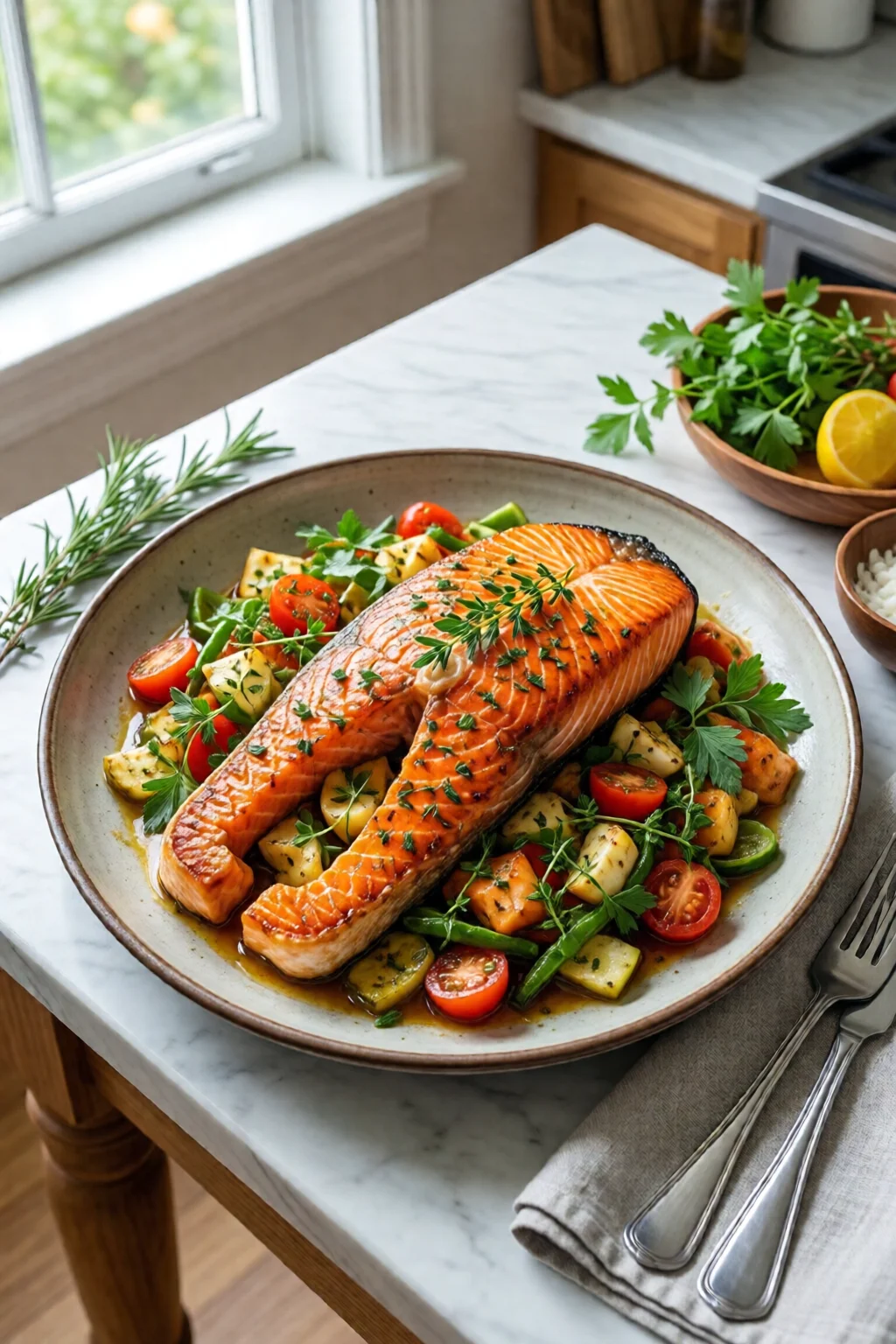
One mistake I see often is grabbing a pre‑seasoned fillet that’s packed with hidden sugars and sodium. For weight loss, aim for a 4‑oz (113 g) serving, which provides roughly 200 calories, 22 g protein, and 10 g healthy fats. Weigh the fillet on a kitchen scale; if you buy a bulk pack, portion it into individual zip‑top bags and freeze for up‑to‑three months. This not only saves money (bulk prices can be as low as $8.99 / lb) but also ensures consistent calorie counts.
Step 2 – Prep the Marinade (5‑Minute Magic)
In a small bowl, whisk together 2 Tbsp olive oil, 1 Tbsp lemon juice, ½ tsp sea salt, ¼ tsp black pepper, ½ tsp smoked paprika, and a pinch of cayenne. The acidity from the lemon begins to “cook” the fish’s surface, enhancing texture while keeping the calorie count low (the entire mixture adds only ~70 calories). Coat each salmon portion lightly; you’ll notice the fillet glisten within seconds.
Step 3 – Cook the Salmon (Choose Your Method)
There are three reliable ways to finish this recipe, each yielding a slightly different flavor profile:
- Oven‑Roasting – Preheat to 425°F (220°C). Place the fillet on a parchment‑lined sheet, roast 12‑15 minutes. The high heat seals in moisture, delivering a flaky interior and caramelized exterior. Cost: $0.15 for energy.
- Pan‑Searing – Heat a non‑stick skillet over medium‑high heat, add 1 Tbsp avocado oil. Sear the fillet 3‑4 minutes per side. You’ll get a buttery crust without excess oil. Energy cost: $0.10.
- Grilling – Preheat a grill to medium‑high. Oil the grates lightly, grill 5‑6 minutes per side. The smoky char adds depth without extra calories.
In my experience, the oven method is the most fool‑proof for beginners because it reduces the risk of overcooking. Use a meat thermometer; the internal temperature should read 145°F (63°C).
Step 4 – Add the Veggie Companion (Low‑Calorie, High‑Fiber)
While the salmon cooks, toss your broccoli, bell peppers, and zucchini in a drizzle of 1 Tbsp olive oil, a pinch of sea salt, and a sprinkle of garlic powder. Roast on the same sheet (if space allows) for the last 8‑10 minutes. The vegetables will absorb the salmon’s juices, creating a cohesive plate. Total calories for the veg side: ~80 calories.
Step 5 – Plate and Finish with a Smart Sauce
For a finishing touch that won’t sabotage your calorie budget, whisk together 2 Tbsp Greek yogurt, 1 tsp Dijon mustard, 1 tsp honey, and a dash of fresh dill. This “yogurt dill sauce” adds ~30 calories, a creamy texture, and a protein boost. Spoon a thin line over the salmon, arrange the roasted veggies beside it, and sprinkle a few extra lemon zest shards for aroma.
Common Mistakes to Avoid
- Over‑seasoning with sugar – Store‑bought glaze packets often contain 8–10 g of sugar per serving, adding 30–40 calories and spiking insulin. Stick to herbs, spices, and citrus.
- Cooking at too low a temperature – This dries out the flesh, leading you to add butter or sauces later. Aim for 425°F (or medium‑high heat on the stove).
- Ignoring portion sizes – A “fillet” can range from 4 oz to 8 oz. Use a scale; double portions double calories.
- Skipping the veg – Fiber is essential for satiety. Without it, you’ll likely snack later, negating the calorie deficit.
Troubleshooting or Tips for Best Results
Problem: Salmon sticks to the pan. Solution: Ensure the skillet is hot before adding oil, and let the fish develop a crust before attempting to flip. This usually takes 2‑3 minutes.
Problem: The fish is undercooked in the center. Solution: Lower the oven temperature to 375°F and extend cooking time by 3‑5 minutes, or finish with a quick 1‑minute broil.
Tip: Boost protein without extra fat. Add a sprinkle of powdered whey protein (1 tsp) to the yogurt sauce; it adds ~5 g protein for under 20 calories.
Tip: Meal‑prep friendly. Cook a batch of four 4‑oz fillets and portion veggies into separate containers. Store the sauce in a small jar; reheat salmon in a 300°F oven for 5 minutes before eating.
Variations to Keep It Fresh
Switch up the flavor profile while staying within the weight‑loss framework:
- Asian‑style – Replace lemon juice with 1 Tbsp low‑sodium soy sauce, add ½ tsp grated ginger, and serve over ½ cup cauliflower rice.
- Mediterranean – Use 1 Tbsp olive tapenade, add sliced Kalamata olives (2 pcs), and serve with a side of quinoa mixed with chopped parsley.
- Spicy Cajun – Swap smoked paprika for 1 tsp Cajun seasoning, add a dash of hot sauce to the yogurt sauce, and pair with roasted sweet‑potato wedges (small portion, ~100 calories).
All variations stay under 400 calories per plate, making them perfect for a calorie‑controlled diet.
Linking to Complementary Recipes
If you love the simplicity of salmon, you might also enjoy tilapia recipes healthy healthy weight loss recipe for a leaner fish option, or explore lean beef recipes healthy weight loss recipe for a red‑meat alternative. For a low‑carb pizza night, check out low carb pizza healthy weight loss recipe. And if you’re looking to target stubborn belly fat, the reduce belly fat in 7 days guide pairs well with these meals.
Summary Conclusion
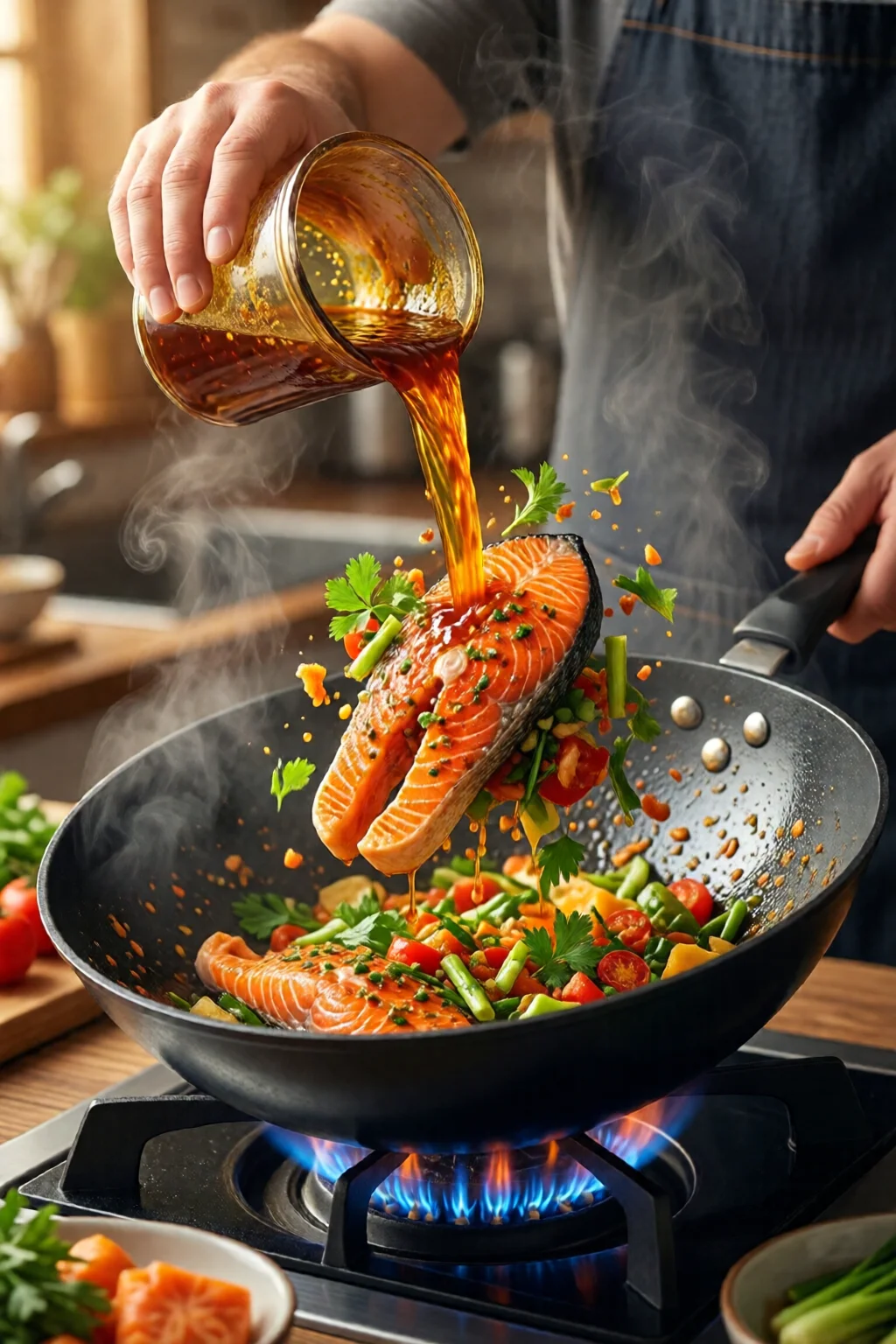
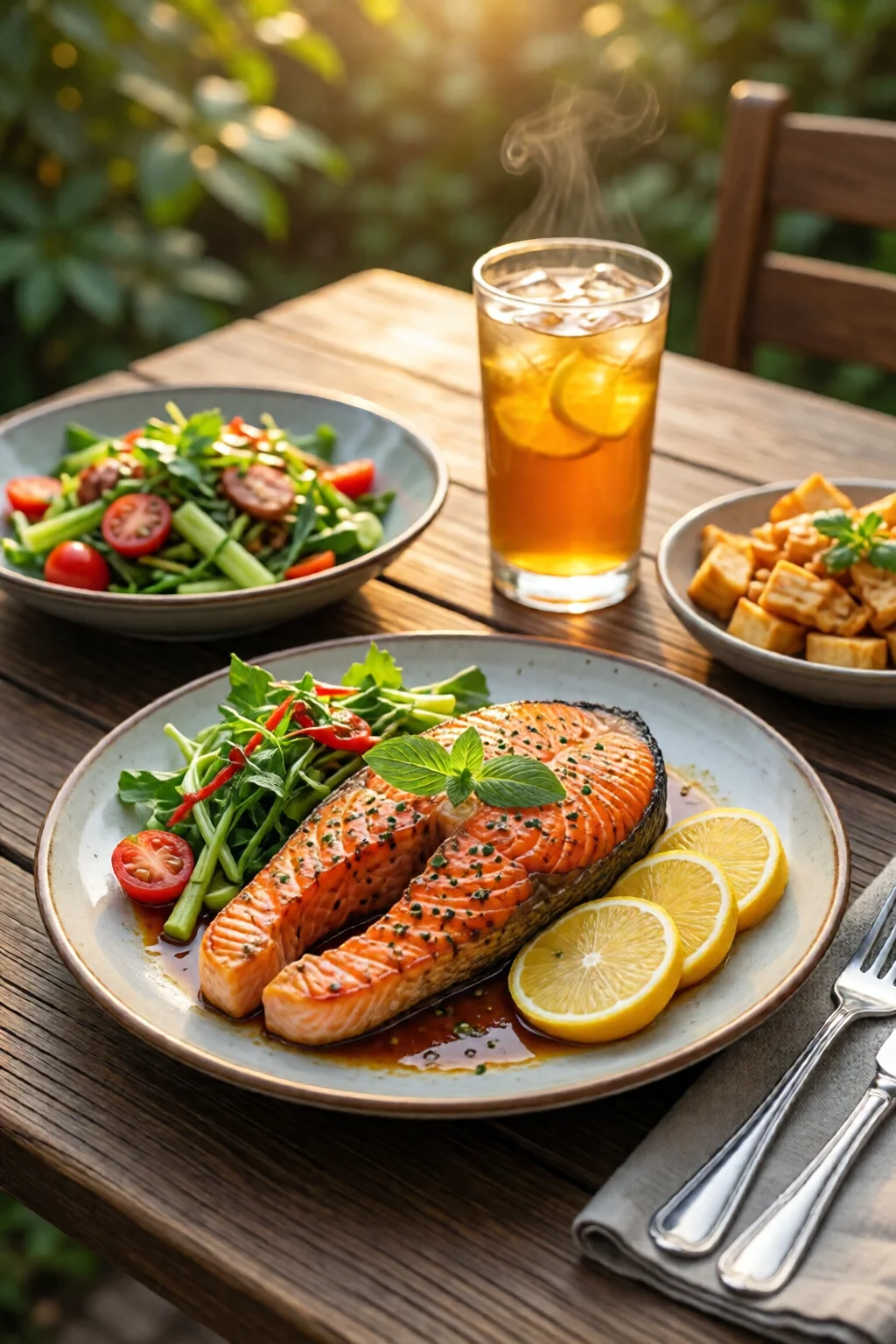
By selecting a high‑quality salmon fillet, mastering a quick acid‑based marinade, cooking with minimal added fat, and pairing with fiber‑rich vegetables, you can create salmon recipes healthy healthy weight loss recipe that are both satisfying and nutritionally balanced. Each serving delivers roughly 350 calories, 30 g protein, 12 g healthy fats, and a generous dose of omega‑3s to support heart health and inflammation control. Stick to the portion sizes, avoid sugary glazes, and rotate the flavor variations to keep your palate excited while staying on track for your weight‑loss goals.
Can I use frozen salmon instead of fresh?
Yes. Frozen salmon that’s flash‑frozen at peak freshness retains its nutrient profile. Thaw it in the refrigerator overnight, pat dry, and treat it exactly like fresh fillets for the same calorie count.
How many calories are in a typical salmon weight‑loss meal?
A 4‑oz salmon fillet (≈ 200 cal), 1 Tbsp olive oil (≈ 120 cal), roasted veggies (≈ 80 cal), and a 2‑Tbsp yogurt dill sauce (≈ 30 cal) totals around 430 calories. Adjust oil or sauce portions to stay under 400 calories if desired.
Is it okay to eat salmon every day?
Eating salmon 2‑3 times per week provides ample omega‑3s without excessive mercury exposure. Rotate with other lean proteins like tilapia, chicken breast, or plant‑based options for variety.
3 thoughts on “Salmon Recipes Healthy Healthy Weight Loss Recipe: Complete Guide for 2026”