
Ever wonder why your core still feels weak after countless planks, crunches, and even that pricey ab‑wheel you bought on sale?
In This Article
What You Will Need (or Before You Start)
Before you dive into the dead bug exercise, gather a few simple items so you can focus on form, not on hunting for equipment.
- Exercise mat: A high‑density mat like the Manduka PRO Yoga Mat (≈ $120, 72 × 24 in) provides cushioning for your lower back and shoulders.
- Timer or stopwatch: Your phone works, but a dedicated gym timer (e.g., Ultrahuman, $19) lets you track 30‑second holds and rest intervals precisely.
- Optional resistance: Light dumbbells (2–5 lb), a medicine ball (≈ 4 lb), or a resistance band (light to medium, 15–30 lb tension) for progression.
- Space: A clear area about 3 ft by 3 ft. The mat should be flat, not on carpet or uneven flooring.
Having these basics ready means you won’t have to pause mid‑workout to search for a towel or adjust a wobbling chair.

Step 1: Set Up Your Space and Position
1. Lie flat on your back with your spine in a neutral position—no excessive arch or flattening. Your head, shoulders, and buttocks stay in contact with the mat.
2. Raise both arms straight toward the ceiling, palms facing each other. This creates a “T” shape that will help you gauge arm alignment throughout the move.
3. Bend your knees to 90°, shins parallel to the floor. Your hips should form a right angle, a position often called “tabletop.”
4. Engage your core by gently pulling your belly button toward your spine. Imagine you’re trying to prevent your lower back from sinking into the mat.
5. Take a quick breath in, then exhale as you prepare for the first rep. This breathing cue activates the transverse abdominis, the deep muscle that stabilizes the pelvis.
Step 2: Master the Basic Dead Bug
1. Extend opposite limbs: Slowly lower your right arm behind your head while simultaneously extending your left leg toward the floor, keeping both a few inches above the mat.
2. Maintain stability: Your lower back must stay glued to the mat. If you feel any arching, stop, reset, and engage your core a bit more.
3. Return to start: Bring the arm and leg back to the tabletop position, inhale, then repeat on the opposite side (left arm/right leg).
4. Repetition scheme: Aim for 2 sets of 8–10 reps per side. For beginners, 30 seconds per side is a solid benchmark; advanced lifters can target 45–60 seconds.
In my experience, the first three sessions feel like a “learning curve” because you’re training neuromuscular coordination, not just strength.
Step 3: Add Resistance for Progression
Once you can perform the basic dead bug with perfect form for three consecutive sets, it’s time to increase the load.
- Dumbbells: Hold a 3‑lb dumbbell in each hand. Keep the weight close to the chest as you lower the arm, preventing shoulder strain.
- Medicine ball: Grasp a 4‑lb medicine ball with both hands. The added mass forces the core to work harder to keep the spine stable.
- Resistance band: Loop a light band around the soles of your feet and hold the ends in your hands. As you extend the leg, the band provides constant tension.
Progression example: Week 1–2 – bodyweight (2 sets × 10 reps); Week 3–4 – 3‑lb dumbbells (3 sets × 8 reps); Week 5–6 – 5‑lb dumbbells or a 6‑lb band (3 sets × 6 reps). Track your reps in a notebook; you’ll see a clear upward trend.
Step 4: Incorporate Variations for Challenge
When the standard dead bug feels routine, mix in these variations to hit the obliques, hip flexors, and even the upper back.
Dead Bug with Hip Abduction
After extending the left leg, keep it lifted and slowly move it outward (like a small circle) before returning to the tabletop. This adds glute activation.
Dead Bug with Scapular Retraction
Pull your shoulder blades together as you lower the opposite arm. This engages the rhomboids and improves posture.
Weighted Dead Bug on a Stability Ball
Place your lower back on a Gaiam Balance Ball (≈ $30, 55 cm diameter). The unstable surface forces the core to recruit more fibers. Start with bodyweight only; the ball is already challenging.
Try at least one variation per workout for 4‑6 weeks, then rotate back to the classic version to consolidate gains.
Common Mistakes to Avoid
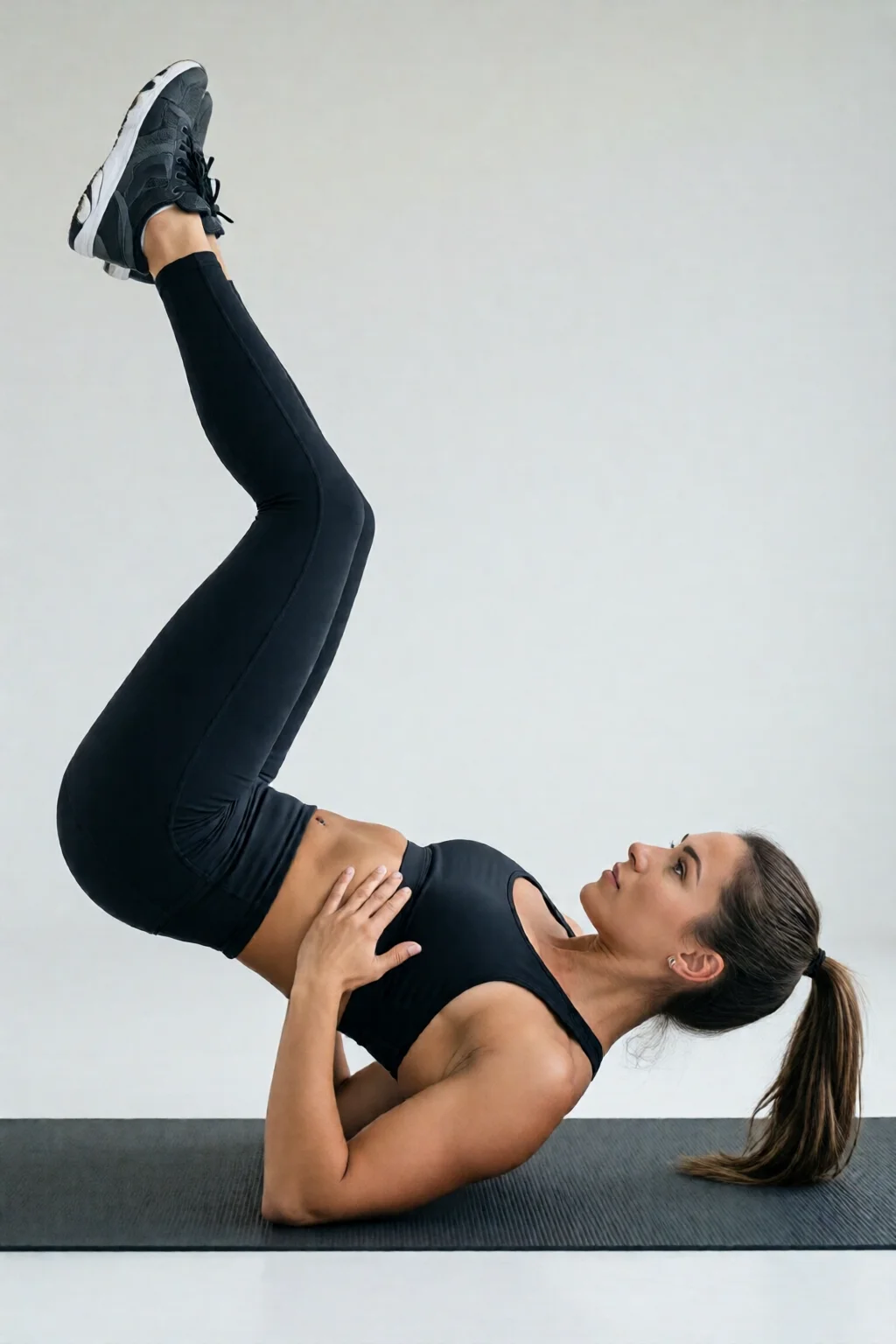
- Letting the lower back arch: This defeats the purpose of the exercise and can lead to lumbar strain. Use a small pillow under the lower back if you’re new to the movement.
- Moving too fast: Speed compromises stability. Aim for a 2‑second descent and a 2‑second return.
- Holding the breath: Proper breathing keeps intra‑abdominal pressure optimal. Inhale during the reset, exhale while extending.
- Dropping the heel: The moving leg should stay in a neutral ankle position; a heel that slaps the floor indicates loss of core control.
- Using momentum: Swinging the arm or leg to “catch” the position is a red flag. Slow and controlled beats a sloppy, fast rep every time.
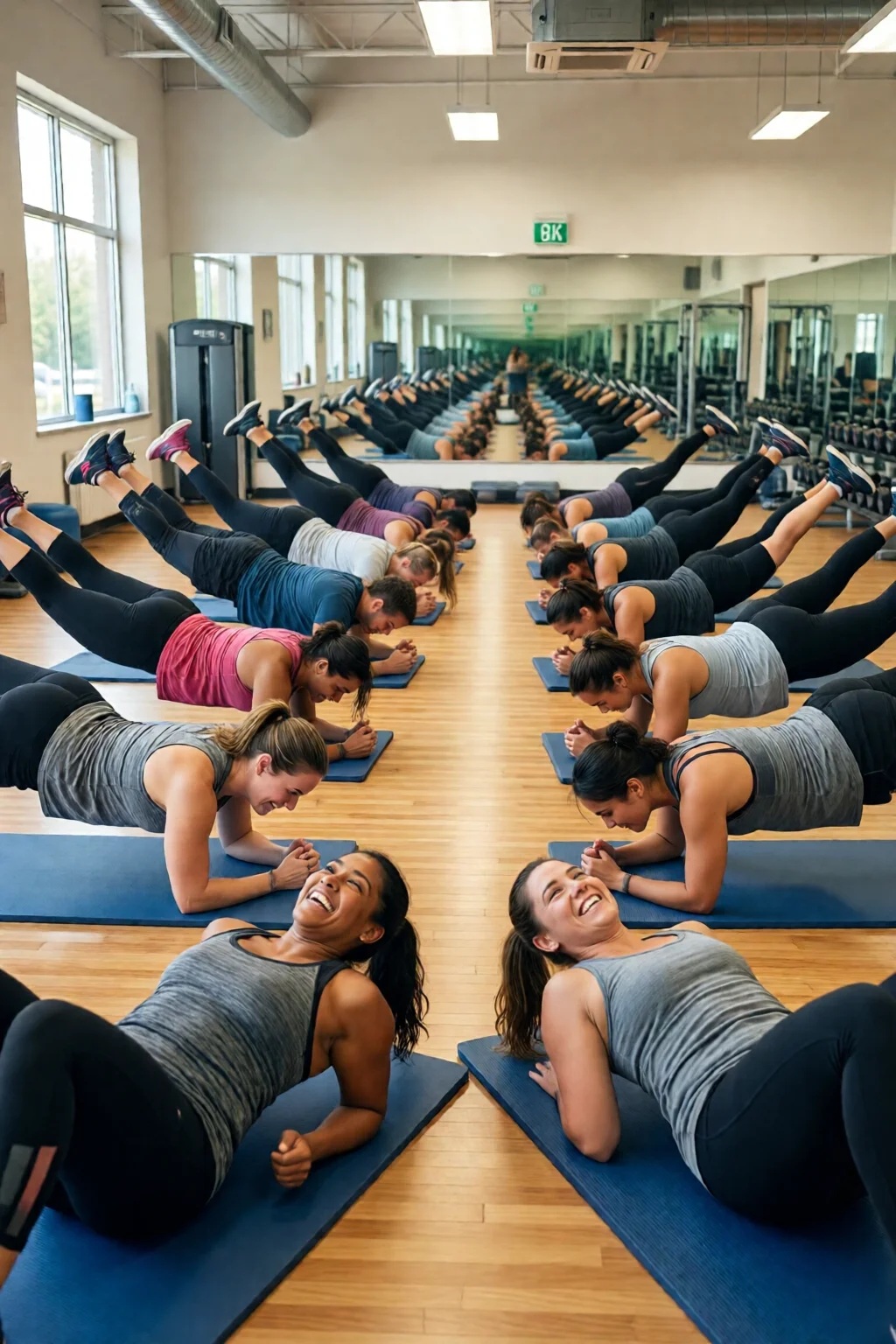
One mistake I see often in group classes is participants “cheat” by pulling the non‑moving arm in toward the chest to offset the wobble. It’s tempting, but it reduces the core challenge dramatically.
Troubleshooting and Tips for Best Results
Tip 1 – Use a visual cue: Place a small towel or yoga block under your lower back. If it lifts during a rep, you need to tighten your core.
Tip 2 – Integrate into a full body workout at home: Pair the dead bug with squats, push‑ups, and rows for a balanced routine that hits all major muscle groups in under 30 minutes.
Tip 3 – Schedule it smartly: Perform the dead bug on days you train core or after a cardio session when the muscles are warmed up. Doing it cold can make it feel harder than it is.
Tip 4 – Track progress: Write down the number of reps, the weight used, and how many seconds you kept your lower back flat. After four weeks, you’ll likely see a 15‑20% improvement in stability tests like the plank hold.
Tip 5 – Pair with mobility work: Hip flexor stretches (e.g., couch stretch for 30 seconds each side) and thoracic spine rotations (2 sets × 8 each side) improve the range of motion, allowing deeper extensions without compensations.
If you find the exercise too easy after a month, it’s a sign you’re ready for the weighted stability‑ball version. Conversely, if you’re consistently arching, drop back to bodyweight and focus on diaphragmatic breathing.

Summary / Conclusion
The dead bug exercise is a deceptively simple movement that builds the core muscles you need for stronger lifts, better posture, and a healthier lower back. By setting up a comfortable space, mastering the basic pattern, adding resistance, and experimenting with variations, you can keep the stimulus fresh for months.
Remember: quality beats quantity every time. A perfectly executed set of 10 reps with a 3‑lb dumbbell is far more beneficial than 30 sloppy reps with no weight.
Start with the steps outlined above, avoid the common pitfalls, and use the troubleshooting tips to fine‑tune your form. Within six weeks you should notice less lower‑back fatigue during daily activities and a more stable foundation for advanced lifts like deadlifts and overhead presses.

How many sets and reps should I do for beginners?
Start with 2 sets of 8–10 reps per side, focusing on perfect form. Once you can complete all reps without arching your back, add a third set or increase the weight.
Can I do the dead bug if I have lower‑back pain?
Yes, but begin on a firmer surface and keep the range of motion shallow. Use a pillow under the lumbar region to maintain contact and stop if you feel sharp pain.
What’s the best progression after mastering the basic dead bug?
Add light dumbbells (3–5 lb), a medicine ball, or a resistance band. After that, try the stability‑ball version or incorporate hip‑abduction and scapular‑retraction variations.
How does the dead bug compare to planks for core strength?
Planks are great for static endurance, while the dead bug emphasizes coordinated, dynamic stability and targets the deep transverse abdominis more effectively. Using both in a program yields balanced core development.
Can I combine the dead bug with other core exercises in a single session?
Absolutely. Pair it with side planks, bird‑dogs, and anti‑rotation pallof presses for a comprehensive core circuit lasting 15‑20 minutes.
6 thoughts on “Best Dead Bug Exercise Ideas That Actually Work”