
Did you know a single medium Fuyu persimmon packs only about 70 calories while delivering 6 grams of fiber? That calorie‑to‑fiber ratio makes this orange‑gold fruit a secret weapon for anyone watching their intake.
In This Article
- 1. Fresh Fuyu Persimmon – The Low‑Calorie Crunch
- 2. Hachiya Persimmon – Sweet, Soft, and Calorie‑Rich for Desserts
- 3. Dried Persimmon – Portable Energy with a Calorie Caveat
- 4. Persimmon Powder – A Low‑Calorie Flavor Booster
- 5. Persimmon‑Infused Water – Zero‑Calorie Hydration Hack
- Quick Comparison of Persimmon Options
- How Persimmon Calories Fit Into a Balanced Diet
- Integrating Persimmon into Your Workout Nutrition
- Shopping Tips & Budget Hacks
- One Mistake I See Often
- Final Verdict
Whether you’re counting every bite for a cutting phase, looking for a natural sweet snack, or just curious about the nutritional profile, understanding persimmon calories is the first step to making it work for you. Below, I break down the numbers, compare popular varieties, and give you actionable ways to incorporate persimmons without derailing your goals.
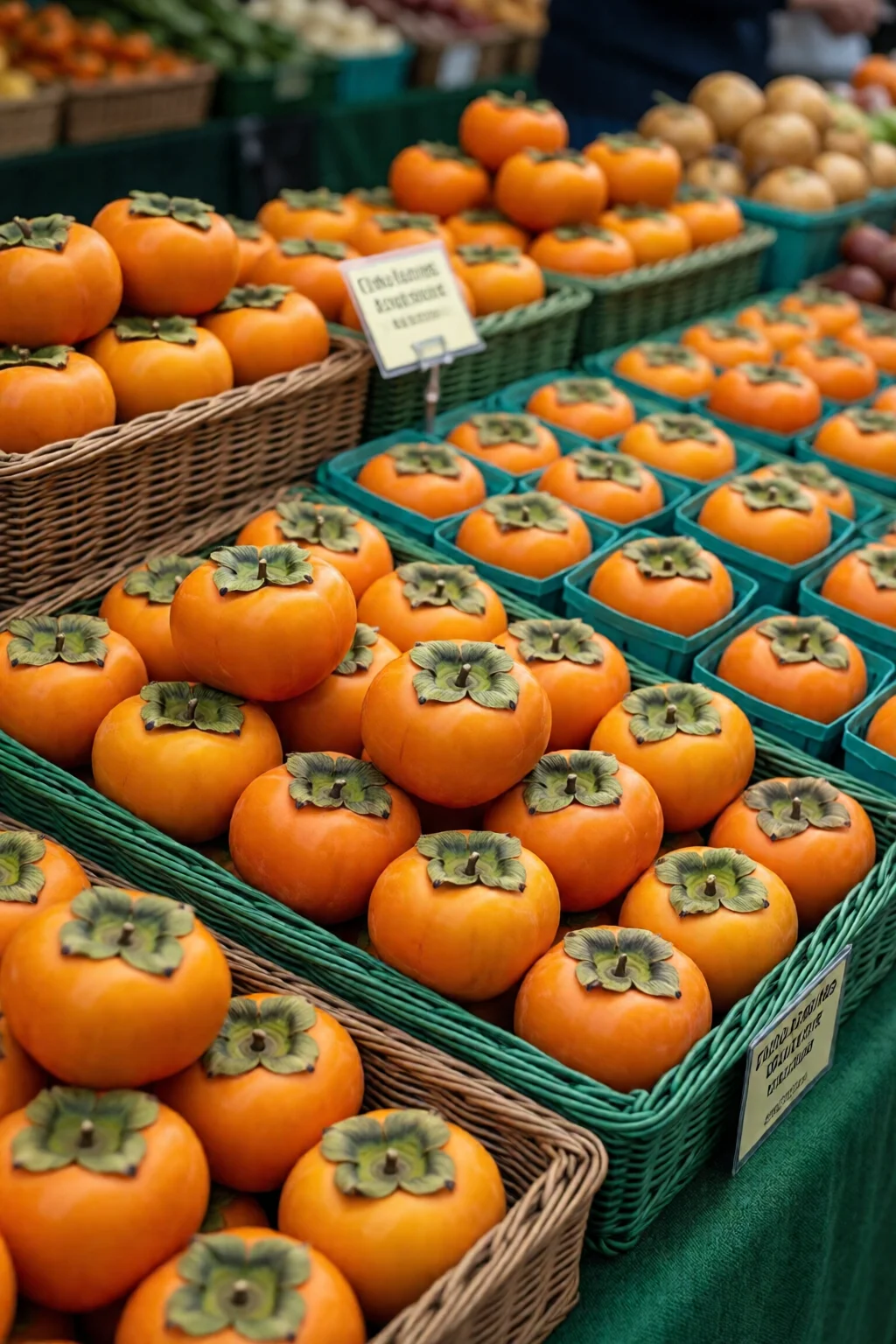
1. Fresh Fuyu Persimmon – The Low‑Calorie Crunch
The Fuyu persimmon, often called the “apple persimmon,” is the most common fresh variety in U.S. supermarkets. A 100‑gram serving (about one medium fruit) contains 70 calories, 3 g protein, 0.2 g fat, and 18 g carbs – of which 6 g are fiber.
Pros
- Low calorie density – you can eat a whole fruit and stay under 100 calories.
- Crunchy texture works well in salads, giving volume without extra dressing.
- High in vitamin A (beta‑carotene) and potassium.
Cons
- Seasonal – peak from September to December.
- Can become overly soft if over‑ripe, which some people dislike.
How I use it: I slice two Fuyu persimmons into a mixed greens salad, drizzle with a tablespoon of balsamic vinaigrette (≈15 calories), and add 30 g of toasted pumpkin seeds (≈170 calories). The whole meal stays under 300 calories while feeling like a feast.
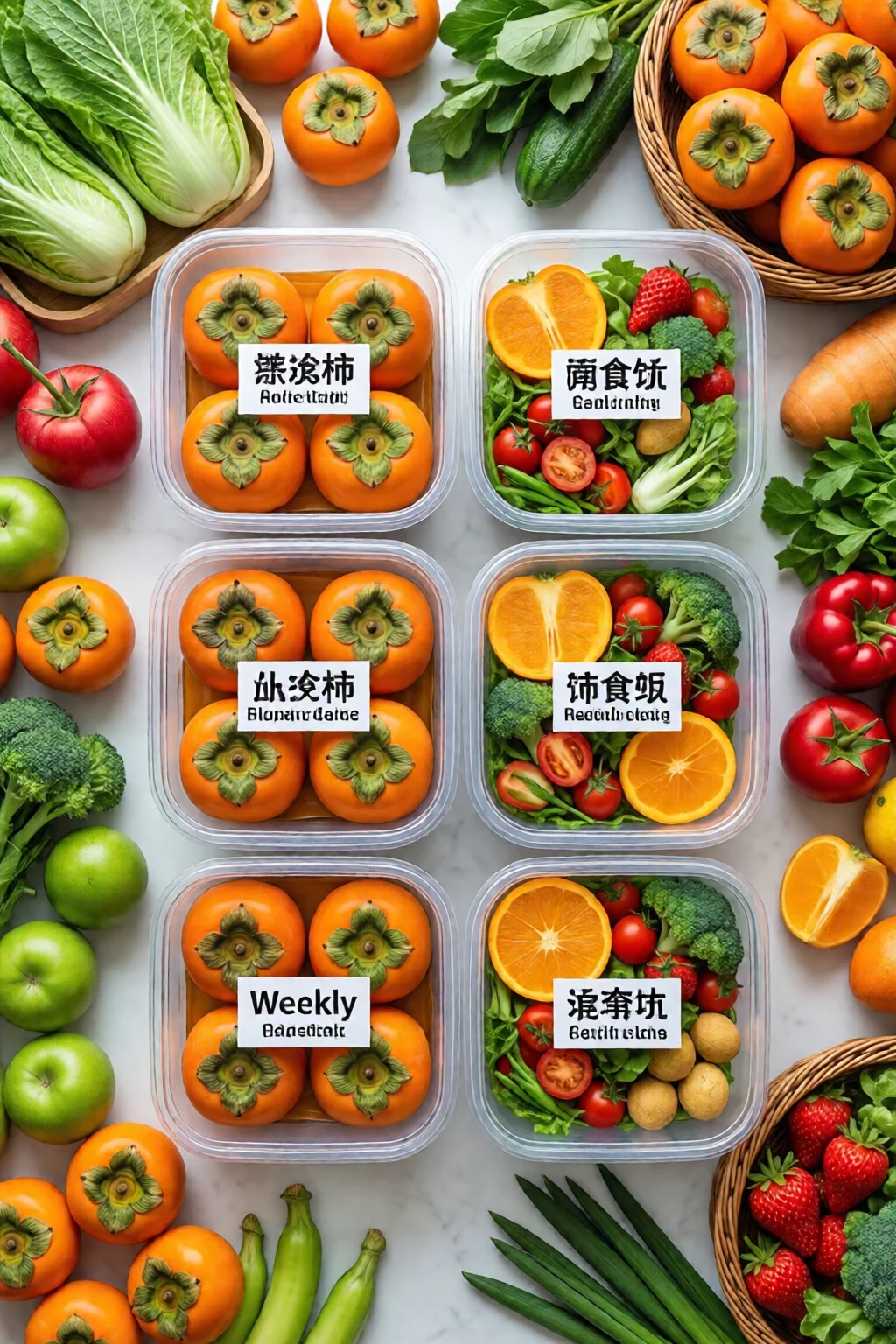
2. Hachiya Persimmon – Sweet, Soft, and Calorie‑Rich for Desserts
Hachiya persimmons are the “soft” variety that turn jelly‑like when fully ripe. A 100‑gram serving of ripe Hachiya has about 81 calories**, 0.5 g protein, 0.3 g fat, and 21 g carbs, with 3 g fiber.
Pros
- Natural sweetness – you can replace added sugar in recipes.
- Great for smoothies, puddings, and baked goods.
- Higher antioxidant content than Fuyu.
Cons
- Higher sugar load – not ideal for strict low‑carb plans.
- Texture can be messy if not fully ripe.
Actionable tip: Blend one ripe Hachiya (≈81 cal) with 200 ml unsweetened almond milk (≈30 cal) and a scoop of vanilla whey protein (≈110 cal). You get a 221‑calorie post‑workout shake loaded with potassium and vitamin C.
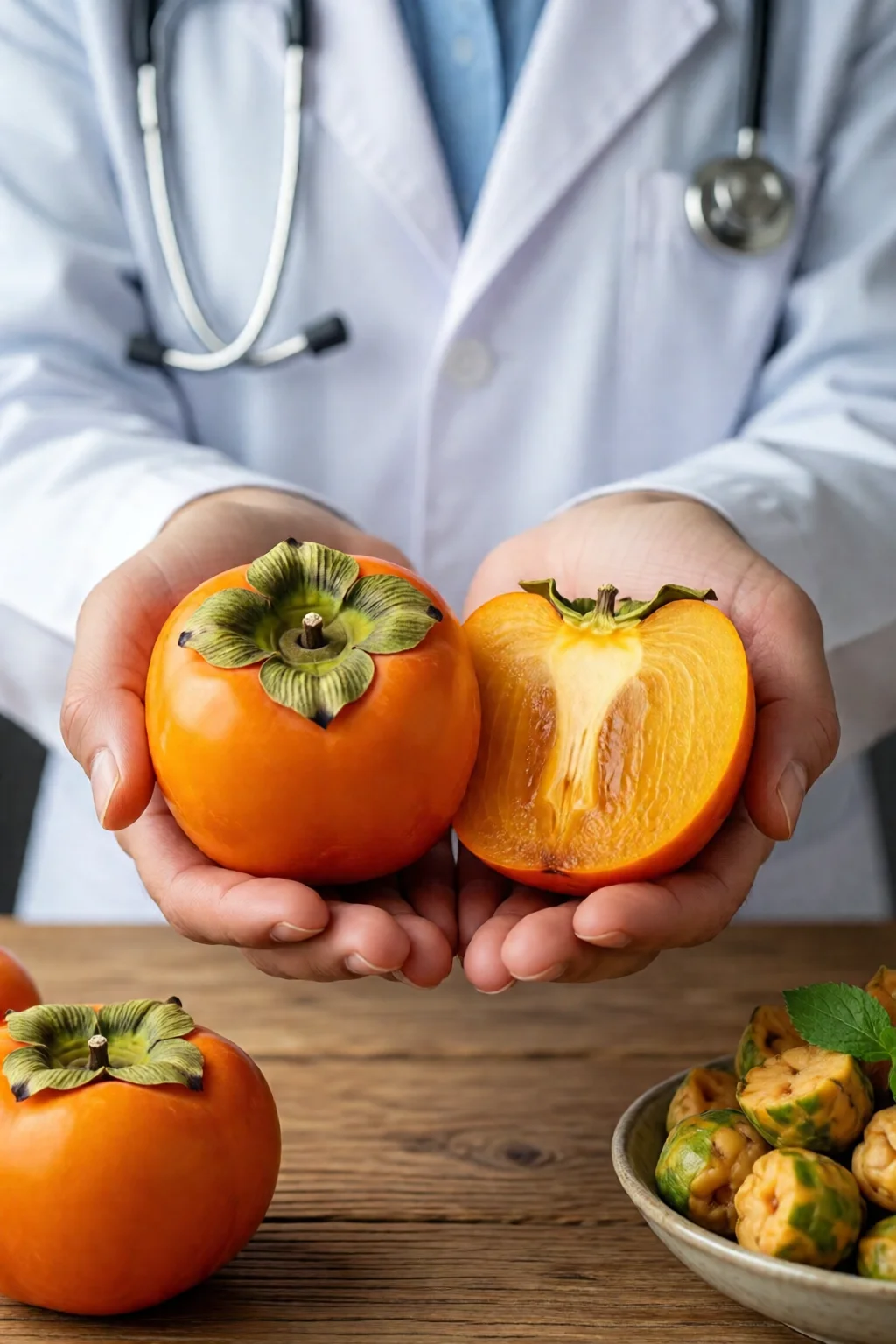
3. Dried Persimmon – Portable Energy with a Calorie Caveat
Commercially dried persimmons (e.g., Sun-Maid Dried Persimmon Slices) contain roughly 260 calories per 40‑gram pack. The drying process concentrates sugars, boosting carbs to 65 g and fiber to 8 g.
Pros
- Long shelf life – perfect for on‑the‑go snacking.
- Intense flavor – a little goes a long way.
- Rich in iron and calcium.
Cons
- High calorie density – easy to over‑eat.
- Added sulfites in some brands; check labels.
My go‑to portion: I measure out 15 g (≈100 calories) and pair it with a 20‑g handful of raw almonds (≈115 cal). Together, they make a 215‑calorie snack that balances carbs, protein, and healthy fats.

4. Persimmon Powder – A Low‑Calorie Flavor Booster
Persimmon powder (e.g., Kagoshima Persimmon Powder, $12.99 for 100 g) delivers about 340 calories per 100 g**, but you typically use it in teaspoons. One teaspoon (≈2 g) adds only 7 calories while giving a burst of sweet‑tart flavor.
Pros
- Zero added sugar – perfect for keto or low‑carb diets.
- Convenient for smoothies, yogurt, or oatmeal.
- Long shelf life when stored airtight.
Cons
- Cost per serving is higher than fresh fruit.
- Flavor can be subtle; may need more than a teaspoon.
How to incorporate: Stir 1 tsp into a 150‑ml cup of Greek yogurt (≈80 cal) and a drizzle of honey (≈20 cal). The total snack is under 110 calories with a hint of persimmon sweetness.
5. Persimmon‑Infused Water – Zero‑Calorie Hydration Hack
Simply add thin slices of a fresh Fuyu persimmon to a pitcher of water. The infusion imparts a subtle flavor without adding measurable calories – essentially 0 calories per serving.
Pros
- Helps increase water intake – essential for weight loss.
- No sugar spike.
- Visually appealing, encouraging you to drink more.
Cons
- Flavor is mild; may require a few slices for noticeable taste.
- Needs refrigeration for best results.
Pro tip: Combine persimmon slices with a few mint leaves and a splash of lemon juice. You’ll get a refreshing drink that keeps you full on fewer calories, especially useful during a how to track calories complete guide 2026 2 phase.
Quick Comparison of Persimmon Options
| Product | Serving Size | Calories | Carbs (g) | Fiber (g) | Price (USD) | Best Use |
|---|---|---|---|---|---|---|
| Fresh Fuyu | 1 medium (100 g) | 70 | 18 | 6 | $0.80 | Salads, snacks |
| Fresh Hachiya | 1 medium (100 g) | 81 | 21 | 3 | $0.85 | Smoothies, desserts |
| Dried Persimmon Slices (Sun‑Maid) | 40 g pack | 260 | 65 | 8 | $4.99 | On‑the‑go snack |
| Persimmon Powder (Kagoshima) | 1 tsp (2 g) | 7 | 2 | 0.3 | $12.99/100 g | Yogurt, smoothies |
| Persimmon‑Infused Water | 1 pitcher (1 L) | 0 | 0 | 0 | Negligible | Hydration |
How Persimmon Calories Fit Into a Balanced Diet
Most weight‑loss plans allocate roughly 45‑55 % of daily calories to carbs. A 2,000‑calorie diet therefore allows 225‑275 g of carbs per day. One medium Fuyu (18 g carbs) occupies just 8‑10 % of that allotment, leaving plenty of room for other nutrient‑dense foods.
If you’re on a calories in an orange or calories in sweet potato comparison, persimmon sits in the middle – more carbs than an orange (≈12 g) but far fewer than a sweet potato (≈20 g) per similar weight.
For keto enthusiasts, the Hachiya’s higher sugar means it’s best limited to ≤30 g net carbs per day. In that case, the powdered form is a smarter choice: you get flavor without the carb surge.
Integrating Persimmon into Your Workout Nutrition
Carbohydrates are crucial pre‑ and post‑exercise. A 30‑minute run burns roughly 300 calories, and a small snack of 70 calories (one Fuyu) can replenish glycogen without excess calories.
Combine persimmon with protein for optimal recovery. My favorite post‑workout bowl: 150 g Greek yogurt (≈120 cal), one sliced Fuyu (70 cal), a teaspoon of persimmon powder (7 cal), and a drizzle of honey (20 cal). Total: 217 calories with a 3:1 carb‑to‑protein ratio, ideal for muscle repair.
Shopping Tips & Budget Hacks
- Buy in season. September‑December sees price drops to $0.60–$0.80 per fruit at farmers’ markets.
- Bulk dried packs. Purchasing a 1‑kg bag of dried persimmon (≈$25) reduces per‑serving cost to $0.65 for a 15‑g snack.
- Check for sulfite‑free. If you’re sensitive, look for “no added sulfites” labeling.
- Store properly. Fresh persimmons keep 5‑7 days at 4 °C; freeze sliced Hachiya for smoothies to avoid waste.
One Mistake I See Often
People assume “fruit = low‑calorie” and over‑eat. Even at 70 calories, three Fuyus would add 210 calories – a hidden extra that can stall a deficit. Portion control is key: one fruit per snack, or half a fruit mixed into a larger meal.
Final Verdict
Persimmon calories are modest, especially in the crisp Fuyu variety, making the fruit a versatile ally for weight loss, athletic performance, and everyday nutrition. Whether you choose fresh, dried, powdered, or infused water, each form offers unique benefits. By tracking portions and pairing persimmons with protein or healthy fats, you can enjoy their sweet flavor without compromising your calorie goals.
How many calories are in a medium persimmon?
A medium Fuyu persimmon (about 100 g) contains roughly 70 calories, while a ripe Hachiya of the same weight has about 81 calories.
Can persimmon be part of a keto diet?
Yes, but stick to low‑carb options like persimmon powder or limit fresh Hachiya to a small serving (≤30 g net carbs per day) to stay within keto guidelines.
What’s the best way to store fresh persimmons?
Keep them in the refrigerator’s crisper drawer at 4 °C. They’ll stay fresh for 5‑7 days. If you have ripe Hachiya, freeze the flesh for smoothies.
Are dried persimmons a healthy snack?
Dried persimmons are nutrient‑dense but calorie‑dense. A 15‑g portion (≈100 calories) paired with protein or nuts makes a balanced snack.
How can I use persimmon in my post‑workout meals?
Blend a ripe Hachiya with Greek yogurt, a scoop of whey protein, and a teaspoon of persimmon powder. This gives ~220 calories, a 3:1 carb‑to‑protein ratio, and rapid glycogen replenishment.
2 thoughts on “How to Persimmon Calories (Expert Tips)”