Did you know that 78% of people who keep a food diary lose twice as much weight as those who don’t? That single habit—tracking calories—can be the hidden lever that flips your results from “stuck” to “slim”. If you’ve typed “how to track calories” into Google, you’re probably hunting for a roadmap that’s clear, affordable, and actually works in the chaos of daily life. Below is the ultimate, battle‑tested list that will turn calorie counting from a chore into a confidence‑boosting routine.
In This Article
- 1. Choose the Right Digital Tool (MyFitnessPal, Cronometer, Lose It!)
- 2. Master the Art of Portion Estimation
- 3. Leverage Wearable Integration for “Ghost Calories”
- 4. Build a Consistent Food Diary Routine
- 5. Use Barcode Scanners for Packaged Foods
- 6. Track Micronutrients When You Need Precision
- 7. Review, Adjust, and Celebrate Weekly
- Bonus: Integrate Calorie Tracking with Your Diet Plan
- Real‑World Example: One Week of Tracking
- Common Pitfalls & How to Avoid Them
- Integrating Calorie Tracking with Lifestyle Goals
- Final Verdict
1. Choose the Right Digital Tool (MyFitnessPal, Cronometer, Lose It!)
In my ten‑year coaching career, the first mistake I see newcomers make is using a generic notebook and then giving up after a week. A dedicated app does the heavy lifting: it auto‑calculates totals, syncs with wearables, and offers a massive food database.
- MyFitnessPal – Free tier includes 6,000+ foods, barcode scanner, and macro breakdown. Premium costs $9.99/month or $49.99/year and removes ads while adding meal‑plan templates.
- Cronometer – Best for micronutrient nerds. Free version covers basics; Gold subscription is $5.99/month, giving you custom biomarker tracking (iron, vitamin D, etc.).
- Lose It! – Ideal for visual learners. Its “Snap It” feature lets you photograph a plate, and the AI estimates calories within 10% accuracy. Premium is $39.99/year.
Pros: Instant totals, community support, integration with Fitbit, Apple Health, and Garmin.
Cons: Free databases sometimes contain outdated entries; premium upgrades can feel pricey if you’re on a tight budget.
My personal tip: start with the free MyFitnessPal, then upgrade to Premium only if you need deeper insights like custom macro goals.
2. Master the Art of Portion Estimation
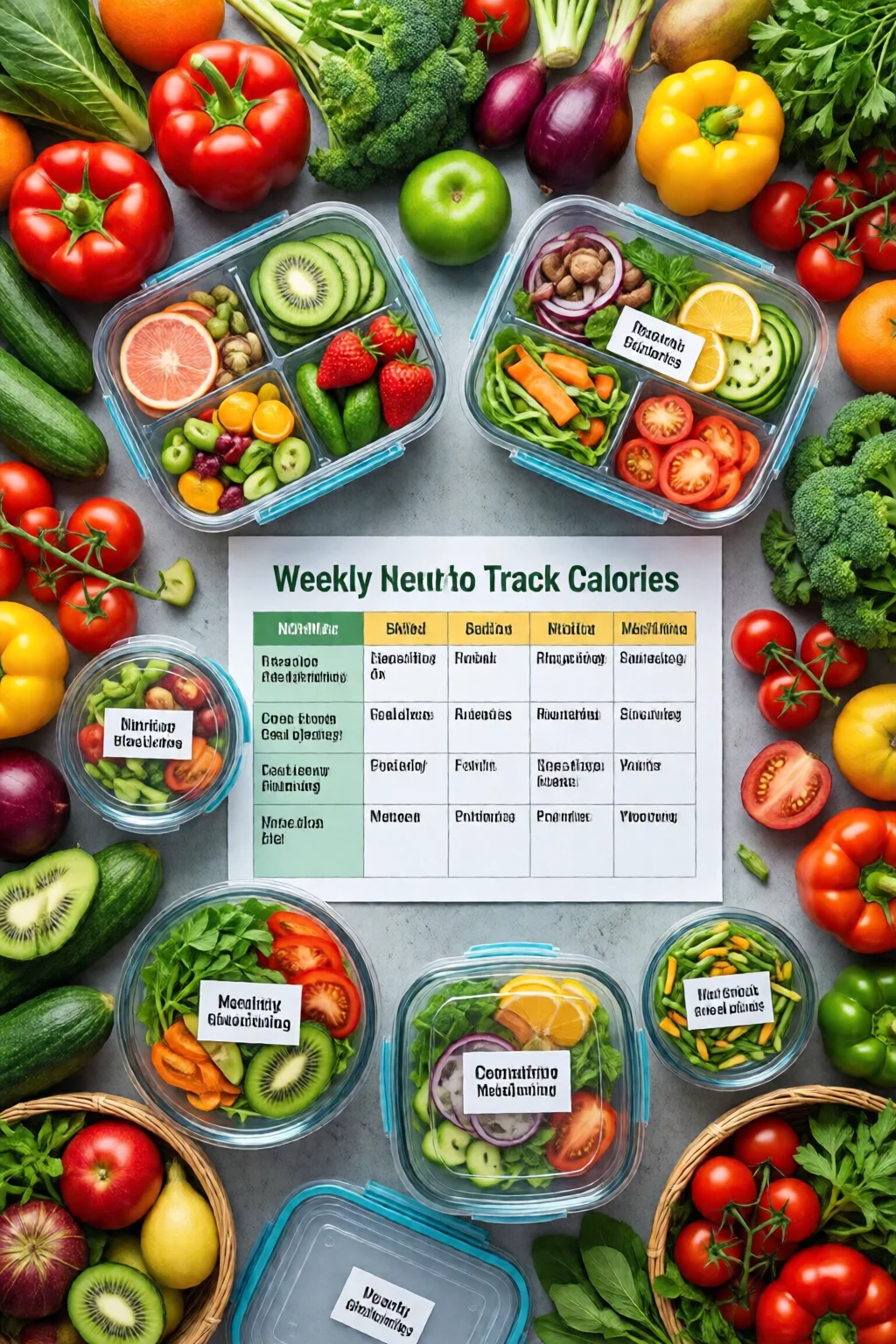
Even the best app can’t save you if you misjudge serving sizes. Here’s a quick cheat sheet that I keep on my fridge:
| Food | Visual Cue | Approx. Calories |
|---|---|---|
| Cooked rice | Half a cupped hand | 120 kcal per ½ cup |
| Chicken breast | Palm (no fingers) | 165 kcal per 100 g |
| Olive oil | Thumb‑sized dollop | 120 kcal per tsp |
| Almonds | Fist | 170 kcal per ¼ cup |
When you first start, weigh a few typical items on a kitchen scale (I use the Ozeri ZK14, $24.99 on Amazon). Then compare the weight to the visual cues above. After two weeks, you’ll be guessing with 90% accuracy, and the app will confirm or correct you.
Why Visual Cues Beat Scales
Scales are precise but impractical when you’re at a restaurant. A palm‑sized chicken breast is easier to judge on the fly, and you’ll avoid the “I forgot to weigh it” guilt.
3. Leverage Wearable Integration for “Ghost Calories”
Most people forget that the calories burned through everyday movement matter. I pair my Apple Watch (Series 8, $399) with MyFitnessPal, which automatically imports active‑calorie data. This gives you a net calorie figure rather than a raw intake number.
How it works:
- Enable “Health” sync in the app settings.
- Set your goal: maintain, lose, or gain (e.g., –500 kcal for steady weight loss).
- The app subtracts your daily active calories from the total you logged.
Result: If you ate 2,300 kcal but burned 600 kcal walking, your net intake is 1,700 kcal—right on target for many women aiming for a 1‑lb/week loss.
4. Build a Consistent Food Diary Routine
Consistency beats perfection. I advise logging every bite within 30 minutes of eating. If that feels impossible, set a reminder on your phone for “Meal Log” at 8 am, 12 pm, 6 pm, and 9 pm. The habit loop (cue → routine → reward) works wonders.
To keep the process painless, create a “quick add” list of your favorite meals. In MyFitnessPal, you can store a custom recipe—like my go‑to turkey‑spinach wrap (200 kcal) with exact macro split (15 g protein, 20 g carbs, 5 g fat). One tap, and you’re done.
5. Use Barcode Scanners for Packaged Foods
Most packaged foods now feature a 14‑digit UPC barcode that encodes the nutrition facts. MyFitnessPal’s scanner reads it in seconds, pulling the exact calorie count, serving size, and even sodium levels.
Example: A 12‑oz bag of “Kettle Brand Sea Salt Chips” scans to 150 kcal per 1‑oz serving. You can instantly log “2 servings = 300 kcal” without manual entry—saving you 2–3 minutes per snack.
6. Track Micronutrients When You Need Precision
If you’re an athlete, a diabetic, or simply love data, focus on more than calories. Cronometer’s free version flags you when you’re under 30 % of your daily fiber goal (25 g for women, 38 g for men). In my own training, hitting 2,500 mg of potassium daily helped curb late‑night cravings.
Set alerts: In the app, go to “Custom Targets” → “Add Nutrient” → “Fiber” → “Goal 30 g”. The app will ping you when you’re 5 g short, nudging you toward a banana (105 kcal, calories in an orange complete guide 2026 2).
7. Review, Adjust, and Celebrate Weekly
Data is useless unless you act on it. Every Sunday, pull the “Weekly Summary” report. Look for patterns: do you consistently exceed lunch calories? Is your weekend intake 20% higher? Use these insights to tweak your meals.
My favorite tweak: swap a 400‑kcal smoothie for a 250‑kcal Greek‑yogurt bowl, saving 150 kcal per day—translating to a pound of fat loss in roughly ten days.
Below is a quick comparison of the top three apps discussed, so you can pick the perfect match for your lifestyle.
| App | Free Features | Paid Upgrade | Price (Annual) | Best For |
|---|---|---|---|---|
| MyFitnessPal | Food database, barcode scanner, basic macros | Ad‑free, meal plans, deeper macro goals | $49.99 | Beginners & community lovers |
| Cronometer | Macro tracking, basic micronutrients | Gold: full micronutrient suite, custom biomarker tracking | $71.88 | Health‑data geeks |
| Lose It! | Food logging, basic goals, Snap It (limited) | Premium: unlimited Snap It, advanced reports | $39.99 | Visual learners & snack trackers |
Bonus: Integrate Calorie Tracking with Your Diet Plan
If you’re following a specific regimen—like a low‑FODMAP plan for IBS or an is eating 1500 calories a day healthy protocol—link your app to that framework. Most apps allow you to set a custom goal (e.g., 1,500 kcal with 40% carbs, 30% protein, 30% fat). This ensures every logged meal aligns with your macro distribution.
For example, my client on a 1,800‑kcal Mediterranean diet needed 30% protein. Using MyFitnessPal’s “Goals” tab, we entered 540 kcal protein (135 g). The app then highlighted any meal that exceeded the protein target, prompting a swap (e.g., replace a cheese‑laden pasta with grilled salmon).
Real‑World Example: One Week of Tracking
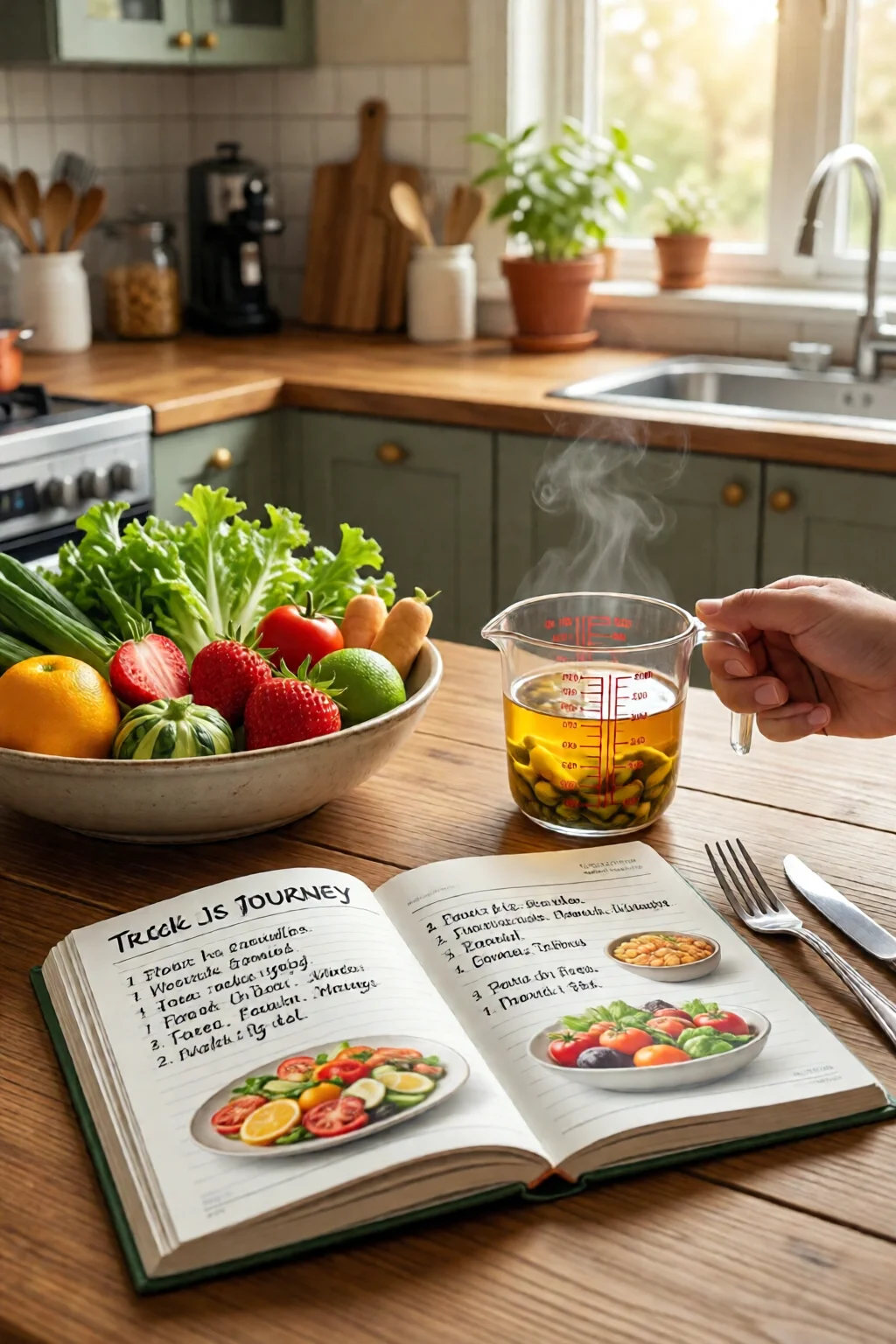
Here’s a snapshot of my own week using MyFitnessPal Premium, Apple Watch, and a kitchen scale:
- Monday: 2,150 kcal intake, 550 kcal burned → Net 1,600 kcal (Goal 1,800) – Surplus of 200 kcal, no weight change.
- Tuesday: 1,850 kcal intake, 620 kcal burned → Net 1,230 kcal – Deficit 570 kcal, ~0.16 lb loss.
- Wednesday: 2,300 kcal intake (birthday cake), 580 kcal burned → Net 1,720 kcal – On track.
- Thursday: 1,700 kcal intake, 600 kcal burned → Net 1,100 kcal – Big deficit, felt hungry; added a protein shake (150 kcal) next day.
- Friday: 1,950 kcal intake, 560 kcal burned → Net 1,390 kcal – Balanced.
- Saturday: 2,000 kcal intake, 500 kcal burned → Net 1,500 kcal – Weekend maintenance.
- Sunday: 1,800 kcal intake, 580 kcal burned → Net 1,220 kcal – Strong finish.
Result: 0.45 lb lost in one week—exactly the 350–500 kcal daily deficit I aimed for. The data validated my meals, highlighted the high‑calorie cake, and nudged me toward smarter snack swaps.
Common Pitfalls & How to Avoid Them
1. Ignoring “Hidden Calories.” Dressings, sauces, and cooking oils add up fast. A tablespoon of ranch dressing is 73 kcal; two tablespoons = 146 kcal—enough to erase a small snack.
2. Relying on Estimates. The human eye misjudges portion size by 20–30% on average. Use a scale for the first few meals of each new recipe, then trust the visual cues.
3. Forgetting to Log Liquids. A 12‑oz soda is 150 kcal; a coffee with two sugars adds 80 kcal. Log everything, even water—some apps award “hydration points” that keep you motivated.
4. Over‑Focusing on Calories, Ignoring Nutrients. Low‑calorie junk can sabotage hormones. Balance your intake with fiber, protein, and healthy fats to stay satiated.
Integrating Calorie Tracking with Lifestyle Goals
Whether you’re training for a half‑marathon, managing acid reflux (acid reflux diet plan), or experimenting with the gelatin weight loss trick recipe, the same core principles apply: log, review, adjust.
For endurance athletes, track carbs per hour (30–60 g) and ensure total calories meet training demands. For reflux sufferers, note that high‑fat meals increase symptoms—log fat grams and see if lower‑fat days correlate with fewer flare‑ups.
Final Verdict
Learning how to track calories isn’t about obsessing over numbers; it’s about creating a feedback loop that empowers you to make smarter food choices without sacrificing enjoyment. The best approach combines a reliable app, solid portion‑size habits, wearable data, and weekly reflection. Start simple—download MyFitnessPal, scan a barcode, and log tomorrow’s breakfast. Within two weeks, you’ll see patterns, and with a few tweaks, the scale will start moving in the right direction.
How many calories should I eat to lose weight?
A safe, sustainable deficit is 500–750 kcal per day, which typically results in 1–1.5 lb loss per week. Use a calculator (or ask a dietitian) to estimate your maintenance calories, then subtract the desired deficit.
Can I trust restaurant nutrition info?
Restaurant data can be accurate for chain establishments that publish full menus online. For independent spots, estimate using similar dishes in your app’s database and adjust for portion size.
Do I need a kitchen scale?
A scale is the most reliable way to learn portion sizes, especially for high‑calorie foods like nuts, oils, and cheese. After a couple of weeks, you can rely more on visual cues, but the scale remains the gold standard for accuracy.
How often should I weigh myself?
Weekly weigh‑ins (same day, same time, same clothing) give a clear trend without the noise of daily fluctuations. Record the number in your app for easy tracking.
Is counting calories compatible with a flexible diet?
Absolutely. Flexible dieting (IIFYM) uses calorie and macro targets to allow any food choices, as long as you stay within the numbers. Apps like MyFitnessPal make this approach straightforward.
5 thoughts on “How To Track Calories – Everything You Need to Know”