
When I first met Jenna, a 42‑year‑old who had just undergone a sleeve gastrectomy, she confessed that the hardest part wasn’t the surgery—it was figuring out how to keep meals interesting while staying within the strict calorie limits her bariatric diet demanded. She loved dessert, but the typical sugar‑laden treats were a no‑go. That night, I whipped up a simple bariatric gelatin recipe for weight loss, and by morning she was already asking for the next batch. If you’re in the same spot—craving something sweet, protein‑packed, and bariatric‑friendly—this step‑by‑step guide will give you a reliable, low‑calorie gelatin that fits right into your post‑surgery plan.
In This Article
- What You Will Need (Before You Start)
- Step 1: Choose the Right Gelatin Base
- Step 2: Dissolve the Gelatin
- Step 3: Sweeten Smartly
- Step 4: Boost Protein Content
- Step 5: Add Flavor and Color Without Calories
- Step 6: Combine and Chill
- Common Mistakes to Avoid
- Troubleshooting & Tips for Best Results
- Putting It All Together: A Sample Weekly Plan
- FAQ
- Summary
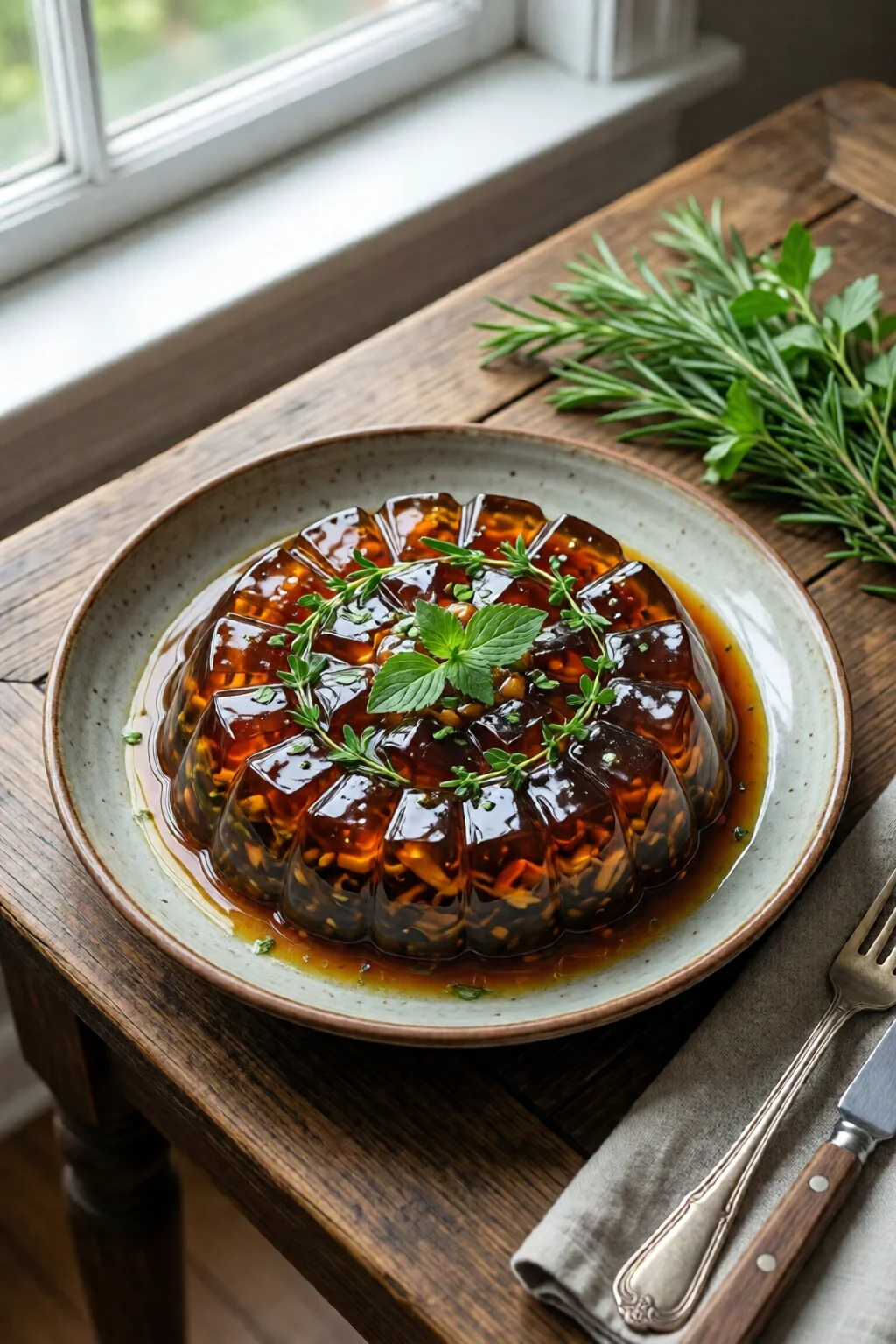
What You Will Need (Before You Start)
Gather these items so the process flows smoothly. All ingredients are chosen for their low calorie count, high protein content, and bariatric safety.
- Unflavored gelatin powder – 1 oz (28 g) pack. I recommend Great Lakes Gelatin (Unflavored), 1‑lb bag – $9.99. It dissolves quickly and is free of added sugars.
- Zero‑calorie sweetener – 2 tablespoons (30 ml) of liquid sucralose (e.g., Splenda Zero Calorie Sweetener). One bottle is about $4.49 for 16 oz.
- Protein powder – 1 scoop (30 g) of whey isolate (vanilla or unflavored). My go‑to is Optimum Nutrition Gold Standard 100 % Whey Isolate, 2‑lb tub at $39.99, providing 25 g protein per scoop.
- Low‑calorie fruit juice or puree – 1 cup (240 ml) of unsweetened cranberry juice (≈20 cal) or ½ cup (120 ml) of fresh pureed strawberries (≈25 cal). Look for “no added sugar” on the label.
- Lemon juice – 1 tablespoon (15 ml) for brightness.
- Water – 1 cup (240 ml) cold, plus ½ cup (120 ml) hot for dissolving gelatin.
- Silicone mold or 8‑oz ramekins – any shape you like; a set of 12 silicone molds costs about $12.99.
- Thermometer – optional, but handy to ensure the hot water is around 85 °C (185 °F) for optimal gelatin dissolution.
All of these items together will cost roughly $70 if you’re buying everything brand new, but most bariatric patients already have a protein powder and sweetener on hand, bringing the incremental cost to under $15 per batch.
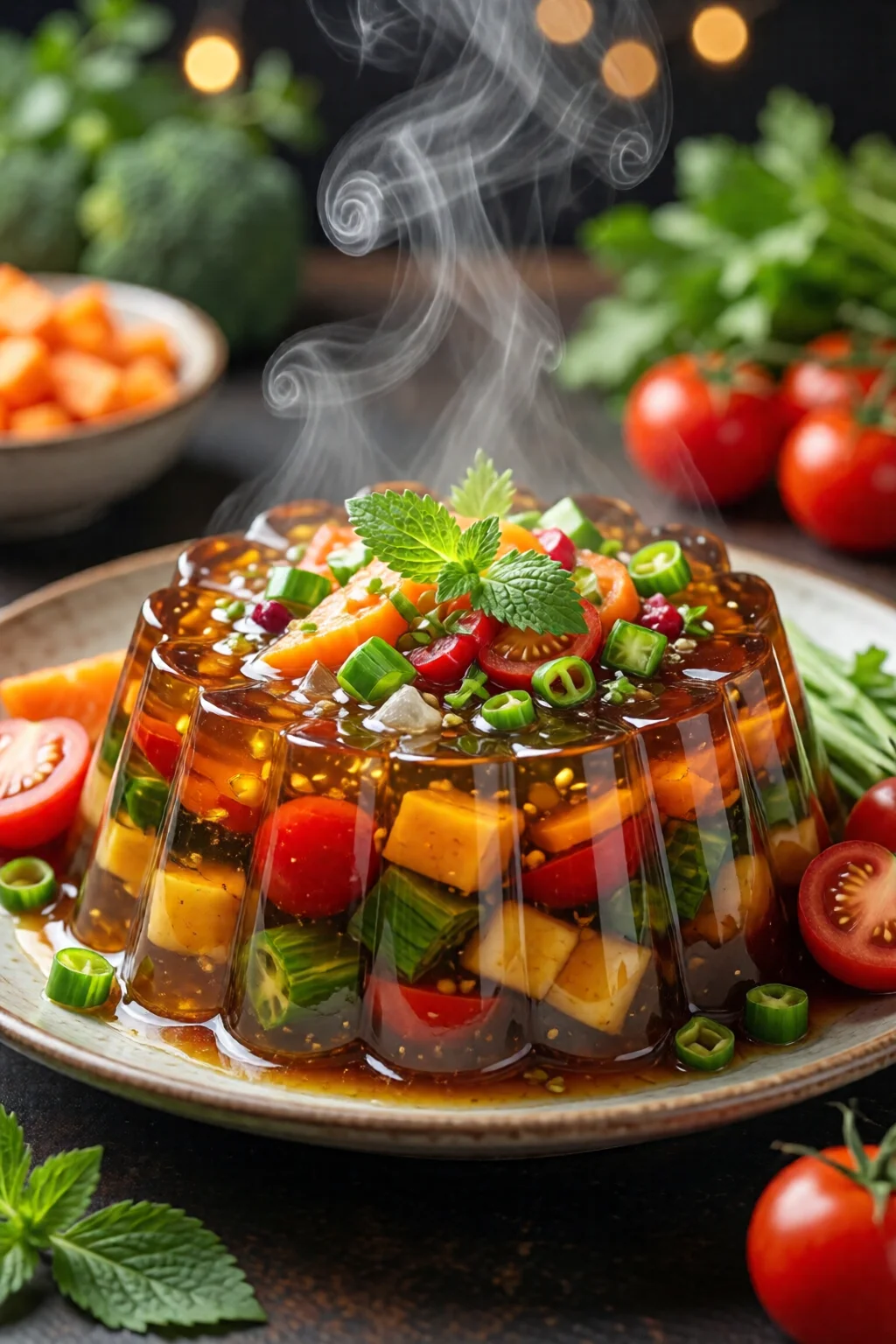
Step 1: Choose the Right Gelatin Base
Start by measuring 1 oz (28 g) of unflavored gelatin into a medium bowl. In my experience, using the plain version lets you control the flavor entirely and avoids hidden sugars that can sabotage a bariatric diet. Sprinkle the gelatin over ½ cup (120 ml) cold water and let it “bloom” for 5 minutes. You’ll see it swell and become a gel‑like texture—this step is crucial for a smooth final product.
Step 2: Dissolve the Gelatin
While the gelatin blooms, heat ½ cup (120 ml) of water to just below boiling—about 85 °C (185 °F). Pour the hot water over the bloomed gelatin, whisking vigorously for 30 seconds until the mixture is completely clear. If any granules remain, give it another 10 seconds; stubborn bits can lead to a grainy texture later.
Step 3: Sweeten Smartly
Add 2 tablespoons (30 ml) of liquid sucralose to the gelatin solution. I prefer liquid sweetener because it integrates without clumping. Taste the mixture; it should be mildly sweet, not overpowering. Remember, bariatric patients often have a reduced sense of taste, so a subtle sweetness is enough to satisfy cravings.
Step 4: Boost Protein Content
Now stir in 1 scoop (30 g) of whey isolate. This adds roughly 25 g of high‑quality protein, which helps preserve lean muscle during rapid weight loss. Mix until the powder is fully dissolved—this may take 45 seconds of vigorous whisking. If you notice any lumps, use a small hand blender for 5 seconds.
Step 5: Add Flavor and Color Without Calories
Pour in 1 cup (240 ml) of your chosen low‑calorie fruit juice or puree. For a vibrant pink hue, the strawberry puree works beautifully; for a tart edge, unsweetened cranberry juice is ideal. Add 1 tablespoon (15 ml) of fresh lemon juice to brighten the flavor profile and balance the sweetness.
Step 6: Combine and Chill
Give the entire mixture one final stir to ensure uniformity. Then, carefully pour it into your silicone molds or ramekins, filling them no higher than ¾ inch from the top to allow for expansion as they set. Place the molds on a baking sheet and transfer to the refrigerator.
Allow the gelatin to set for at least 4 hours, though an overnight chill (8‑12 hours) yields the firmest texture. Once solid, pop the gelatin out of the molds and store in an airtight container. Each 8‑oz serving contains approximately 120 calories, 25 g protein, 2 g carbs, and virtually no fat—perfect for a bariatric meal plan.
Common Mistakes to Avoid
- Skipping the blooming step: Without letting the gelatin hydrate, you’ll end up with a gritty dessert that feels like chewing paper.
- Using hot water that’s too hot: Boiling water can degrade the gelatin’s setting ability, resulting in a soupy consistency.
- Over‑sweetening: Bariatric patients often have a lower threshold for sugar; excess sweetener can cause cravings for more sugary foods later.
- Neglecting protein: The protein boost isn’t just for muscle— it also adds satiety, helping you feel fuller longer.
- Storing at room temperature: Gelatin melts quickly above 30 °C (86 °F). Keep it refrigerated until you’re ready to eat.
Troubleshooting & Tips for Best Results
Gelatin won’t set? Double‑check the temperature of the hot water; it should be hot but not boiling. Also, ensure the gelatin-to‑water ratio is correct—too much liquid can prevent firm setting.
Texture is too rubbery? Reduce the gelatin amount by ¼ oz (7 g) next time, or increase the liquid slightly. A softer bite is often more enjoyable post‑surgery.
Flavor is bland? Add a pinch of natural vanilla extract (≈$0.30 per 5 ml bottle) or a few drops of almond essence. These add depth without calories.
Need a quicker version? Use a microwave to heat the water—just 30 seconds on high, then stir. Be careful not to overheat.
For variety, try swapping the fruit juice: pineapple for a tropical twist (≈22 cal per cup) or cucumber‑mint water for a refreshing palate cleanser (≈5 cal). Each variation still respects bariatric guidelines.

Putting It All Together: A Sample Weekly Plan
Here’s how you might incorporate the bariatric gelatin recipe for weight loss into a typical week after surgery:
- Monday & Thursday – Breakfast: One 8‑oz gelatin cup with a side of ½ cup (120 ml) low‑fat Greek yogurt (≈70 cal). Total: ~190 cal.
- Tuesday – Post‑Workout Snack: Gelatin plus a small apple (≈55 cal). Total: ~175 cal.
- Wednesday – Dessert after Lunch: Gelatin topped with a sprinkle of cinnamon (≈2 cal). Total: ~122 cal.
- Friday – Evening Treat: Gelatin with a drizzle of 1 teaspoon (5 ml) sugar‑free chocolate syrup (≈10 cal). Total: ~130 cal.
- Weekend – Flexible: Two gelatin servings split between breakfast and snack, keeping total daily intake within your bariatric calorie goal (usually 800‑1200 cal for the first 6 months).
This plan delivers 25 g of protein per meal, keeps carbs low, and stays well under the typical 500‑calorie snack limit recommended for bariatric patients.
FAQ
Can I use flavored gelatin mixes?
Flavored mixes often contain added sugars and artificial colors that can exceed bariatric calorie limits. Stick with unflavored gelatin and add natural flavorings for better control.
How long can the gelatin be stored?
In an airtight container, it stays fresh for up to 5 days in the refrigerator. For longer storage, freeze individual portions; they thaw well in the fridge overnight.
Is this recipe suitable for vegan bariatric patients?
Replace the animal‑based gelatin with 2 tablespoons of agar‑agar powder and use a plant‑based protein isolate (pea or soy). The texture will be firmer, so adjust liquid ratios accordingly.
Can I add fresh fruit pieces?
Yes, but keep the total fruit volume under ¼ cup per serving to stay within the low‑carb limit. Small berries work well and add antioxidants.
How does this gelatin help with weight loss?
The high protein content promotes satiety and preserves lean muscle, while the low calorie count fits bariatric daily targets. Gelatin also supports gut health, which can improve nutrient absorption after surgery.
Summary
Creating a bariatric gelatin recipe for weight loss is less about magic and more about precise ingredients, proper technique, and mindful portioning. By following the steps above—blooming gelatin, sweetening with zero‑calorie sucralose, boosting protein with whey isolate, and flavoring with low‑calorie fruit—you’ll have a dessert that satisfies cravings without derailing your bariatric plan. Remember to avoid common pitfalls like overheating the gelatin or skipping the protein boost, and troubleshoot with the tips provided. Incorporate the gelatin into a balanced weekly schedule, and you’ll enjoy a tasty, nutrient‑dense treat that supports your weight‑loss journey.
For more dessert ideas, check out our jello weight loss recipe guide, explore other healthy recipes for weight loss, or try the pink gelatin weight loss recipe for a colorful twist. If you’re curious about how this fits with broader strategies, our amy schumer weight loss complete guide 2026 2 and intermittent fasting weight loss complete guide 2026 2 have you covered.
1 thought on “Bariatric Gelatin Recipe For Weight Loss – Tips, Ideas and Inspiration”