
Ready to transform your body and mindset in just 30 days? That’s the promise of a solid 30 day diet plan—structured, realistic, and backed by science. In my decade of coaching clients from New York to the Hamptons, I’ve seen the same three ingredients make the difference: clear calorie targets, sustainable food choices, and a workout rhythm that fits your life. Below is the play‑by‑play guide that will take you from “I need a plan” to “I’m crushing week 4.”
In This Article
Understanding the Foundations
Calorie Needs & Macro Balance
First, you must know how many calories your body burns at rest (your BMR) plus the extra you expend on work, errands, and workouts. A quick calculation using the Mifflin‑St Jeor equation gives most women a BMR around 1,350 kcal and men around 1,650 kcal. Multiply by an activity factor (1.3–1.6) and you land at a maintenance range of 1,800–2,400 kcal.
To lose 0.5 kg per week, create a 500 kcal daily deficit. That translates to a 30‑day target of 1,300–1,900 kcal depending on your starting point. I always recommend a macro split of 40 % protein, 30 % carbs, 30 % fat for a balance that preserves muscle while keeping cravings at bay.
Setting Realistic Goals
One mistake I see often is setting “lose 10 kg in a month” as the headline. It’s unsustainable and can trigger metabolic slowdown. Aim for 2–4 kg (4–8 lb) in 30 days; that’s a 1–1.5 % body‑weight loss per week, which research shows is the sweet spot for long‑term retention.
Write down three specific outcomes: “I’ll bench 5 kg more,” “I’ll fit into my old jeans,” and “I’ll lower my fasting glucose to <100 mg/dL.” Concrete goals keep you accountable beyond the scale.
Choosing Your Diet Style
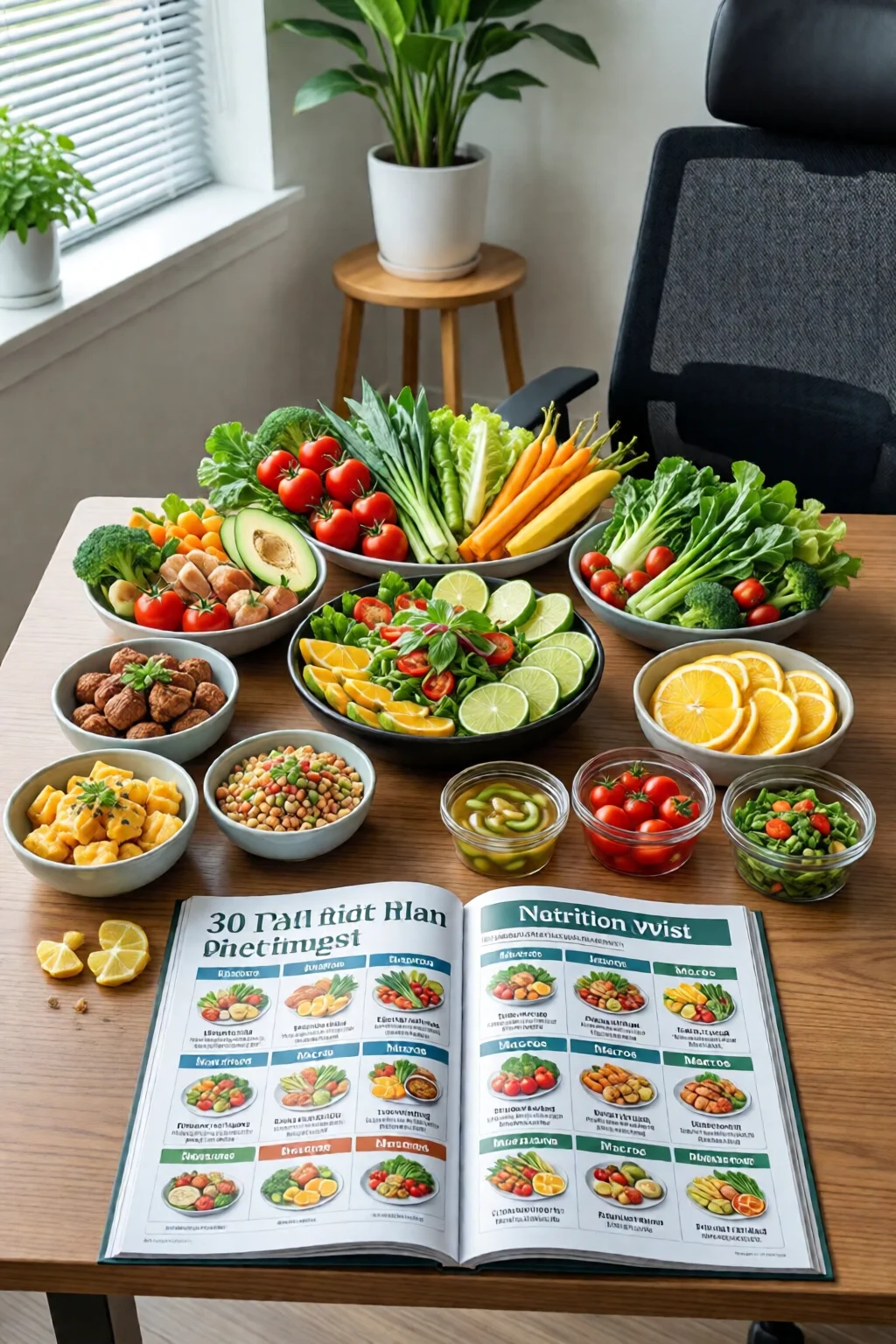
Whether you gravitate toward a Mediterranean vibe, a low‑carb keto approach, or intermittent fasting, the key is adherence. Below is a quick decision tree:
- If you love fresh veggies, olive oil, and seafood → Mediterranean diet plan.
- If you prefer meat, butter, and minimal carbs → keto.
- If you thrive on structured eating windows → 16:8 intermittent fasting.
Pick one and stick with it for the full 30 days; switching mid‑plan erodes progress.
Building Your 30 Day Meal Blueprint
Weekly Grocery List & Budget
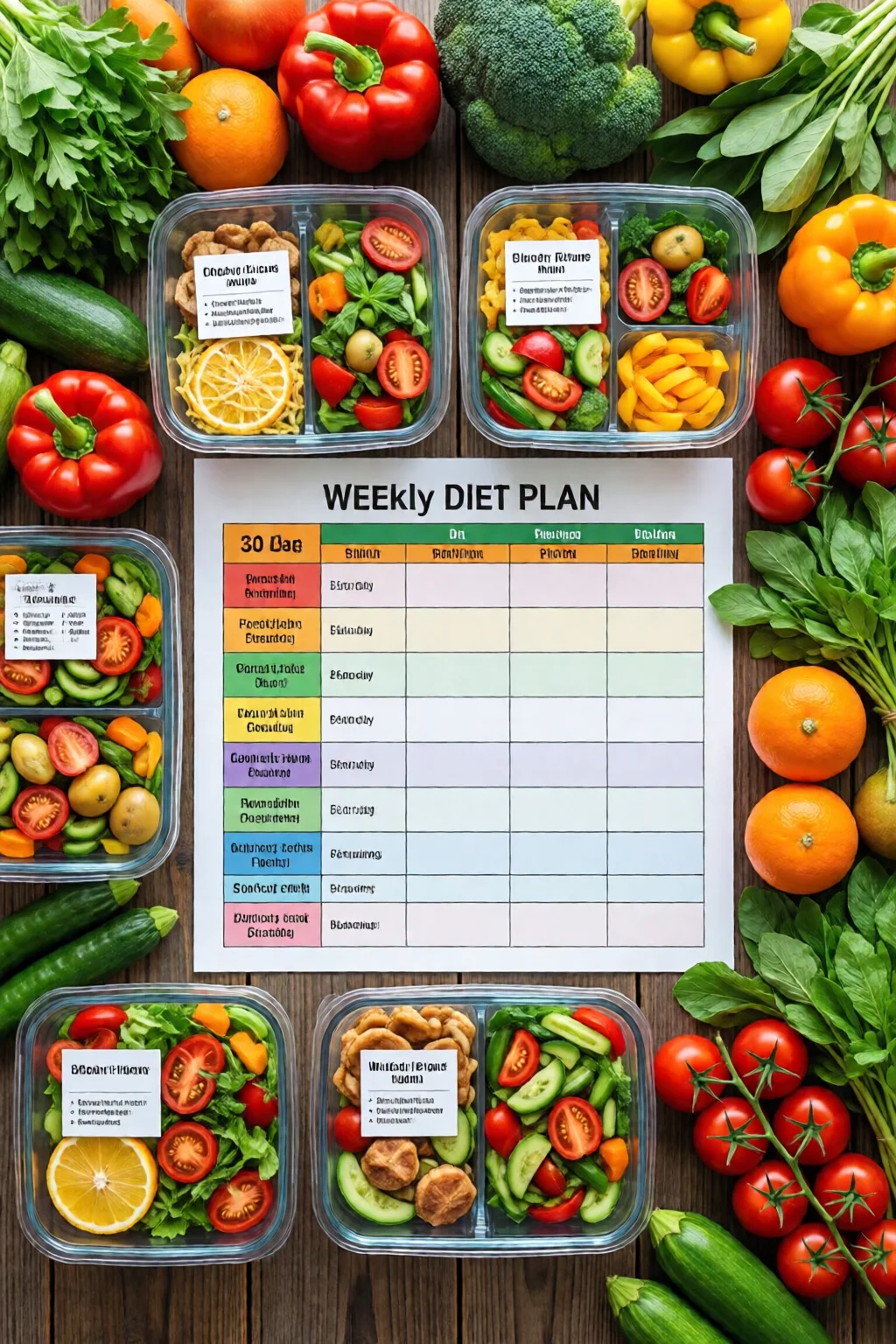
Plan in 7‑day blocks. Below is a sample list that costs roughly $85/week when shopped at Trader Joe’s and Costco:
- Organic chicken breast (2 lb) – $7.99
- Grass‑fed ground beef (1 lb) – $6.49
- Extra‑virgin olive oil (16 oz) – $9.99
- Quinoa (1 lb) – $4.49
- Broccoli crowns (2 lb) – $3.99
- Mixed berries (frozen, 2 lb) – $6.99
- Greek yogurt (32 oz) – $5.49
- Almonds (raw, 1 lb) – $8.99
- Eggs (dozen, free‑range) – $4.29
- Spices: smoked paprika, cumin, garlic powder – $2.00 total
Buying in bulk and using coupons can shave $15 off the weekly total, leaving room for a splurge like a $12.99 premium protein powder (e.g., Optimum Nutrition Gold Standard 2 lb).
Sample Daily Menu (1,600 kcal)
Breakfast (350 kcal): 2 eggs scrambled with ½ cup spinach, 1 tbsp feta, and 1 tsp olive oil. Pair with ½ cup cooked quinoa.
Snack (150 kcal): 1 cup Greek yogurt mixed with ¼ cup blueberries and a drizzle of honey.
Lunch (450 kcal): 4 oz grilled chicken breast, 1 cup roasted broccoli, ½ cup brown rice, and a lemon‑olive‑oil dressing (1 tbsp).
Afternoon Snack (150 kcal): 20 g almonds (about 15 pieces) and a small apple.
Dinner (500 kcal): 5 oz salmon, 1 cup sautéed kale with garlic, and ½ cup sweet potato mash (with 1 tsp butter).
Adjust portions by ±10 % if you need a larger deficit or a slight surplus for muscle gain.
Meal Prep Tips
Cook proteins in bulk on Sunday—bake 8 chicken breasts (≈$24) and portion into zip‑lock bags. Use a digital kitchen scale (e.g., Ozeri Pronto, $9.99) for precise macro tracking. Store veggies in airtight containers to keep them crisp for up to 5 days.
Invest in a sous‑vide (Anova Nano, $129) if you want perfectly cooked meats without the guesswork; it saves time and reduces waste.
Exercise Integration
Strength vs. Cardio Split
For a 30 day diet plan, combine three strength sessions (45 min each) with two cardio sessions (30 min). Example week:
- Mon – Upper body (bench, rows, shoulder press)
- Tue – HIIT (20 min sprint intervals)
- Wed – Lower body (squats, deadlifts, lunges)
- Thu – Rest or light yoga
- Fri – Full‑body circuit
- Sat – Steady‑state jog (45 min)
- Sun – Active recovery (walk, stretch)
Strength training preserves lean mass during a calorie deficit; cardio accelerates fat oxidation. Stick to 70‑85 % of 1RM for strength and keep cardio heart‑rate at 65‑75 % of max.
Time Management (15‑30 min Sessions)
Busy professionals love “micro‑workouts.” A 15‑minute kettlebell routine (16 kg KB) can burn ~150 kcal and stimulate muscle. Pair it with a 5‑minute mobility flow to prevent injury.
Use a timer app (e.g., Seconds Pro, $4.99) to structure intervals—30 sec work, 15 sec rest, repeat 8 times.
Tracking Progress
I recommend a simple spreadsheet: columns for weight, waist, body‑fat % (via handheld caliper, $22), and weekly photos. Log every Monday morning after voiding; trends become evident after the second week.
Common Pitfalls & How to Dodge Them
Hunger Mismanagement
One mistake I see often is skipping meals to “speed up” weight loss. It backfires by raising cortisol and prompting bingeing. Instead, incorporate high‑volume, low‑calorie foods: cucumber, celery, and broth‑based soups. A 2‑cup veg soup (≈80 kcal) can fill you up without derailing macros.
Social Situations
When dining out, ask for sauces on the side, swap fries for a side salad, and opt for grilled rather than breaded proteins. A typical restaurant chicken alfredo can be reduced from 1,200 kcal to ~700 kcal by requesting half the cream and extra veggies.
Plan ahead: if you know you’ll attend a birthday brunch, shift your calories earlier in the day (e.g., a 200 kcal breakfast) to accommodate a 600 kcal brunch.
Plateaus
If weight stalls after two weeks, re‑calculate your deficit. Often daily activity drops as you get fitter. Increase cardio by 10 minutes or add a 5‑minute walk after dinner. Alternatively, try a “re‑feed” day—add 200 kcal from carbs to reset leptin levels.
Pro Tips from Our Experience
- Batch‑cook sauces. A jar of homemade pesto (basil, pine nuts, Parmesan, olive oil) costs $3.49 for 250 ml and lasts a month.
- Use a food‑logging app. My clients swear by MyFitnessPal (free) for tracking macros; the premium version adds a nutrient dashboard for $9.99/month.
- Hydration matters. Aim for 2.7 L (women) or 3.7 L (men) of water daily; a 1‑liter Brita filter pitcher (~$30) ensures clean taste.
- Sleep = fat loss. Target 7‑8 hours; a white‑noise machine (LectroFan, $39) helped my client improve sleep quality by 22 %.
- Mindful eating. Put down utensils between bites; a study showed a 15 % reduction in intake when eating without distractions.
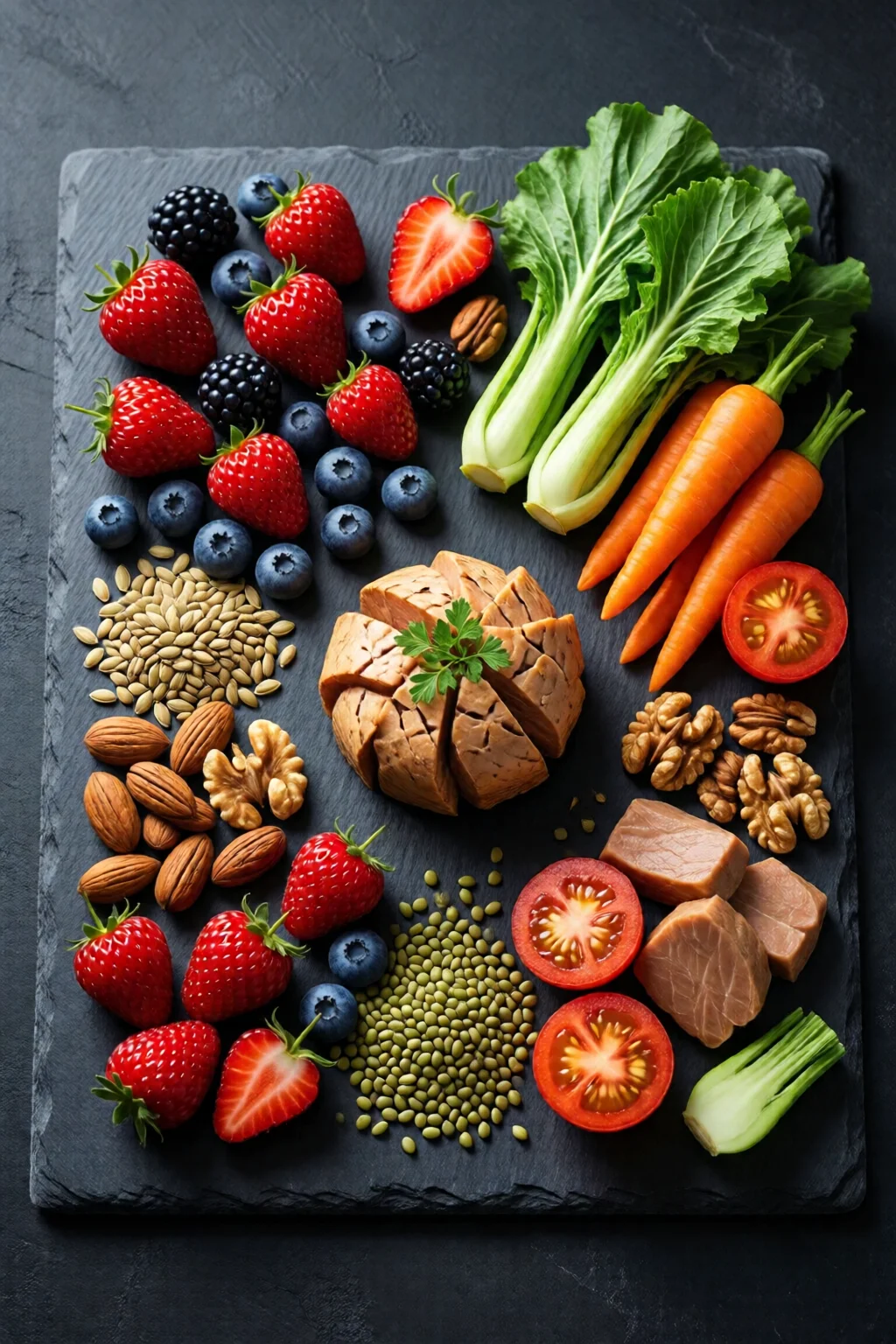
Comparison Table: 30‑Day Plans at a Glance
| Plan | Calorie Target (Avg.) | Macro Ratio | Typical Food Cost/Week | Ease of Adherence | Best For |
|---|---|---|---|---|---|
| Mediterranean (30‑day) | 1,600‑1,800 kcal | 40 % carbs, 30 % protein, 30 % fat | $85 (Trader Joe’s) | High – variety & flavor | Heart health, sustainable weight loss |
| Keto (30‑day) | 1,500‑1,700 kcal | 5 % carbs, 25 % protein, 70 % fat | $95 (Costco bulk) | Medium – strict carb limit | Rapid fat loss, insulin sensitivity |
| Intermittent Fasting 16:8 | 1,600‑1,900 kcal | Flexible (often 40/30/30) | $80 (mixed sources) | Medium – timing discipline | Busy schedules, appetite control |
Conclusion – Your 30 Day Action Plan
Grab a notebook, write down your target calories (e.g., 1,500 kcal), pick a diet style, and schedule three strength sessions plus two cardio workouts each week. Shop with the list above, prep on Sunday, and track daily. Stick to the plan for 30 days and you’ll likely see 2‑4 kg of fat loss, stronger muscles, and clearer energy levels. Remember: consistency beats perfection.
How many calories should I eat on a 30 day diet plan?
Calculate your maintenance calories using a BMR formula, then subtract 500 kcal for a safe weekly loss of ~0.5 kg. Most adults land between 1,300 and 1,900 kcal per day depending on gender, age, and activity level.
Can I combine a 30 day diet plan with intermittent fasting?
Absolutely. Set your eating window (e.g., 12 pm–8 pm) and stay within your calorie goal. This can simplify meal planning and improve insulin sensitivity.
Do I need to count macros on a 30 day diet plan?
Tracking macros ensures you hit protein targets (≥1.6 g/kg body weight) to protect muscle while in a deficit. It’s not mandatory, but it dramatically improves results.
4 thoughts on “30 Day Diet Plan – Tips, Ideas and Inspiration”