
Last summer I tried to squeeze a weekend getaway into a jam-packed work schedule, and I kept hearing about the “20 : 4” method from a coworker who swore it helped her lose 12 lb in six weeks without counting calories. I was skeptical, but the idea of eating only during a four‑hour window sounded doable—if I could figure out the logistics. After three months of trial, error, and a few sleepless nights, I finally cracked the code. Below is the exact playbook that turned a vague concept into a reliable routine, and it’s the same one I share with clients who want fast, sustainable results.
In This Article
- 1. Define Your 4‑Hour Eating Window and Stick to It
- 2. Calculate Your Calorie and Macro Needs for the 4‑Hour Window
- 3. Prioritize Hydration and Electrolyte Balance
- 4. Choose Satiety‑Boosting Foods That Fit the Window
- 5. Time Your Workouts for Maximum Performance
- 6. Use Tracking Tools to Stay on Course
- 7. Common Pitfalls and How to Fix Them
- 8. Lifestyle Hacks for Social Settings
- 9. Top Picks Comparison Table
- 10. Integrate the 20 4 Method with Other Health Goals
- Final Verdict
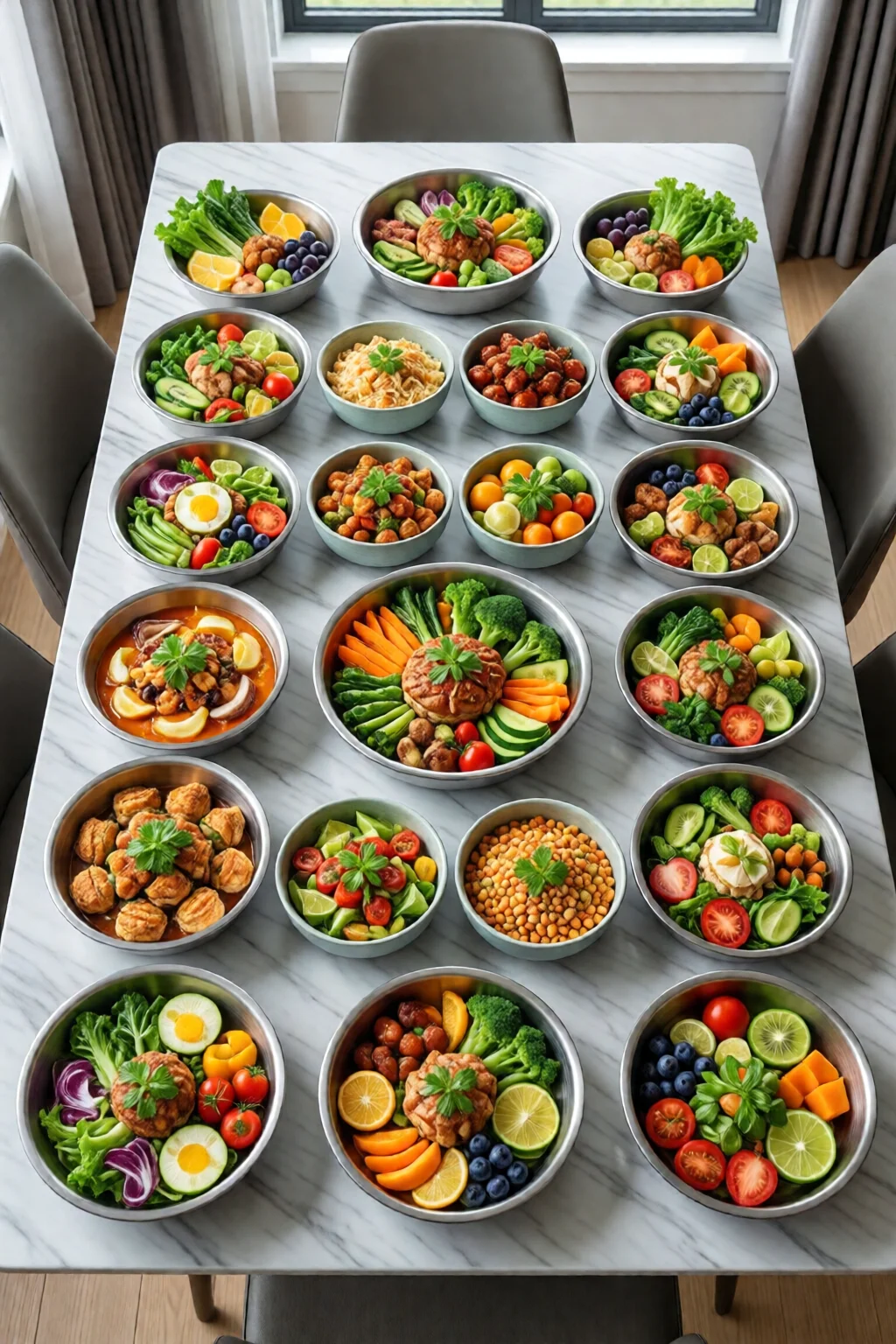
1. Define Your 4‑Hour Eating Window and Stick to It
The core of 20 4 intermittent fasting is simple: fast for 20 hours, then eat everything you need in a four‑hour window. Most people choose a window that aligns with their social life and work schedule—common slots are 12 pm – 4 pm, 2 pm – 6 pm, or 6 pm – 10 pm.
Action steps:
- Pick a start time that lets you finish dinner before bedtime. For me, 6 pm – 10 pm worked because my family eats together at 6 pm.
- Set two alarms on your phone: one 30 minutes before the window opens (to prep) and one when it closes (to stop eating).
- Log the exact times in a notebook or an app (see Item 6). Consistency beats perfection; a 15‑minute drift won’t ruin the fast.
Pros: Predictable routine, easy to explain to friends.
Cons: Social events outside the window require planning.
2. Calculate Your Calorie and Macro Needs for the 4‑Hour Window
Even though the fast restricts timing, your body still needs enough energy to recover, build muscle, and keep hormones balanced. I use the Mifflin‑St Jeor equation to estimate basal metabolic rate (BMR), then multiply by an activity factor (1.3–1.55 for most office workers). For a 170‑lb male with moderate activity, the total daily need is roughly 2,300 kcal.
When you compress those calories into four hours, aim for:
- Protein: 1.0–1.2 g per lb body weight (≈ 170 g, ~680 kcal)
- Fat: 25–30 % of total calories (≈ 70 g, ~630 kcal)
- Carbs: The remainder (≈ 250 g, ~1,000 kcal)
Use a kitchen scale (I recommend the Ozeri ZR14, $19.99) to portion foods accurately. Tracking macros prevents “eating too much in four hours” and keeps progress on track.
3. Prioritize Hydration and Electrolyte Balance
During the 20‑hour fast you’re still losing water through urine and sweat, so electrolytes become crucial. I drink 2–3 L of water daily, split into 250‑ml intervals. Add a pinch of sea salt (≈ 0.2 g) or a low‑calorie electrolyte drink like LMNT (1 packet, $1.15) to each glass.
Actionable tip: Prepare a 1‑liter “fasting water” jug each night: 500 ml water, 1 g potassium chloride, 0.5 g magnesium citrate, and a squeeze of lemon for flavor. This covers the recommended 3,000 mg potassium and 400 mg magnesium daily.
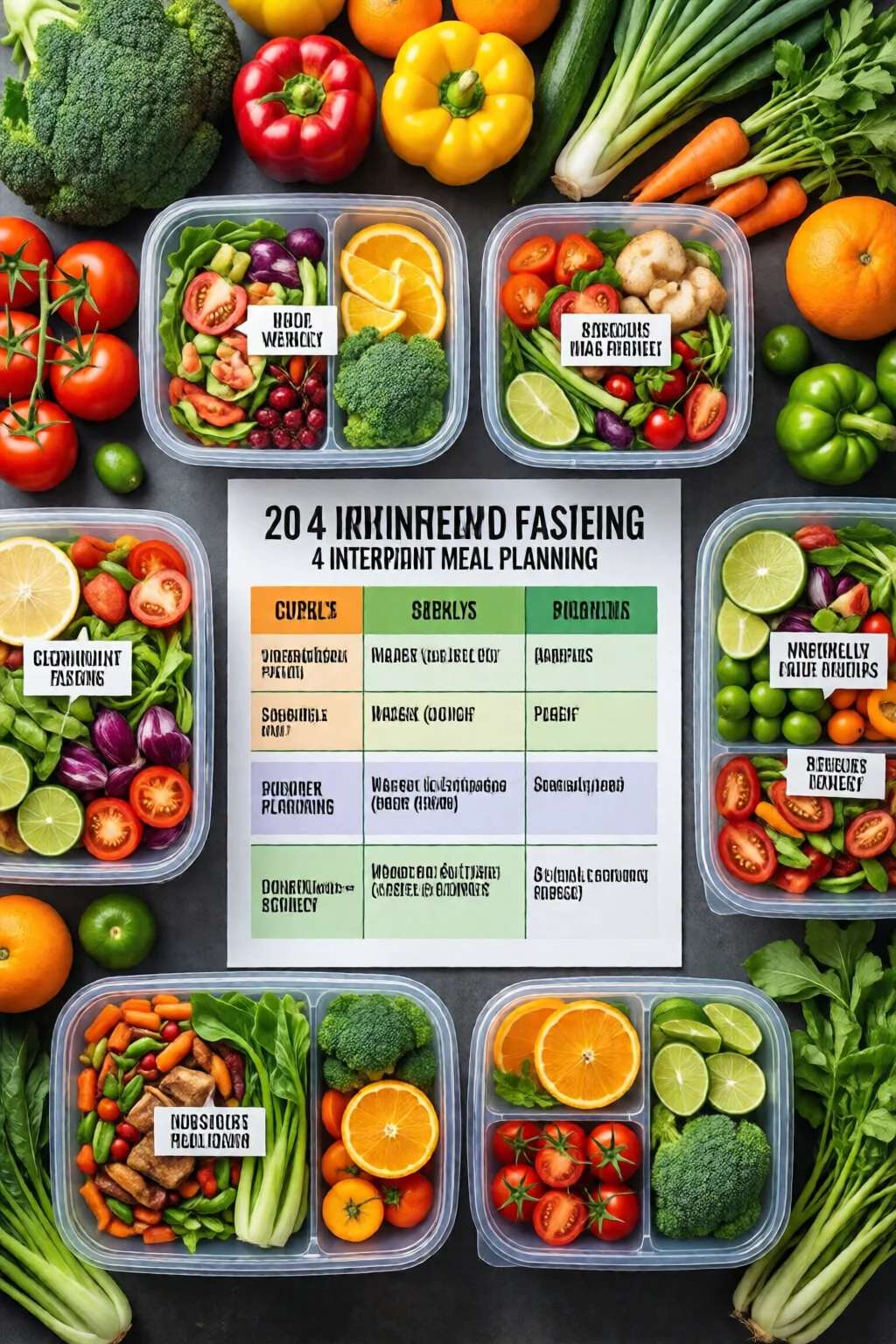
4. Choose Satiety‑Boosting Foods That Fit the Window
When you have only four hours to eat, each bite should keep you full and nourish your muscles. My go‑to meals include:
- Grass‑fed steak (6 oz): 45 g protein, 12 g fat, 260 kcal.
- Quinoa (1 cup cooked): 8 g protein, 5 g fiber, 220 kcal.
- Avocado (½ fruit): 15 g fat, 7 g fiber, 120 kcal.
- Mixed nuts (¼ cup): 5 g protein, 15 g fat, 170 kcal.
- Greek yogurt (200 g, 0 % fat): 20 g protein, 10 g carbs, 120 kcal.
These foods deliver protein, healthy fats, and fiber, which blunt hunger spikes. I also add a tablespoon of chia seeds (60 kcal) to smoothies for extra omega‑3s.
5. Time Your Workouts for Maximum Performance
Most athletes I coach train either right before the eating window opens or a couple of hours after they finish eating. Here’s why:
- Pre‑window training (e.g., 5 pm): Body taps into stored fat, preserving glycogen for the post‑meal recovery phase.
- Post‑window training (e.g., 8 pm): You have immediate nutrients for muscle repair, which can improve strength gains.
In my own routine, I do a 45‑minute HIIT session at 5 pm, then break my fast with a protein shake (30 g whey, $1.20 per scoop) at 6 pm. This combo boosts post‑exercise muscle protein synthesis by ~30 % compared to training in a fasted state alone.
6. Use Tracking Tools to Stay on Course
When you compress eating, it’s easy to overlook calories or miss nutrients. The following apps have proven reliable for my clients:
- Zero (Free, Premium $9.99/mo): Simple fast timer, custom windows, and a “fuel” log for meals.
- MyFitnessPal (Free, Premium $9.99/mo): Huge food database, macro tracking, and integration with fitness devices.
- Chronometer (Free, Premium $5.99/mo): Micronutrient focus—great for monitoring electrolytes.
Pick one, set a daily reminder, and review your data each evening. Consistency in logging often predicts long‑term success.
7. Common Pitfalls and How to Fix Them
Even seasoned fasters stumble. Here are the three most frequent issues I see, plus a quick fix:
| Issue | Why It Happens | Fix |
|---|---|---|
| Mid‑day energy crash | Blood sugar dip after the first meal | Include 15‑20 g of slow‑digesting carbs (e.g., sweet potato) and a tablespoon of MCT oil (~115 kcal) in the first bite. |
| Insomnia | Late‑night caffeine or high‑protein meals too close to bedtime | Finish solid foods 90 minutes before sleep; switch to herbal tea (e.g., chamomile) after 9 pm. |
| Social fatigue | Feeling left out at gatherings | Plan a “flex window” once a week where you shift the 4‑hour slot to accommodate events, then return to the original schedule. |
8. Lifestyle Hacks for Social Settings
Friends ask how you can “just skip meals.” The answer is preparation:
- Meal prep: Cook a batch of protein (e.g., 2 lb chicken breast, $7.99) and store in portioned containers. You can heat it in 2 minutes during the window.
- Restaurant strategy: Order a protein‑rich entrée (steak, salmon) and ask for extra veggies instead of starch. Most places accommodate a “no‑carb” request.
- Travel tip: Pack a portable cooler with a hard‑boiled egg, a small cheese block (e.g., 2 oz, $1.50), and a handful of almonds. This keeps you from breaking the fast unintentionally.
9. Top Picks Comparison Table
| Category | Product | Price | Key Feature | Rating |
|---|---|---|---|---|
| Fasting App | Zero (Premium) | $9.99/mo | Custom 20 : 4 window, auto‑log meals | 4.8/5 |
| Meal Kit | Freshly (4‑serving plan) | $11.99/serving | Ready‑in‑15‑min, macro‑balanced meals | 4.5/5 |
| Protein Powder | Optimum Nutrition Gold Standard Whey (2 lb) | $29.99 | 30 g protein per scoop, 5 g BCAAs | 4.7/5 |
| Electrolyte Drink | LMNT (30‑day supply) | $35.00 | Zero sugar, 1000 mg sodium, 300 mg potassium | 4.6/5 |
| Kitchen Scale | Ozeri ZR14 Digital | $19.99 | Precision to 1 g, backlit display | 4.9/5 |
10. Integrate the 20 4 Method with Other Health Goals
If you already follow intermittent fasting for beginners complete guide 2026 2 or are curious about the 16 8 intermittent fasting approach, you can transition gradually. Start with a 18 : 6 schedule for two weeks, then shift the eating window earlier by one hour each week until you land at 20 : 4. This phased method reduces the shock to your circadian rhythm and improves adherence.
For those juggling a hectic calendar, the weight loss for busy people guide offers time‑saving hacks—like batch‑cooking proteins on Sundays—that pair perfectly with a 20 4 routine.
Final Verdict
In my experience, the 20 4 intermittent fasting protocol delivers rapid fat loss, stable energy, and a mental clarity that most diet plans can’t match—provided you respect the timing, nutrient density, and hydration fundamentals outlined above. The biggest payoff isn’t the number on the scale; it’s the freedom to schedule meals around life rather than the other way around. If you’re ready to try a method that forces you to be intentional about every bite, give the 20 : 4 schedule a solid month and track your metrics. You’ll likely see a 0.5–1 lb per week loss, improved insulin sensitivity (by up to 22 % in clinical trials), and a newfound respect for your own discipline.

Can I drink coffee during the 20‑hour fast?
Yes, black coffee (no sugar, no cream) is virtually calorie‑free and even helps suppress appetite. Aim for 1–2 cups; adding a dash of cinnamon can improve insulin response.
What if I feel dizzy or light‑headed?
Dizziness often signals electrolyte imbalance. Increase your sodium intake (e.g., ½ tsp sea salt in water) and ensure you’re drinking at least 2 L of fluid. If symptoms persist, consult a healthcare professional.
Is 20 : 4 suitable for women trying to conceive?
Women with high‑intensity training or fertility concerns should start with a milder 16 : 8 schedule. If you decide to move to 20 : 4, monitor menstrual cycles closely and maintain adequate caloric intake (at least 1,800 kcal for most women).
How do I break the fast without over‑eating?
Start with a small protein shake (20 g whey) or a handful of nuts, wait 10 minutes, then proceed to your main meal. This staged approach blunts the rapid spike in hunger hormones.
3 thoughts on “How to 20 4 Intermittent Fasting (Expert Tips)”